

cruel and unusual
-

Municipal camping bans do not violate Colorado Constitution, says appeals court
Municipal ordinances that ban people from living on public property do not violate the Colorado Constitution’s prohibition on cruel and unusual punishment, the state’s second-highest court ruled on Thursday. A three-judge Court of Appeals panel agreed that it was appropriate to rely on the U.S. Supreme Court’s interpretation of the Eighth Amendment, which Colorado courts…
-

Lifetime sex offender registration not ‘punishment,’ Colorado justices say
The Colorado Supreme Court concluded on Monday that lifetime sex offender registration is not cruel and unusual punishment because it is not “punishment.” At the same time, two members urged lawmakers to heed the advice of the Sex Offender Management Board and adopt a new, more accurate system of measuring a person’s risk of recidivism.…
-
Appeals judge urges restraint in labeling new offenses serious across board
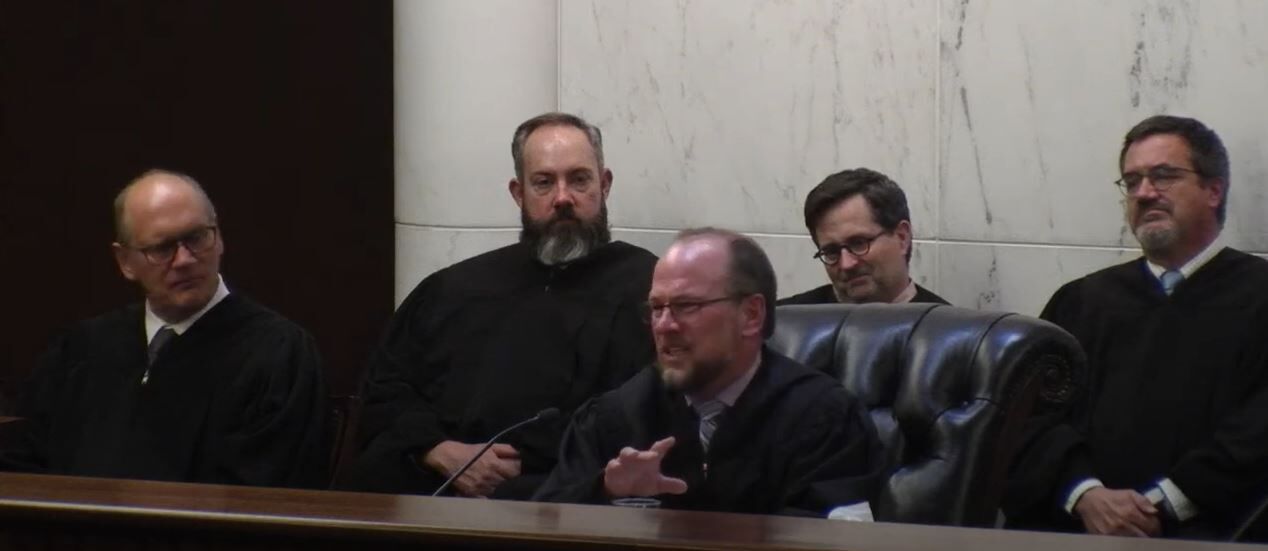
A member of the state’s second-highest court urged his colleagues on Thursday to pump the brakes before declaring new offenses “grave or serious” in every possible scenario. The Eighth Amendment’s prohibition on cruel and unusual punishment means sentences cannot be grossly disproportionate to the crime. Consequently, when judges in Colorado examine the constitutionality of a…
-
Federal judge declines to dismiss claims against prison officials for seizure-related death
A federal judge declined last month to dismiss the claims against numerous prison employees for a man’s in-custody death following several seizures and his repeated ingestion of liquified pain-numbing medication. The mother and minor children of Victor Esquivel sued the state’s corrections director, prison supervisors, corrections officers, medical employees and a medical staffing firm after…
-

Colorado justices splinter over approach to sentencing review
Members of the Colorado Supreme Court were divided on Monday about whether vehicular homicide stemming from intoxicated driving is “grave and serious” in every possible scenario, with two justices suggesting the court reconfigure its approach for determining the proportionality of criminal sentences. The Eighth Amendment’s prohibition on cruel and unusual punishment means sentences cannot be…
-
Colorado Supreme Court weighs whether lifetime sex offender registration amounts to ‘punishment’
Members of the Colorado Supreme Court appeared wary last week of deeming lifetime sex offender registration “punishment,” even as they heard about the inescapable consequences for a person’s liberty and privacy. Under Colorado law, “sexually violent predators” are subject to lifetime sex offender registration. To qualify, they must be 18 years or older, convicted of certain offenses,…
-
Colorado justices toy with test for reviewing extreme sentences for unconstitutionality
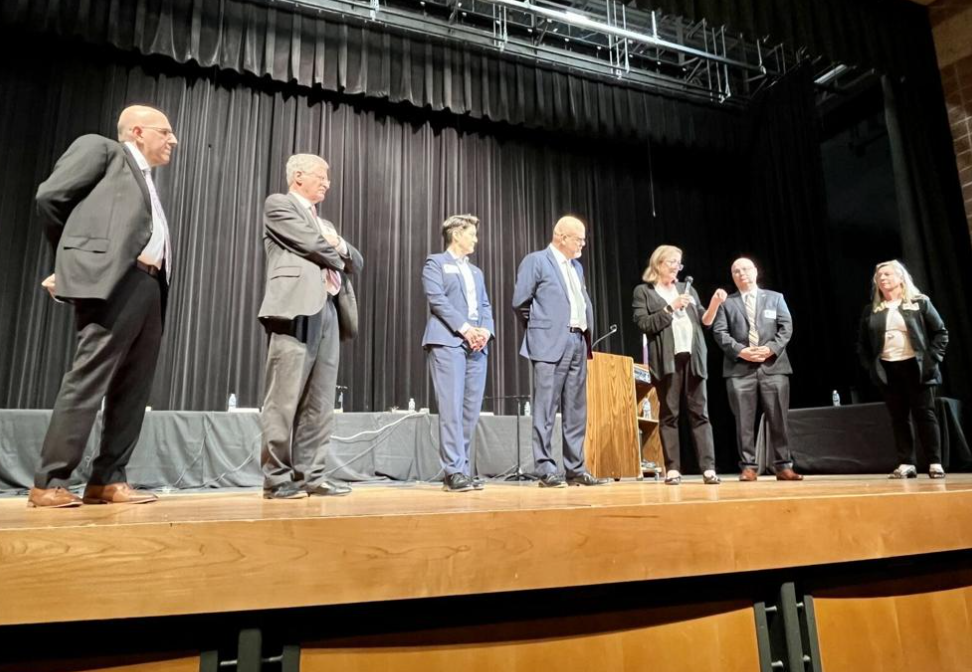
The Colorado Supreme Court heard arguments on Monday about whether a woman’s 29-year prison sentence for causing a fatal drunk driving accident was constitutionally excessive, but also considered tinkering with the procedure for how judges approach claims of “gross disproportionality” in sentencing. The Eighth Amendment’s prohibition on cruel and unusual punishment means sentences cannot be…
-
Colorado justices issue revised opinion in Robert Ray appeal, addressing life without parole sentence
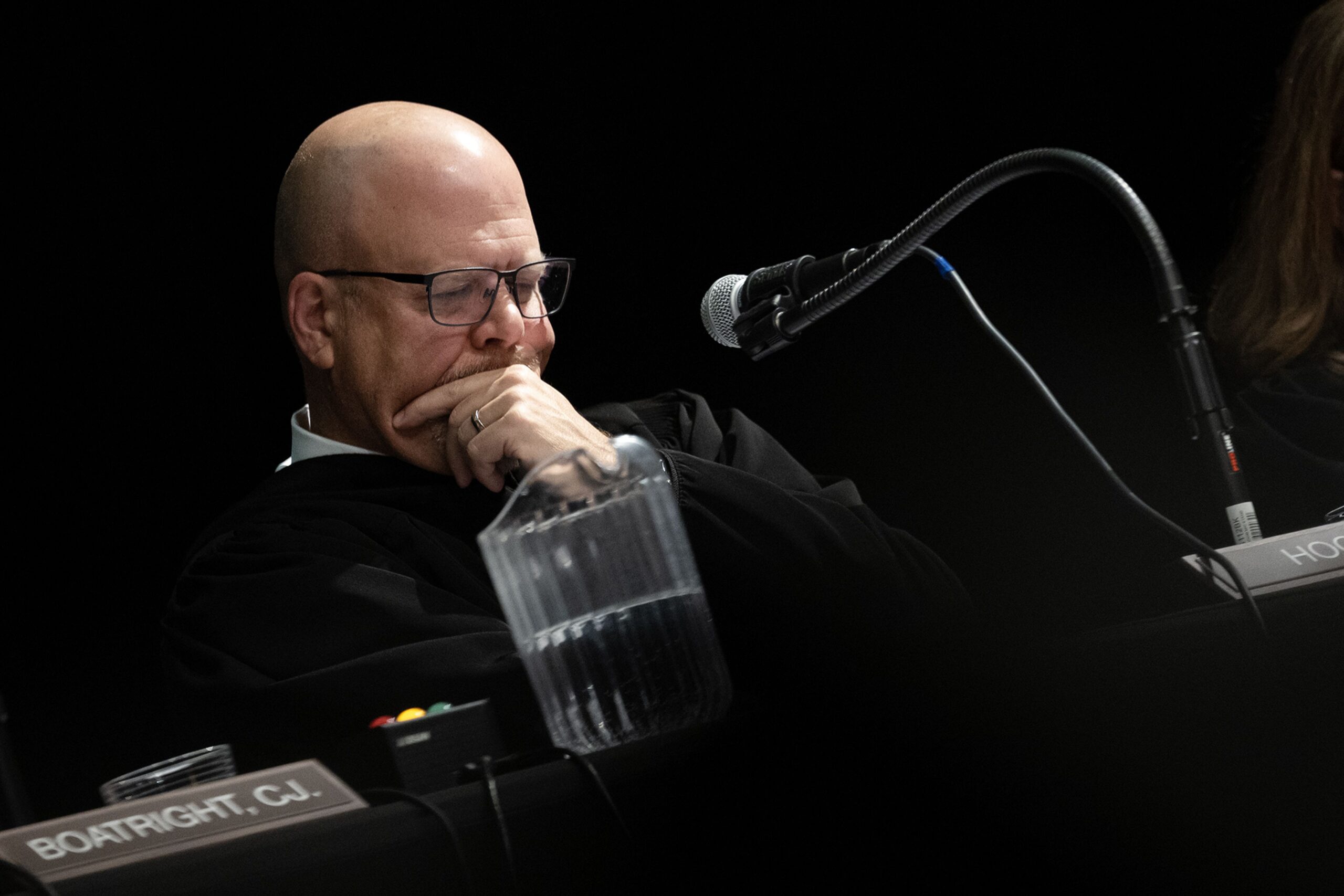
The Colorado Supreme Court issued a modified decision last week in the appeal of former death row inmate Robert Keith Ray, addressing and rejecting his arguments about the constitutionality of his life sentence. Arapahoe County jurors convicted Ray for the 2005 slayings of Javad Marshall-Fields and Vivian Wolfe. He received a death sentence and remained…
-
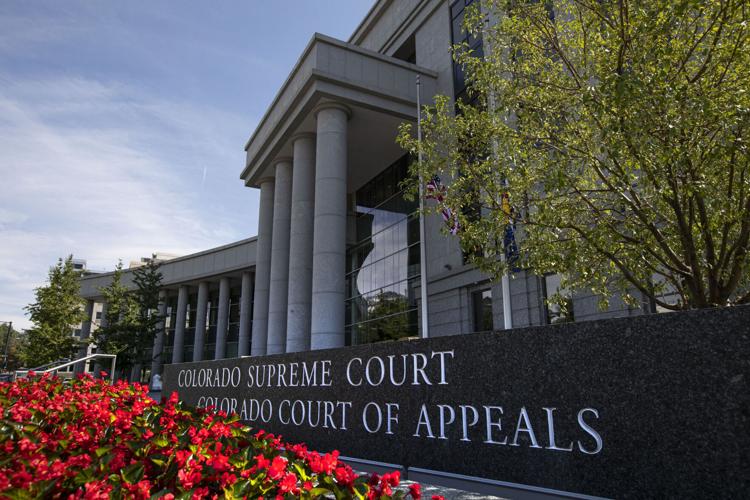
Appeals judge decries inability for defendant to challenge his ‘three-strikes’ sentence
A member of Colorado’s second-highest court on Thursday registered his discomfort with a defendant’s inability to challenge his lengthy prison sentence that was a product of the state’s “three strikes” law. Obdulio Arvelo is serving 48 years in prison for a 2011 theft-related conviction. The sentence resulted from Arvelo’s designation as a “habitual criminal,” meaning…
-
10th Circuit underscores most lawsuits against federal officials are ‘dead’
The federal appeals court based in Denver emphasized on Tuesday that lawsuits against federal officials who violate people’s constitutional rights are “all but dead” — thanks to the U.S. Supreme Court’s recent decisions. Lawsuits seeking money damages against federal employees for constitutional violations are known as a “Bivens remedy,” stemming from a 1971 Supreme Court…