

Tyson’s beef plant closure in Nebraska to impact town, ranchers nationwide | OUT WEST ROUNDUP
NEBRASKA
Beef plant’s closure could ripple
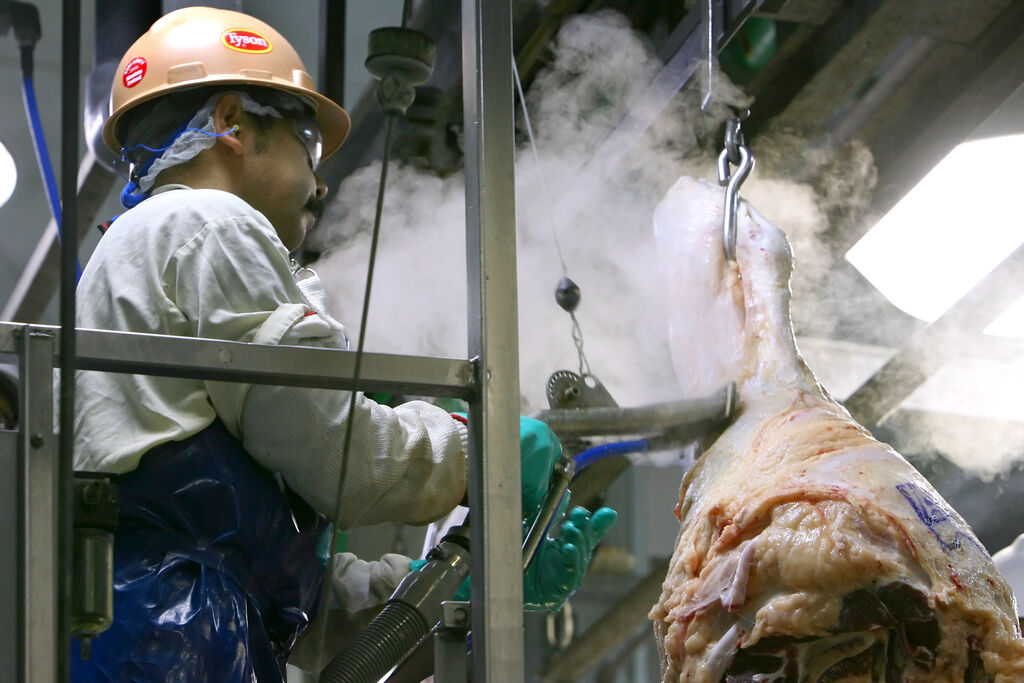
OMAHA — Tyson Foods’ decision to close a beef plant that employs nearly one third of residents of Lexington, Nebraska, could devastate the small city and undermine the profits of ranchers nationwide.
Closing a single slaughterhouse might not seem significant, but the Lexington plant employs roughly 3,200 people in the city of 11,000 and has the capacity to slaughter some 5,000 head of cattle a day. Tyson also plans to cut one of the two shifts at a plant in Amarillo, Texas, and eliminate 1,700 jobs there. Together those two moves will reduce beef processing capacity nationwide by 7-9%.
Consumers may not see prices change much at the grocery store over the next six months because all the cattle that are now being prepared for slaughter will still be processed, potentially just at a different plant. But in the long run, beef prices may continue to climb even higher than the current record highs — caused by a variety of factors from drought to tariffs — unless American ranchers decide to raise more cattle, which they have little incentive to do.
Clay Patton, vice president of the Lexington-area Chamber of Commerce said Nov. 24 that Tyson’s announcement felt like a “gut punch” to the community in the Platte River Valley that serves as a key link in the agricultural production chain.
When the plant closes in January, the ripple effects will be felt throughout the community, undermining many first-generation business owners and the investment in new housing, Patton said. Tyson said it will offer Lexington workers the chance to move to take open jobs at one of its other plants if they are willing to uproot their families for jobs hundreds of miles away.
Tyson expects to lose more than $600 million on beef production this year after already reporting $720 million of red ink in beef over the past two years.
OKLAHOMA
Tulsa Race Massacre survivor dies
DALLAS — Viola Ford Fletcher, who as one of the last survivors of the 1921 Tulsa Race Massacre in Oklahoma spent her later years seeking justice for the deadly attack by a white mob on the thriving Black community where she lived as a child, has died. She was 111.
Her grandson Ike Howard said Nov. 24 that she died surrounded by family at a Tulsa hospital. Sustained by a strong faith, she raised three children, worked as a welder in a shipyard during World War II and spent decades caring for families as a housekeeper.
She was 7 years old when the two-day attack began on Tulsa’s Greenwood district on May 31, 1921, after a local newspaper published a sensationalized report about a Black man accused of assaulting a white woman. As a white mob grew outside the courthouse, Black Tulsans with guns who hoped to prevent the man’s lynching began showing up. White residents responded with overwhelming force. Hundreds of people were killed and homes were burned and looted, leaving over 30 city blocks decimated in the prosperous community known as Black Wall Street.
The attack went largely unremembered for decades. In Oklahoma, wider discussions began when the state formed a commission in 1997 to investigate the violence.
Fletcher, who in 2021 testified before Congress about what she went through, joined her younger brother, Hughes Van Ellis, and another massacre survivor, Lessie Benningfield Randle, in a lawsuit seeking reparations. The Oklahoma Supreme Court dismissed it in June 2024, saying their grievances did not fall within the scope of the state’s public nuisance statute.
WYOMING
Bills to limit gambling advance
CHEYENNE — The Wyoming Legislature’s Management Council voted in late November to advance a package of gambling-related bills aimed at tightening regulatory control and making money laundering a felony in the state.
The group of legislative leaders also rejected a contentious proposal placing a statutory cap on the number of Historic Horse Racing terminals.
The bill drafts, originally developed by the Select Committee on Gaming, were discussed on Nov. 18.
The council unanimously approved a bill granting local approval for simulcasting facilities, which was supported by municipal leaders, including Cheyenne City Council member Dr. Mark Rinne, who was also representing the Wyoming Association of Municipalities.
The measure also retains the controversial 100-mile rule, which restricts simulcasting within 100 miles of a live track, unless approved by the track operator.
Bills addressing criminal activity also advanced, including one to create state felony offenses for money laundering and illegal investment.
Another measure aims to clean up the statutory definitions of “gambling,” particularly narrowing the “bona fide social relationship” exemption to allow prosecution of illegal operations. Rep. Jayme Lien, R-Casper, said the goal was to allow friends to play at home “as long as nobody is running the house or turning a friendship into business.”
Another bill, which passed unanimously, restricts skill-based amusement games to liquor-licensed businesses that allow consumption on the premises, following concerns of gambling machines appearing in grocery stores across the state.
UTAH
Concrete-covered owl rescued
When workers began pouring concrete at a resort construction site in southwestern Utah, they were met with a surprise: A great horned owl appeared in the slurry as it emptied from the truck, its body coated with the mixture.
Workers came to the bird’s aid, hosing it down before the environmental affairs director at the Black Desert Resort wrapped it in a towel and made a call to state wildlife officials.
It took days for workers at the Best Friends Animal Sanctuary in Kanab to painstakingly remove the concrete from the bird’s face, chest and right wing. They called the bird a “fighter,” and it is expected to fly free again.
Joseph Platt, the environmental affairs director, said Nov. 19 that there is a conservation area at Black Desert and wildlife commonly wander onto its property.
He said the resort is adding a two-story underground garage, and as one of the concrete trucks arrived, the workers heard a noise and thought they hit something. When they began pouring concrete, the owl came out.
Platt said his main concern was the concrete dust in its eyes.
After making sure the bird could breathe, sanctuary workers spent days cracking apart the concrete using forceps. They cleaned the feathers using toothbrushes, dish soap and their fingers.
Two weeks later it was able to fly again and is continuing its recovery in an aviary.

Colorado’s federal judges maintain approach to immigration detentions while escalating warnings
Michael Karlik
michael.karlik@coloradopolitics.com
Updated 8 hours ago
Colorado’s federal judges are maintaining their view that the government’s assertion of broad immigration detention authority is unlawful, casting aside a recent appellate decision to the contrary as “unpersuasive” and out of step with the predominant interpretation by the judiciary....
In a meeting Colorado GOP chair Brita Horn calls ‘illegal,’ Republicans vote to demand her resignation
Ernest Luning
ernest.luning@coloradopolitics.com
Updated 10 hours ago
Roughly half the membership of the Colorado Republican Party’s state central committee on Saturday voted overwhelmingly to approve a resolution expressing “no confidence” in state GOP Chairman Brita Horn’s leadership and calling for her immediate resignation in an online meeting...

Colorado Medicaid probe uncovers millions of dollars in alleged transport fraud ring
Nico Brambila
nico.brambila@denvergazette.com
Updated 14 hours ago
Colorado Medicaid officials detected $25 million in abnormal billing over just four months two years ago — a surge that prompted a new state law and the suspension of dozens of providers in what authorities now describe as an organized...
One small step for dialing back the partisanship | SONDERMANN
Eric Sondermann
eric-sondermann@coloradopolitics.com
Updated 3 days ago
Much ink, including a good deal of my own, has been spilled on the excesses of super-charged, toxic partisanship in this current era. Except for true believers along with those who profit from this all-consuming poison, there is broad agreement...
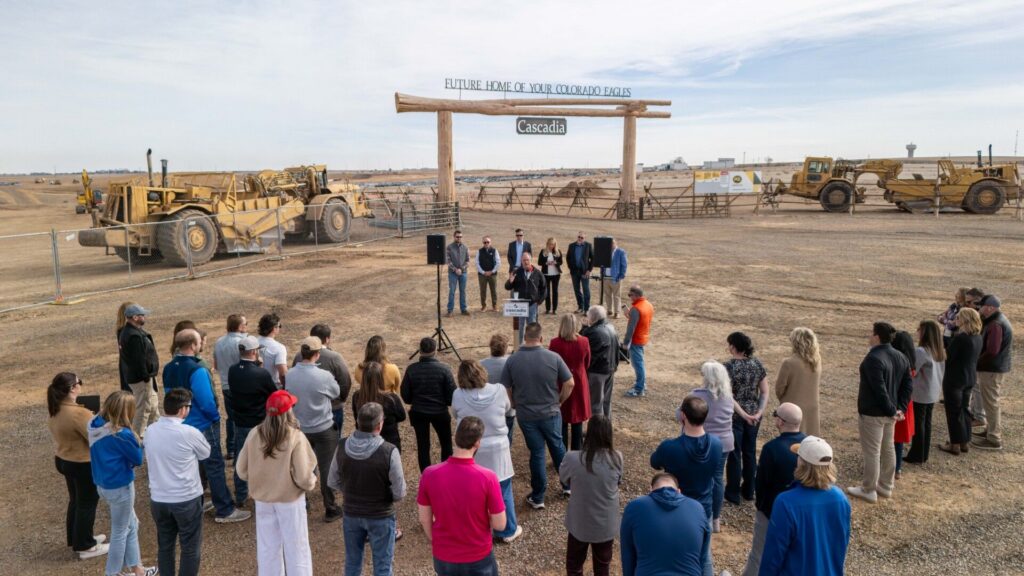
Greeley voters to decide fate of project that includes minor league hockey arena
Hap Fry, Special to The Gazette
hap-fry@gazette.com
Updated 14 hours ago
GREELEY • The fate of the Cascadia development — and quite possibly the future direction of the city — is in the hands of Greeley voters this Tuesday during a special city election on whether the landscape-altering project should be...

Colorado Politics Calendar Feb. 23-Mar. 1
Rachael Wright, Special to Colorado Politics
rachael.wright@coloradopolitics.com
Updated 4 days ago
CoPo’s weekly political calendar helps you find political and public policy events throughout Colorado. It includes candidate and issue campaign events, public policy meetings, court hearings, state and local party conventions, assemblies, debates, rallies, parades, speaking engagements, traveling dignitary appearances,...
Meeker rancher leads one of Colorado’s earliest attempts to transfer federal lands | A LOOK BACK
Rachael Wright, Special to Colorado Politics
rachael.wright@coloradopolitics.com
Updated 3 days ago
Forty-Five Years Ago This Week: Former state Rep. Nick Theos, R-Meeker, was one of several people testifying before the Senate Agriculture Committee on Senate Bill 81-170, which would transfer ownership of public lands from the federal government to state control....
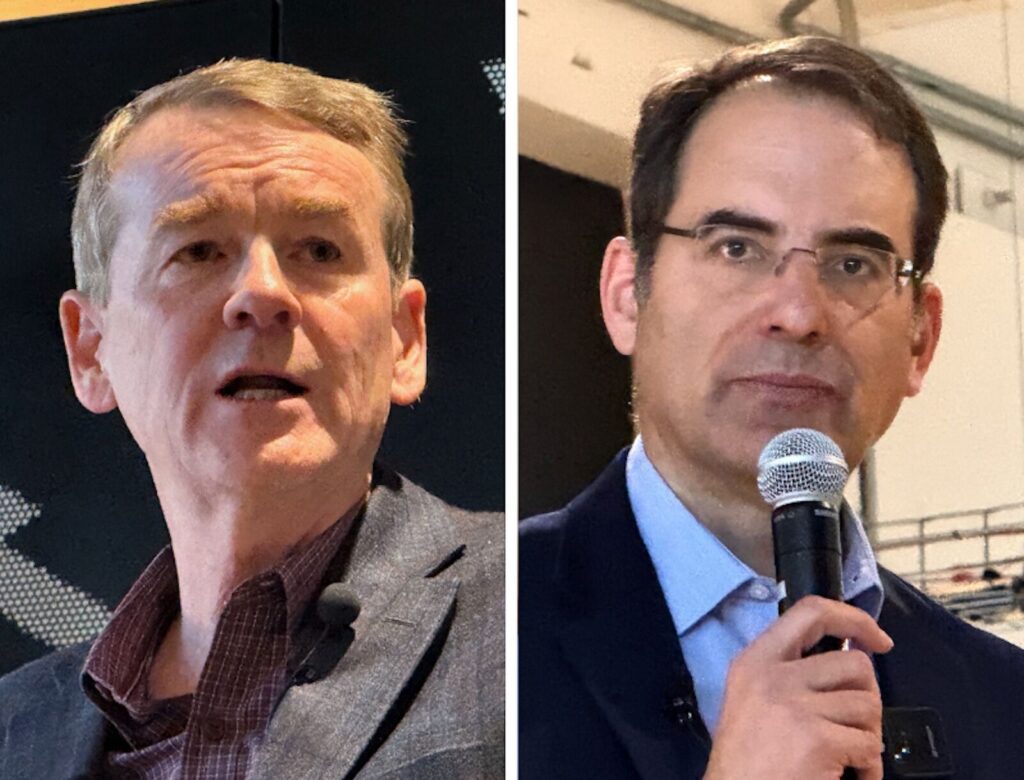
Democrats Michael Bennet, Phil Weiser make their cases to be Colorado’s next governor ahead of primary
Ernest Luning
ernest.luning@coloradopolitics.com
Updated 2 days ago
Nearly eight months before ballots will be counted in Colorado’s race for the its open gubernatorial seat, voters are lining up behind two of the state’s leading Democrats, who are facing off in a primary that will likely determine which...
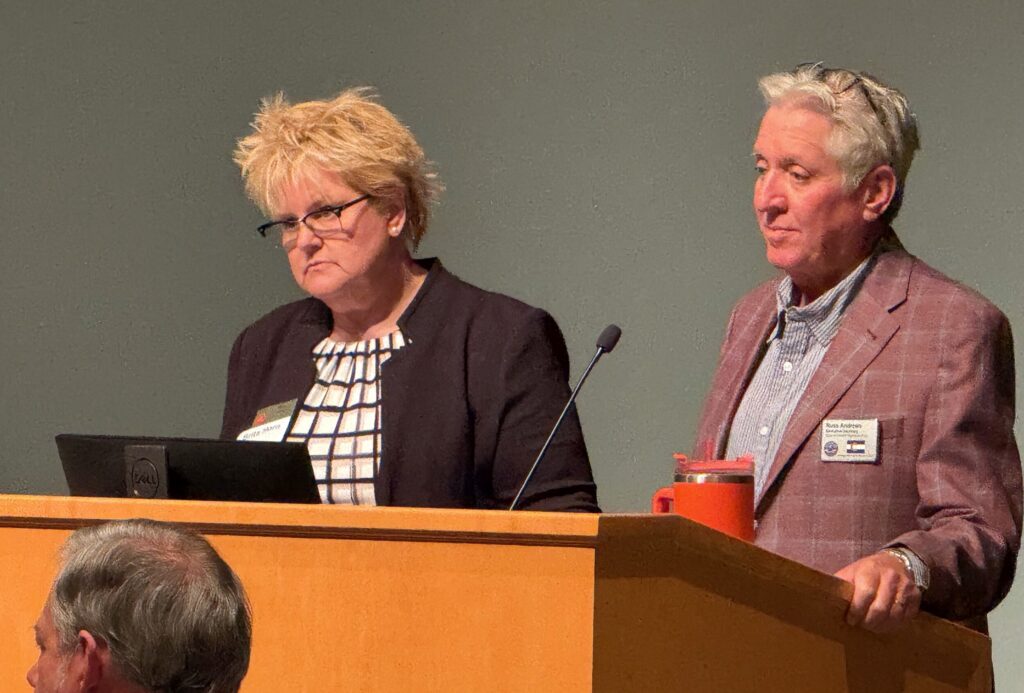
Colorado GOP officers set competing meetings to hold ‘no-confidence’ votes on state chair Brita Horn
Ernest Luning
ernest.luning@coloradopolitics.com
Updated 1 day ago
Once again, members of the Colorado Republican Party’s central committee have scheduled separate, competing meetings to consider whether the state GOP’s governing body supports its chair, but this time neither meeting will be held under a bridge. State GOP Chair...
Colorado Democratic candidate submitted 1,600 signatures — only 29 were valid
Marianne Goodland
marianne.goodland@coloradopolitics.com
Updated 10 hours ago
When he turned in some 1,600 signatures last month, Eric Nelson said it demonstrated “strong grassroots support from voters” across the district and a “growing momentum” for his “inclusive, community-centered leadership.” On Thursday, the Secretary of State rejected Nelson’s petition...
PREV
PREVIOUS

Calendar Dec. 15-21
CoPo’s weekly political calendar will help you find political and public-policy events throughout Colorado. It includes candidate and issue campaign events, public policy meetings, court hearings, state and local party conventions, assemblies, debates, rallies, parades, speaking engagements, traveling dignitary appearances, water meetings, book signings, county commission hearings, city council meetings and more. As a subscriber, […]

Suddenly, Colorado has a private school choice program │ Vince Bzdek
By Vince Bzdek When I was a kid going to St. John’s Catholic grade school in Denver, I remember asking my mom if she and dad minded paying taxes for public schools since all her kids attended Catholic ones. We don’t mind, she told me. It’s our choice to send you to St. John’s for […]