

Colorado judicial conference features legal, security updates and appearance by ex-Cabinet secretary
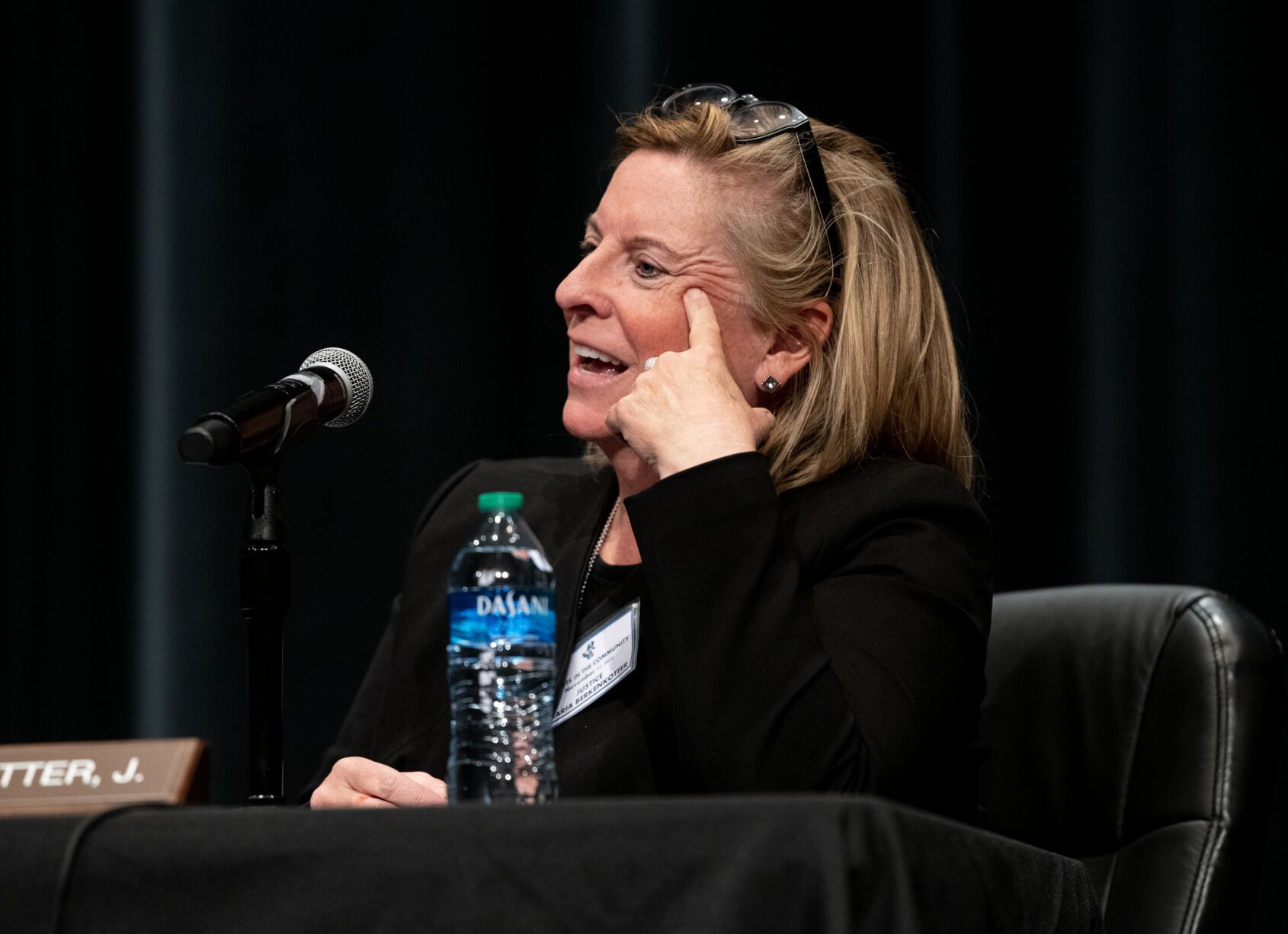
The annual conference for Colorado’s judicial branch featured legal updates, trainings and an appearance by former U.S. Secretary of Defense Leon Panetta, revolving around the theme of “Justice for All: Judging with Integrity in a Divided Climate.”
“We make a point of making sure that when we have attorneys teaching these classes, we have attorneys from both sides. I say that because non-lawyers, non-judges have asked me about that. ‘How can you be fair?’” said Justice Maria E. Berkenkotter, who led the planning committee for the 2025 conference. “We spend a lot of time trying to have that balance.”
The annual event at The Hythe luxury resort in Vail took place from Sept. 13 to Sept. 17. Although the judicial branch did not permit the media to attend, Berkenkotter agreed to speak with Colorado Politics.
This was the first year that Berkenkotter, who joined the Colorado Supreme Court in 2021, planned the conference. She said 467 people registered for the event, and a team of judges from diverse jurisdictions, magistrates and administrative staff were among those involved with the organizing.
In her prior career as a Boulder County trial judge, Berkenkotter said the portions of the annual event she found most useful were, “this will sound corny, but … all of it.”
“Basically, if you think about the fact that there are more than 1,400 or 1,500 Court of Appeals opinions that come out” annually, she said, “there’s no way the trial judges can absorb all that.”
Berkenkotter and Chief Justice Monica M. Márquez interviewed Panetta, whose time in government has included leading the Defense Department and Central Intelligence Agency during the Obama administration, being the chief of staff to President Bill Clinton and serving as a Democratic U.S. House member from California.
“He spoke, basically, about leadership, about integrity, about service, and connected those ideas up to the work we do in the judicial branch,” said Berkenkotter, adding that Panetta’s discussion was “probably one of the most popular talks.”
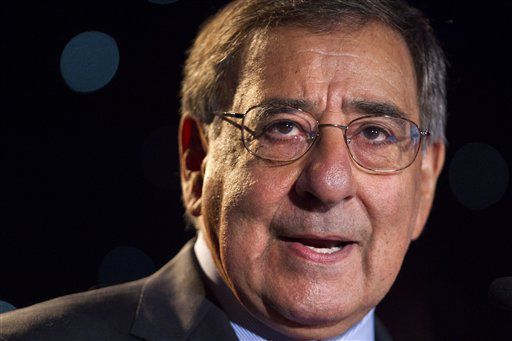
“We wanted somebody who, I think, would be both inspiring and energizing and who could speak to the importance of leadership and service. Those are things that really resonate with our audience,” she said.
Although the discussion touched on judges’ role as “the guardians of the rule of law,” Berkenkotter said there was no specific mention of the wave of legal challenges arising from the executive branch’s actions this year.
“What’s important to recognize is not just the last part (of the conference theme), which is ‘judging with integrity in a divided climate,’ but the ‘justice for all.’ And getting judges to think about our role as neutrals, our role in getting people to focus on that,” she said. “It’s not our job to have an agenda. It’s not our job to be political. There are people who are not gonna believe that, and there’s not a whole lot we can do necessarily about that, other than to show up every day and do good work.”
The conference featured updates in civil and criminal law, and UC Berkeley Law Dean Erwin Chemerinsky appeared remotely to give an update on the U.S. Supreme Court. Three trial judges spoke about handling high-profile cases, such as the defendant found guilty of murdering 10 people in a Boulder supermarket or the criminal trial of convicted Mesa County clerk Tina Peters.
The judicial branch’s administrator of security gave an update because judicial security is “top of mind” for the chief justice and the whole Supreme Court, said Berkenkotter. Weeks ago, Márquez spoke on a virtual panel about how the justices and their families were targeted for threats, harassment and “swatting” after a high-profile decision against then-presidential candidate Donald Trump in 2023.
While Berkenkotter did not describe the specific information provided to judges, “I can say one additional tool has been added in the past year and I think everyone is deeply appreciative for that,” she said.
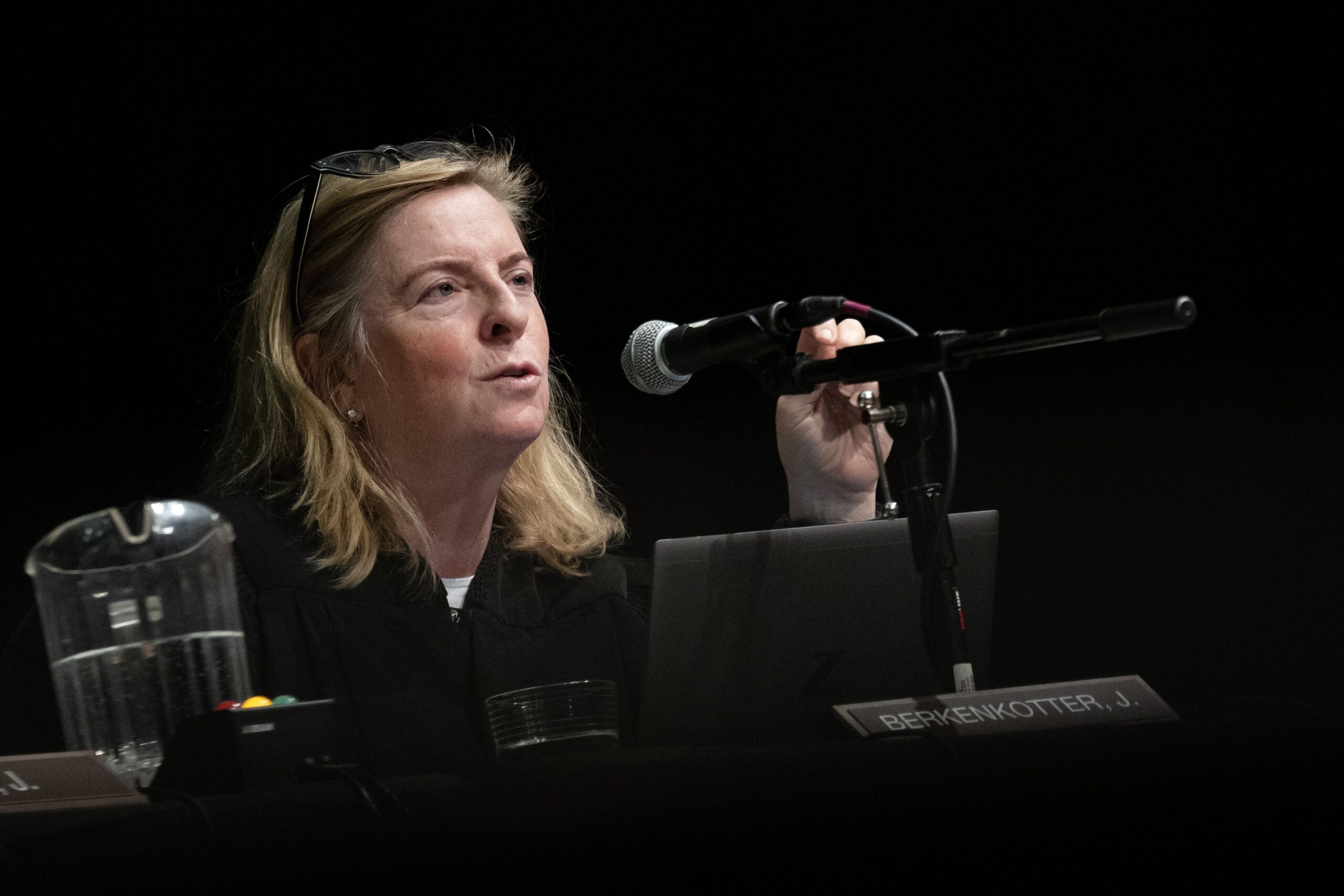
Berkenkotter led a meeting with the state’s water judges, who are district judges with dockets that include water law cases. She also provided an update about artificial intelligence — a subject on which Berkenkotter, Court of Appeals Judge Lino S. Lipinsky de Orlov and U.S. Magistrate Judge Maritza Dominguez Braswell frequently speak.
“We spent more time this time talking about agentic AI,” said Berkenkotter, referring to tools that can perform multi-step tasks like responding to emails or booking reservations. “You basically put in the prompts and you’re done in a matter of moments.
“There are fascinating legal questions around all that because if something goes wrong … who’s on the hook? Who’s liable? You can’t say the tool — or maybe can you?” she said.
Also, Berkenkotter discussed “the thing that happened this summer that I have been worrying about happening: There are now three court decisions (nationwide) in which judges have used hallucinated materials,” meaning AI-generated quotes or citations that are not real.


‘Utterly no precedent’: Federal judge expresses concerns about Jeffco’s early appeal in jail death case
Michael Karlik
michael.karlik@coloradopolitics.com
Updated 47 minutes ago
A federal judge shared his concerns on Monday about Jefferson County’s appeal of a routine procedural order in a constitutional rights case, which the plaintiffs argued could spawn appeal-related delays in countless lawsuits against the government. During a hearing, U.S....

Justice Hart’s absence continues, state Supreme Court hears oral arguments | COURT CRAWL
Michael Karlik
michael.karlik@coloradopolitics.com
Updated 3 hours ago
Welcome to Court Crawl, Colorado Politics’ roundup of news from the third branch of government. One member of the Colorado Supreme Court remains on an unusual leave of absence, plus the court heard oral arguments in eight more cases last...

Suspect in 5-person fatal crash near Franktown faced dozen previous criminal charges, including assault
Sage Kelley
sage.kelley@denvergazette.com
Updated 7 hours ago
The man accused of carjacking a vehicle from a Regional Transportation District station, then crashing into a family of five and causing five deaths — including his own — has been identified. The Denver Gazette confirmed with multiple sources that...
Colorado Supreme Court to examine whether corporations can be liable for ‘felonious killing’
Michael Karlik
michael.karlik@coloradopolitics.com
Updated 1 day ago
The Colorado Supreme Court recently announced that it will determine whether corporations can be liable for a “felonious killing,” meaning there is no limit to the damages they might pay for pain and suffering after causing a wrongful death. At...
Panel member ejected from one judge’s discipline case, as second judge challenges protocols in his proceeding
Michael Karlik
michael.karlik@coloradopolitics.com
Updated 3 days ago
One member of a panel adjudicating the misconduct allegations against a county court judge has been replaced due to her alleged non-responsiveness, at the same time a different county court judge is objecting to the intended protocols in his own...
Colorado justices ponder scope of law curbing insurers’ ability to allege failure to cooperate
Michael Karlik
michael.karlik@coloradopolitics.com
Updated 5 days ago
Members of the Colorado Supreme Court pondered a question last week that could have sweeping ramifications for those making insurance claims: When the legislature required insurance companies to take certain steps before accusing policyholders of failing to cooperate in an...

Aurora court to hold warrant amnesty week for non-violent offenders
Kyla Pearce
kyla.pearce@gazette.com
Updated 5 days ago
Aurora court officials are holding Fresh Start Week at the beginning of December, when people with certain non-violent active warrants can get them cleared without arrest by showing up at walk-in court. Aurora Fresh Start Week will happen from Dec....
Colorado justices ponder ‘gotcha’ for defendant after messy process impacted mental health evidence
Michael Karlik
michael.karlik@coloradopolitics.com
Updated 5 days ago
Some members of the Colorado Supreme Court were uncomfortable last week with letting a defendant’s murder conviction stand after a series of missteps resulted in a trial judge blocking jurors from hearing an expert’s assessment of the defendant’s mental health....
Federal judge orders immigration agents to follow law on warrantless arrests, imposes requirements on ICE
Michael Karlik
michael.karlik@coloradopolitics.com
Updated 6 days ago
A federal judge on Tuesday ordered the government to follow the legal requirements for warrantless immigration arrests, finding a practice of agents in Colorado taking noncitizens into custody without evaluating the likelihood they are a flight risk. In a Nov....
Appeals court, for third time, confirms new trial necessary for Alamosa County judge’s public trial violation
Michael Karlik
michael.karlik@coloradopolitics.com
Updated 6 days ago
Colorado’s second-highest court confirmed for the third time last week that an Alamosa County judge violated a defendant’s constitutional right to a public trial, which requires the reversal of his convictions. The unusual number of opinions in Gilberto Andres Montoya’s...
PREV
PREVIOUS

Colorado extends tax deadlines for entities affected by floods
Colorado’s revenue department is extending state income and sales tax filing deadlines for people and businesses affected by the recent flooding in the southwestern part of the state. Over the weekend, Gov. Jared Polis issued a disaster declaration for the floods, which were brought on by heavy rainfall due to tropical storm Priscilla, in La […]

Democrats retreat in Vail raises intraparty eyebrows
A group of Democratic state legislators headed to Vail during the Oct. 4 weekend for an “opportunity caucus” retreat that also included lobbyists, raising a host of questions, including who paid for the getaway and whether the policymakers discussed the legislative business away from the public eye. The “opportunity” caucus rejected the latter insinuation, stating […]