

Lakewood City Council approves reconfiguring of single-family zoning

The controversial section of Lakewood’s new proposed planning document that aims to add more affordable housing to the city was approved Monday evening.
The Lakewood City Council approved an amended version of Article 3 of the city’s 2026 zoning code proposal — a 400-page planning document covering residential, commercial and mixed-use site design standards, parking and historic preservation.
The ordinance passed 9-2, with councilmembers David Rein and Paula Nystrom being the two “no” votes.
The article drew ire throughout the community, and it ultimately erased the use of the term single-family zoning, allowing for multi-family homes — like duplexes and condos — to be built in residential areas citywide. The change is aimed at boosting affordable housing, according to the council.
Since the council began discussing the proposal in March, countless residents spoke at different public meetings, with a nearly even split of voices for and against.
Though the council split up the ordinances into different meetings and votes, every public meeting regarding the proposal has involved people speaking for or against the introduction of more affordable housing in formerly single-family areas.
The previous meeting on Sept. 8 stretched for nearly 8 hours.
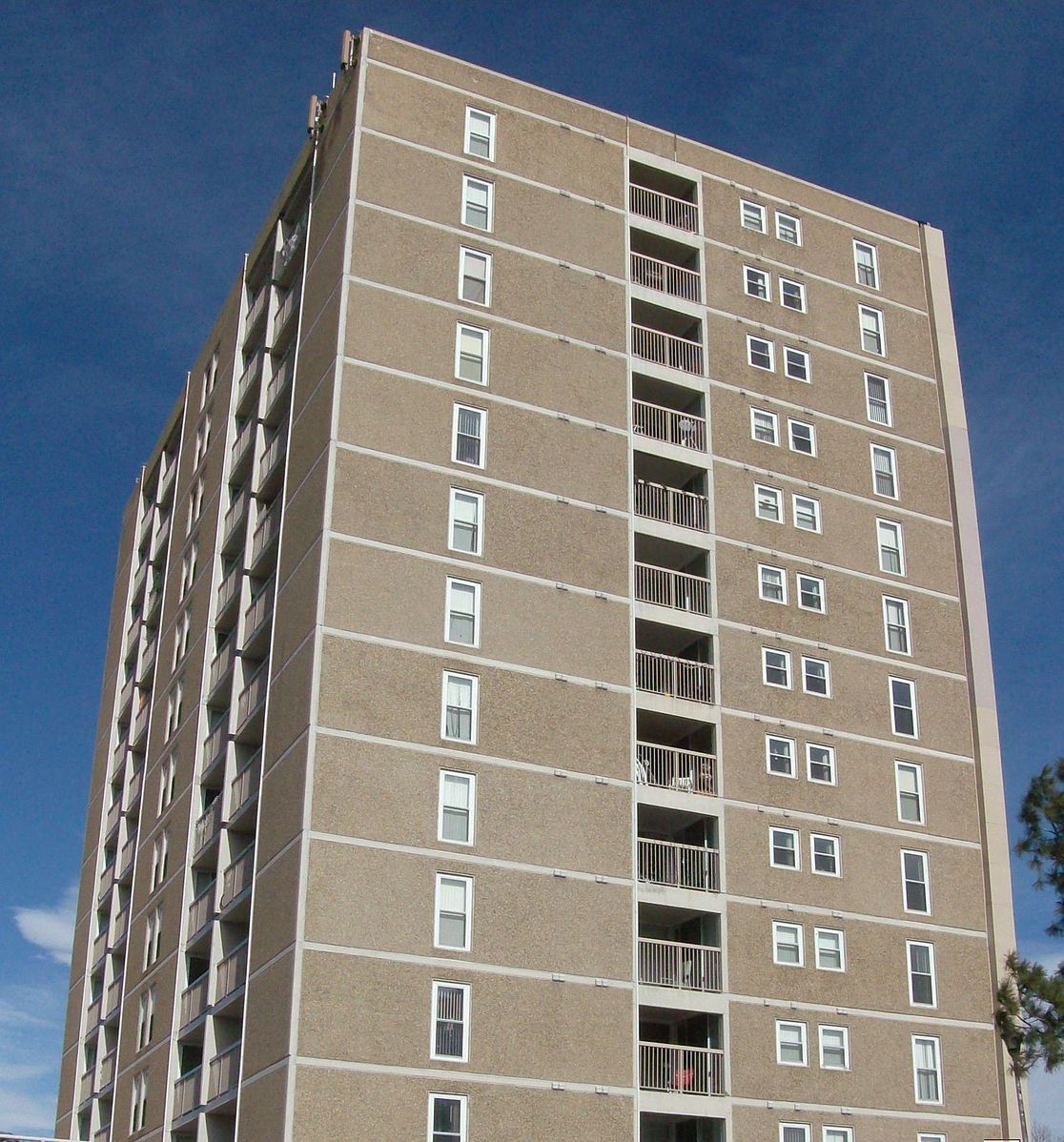
“Homeownership is out of reach for many buyers right now,” Lakewood Realtor Malisa Eakins said. “Filling the missing middle through adding diversity through these additional housing types is critical.”
Eakins added that she’s “confident that these updates will unlock the promise of homeownership” for those who “want to call Lakewood their home.”
But many longtime residents expressed concern over the impacts of population density and parking access in residential neighborhoods.
The proposal creates new zoning districts, including low-form residential and mid-form residential, but will not affect homes already in the former single-family districts.
Low-form residential will include single-family homes and small-scale attached and detached housing to “support compact, walkable neighborhoods with a range of housing options,” according to the proposal.
Mid-form will include medium-density housing and multi-family buildings.
The proposal will also reduce minimum lot size rules to allow for more affordable homes to be built.
Changes to the zoning mostly fall in line with new state law requirements, like House Bill 24-1152, which requires Colorado cities to allow 500 to 750-square-foot accessory dwelling units wherever single-family homes are allowed.
“I have yet to see a bulldozer. No single-family homes are being destroyed. We are not in a warzone, like it sounds like,” Amber Varwig said during public comments. “We’re going to lose our seniors and our kids because we don’t have the housing that they need to survive here.”
Still, some residents are concerned about the jargon used throughout the plan, potentially giving uncurbed power to the planning director.
One example, discussed by both the council and public speakers, regarded planned development districts.
Though the city has not created a new planned development district in 14 years, the new code states that the director may reduce the required minimum size of the district from five acres if it “is determined that the proposed district will still meet the intent of the planned development zone identified.”
“This opens the door for small, isolated projects that could drastically change the character of a neighborhood. It puts an immense amount of unchecked power into the hands of a single, unelected person,” resident Bonnie Nguyen said, adding that the whole code document is riddled with loopholes and too many decisions that could be made behind closed doors.
Councilmember Ken Cruz raised an amendment to get rid of this line. It was approved 10-1.
“We consciously very much limited any discretion,” Planning Director Travis Parker said. “There are very few decisions that can be made by staff or the director. The entire code is meant to be standards that are either met or not met.”
Another concern raised was whether existing infrastructure in the city could handle an influx in residents due to more affordable housing.
“Overwhelmingly, the feedback I’ve heard from people is we don’t have the infrastructure to support what’s been proposed,” Councilmember Paula Nystrom said.
The Green Mountain Water and Sanitation District (GMWSD) — who provides water and sewer service to around 48,000 people in west Lakewood — sent a letter to the city on Aug. 22, asking the City of Lakewood to pause its significant zoning change proposal due to potential strain on district pipes.
“Decades of water conservation efforts have led to a hardened system — there is very little room to eliminate watering one yard and repurpose that water for multiple toilets and showers instead,” GMWSD President Karen Morgan said in the letter.
Nystrom questioned whether the city has done enough research regarding water.
“My concern is we haven’t done this yet and yet we’re ready to pass zoning changes that could definitely impact our ability to supply enough water to the people who are already here,” she said.
Parker said that the city has a comfort level with the new development and existing water infrastructure, adding that more people are already moving to the city without the zoning changes.
Regardless, the article, as it currently stands, passed, leaving just the overview of the zoning map to be voted on next month. A meeting regarding the map is currently scheduled for Oct. 13.
The council initially agreed to break the proposal up into sections to make the public comment process more efficient, with the goal to approve the entire zoning plan before the Nov. 4 council election.
“I am for finishing our very important homework on this with this current council of folks who have been studying this for two years and not kicking this to folks that just got elected,” Councilmember Roger Low said in August.
Some residents question why the council aimed to make sure the proposal was approved prior to the elections, though.
Nguyen told the council Monday that rushing the vote and not putting it on the ballot is “fundamentally undemocratic.”
“Lakewood is a community-first city, not a developer-first city,” she concluded.
Editor’s note: This story has been updated to reflect that while the proposed zoning code does eliminate any usage of the term “single-family housing,” there are no single-family only zoning districts in the existing code, according to the city. Some residential zoning districts with single-family homes already allow for uses like duplexes, group homes and accessory dwellings.

Colorado lawmaker, House leaders named in workplace-retaliation lawsuit
Marianne Goodland
marianne.goodland@coloradopolitics.com
Updated 2 hours ago
A former legislative aide has filed a lawsuit alleging she was mistreated, illegally directed to perform campaign work and harmed by a House leadership structure she says was fragmented, politicized and ineffective at protecting employees. The lawsuit, filed by Jennifer...

Nevada sues Trump administration over Colorado River cuts
Marianne Goodland
marianne.goodland@coloradopolitics.com
Updated 17 hours ago
On Monday, the state of Nevada filed a lawsuit against the Trump administration and Interior Secretary Doug Burgum, seeking to block the Colorado River management plan. On Friday, Burgum released a “record of decision” that would reduce water allocations to...

Polis requests federal disaster declaration for Colorado wildfires and floods
9News
9news@coloradopolitics.com
Updated 21 hours ago
On Sunday, Gov. Jared Polis officially requested a Major Disaster Declaration from President Donald Trump and the Federal Emergency Management Agency to support recovery from two wildfires and the subsequent flooding and debris flows on both burn scars. Polis requested a declaration...
Castle Pines to hear annexation policy following moratorium on new requests
Nicholas Fogleman
nicholas.fogleman@denvergazette.com
Updated 1 day ago
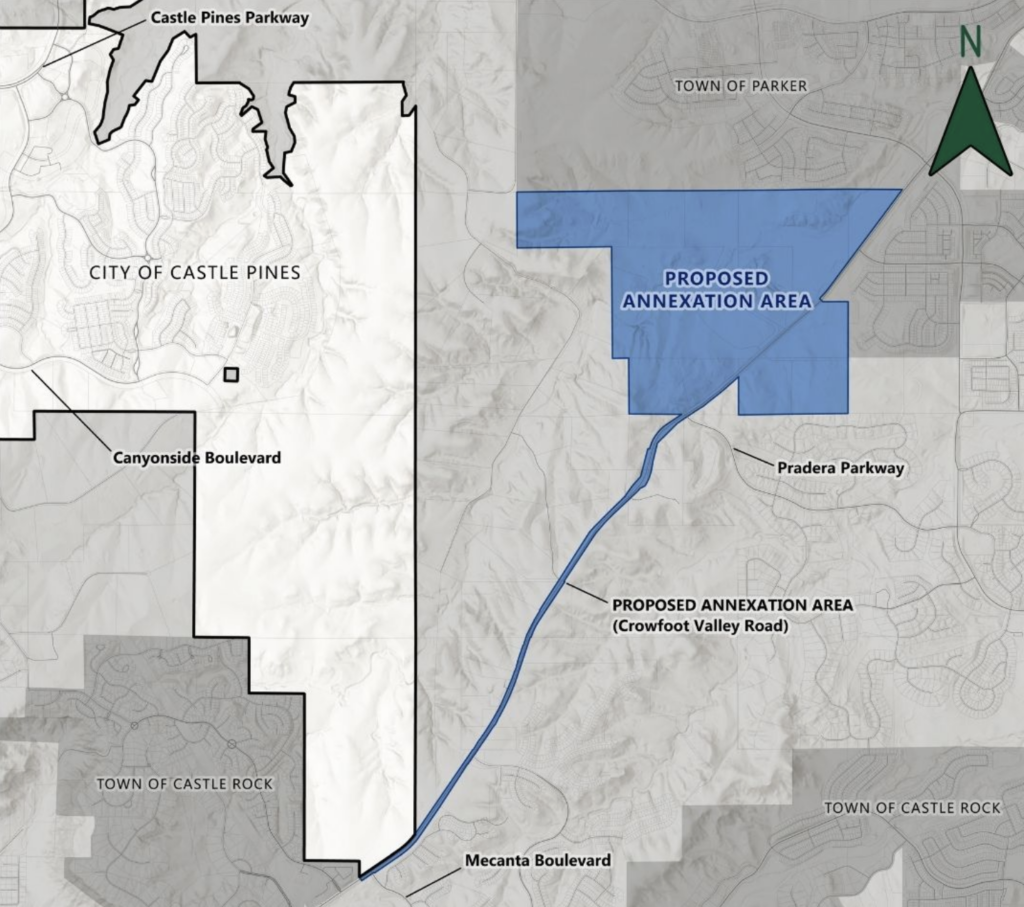
The Castle Pines City Council is set to consider a proposed annexation policy Tuesday that would establish the city’s first formal framework for reviewing future annexation requests. The policy emerged after the Crowsnest annexation proposal prompted significant public debate and...

Aurora lawmakers to discuss first of new data center regulations
Kyla Pearce
kyla.pearce@gazette.com
Updated 1 day ago
Aurora’s lawmakers will discuss the specifics of data center regulations Monday night, specifically focusing on an evaporative cooling ban and zoning changes. At the last council meeting, council members approved a resolution directing city management to update data center development...

Why local police departments are left to grapple with electric vehicle trends
Nicholas Fogleman
nicholas.fogleman@denvergazette.com
Updated 1 day ago
Littleton officials are weighing new regulations for electric bicycles as cities and counties across the metro Denver area increasingly grapple with safety concerns involving e-bikes, electric motorcycles and other motorized vehicles that often fall into gray areas of Colorado law....
Democratic candidate in Colorado’s 4th CD urges long-term water planning
Marianne Goodland
marianne.goodland@coloradopolitics.com
Updated 3 days ago
The Democrat hoping to become the next representative of Colorado’s 4th Congressional District on Thursday made her case on the final day of Colorado Water Congress in Steamboat Springs. Eileen Laubacher, who spent 34 years in the U.S. Navy and...

Castle Rock council declines to censure member accused of misconduct
Nicholas Fogleman
nicholas.fogleman@denvergazette.com
Updated 4 days ago
A Castle Rock Town Council meeting Tuesday became consumed by allegations that a councilmember attempted to trade a town policy decision for the withdrawal of a recall effort against him. The allegations against Councilmember Mark Davis surfaced during public comment...

Judge grants partial injunction to GEO in fight against state health inspection law
Kyla Pearce
kyla.pearce@gazette.com
Updated 5 days ago
A judge ruled Thursday that The GEO Group does not have to follow parts of a new state law requiring more frequent health and safety inspections at the U.S. Immigration and Customs Enforcement processing center in Aurora. Under the order...

State Patrol reports 316 commercial vehicle distracted crashes in 2025
Scott Weiser
scott.weiser@gazette.com
Updated 1 day ago
Colorado State Patrol troopers investigated 316 commercial motor vehicle crashes involving distracted driving in 2025, the agency said Thursday. CSP said that crashes involving commercial motor vehicles, whether the truck is at fault or not, often produce devastating high-fatality and...
PREV
PREVIOUS

ACLU sues ICE over plans to expand agency’s detention capacity
The ACLU of Colorado filed a lawsuit Tuesday against Immigration and Customs Enforcement (ICE) seeking records on the government’s plans for expanding its detention capacity in the state. “Already, our previous requests and subsequent lawsuit have revealed how ICE may spend some of its record $45 billion budget intended for immigration detention,” said Tim Macdonald, ACLU […]

Colorado sports betting brings in big bucks for state water plan projects
Funding for the state’s 2015 water plan started as a trickle. But sports gaming revenue has now turned that trickle into a steady stream. The Colorado Division of Gaming announced this week that nearly $33.8 million from 2024-25 will be allocated to the Colorado Water Conservation Board to support the state’s water plan, with distribution to […]