

CBI scandal: Missy Woods arraignment delayed until late October
The legal case against Yvonne Woods, the former Colorado Bureau of Investigation DNA scientist at the heart of a scandal that has engulfed the agency, was delayed on Monday until late October due to the sheer volume of material.


Defense attorney Tom Ward asked to delay Woods’ arraignment for more than two months, citing nearly 50,000 pieces of evidence and information in the case that his team was still wading through.
Woods, who goes by the name Missy, was arrested on 102 felony charges after turning herself into authorities in January. She is accused of skipping steps and manipulating data in criminal cases for nearly 30 years during her time at the state crime lab.
CBI has acknowledged finding problems in 1,022 Colorado criminal cases so far, or roughly one-in-10 of the more than 10,780 cases she worked on.
Prosecutor Darren Kafka said his office would typically object to such a lengthy delay but acknowledged “exceptional circumstances.”
Jefferson County District Judge Andrew Poland granted the defense request and scheduled Woods’ arraignment for 1 p.m. Oct. 27.
Woods retired from CBI in November 2023 just prior to the scandal breaking. She was not fired and has retained her pension.
She was in the courtroom for the brief hearing on Monday but did not speak.
It has been a stunning fall from grace for a forensic scientist once considered the go-to DNA expert in Colorado and revered for her proficiency and productivity. She has testified in hundreds of trials about findings, often in cold cases where her analysis was key.
Nearly three years ago, in September 2023, it all began to unravel after an intern in the lab raised concerns about her work. Multiple investigations followed, both internally and externally.
During the agency’s internal investigation, Woods was vague with interviewers, not denying that she deleted data but rather that it might have happened as she rushed to keep her productivity high and move on to the next case.
Among the allegations in the January indictment are that Woods altered or failed to fully test samples. She is also alleged to have concluded there was no DNA found in sexual assault cases when, in fact, there was.
A sharply critical report about the culture and procedures at the CBI lab, released last month by an independent Wisconsin consulting firm, said that even when told of problems, past CBI leadership was slow and ineffective in its response.
Last year, the CBI internal investigation revealed that workers in the lab had alerted management about suspicions surrounding Woods’ work in both 2014 and 2018, but no concrete action was ever taken. The judicial system and the public were never told about those incidents.
The more recent external report from Forward Resolutions, who had been hired by CBI to review policies and lab procedures, concluded that, while Woods’ wrongdoing was at the heart of the scandal, also to blame was the lab’s past leadership that favored and rewarded speed and a “productivity-above all” mindset over “thoroughness and complexity.”
The full impact of the scandal and its fall-out may take years to untangle. But reverberations are already being felt.
Last year, three murder cases headed for trial were abruptly derailed and suspects were offered plea deals with lesser chargers and lighter sentences because of potentially compromised evidence at the CBI lab.
Also, Michael Clark, convicted of a cold case murder in Boulder and sentenced to life without parole, had his conviction vacated in April, after a retest of DNA evidence against him by an independent lab found different results and “statistically excluded him,” according to the Boulder County District Attorney’s office.
Clark was released from custody on bond after serving 12 years in prison for a crime he has long said he did not commit. The Boulder County District Attorney is expected to decide later this month whether to retry Clark.

Federal judge green-lights civil trial against ex-Fort Collins DUI officer
Michael Karlik
michael.karlik@coloradopolitics.com
Updated 1 day ago
A federal judge ruled on Thursday that Fort Collins’ former “DUI officer” will face a civil trial for allegedly investigating a motorist for impaired driving without any reasonable suspicion to do so. In recent years, several people arrested by Officer...

Colorado Supreme Court suspends Mesa County judge pending misconduct investigation
Michael Karlik
michael.karlik@coloradopolitics.com
Updated 3 hours ago
The Colorado Supreme Court suspended Mesa County Court Judge Michael J. Grattan on Thursday amid a misconduct investigation. The court’s Sept. 10 order gave Grattan 21 days to explain why his paid suspension should not continue through the end of...
Colorado Supreme Court changes course, dismisses case about special district bonds
Michael Karlik
michael.karlik@coloradopolitics.com
Updated 3 hours ago
The Colorado Supreme Court declined on Friday to decide a dispute between a large-scale Commerce City development and the various districts financing it, after initially showing interest in the ongoing case. Colorado has roughly 2,800 special districts, which are local...
10th Circuit tosses GEO Group’s pretrial appeal in human trafficking lawsuit
Michael Karlik
michael.karlik@coloradopolitics.com
Updated 2 days ago
The Denver-based federal appeals court dismissed an attempt by The GEO Group on Wednesday to appeal a trial judge’s non-existent decision two months before the company is scheduled to face a civil trial over alleged trafficking violations at the Aurora...
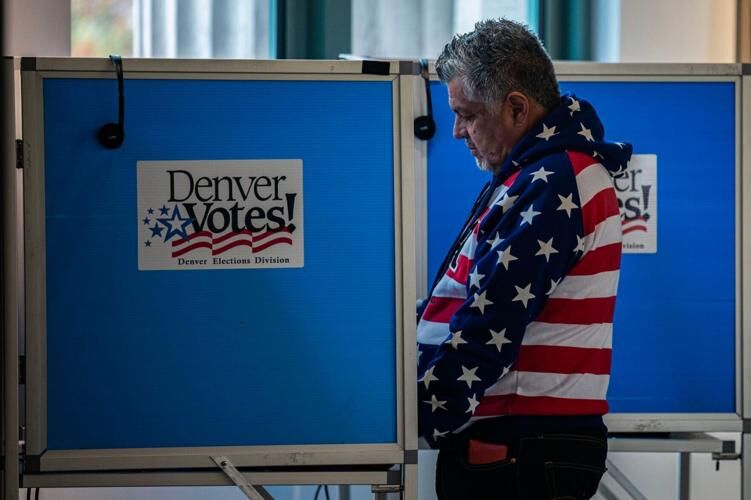
Denver sues Trump to block armed ICE agents from polling sites
Deborah Grigsby
deborah.smith@denvergazette.com
Updated 2 days ago
The city of Denver, along with several groups, sued the Trump administration Thursday, seeking to block U.S. Immigration and Customs Enforcement officers who are armed from polling sites during the upcoming midterm elections. In fact, there are no official orders...
Federal judge takes no action against ICE in Colorado after hearing about mistakes, not ‘blatant violations’
Michael Karlik
michael.karlik@coloradopolitics.com
Updated 38 minutes ago
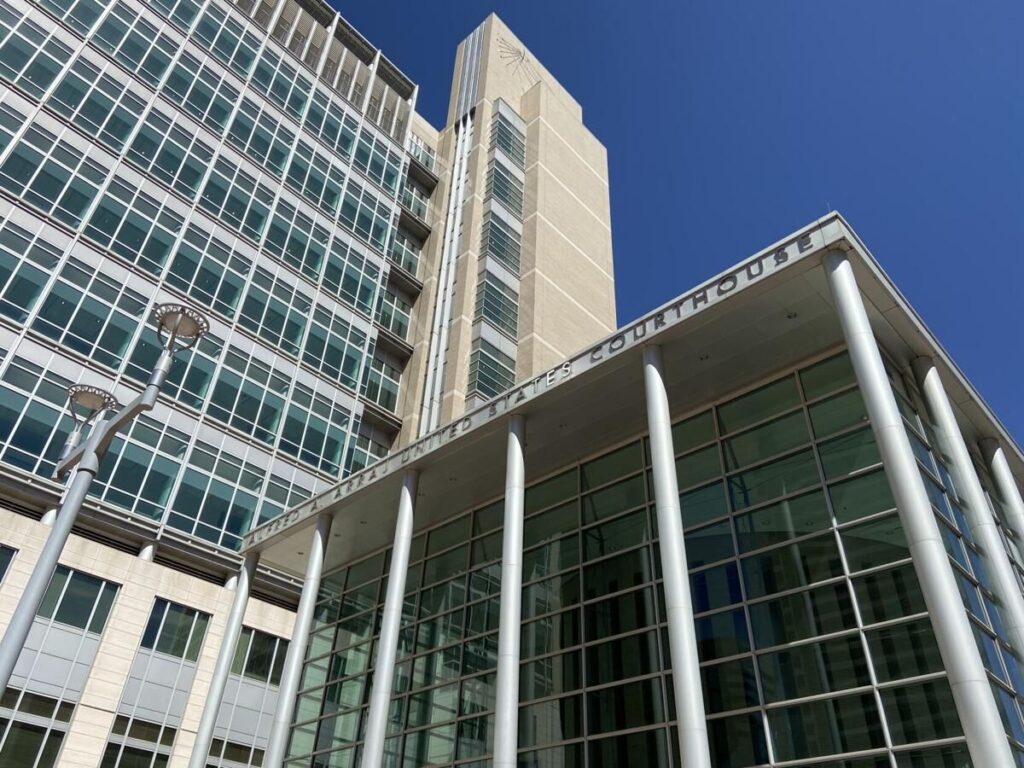
A federal judge declined to take action against U.S. Immigration and Customs Enforcement on Thursday after hearing that a pattern of alleged lawbreaking amounted to mistakes and a misunderstanding of the government’s position in court. For nearly a year, Colorado’s...
Colorado doctors, dentists challenge state law on gender‑transition services in new federal lawsuit
Marissa Ventrelli
marissa.ventrelli@coloradopolitics.com
Updated 20 hours ago
A group of Christian doctors and dentists has filed a federal lawsuit challenging a Colorado law they say requires them to provide gender‑transition services that conflict with their religious and ethical beliefs. The lawsuit, filed by the Christian Medical and...
Federal judge directs plaintiff to revise complaint alleging Denver officers’ constitutional violations
Michael Karlik
michael.karlik@coloradopolitics.com
Updated 23 minutes ago
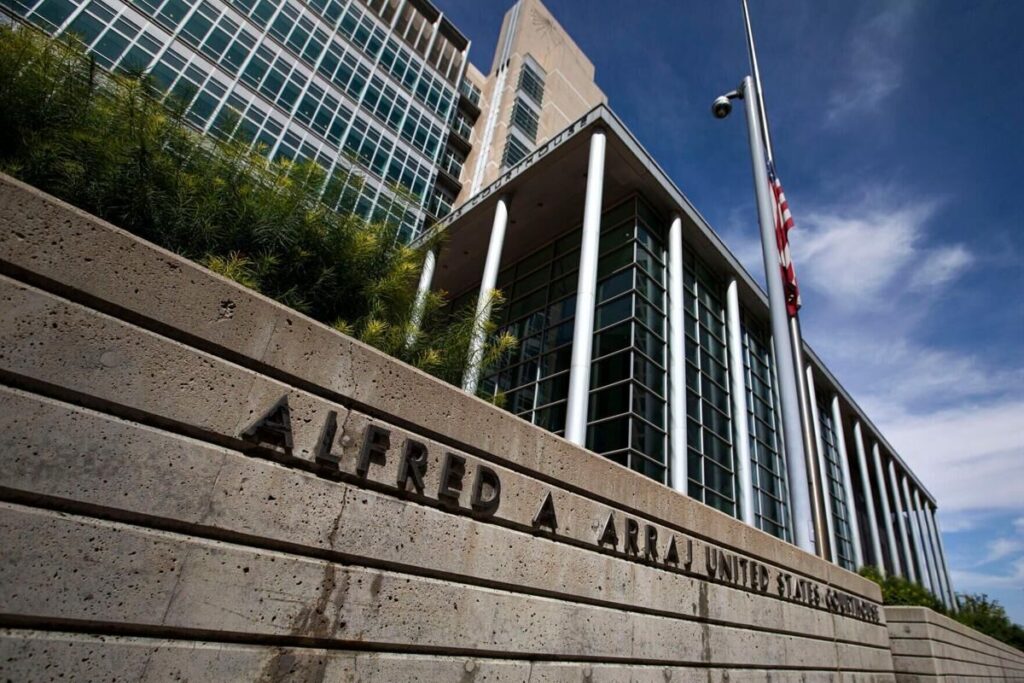
A federal judge directed a plaintiff to revise his allegations on Wednesday to more precisely state what two Denver officers and the city itself allegedly did to violate his constitutional rights by facilitating his prosecution for murder until prosecutors dropped...
Lawsuit challenges Douglas County commissioners’ ballot actions
Nicholas Fogleman
nicholas.fogleman@denvergazette.com
Updated 2 days ago
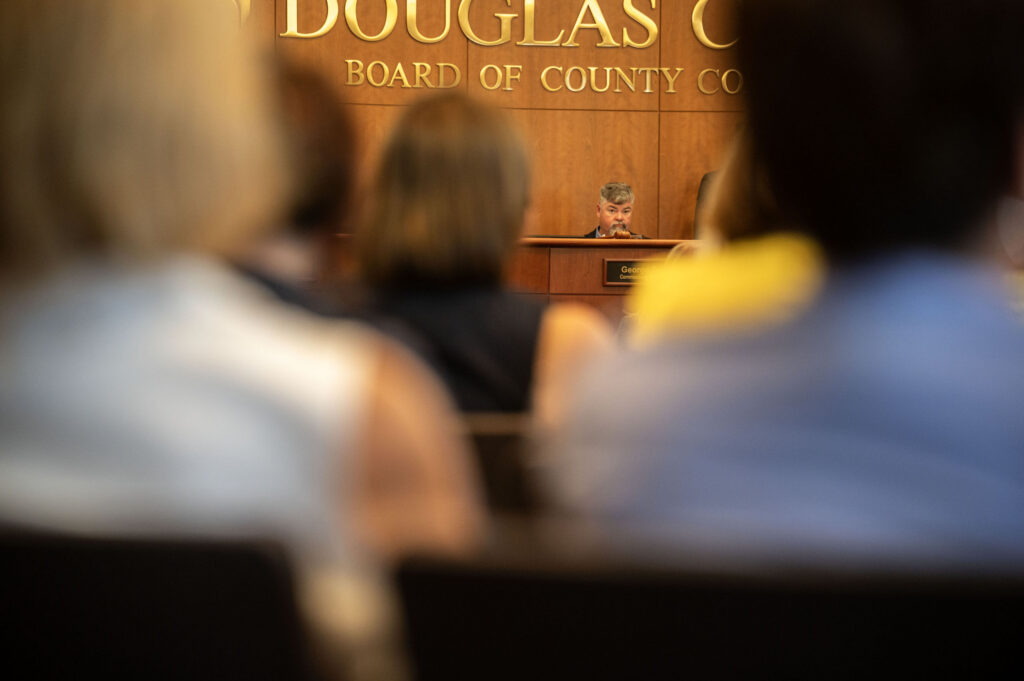
A new lawsuit against Douglas County commissioners seeks to invalidate the board’s intervention in efforts to expand the commission from three members to five and restore the original ballot language approved by more than 20,000 petition signers. The suit marks...
Federal judge explores new sanctions against ex-Colorado judicial discipline director
Michael Karlik
michael.karlik@coloradopolitics.com
Updated 3 hours ago
A federal judge on Wednesday directed Colorado’s former judicial discipline director, for the third time this year, to explain why she should not sanction him for his latest conduct in his litigation against the state’s judiciary. Christopher S.P. Gregory, who served...