

Colorado Behavioral Health Administration launches network of safety net services
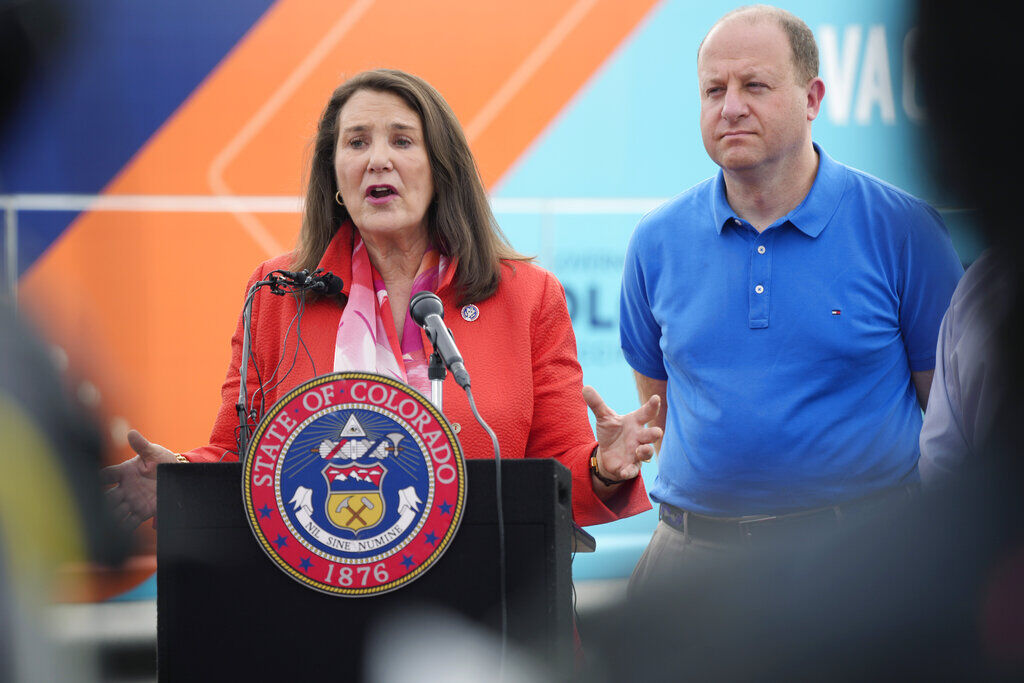
The Colorado Behavioral Health Administration on Wednesday celebrated the launch of a new network of safety net services.
The new network — called Colorado LIFTS or Linking Individuals and Families to Services — aims to streamline the process of finding care across the state.
LIFTS connects Coloradans directly to crisis, substance use and mental health providers all in one place, officials said.
Members of the behavioral health community gathered on the steps of the Capitol Wednesday for a fair, highlighting available services through the network.
“The new Colorado LIFTS network is really a big step towards making help more accessible and easy,” said Gov. Jared Polis
LIFTS, which is coordinated and funded through BHA service organizations, has 250 providers from across Colorado.
The behavioral agency anticipates that roughly 110,754 individuals in the state may require mental health services in 2025.
Previously, different behavioral health areas were separate, according to Kayla Martin, director of contracts and procurement for the state agency.
“Now, what the Colorado LIFTS network does is unifies all of behavioral health services under one spectrum,” she said.
Administration officials hope that, by funneling funds to local providers, it will reduce the administrative burden and make services more accessible for those in rural communities.
“We have statewide impact, but we’re located in Denver and mostly staffed by people who live in Denver. So, with the regional model, we have these vendors that have really close relationships in the communities,” said Martin.
Among the primary vendors in the network are Rocky Mountain Health Plans and Signal Behavioral Health Network.
“Far too long, navigating the behavioral health system has been a frustrating, even disheartening experience for people in Colorado in our most challenging moments,” said BHA Commissioner Dannette R. Smith. “Whether we are seeking support for ourselves or for someone we love, we should not have to struggle to contact to connect for care.”
According to Smith, the first year of the network’s operation will be about identifying gaps in the care system and working with partners to adapt over time.
“Over the next 10 years, with the support of our bosses, we aim to make this system and network so bold and robust that people in Colorado can reach out in their communities and touch the support they need, weaving into hospitals, if needed, schools, and, if involved, looking at the criminal justice system and beyond,” she said.
According to BHA officials, Colorado spends over $200 million per year on mental health, crisis support and substance use services.
Around 25% of that money comes from the federal government; the rest is from the state.


Colorado Politics Calendar July 27-Aug. 2
Rachael Wright, Special to Colorado Politics
rachael.wright@coloradopolitics.com
Updated 5 days ago
CoPo’s weekly political calendar will help you find political and public-policy events throughout Colorado. It includes candidate and issue campaign events, public policy meetings, court hearings, state and local party conventions, assemblies, debates, rallies, parades, speaking engagements, traveling dignitary appearances,...

The through line from Donald Trump to Victor Marx | SONDERMANN
By Eric Sondermann
by-eric-sondermann@coloradopolitics.com
Updated 5 days ago
Over 10 years ago, before Donald Trump could ever defeat Hillary Rodham Clinton, he had to first engineer a hostile takeover of the Republican Party. Prior to his descent of that golden escalator, the previous seven Republican presidential nominees had...

Colorado districts prepare for school year amid mental health cuts. But will less cellphone distractions help?
Marissa Ventrelli
marissa.ventrelli@coloradopolitics.com
Updated 3 days ago
The signs of a new school year are everywhere — buses in the shop, teachers unpacking boxes, families ticking through supply lists — but behind the familiar rituals, Colorado districts are preparing for a year defined less by routine than...
Armstrong staffer considers congressional bid, DeGette angers rural communities with wilderness act | A LOOK BACK
Rachael Wright, Special to Colorado Politics
rachael.wright@coloradopolitics.com
Updated 3 days ago
Forty-five years ago this week: If the lines were drawn just right, Republican Sen. Bill Armstrong stood the chance of losing his office manager, Ruth Fountain. Fountain admitted she was seriously thinking about running for Colorado’s new congressional seat in...
10th Circuit dismisses woman’s lawsuit following 10-year attempt to undo restraining order
Michael Karlik
michael.karlik@coloradopolitics.com
Updated 2 days ago
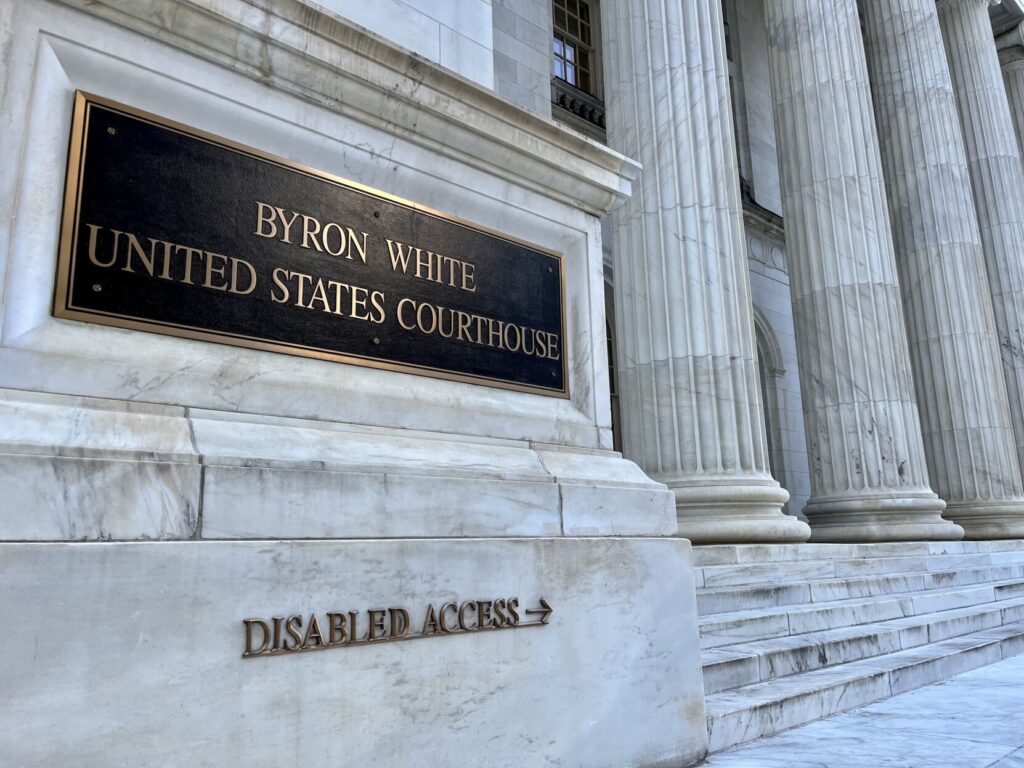
The Denver-based federal appeals court rejected a woman’s challenge on Friday to a restraining order imposed on her more than a decade ago, finding that she cannot credibly claim she will be prosecuted for violating the restraining order through her...
10th Circuit dismisses woman’s lawsuit following 10-year attempt to undo restraining order
Michael Karlik
michael.karlik@coloradopolitics.com
Updated 2 days ago
The Denver-based federal appeals court rejected a woman’s challenge on Friday to a restraining order imposed on her more than a decade ago, finding that she cannot credibly claim she will be prosecuted for violating the restraining order through her...
Surprise candidate Shimon Blau cleared to face off against Melat Kiros in November
Ernest Luning
ernest.luning@coloradopolitics.com
Updated 2 days ago
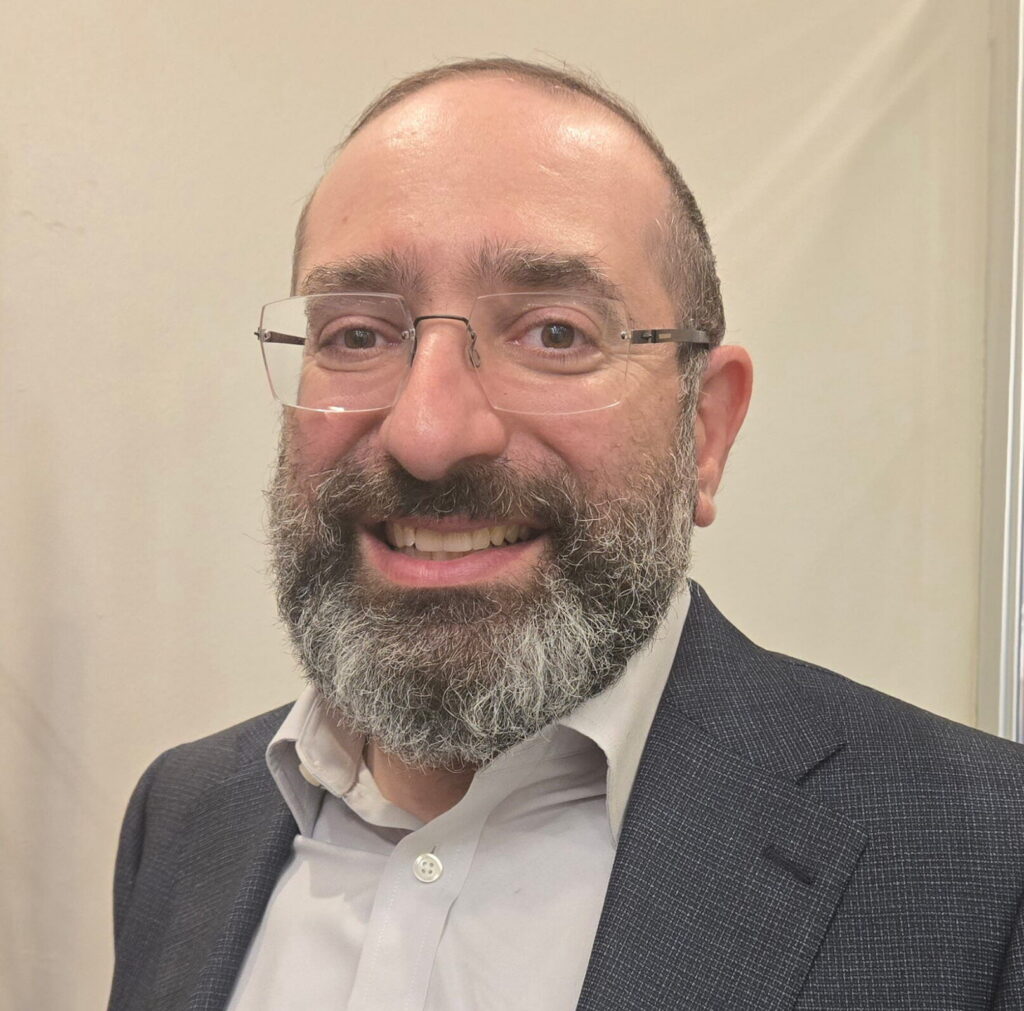
Unaffiliated congressional candidate Shimon Blau, a Denver doctor, has qualified by petition for the general election in Colorado’s 1st District, where Democrat Melat Kiros defeated 15-term U.S. Rep. Diana DeGette in last month’s primary, the Colorado Secretary of State’s Office...
Colorado produce not tied to nationwide cyclospora outbreak, agriculture officials say
Marissa Ventrelli
marissa.ventrelli@coloradopolitics.com
Updated 2 days ago
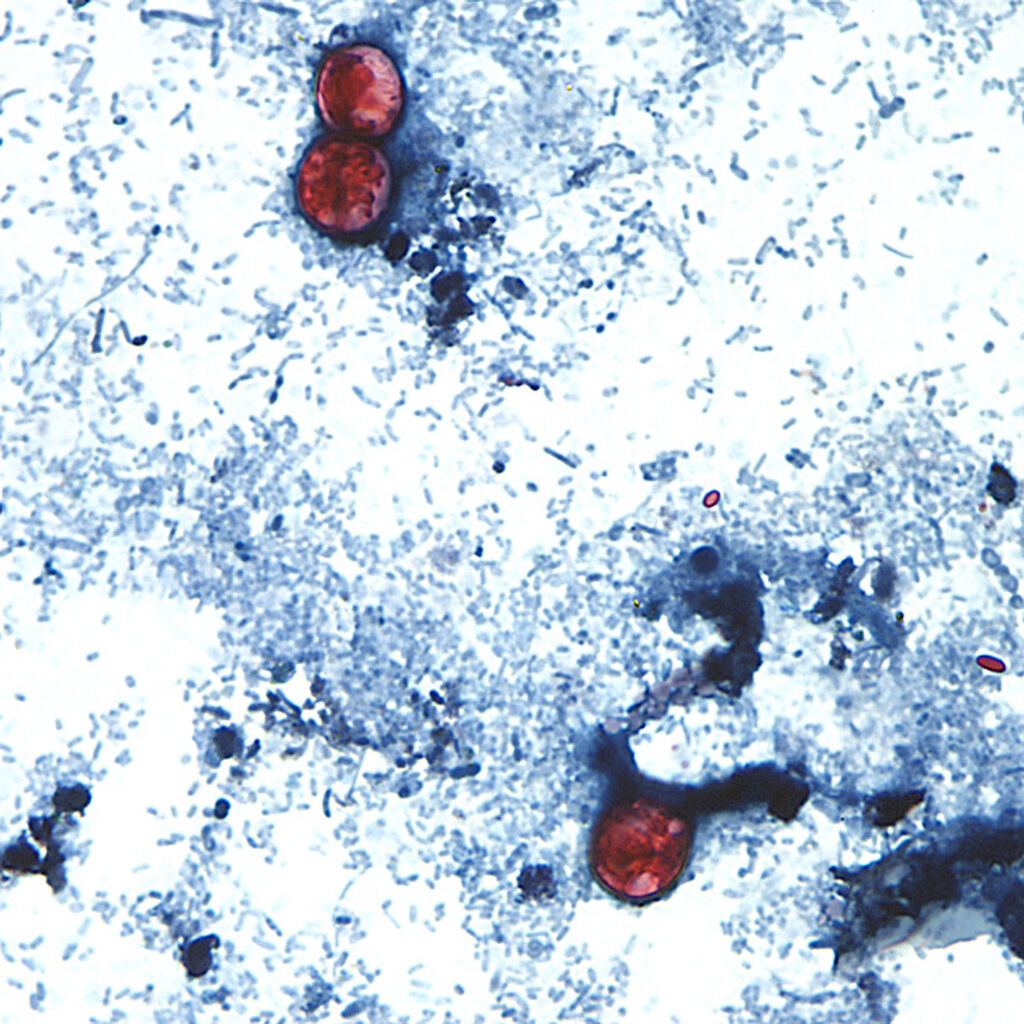
There is no indication that the recent outbreak of cyclospora, a fecal parasite that has contaminated food and water across nearly every state, can be linked to produce grown in Colorado, according to the state’s Department of Agriculture. “Colorado growers...

UNC opens College of Osteopathic Medicine
Marissa Ventrelli
marissa.ventrelli@coloradopolitics.com
Updated 2 days ago
The University of Northern Colorado held a grand opening for its new College of Osteopathic Medicine on Friday, with Gov. Jared Polis in attendance to celebrate the culmination of a two-year, $127.5 million project. The project was funded through legislation...
Colorado equal pay law does not require plaintiffs to allege gender-based retaliation, appeals court finds
Michael Karlik
michael.karlik@coloradopolitics.com
Updated 2 days ago
The 2019 Colorado law aimed at rooting out pay discrimination on the basis of sex does not require a plaintiff to allege their employer retaliated against them for sex- or gender-related reasons, the state’s second-highest court decided on Thursday. Lawmakers...