

Ted Cooke, former Central Arizona Project GM, named Bureau of Reclamation’s new leader
Ted Cooke, formerly general manager of the Central Arizona Project, has been chosen to lead the Bureau of Reclamation.
His nomination was announced Monday via a submission to the U.S. Senate Energy and Natural Resources Committee. No hearing dates have yet been scheduled for his nomination hearing, according to the committee’s website.
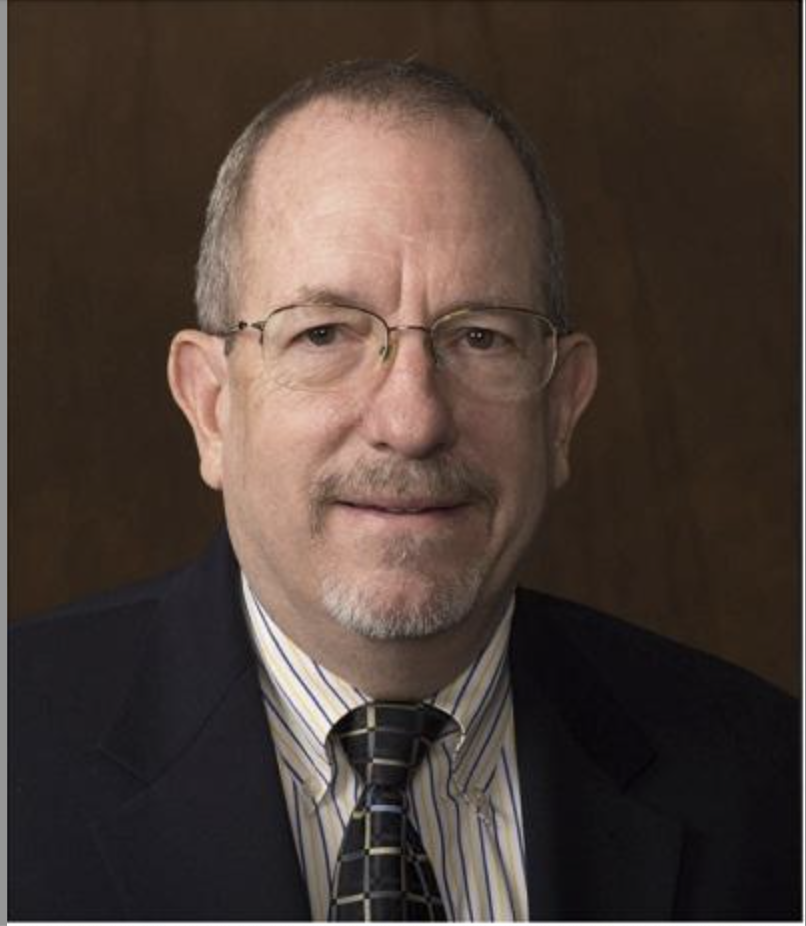
Ted Cooke, nominee to lead the Bureau of Reclamation. Courtesy Central Arizona Project.
Marianne Goodland marianne.goodland@coloradopolitics.com

Colorado Sen. John Hickenlooper is a member of that committee, along with six other senators representing the Colorado River basin states. That includes its chair, Sen. Mike Lee, R-Utah, and Democratic New Mexico Sen. Martin Heinrich, the ranking member, both of whom represent upper basin states.
The upper basin states are Wyoming, Utah, New Mexico, and Colorado; the lower basin states are Arizona, California, and Nevada. Arizona has the most junior water rights on the river.


Cooke is the only member of the three-person team that manages the Colorado River to come from the Colorado River basin states. That team includes the Secretary of the Interior, former North Dakota Gov. Doug Burghum, and Assistant Interior Secretary for Water and Science Andrea Travnicek, who served as Burghum’s director of that state’s Department of Water Resources.
Before Cooke’s appointment, concerns were already beginning to surface regarding the appointment of someone from the lower basin states to run the reclamation bureau.
The Arizona Republic reported a month ago that Tom Buschatzke, director of the Arizona Department of Water Resources, had said the Trump administration had been “more responsive” to Arizona’s concerns regarding the river.
Arizona has taken the brunt of cuts from the Colorado River over the past several years.
In 2022, the U.S. Department of the Interior indicated that it would develop its water conservation plans after the seven states that rely on the Colorado River failed to cooperate and propose a plan to reduce water usage by up to 4 million acre-feet.
This resulted in a cut to Arizona’s allocation from the river of 512,000 acre-feet in 2023, in addition to previous reductions to the state’s allocation.
Hardest hit by those reductions: the Central Arizona Project.
Anne Castle, the U.S. commissioner and chair of the Upper Colorado River Commission until last January, told Colorado Politics that, while there is trepidation in the upper basin states around a commissioner from the lower basin states, she has reasons to be optimistic.
“It is really important at this point in time to have a commissioner who’s familiar with the really complicated plumbing in the Colorado River Basin and the intricate interrelationships of interests in the basin,” Castle said Friday.
Cooke’s experience with the Central Arizona Project gives him that kind of experience, she said, pointing out that the last five reclamation commissioners have come from Colorado River basin states.
While she doesn’t know him well, she said she’s heard that Cooke is “measured and perceived as trustworthy, and that’s a strong recommendation.”
His experience with the Central Arizona Project and Arizona is going to be welcomed by the lower basin interests and representatives, Castle said. The CAP has been most vulnerable to reductions in lower basin water usage, and this is expected as part of any new operating regime.
The worry is that Cooke’s familiarity and loyalties might influence decisions on those post-2026 operations, according to Castle.
However, Castle also noted that there are numerous examples in the Colorado River basin of high-level decision-makers changing sides and becoming highly vocal and effective advocates for their new employers. That’s even happened with the CAP, she said.
‘Time will tell’
Cooke retired from CAP at the end of 2022. He was succeeded by Brenda Burman, who served as the Commissioner of Reclamation in the first Trump administration.
John Fleck at the University of New Mexico told Colorado Politics that he hopes Cooke takes the same approach to Reclamation that Burman did. He said that while he, too, doesn’t know Cooke well, he thought Burman “did an excellent job of setting aside parochial interests and managing the challenges” that the reclamation bureau had back then.
She didn’t “take the lower basin side,” Fleck said, and there were similar fears back then around her appointment.
Fleck, a professor of practice in water policy and governance in the University of New Mexico Department of Economics and formerly director of the university’s Water Resources Program, aded, “What we have seen over and over again in these critical positions is that when people are appointed to these senior positions, if they are people of integrity, and I have no reason to say Ted isn’t, they have the ability to act in the national interest.”
Cooke was an integral part of the negotiations in the Colorado River’s 2019 Drought Contingency Plan, an agreement among all seven Colorado River basin states that aimed to protect water levels in Lake Mead and Lake Powell, the river’s two largest reservoirs, in the face of a 20-year drought.
The plan was triggered in 2021 and that led to the reductions in allocations to the lower basin states, notably, Arizona.
Cooke’s confirmation hearing could see him face some tough questions around his relationship to the Central Arizona Project, according to Eric Kuhn, the retired general manager of the Colorado River Water Conservation District.
Given the number of senators from the upper basin states, both Republican and Democrat, who sit on the U.S. Energy and Natural Resources Committee, Kuhn said he expects they will have some specific questions about how Cooke will handle the negotiations for the post-2026 guidelines.
Cooke “will have given this very careful thought before going into the hearings,” Kuhn added.
“My sense is that he’ll be very cautious and maybe even recuse himself about making decisions related to the Central Arizona Project,” Kuhn told Colorado Politics.
Yet anything that happens in the basin affects the Central Arizona Project, Kuhn pointed out. Cooke may have to take a backseat on any specific decisions that impact the CAP, “which means everything the states are negotiating right now.”
In a 2021 interview with Municipal Water Leader, Cooke outlined his background and discussed the post-2026 operating guidelines.
Cooke has more than 40 years of experience in operations, finance, project management, project development, and project financing. Before joining CAP, he worked for a dozen years at power development companies and then went on to lead CAP’s finance department. He was named CAP’s general manager in 2016.
“The Biden administration quickly put seasoned water professionals into key spots in the U.S. Department of the Interior, people that most of us know fairly well,” Cooke said. “I think the major challenge right now — something that the federal government can do best — is to facilitate the conversation between the upper basin and lower basin states, tribal users, and nongovernmental organizations.”
He added: “We need to develop a common understanding of the issues that are going to get in the way, whether we start over or continue adaptive management. We need to agree on things, such as how much water the Colorado River has and the appropriate arrangement between the upper and lower basins. To agree on that for the next 10, 20, or 50 years, those fundamental differences of opinion need to be resolved.”
That’s now Cooke’s role, once confirmed by the U.S. Senate.
That role won’t be an easy one.
A Congressional white paper in March said that “Upper and Lower Basin leaders have been unable to agree on a preferred set of actions to guide long-term basin operations and have submitted competing plans to the federal government.”
Last November, the bureau announced five alternatives for the post-2026 operating guidelines:
• No action. This alternative does not meet the purpose of and need for federal action, but it is included as a requirement of the National Environmental Policy Act. Under the “no action” alternative, Lake Powell releases would be 8.23 million acre-feet unless a higher release is required for equalization or a lower release result from Glen Canyon Dam infrastructure limitations. Shortages to the Lower Basin would be based on priority. The Interior Department’s statement said “no action” would not represent a continuation of current operations but is generally based on the preexisting operating guidance that was in place before the adoption of the 2007 Interim Guidelines. This alternative is not being considered, according to federal officials.
• A federal authorities alternative designed “to achieve robust protection of critical infrastructure within the Department and Reclamation’s current statutory authorities and absent new stakeholder agreements.” Lake Powell releases would be determined based on elevations, ranging from 5 million acre-feet to 9.5 million acre-feet. Releases under 5 million acre-feet would protect Glen Canyon dam’s infrastructure. The operations also incorporate Basin-wide shared contributions to the system’s sustainability, including Upper Basin conservation that would be stored in Lake Powell and Lower Basin shortages starting at 1.5 million acre-feet, which exceeds average annual evaporative and system losses at and below Lake Mead and reaches a maximum of 3.5 million acre-feet.
• A federal authorities hybrid that incorporates proposals submitted by tribal nations, federal agencies, and other stakeholders “to achieve robust protection of critical infrastructure while benefiting natural, hydropower and recreation.” This would incorporate a new approach to distributing storage between Lake Powell and Lake Mead that enhances the reservoirs’ ability to support the Basin, the bureau’s statement said. It looks at the entire basin with increased cooperation among the states, according to then-Reclamation Commissioner Camille Calimlim Touton.
• A cooperative conservation proposal from non-governmental organizations and conservation groups that, they said, would stabilize system storage, integrate stewardship and mitigation strategies of lakes Powell and Mead, maintain opportunities for binational cooperative measures, incentivize water conservation, and design flexible water management strategies, the statement said.
• The “basin hybrid” based on the proposals submitted by the Upper and Lower Basin states and Tribal Nations would “provide a basis for coordinated operations and may facilitate greater agreement across the Basin.”
The Bureau’s alternatives drew mixed reactions from the upper and lower basin states, which had submitted their own, competing proposals in March 2024.
The division between the upper and lower basin states appears to be centered over a demand by the lower basin states that the upper basin states provide more water —83 million acre-feet over 10 years, about 8 million acre-feet more than in current agreements — and a rebuttal from the upper basin states that they already don’t use what they’re allowed to allocate under the 1922 Colorado River compact.
Colorado Politics Must-Reads:

Colorado House pass bill raising threshold for agriculture overtime by one vote
Marianne Goodland
marianne.goodland@coloradopolitics.com
Updated 34 minutes ago
The bill that would raise the overtime threshold for overtime pay for certain agricultural workers won the narrowest of votes Thursday in the Colorado House. Senate Bill 121 won a 33-32 vote, a dramatic difference from votes cast Wednesday on...
Colorado’s $46.8 billion budget nears finish line
Marianne Goodland
marianne.goodland@coloradopolitics.com
Updated 2 hours ago
The Colorado Senate on Thursday voted largely along party lines to approve $46.8 billion in spending for the next state budget. The spending plan is bigger than what legislators originally approved for the current fiscal year’s budget, driven by increases...
Colorado Senate passes bill for voluntary $5 fee to fund wildlife crossings
Scott Weiser
scott.weiser@gazette.com
Updated 3 hours ago
The Colorado Senate approved bipartisan legislation allowing drivers to voluntarily pay an extra $5 when registering their vehicles to help finance wildlife crossings and reduce the growing number of dangerous collisions between cars and animals on state highways. In 2024...
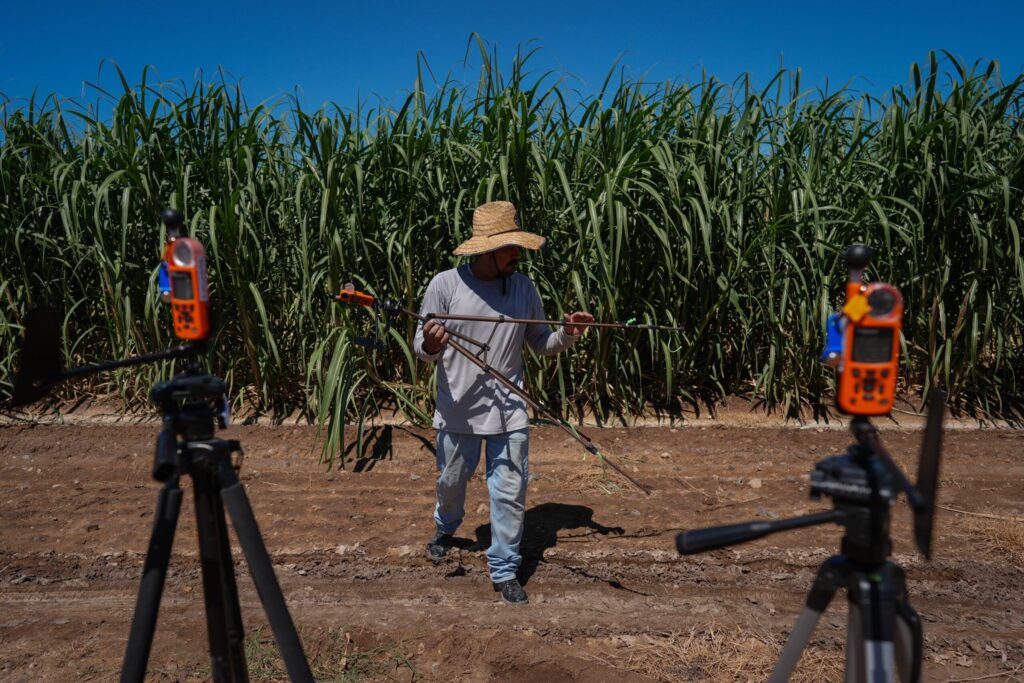
A proposed Democratic bill would make taking Colorado workers’ IDs a crime
Marissa Ventrelli
marissa.ventrelli@coloradopolitics.com
Updated 4 hours ago
After a narrow 6–5 vote, a bill to bar employers from taking workers’ identification documents is moving to the full Colorado House, sparking questions about how often such intimidation occurs and whether a new state law is necessary. House Bill...
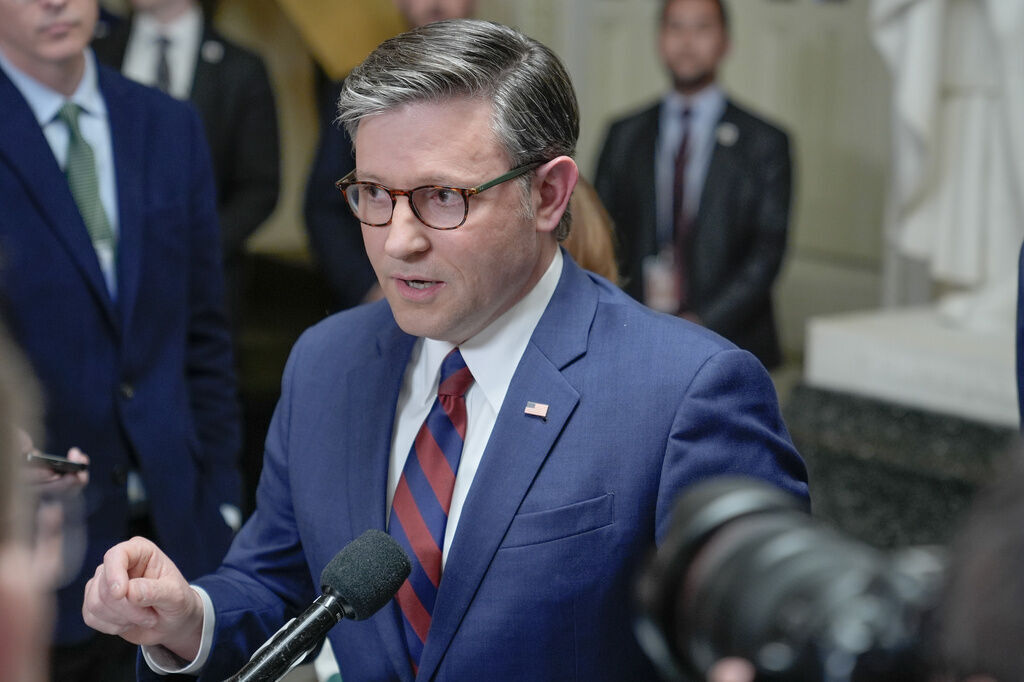
House rejects effort to withdraw US forces from the Iran war as Republicans stick with Trump
Kevin Freking
kevin.freking@associatedpress.com
Updated 8 hours ago
WASHINGTON (AP) — The House rejected a resolution Thursday requiring President Donald Trump to withdraw U.S. forces from the war with Iran unless Congress authorizes military action. It was the latest such vote that fell short of passage as Republicans...
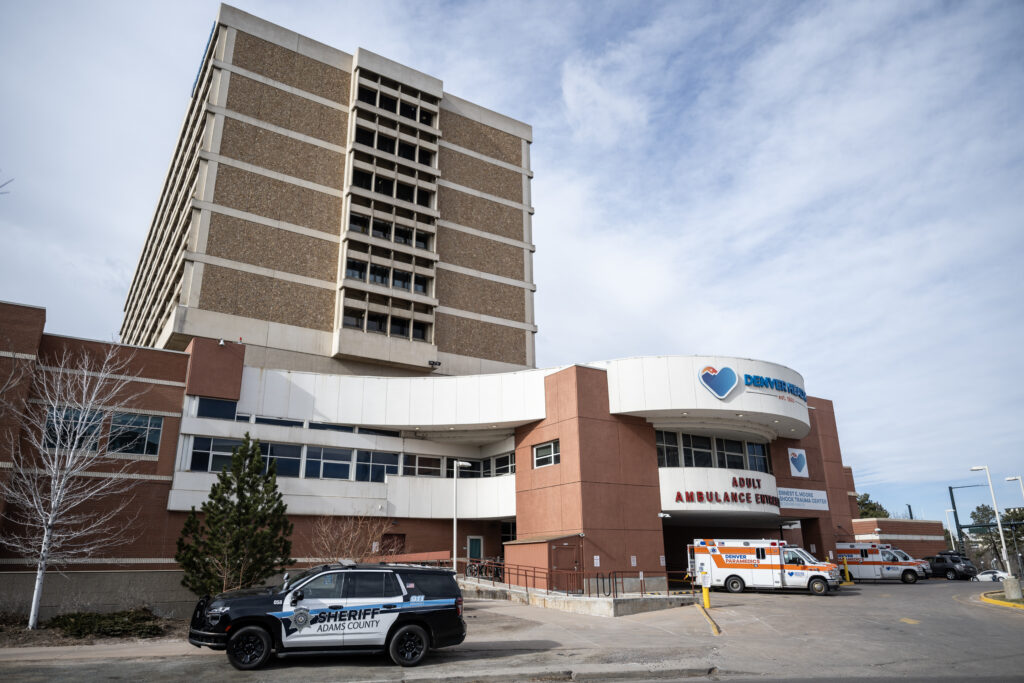
9 Colorado hospitals at risk of closing due to Medicaid cuts
Nico Brambila
nico.brambila@denvergazette.com
Updated 8 hours ago
The $900 billion in Medicaid cuts over the next decade could threaten the viability of more than 400 hospitals nationally and at least nine in Colorado, a new report has found. The hospitals span the Front Range and rural communities,...
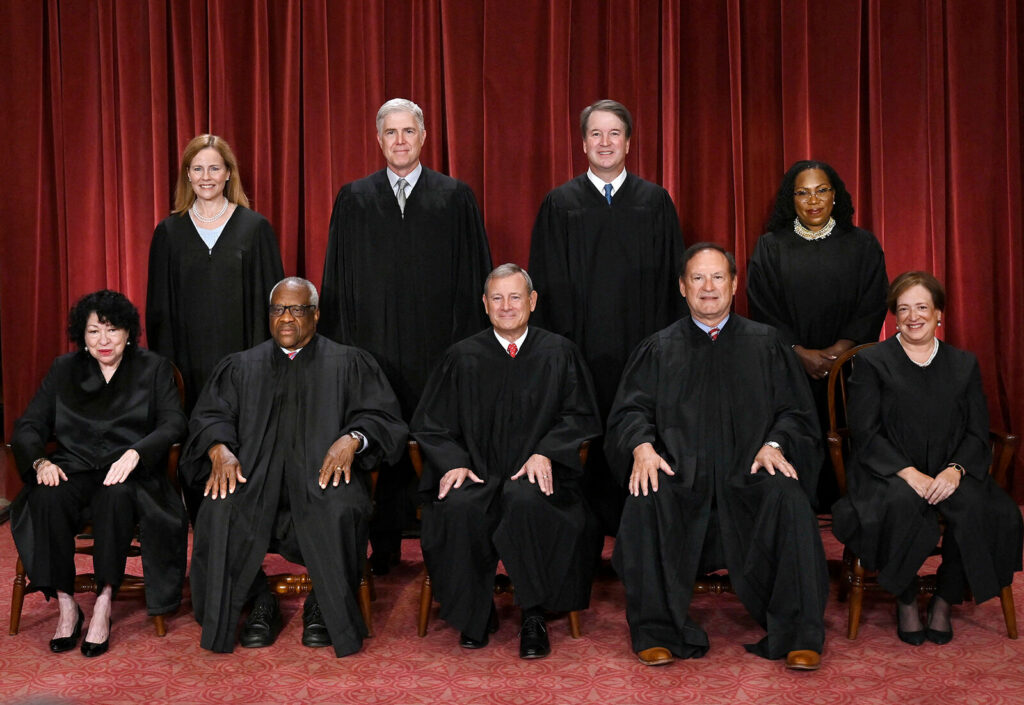
Democrats vow to block next Trump Supreme Court pick amid Alito speculation
Ramsey Touchberry, Washington Examiner
ramsey.touchberry.washington.examiner@gazetteedit.wpenginepowered.com
Updated 9 hours ago
Justice Samuel Alito hasn’t tipped his hat on retiring just yet, but Senate Democrats are already entrenched in opposing the confirmation of a successor that would deliver President Donald Trump his fourth lifetime appointment to the high court. Democrats need...
The grift at the core of Colorado ed department’s ‘innovation programs’ | Paula Noonan
Paula Noonan
paula-noonan@coloradopolitics.com
Updated 7 hours ago
Colorado’s K-12 school finance, transparency and accountability systems have urgent, connected problems with a slow-motion state response. Money is spilling out of school finance funds to home-schooled and private-school students. This multi-million-dollar flood of funds to cooked-up micro schools, home-school...

‘Second look’ bill would cause lasting harm to crime’s victims | OPINION
Colorado Politics
colorado-politics@coloradopolitics.com
Updated 19 hours ago
By Robert Fallbeck Senate Bill 26-115, being considered by lawmakers in the current legislative session, seeks to allow re-sentencing (aka a “second look”) of inmates who have served 20 calendar years in the Colorado Department of Correction (DOC) for two...
Colorado cannot afford to get the Colorado River wrong | OPINION
Colorado Politics
colorado-politics@coloradopolitics.com
Updated 19 hours ago
By Larry Don Suckla Colorado and our neighboring states are standing on the edge of a crisis that is no longer theoretical. The Colorado River, the lifeline of the American west, is facing conditions that demand immediate, responsible action. If...