

As Colorado Springs mayor continues to heal, here’s a primer on double pneumonia
Mayor Yemi Mobolade posted on social media last Friday that the weeks leading up to June 6, which marks the second anniversary of his being elected to head the city of Colorado Springs, had added an interesting chapter to his tenure.
“What started as a cold quickly escalated to a trip to the ER,” he wrote, where he was diagnosed with double pneumonia, meaning the illness had infected both lungs.
And that’s how it often goes with pneumonia, said Dr. Aubrae Isenhart, a pulmonologist and critical-care physician in the intensive care unit at UCHealth Memorial Hospital Central in Colorado Springs.
“People usually come to the hospital because it’s such a rapid change in how they’re feeling — they can go from being OK to being short of breath, coughing up a lot of mucus, having fevers and breathing difficulty within a matter of days,” she said.
Isenhart was not a physician of Mobolade’s and had no contact with him while he was hospitalized for two days last week. In treating his double pneumonia, doctors also discovered what the mayor described as a “major blockage in my main artery” that needed to be cleared.
Mobolade was released last Friday and is recovering well, according to Acting Chief Communications Officer Joe Hollmann.
“His health is improving every day,” Hollmann said Tuesday in an emailed statement. “He remains actively involved in leading and managing city operations, staying closely connected with city staff, department heads and community partners.”
Mobolade has been working remotely and will begin a hybrid schedule on Wednesday, Hollmann said. The mayor plans to attend two events in-person on Thursday: the Colorado Springs Police Department’s graduation ceremony and the final in-person Report Out Community Tour event at Pikes Peak State College. They will be his first appearances since a June 2 Report Out Community Tour in southeast Colorado Springs.
He’s also taken to social media this week to encourage residents to vote in a special election that will decide the fate of annexing a proposed development called Karman Line. Ballots must be returned to the city by 7 p.m., June 17.
Whenever the mayor is temporarily unavailable, the city’s chief of staff and two deputy chiefs of staff ensure the work of local government continues without interruption, Hollmann said.
Double pneumonia also laid up Pope Francis in Rome, the leader of the 1.4-billion-member Roman Catholic Church. The 88-year-old late pontiff was hospitalized for five weeks in February and March with respiratory issues, before being released and then dying two weeks later, after suffering a stroke and heart failure.
Pneumonia is one of the most common reasons adults are hospitalized, Isenhart said, in offering a primer on the sickness. About 1 million people in the United States are hospitalized with pneumonia every year, she said, typically in winter months when viral infections run rampant.
But the infiltration of such pathogens as bacteria, viruses and fungal sources doesn’t follow the seasonal calendar and can appear at any time.
The infection inflames the lungs, causing one or both organs to fill with fluid, pus or mucus, which makes breathing hard, Isenhart said.
Particularly susceptible are young children, seniors above age 65, people with compromised immune systems, smokers and anyone who has asthma or chronic obstructive pulmonary disease, she added.
Doctors try to identify what caused the pneumonia, so they often swab a patient’s nose to test for various viruses. Sometimes they send a sample of expelled mucus to a lab to check for bacteria.
In general, Isenhart said, most patients receive antibiotics and additional oxygen to aid breathing. They may also have fluids or steroids injected intravenously.
Recovery depends on the type and severity of the pneumonia, Isenhart said.
“Some people can start to feel better in two to four weeks,” she said.
If complications arise or a patient already is in poor health, recovery can take up to eight weeks or longer.
Pneumonia patients are at higher risk of heart failure or heart attacks because a bad bout strains the heart as it works harder to supply the body with oxygen, Isenhart said.
People sometimes develop fluid around the lungs as well, which makes breathing even more laborious and can necessitate draining the liquid.
Pneumonia can be listed as a cause of death, Isenhart said, in cases where “the pneumonia gets so severe that even very high amounts of oxygen through the nose or a breathing tube can’t supply the person enough oxygen to survive.”
Other times, death is a result of a complication such as a weakened heart or septic shock, she said.
Pneumonia-specific vaccines, along with vaccines for viruses that can cause pneumonia including influenza, COVID and RSV, won’t prevent all types of pneumonia but can decrease the risk of debilitating illness, Isenhart said.
“If you are at risk based on age or underlying conditions, talk to your doctor or medical provider about how to reduce your risk,” she said.
It’s best to get symptoms checked out early on, Isenhart said. Those include coughing that produces phlegm or sputum, fever, chest discomfort, shortness of breath, wheezing, accelerated heartbeat and fast respiration.
Colorado Politics Must-Reads:

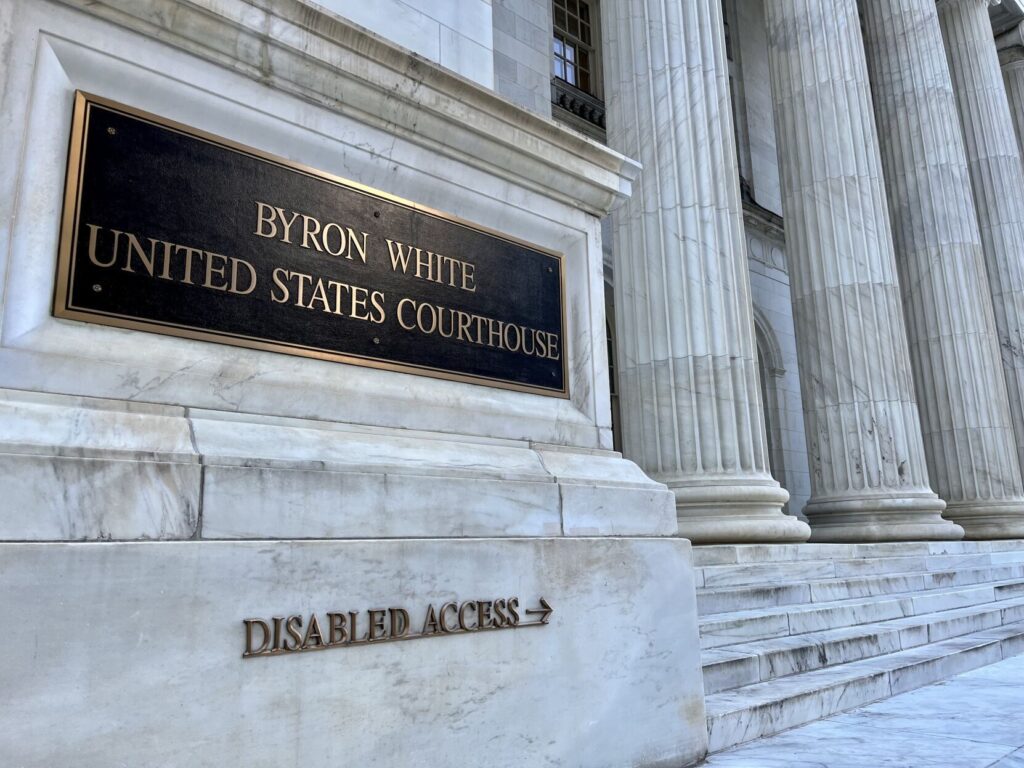
10th Circuit agrees Colorado Springs paramedic, officer not liable for constitutional violations in man’s death
Michael Karlik
michael.karlik@coloradopolitics.com
Updated 28 minutes ago
The Denver-based federal appeals court decided on Monday that a Colorado Springs paramedic and police officer could not be held liable for constitutional violations for their roles in restraining a man in a mental health crisis, leading to his death....
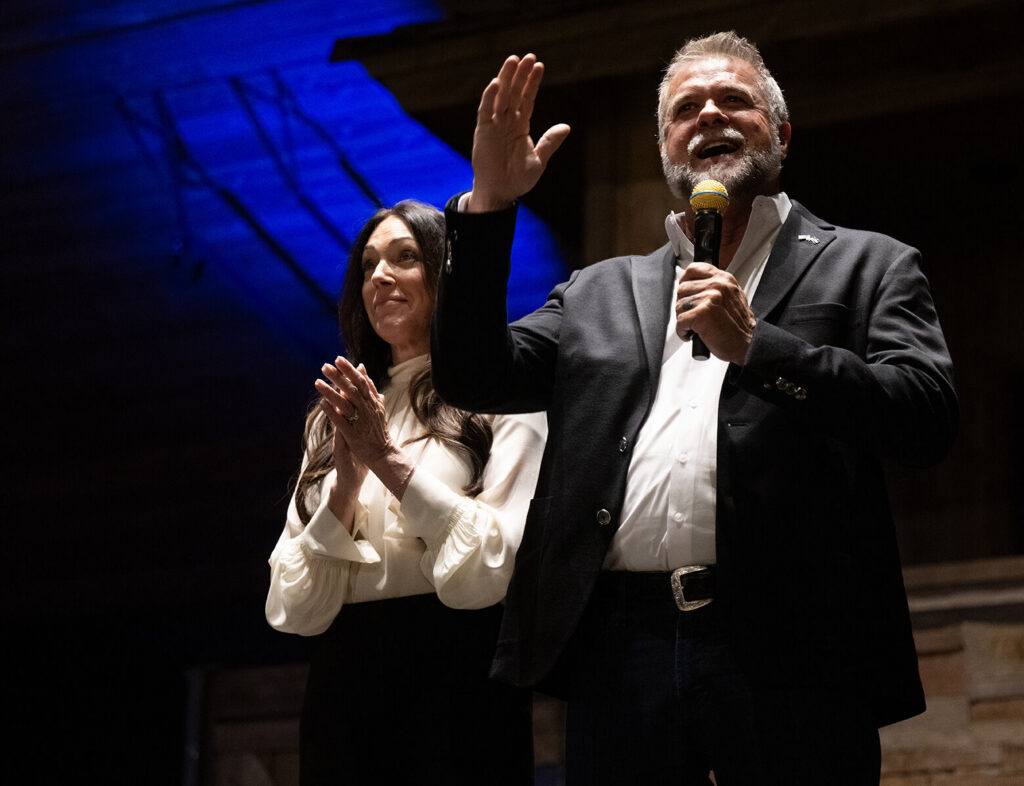
Republican Victor Marx maintains slim lead over Barb Kirkmeyer in Colorado gubernatorial primary
Ernest Luning
ernest.luning@coloradopolitics.com
Updated 2 minutes ago
Republican Victor Marx held on to a narrow lead Monday over state Sen. Barb Kirkmeyer as county clerks continued to count ballots in Colorado’s gubernatorial primary. Following an update posted at 3:30 p.m. by the Colorado Secretary of State’s Office,...
10th Circuit revives Colorado voter intimidation lawsuit due to judge’s error
Michael Karlik
michael.karlik@coloradopolitics.com
Updated 5 hours ago
The Denver-based federal appeals court on Monday reversed a trial judge’s finding that the leaders of an “election integrity” effort had not illegally intimidated Colorado voters through an organized door-to-door canvassing project to search for election fraud in the wake...

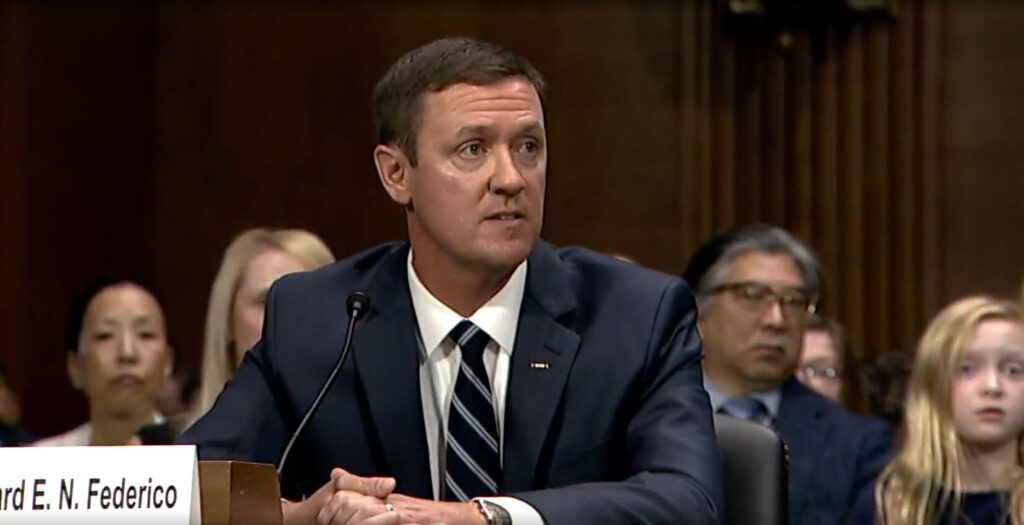
State Supreme Court’s final decisions of term, Trump’s judicial nominee appears before Senate | COURT CRAWL
Michael Karlik
michael.karlik@coloradopolitics.com
Updated 27 minutes ago
Welcome to Court Crawl, Colorado Politics’ roundup of news from the third branch of government. The state Supreme Court has released its final opinions before its summer recess, plus the president’s nominee for the Denver-based federal appeals court fielded questions...

Colorado joins 24-state challenge to USPS rule tied to Trump election order
Marissa Ventrelli
marissa.ventrelli@coloradopolitics.com
Updated 1 hour ago
The Colorado Attorney General’s Office joined 24 state attorneys general in filing a formal complaint against what it called the U.S. Postal Service’s attempt to aid President Donald Trump’s efforts to seize control of elections and restrict mail-in voting. In...

NATO chief faces challenge at summit as Trump demands ‘loyalty’ and not just burden-sharing
The Associated Press
the-associated-press@coloradopolitics.com
Updated 11 hours ago
ANKARA, Turkey (AP) — Since he started work as NATO secretary-general almost two years ago, Mark Rutte has spent much of his time trying to keep the United States anchored to the world’s biggest military alliance, employing outright flattery to...

Digesting all the consequences of a weighty Colorado primary election | Miller Hudson
Miller Hudson
miller-hudson@coloradopolitics.com
Updated 3 days ago
I arrived home on election night just in time to catch the 10 p.m. news. Flipping to Channel 9 and Kyle Clark, I found him engaged in conversation with a reporter at the Melat Kiros primary victory celebration. The pair...

Patchwork laws challenge nationwide hog production | Rachel Gabel
Rachel Gabel
rachel-gabel@coloradopolitics.com
Updated 3 days ago
The newest iteration of the long-overdue Farm Bill leaves intact California’s Prop 12. There’s an obscene amount of information within the bill, but animal welfare laws have the potential to shape the food systems here in America. A country unable...

Wyoming governor sues state board, asks court to enforce property tax cap | OUT WEST ROUNDUP
The Associated Press
the-associated-press@coloradopolitics.com
Updated 5 days ago
WYOMING Governor sues over property tax cap Gov. Mark Gordon filed a lawsuit on June 16 to force the State Board of Equalization to certify residential property tax values after the panel concluded it could not do so due to...

Colorado needs an Independence Day | Jon Caldara
Jon Caldara
jon-caldara@coloradopolitics.com
Updated 4 days ago
Happy 250th Birthday, America! You look fabulous. As all the cool countries are saying, “250 is the new 230.” The Declaration of Independence wasn’t merely an announcement of war against a tyrant. It was the most revolutionary political document ever...