

GOP secures promising candidate to defeat Rep. Schroeder | A LOOK BACK
Thirty-Five Years Ago This Week: There was a Republican buzz happening in Denver. Making national news from Colorado’s Republican Assembly, Gloria Gonzales Roemer had just been nominated as the GOP’s candidate for the 1st Congressional District in an effort to unseat longtime Democratic Party Rep. Pat Schroeder.
Adding to the electric evening was keynote speaker Julian Martinez, special assistant for Hispanic Affairs to Republican National Committee chair Lee Atwater.
“Denver County has seldom drawn this kind of national attention,’ said Kathie Finger, chairman of the Denver County Republican Party, to the delegates assembled at Hill Middle School. “People should be excited about this support. We cannot listen to the naysayers who say Republicans can’t win in Denver!”
First Congressional District Chair Jerry Wheeler said, “The fact that the RNC is sending a representative to Denver shows both the high regard in which they hold Mrs. Roemer and the importance of the first congressional district in the 1990 elections.
In her speech, Martinez said that misconceptions about the Hispanic community in the Republican Party needed to be reversed.
“Gloria is an example of new dynamic leadership in the party,” Martinez said. “Lee Atwater has taken personal involvement in this campaign.”
In her acceptance speech Roemer said, “I intend to be the U.S. Representative for Denver. We already have one from Denver. I’ll be more in touch than Schroeder who is best known for her flip remarks and juvenile stunts. Denver doesn’t need Schroeder, Schroeder needs Denver.”
Roemer was running on a platform of tax, welfare and education reform because “Republicans are worried sick about what liberal Democrats are doing to this country.”
Twenty-Five Years Ago: “I am formally requesting that you grant me the authority to veto HB 00-1229,” Joe Rogers, Lieutenant Governor of Colorado wrote in an open letter to Gov. Bill Owens, published in The Colorado Statesman. “Such authority has classically been given to Lt. Governors in circumstances where the governor has a real or perceived conflict of interest.”
HB 00-1229 would, Rogers wrote, “take away from the people of our state the most fundamental of rights which has existed for over 124 years — the right to elect the person who should become governor should the governor be unable to fulfill his or her term.”
Owens had expressed to legislators that he would take no position on HB 00-1229, thereby allowing the bill to become law without his signature.
Rogers was the United States’s only African American lt. governor and the first African American Republican elected to that position in the country’s history.
“This bill,” Rogers wrote, “reinforces a deep seeded belief among African Americans and others that our party is not a big tent party and has no interest in the concerns of Black people and African American participation within its ranks. The popular view is simply this ‘once we win playing by the rules, the rules are changed to assure we can’t win again.”
Rogers wrote that he and Owens both intended, at the start of their respective terms, to maintain the existing law that allowed Colorado to have an elected lt. governor.
“I have always emphasized … that I believe it is important that the lt. governor be elected by the people rather than appointed,” Rogers wrote. “I also believe a governor should be able to serve with a person of his liking to maintain a smooth flowing administration.”
To that end, Rogers wrote that if Owens had no interest in having him serve in the administration, “I will not so serve.”
Rachael Wright is the author of several novels including The Twins of Strathnaver, with degrees in Political Science and History from Colorado Mesa University, and is a contributing writer to Colorado Politics, the Colorado Springs Gazette and the Denver Gazette.
Colorado Politics Must-Reads:


The through line from Donald Trump to Victor Marx | SONDERMANN
By Eric Sondermann
by-eric-sondermann@coloradopolitics.com
Updated 4 days ago
Over 10 years ago, before Donald Trump could ever defeat Hillary Rodham Clinton, he had to first engineer a hostile takeover of the Republican Party. Prior to his descent of that golden escalator, the previous seven Republican presidential nominees had...

Colorado districts prepare for school year amid mental health cuts. But will less cellphone distractions help?
Marissa Ventrelli
marissa.ventrelli@coloradopolitics.com
Updated 2 days ago
The signs of a new school year are everywhere — buses in the shop, teachers unpacking boxes, families ticking through supply lists — but behind the familiar rituals, Colorado districts are preparing for a year defined less by routine than...
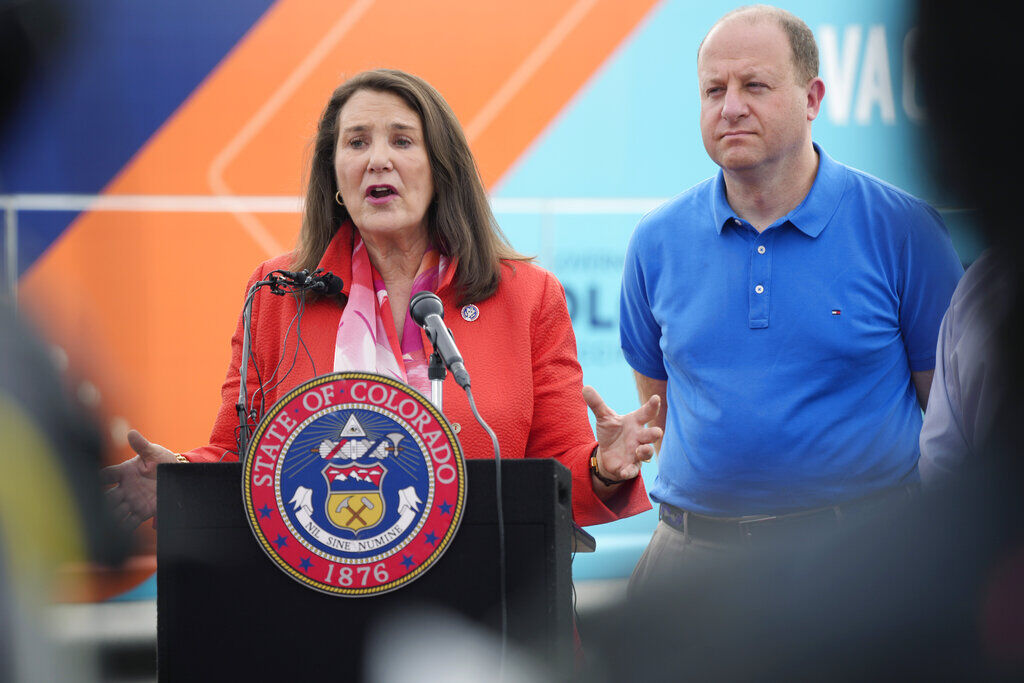
Armstrong staffer considers congressional bid, DeGette angers rural communities with wilderness act | A LOOK BACK
Rachael Wright, Special to Colorado Politics
rachael.wright@coloradopolitics.com
Updated 2 days ago
Forty-five years ago this week: If the lines were drawn just right, Republican Sen. Bill Armstrong stood the chance of losing his office manager, Ruth Fountain. Fountain admitted she was seriously thinking about running for Colorado’s new congressional seat in...

10th Circuit dismisses woman’s lawsuit following 10-year attempt to undo restraining order
Michael Karlik
michael.karlik@coloradopolitics.com
Updated 1 day ago
The Denver-based federal appeals court rejected a woman’s challenge on Friday to a restraining order imposed on her more than a decade ago, finding that she cannot credibly claim she will be prosecuted for violating the restraining order through her...
10th Circuit dismisses woman’s lawsuit following 10-year attempt to undo restraining order
Michael Karlik
michael.karlik@coloradopolitics.com
Updated 1 day ago
The Denver-based federal appeals court rejected a woman’s challenge on Friday to a restraining order imposed on her more than a decade ago, finding that she cannot credibly claim she will be prosecuted for violating the restraining order through her...
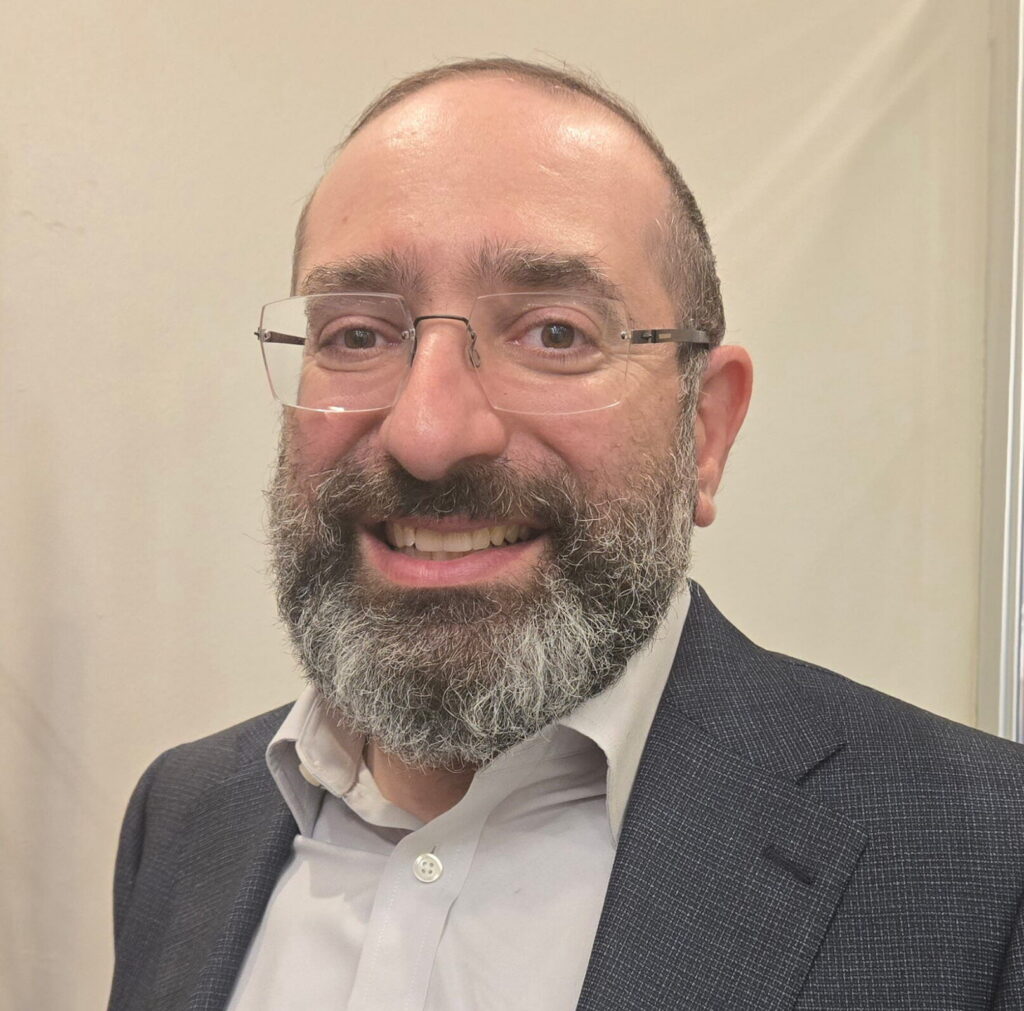
Surprise candidate Shimon Blau cleared to face off against Melat Kiros in November
Ernest Luning
ernest.luning@coloradopolitics.com
Updated 1 day ago
Unaffiliated congressional candidate Shimon Blau, a Denver doctor, has qualified by petition for the general election in Colorado’s 1st District, where Democrat Melat Kiros defeated 15-term U.S. Rep. Diana DeGette in last month’s primary, the Colorado Secretary of State’s Office...

Colorado produce not tied to nationwide cyclospora outbreak, agriculture officials say
Marissa Ventrelli
marissa.ventrelli@coloradopolitics.com
Updated 15 hours ago
There is no indication that the recent outbreak of cyclospora, a fecal parasite that has contaminated food and water across nearly every state, can be linked to produce grown in Colorado, according to the state’s Department of Agriculture. “Colorado growers...

UNC opens College of Osteopathic Medicine
Marissa Ventrelli
marissa.ventrelli@coloradopolitics.com
Updated 1 day ago
The University of Northern Colorado held a grand opening for its new College of Osteopathic Medicine on Friday, with Gov. Jared Polis in attendance to celebrate the culmination of a two-year, $127.5 million project. The project was funded through legislation...
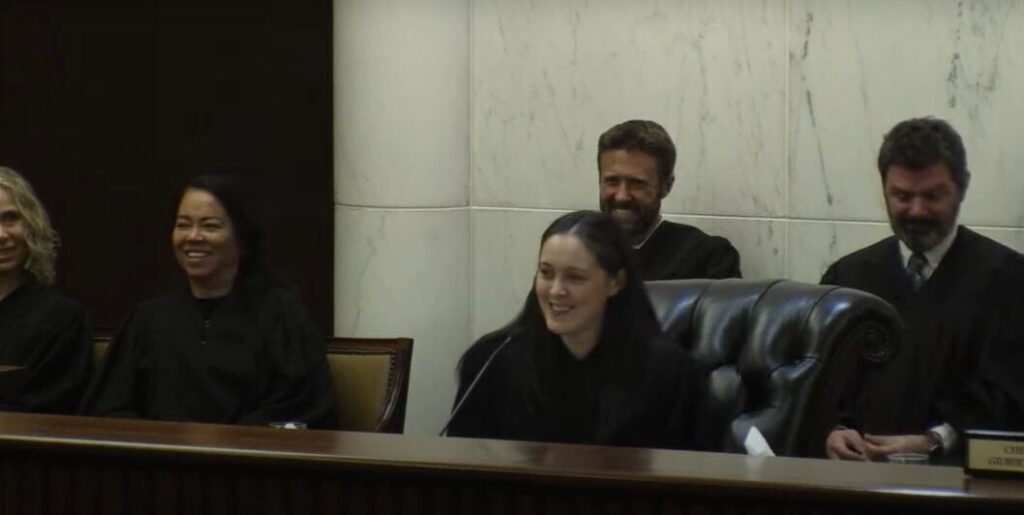
Colorado equal pay law does not require plaintiffs to allege gender-based retaliation, appeals court finds
Michael Karlik
michael.karlik@coloradopolitics.com
Updated 10 hours ago
The 2019 Colorado law aimed at rooting out pay discrimination on the basis of sex does not require a plaintiff to allege their employer retaliated against them for sex- or gender-related reasons, the state’s second-highest court decided on Thursday. Lawmakers...

Planning Commission rejects resident appeals to stop proposed data center
alex-edwards
alex.edwards@gazette.com
Updated 1 day ago
Editor’s note: This story has been updated to reflect comment from District 11 clarifying that it has not conducted a financial review of Project Taurus. The Colorado Springs Planning Commission rejected appeals Thursday night against a proposed artificial-intelligence data center...