

Colorado Gov. Jared Polis signs trio of election bills
Gov. Jared Polis signed a trio of election-related bills into law on Monday, including a measure sponsors say will “safeguard voting rights in Colorado amid federal uncertainty.”
Senate Bill 001, sponsored by Sen. Julie Gonzales, D-Denver, and Reps. Jennifer Bacon, D-Denver, and Junie Joseph, D-Boulder, implements a state-level version of the Voting Rights Act of 1965, which banned certain discriminatory voting practices.
Several states, including Colorado, are considering their own version of the Voting Rights Act: Alabama, Arizona, Florida, Illinois, Maryland and New Jersey. Meanwhile, Washington and New York have already passed a state-version of the federal law.
Gonzales said Senate Bill 001 mirrors the federal Voting Rights Act by prohibiting election practices that create disparities in participation for protected groups and by prohibiting election methods and district maps that disproportionately impair the ability of communities of color to elect candidates of their choice. The bill also ensures the rights of civil rights groups and “harmed voters” to take action to enforce voting rights, even if the federal right is taken away, she added.
Gonzales also said it creates protections for LGBTQ+ voters, prohibiting efforts to impair the right to vote based on gender expression and sexual orientation.
“With courage, conviction and sacrifice, generations of Black Americans fought for the Voting Rights Act, transforming democracy and ensuring equal access to the ballot for Black Americans and other minority groups,” said Bacon. “With voter suppression and voter dilution tactics being used throughout the country, it’s imperative that we act now to protect the constitutional right to vote. This law makes it clear to Coloradans that, while the federal government continues to chip away at the Voting Rights Act, Colorado Democrats are committed to protecting voting rights.”
SB 001 passed in both the House and Senate, with Democrats voting in favor and Republicans opposed.
Polis also signed House Bill 1225, sponsored by Reps. Steven Woodrow, D-Denver, Elizabeth Velasco, D-Glenwood Springs, and Sens. Nick Hinrichsen, D-Pueblo, and Lindsey Daugherty, D-Arvada. The bill prohibits individuals from “intimidating, threatening, or coercing” voters and election officials. It allows for enforcement by the Secretary of State and Attorney General and relief through the court system for victims.
“The Freedom From Intimidation in Elections Act will protect Colorado voters and election workers from intimidation and threats,” said Velasco. “Colorado has one of the highest voter turnout rates in the country, but there is more we can do to protect our election systems. This new law protects civil servants and voters to ensure our elections are safe and secure.”
House Bill 1225 passed on a 37-25 vote in the House, with all Republicans and Democrats Shannon Bird of Westminster, Majority Leader Monica Duran of Wheat Ridge, Sheila Lieder of Littleton voting against it.
Also on Monday, Polis signed a measure on the vacancy election process for state lawmakers, House Bill 1315.
The bill, sponsored by Rep. Emily Sirota, D-Denver, Minority Leader Rose Pugliese, R-Colorado Springs, and Sens. Mike Weissman, D-Aurora, and Barbara Kirkmeyer, R-Brighton, makes the following changes to vacancy elections for the General Assembly:
• If a lawmaker resigns during the session or by July 31 in an even-numbered year, the new vacancy committee process will be initiated, and the selected candidate will then run in the customarily scheduled general election in November.
• If a lawmaker resigns after July 31 in an even-numbered year, the vacancy committee would fill the vacancy first. Then, a vacancy election would be held in the following odd-year November election.
• If a lawmaker resigns during the session or by July 31 in an odd-numbered year, the new vacancy committee would fill the seat until a vacancy election can occur in November of that year.
• If a lawmaker resigns after July 31 in an odd-numbered year, a new vacancy committee would be formed to fill the seat until the next general election in the following even-numbered year.
In the odd-numbered year election, only voters from the same political party as the resigned lawmaker, or unaffiliated voters, would be allowed to vote.
The process of becoming a candidate would also change, requiring candidates to obtain signatures from either 30% of the vacancy committee or 200 voters from the same party.
Regarding campaign finance, the bill establishes contribution limits for candidates running in special elections or vacancies. It requires disclosures for contributions to be filed on Mondays of each week while the vacancy process is underway.
“In a bipartisan way, we’re modernizing Colorado’s vacancy committee process to boost voter participation while filling vacancies efficiently,” said Sirota. “We heard the concerns surrounding our current vacancy process, and our law limits the time someone can serve before facing an election and subjects vacancy candidates to campaign finance laws. Lawmakers resign for many reasons, and this law is the right balance between creating more opportunities for voters to weigh in and ensuring communities aren’t without representation during the legislative session.”
House Bill 1315 passed on a 55-9 vote in the House and a 32-2 vote in the Senate. Read more about the bill here.
A second bill, also sponsored by Pugliese and Kirkmeyer along with House and Senate Majority Leaders Monica Duran, D-Wheat Ridge, and Robert Rodriguez, D-Denver, makes changes to the vacancy election process for county commission seats and is awaiting the governor’s signature.

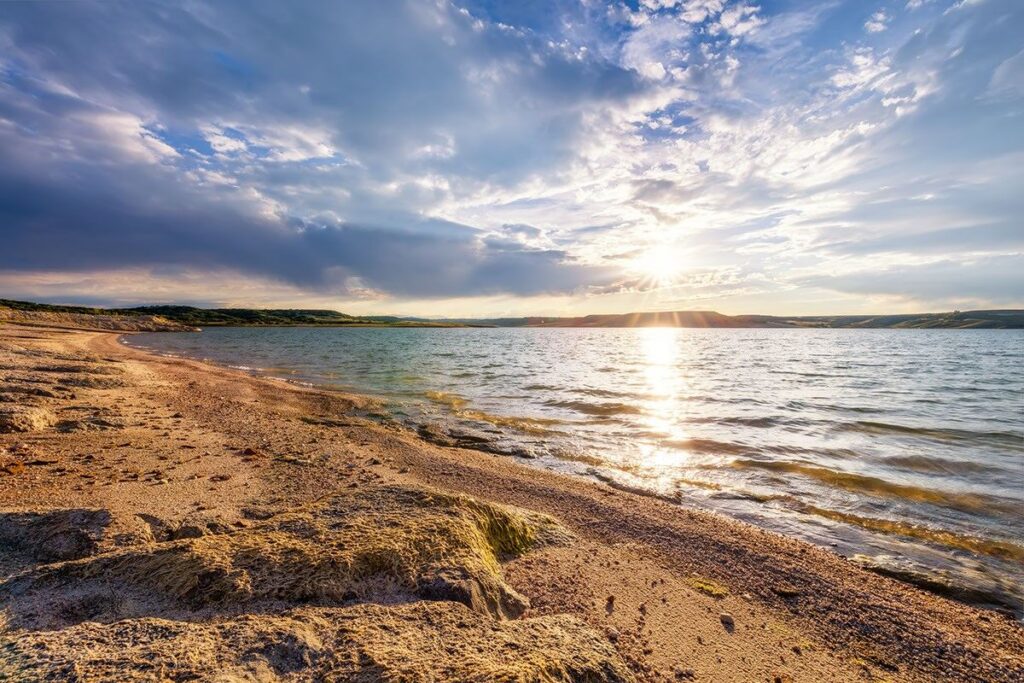
Tapped: Douglas County looks to diversify water supply as population grows
Nicholas Fogleman
nicholas.fogleman@denvergazette.com
Updated 1 day ago
Tapped: The Denver metro region sits at the center of one of the American West’s most complex and consequential water challenges. This series examines the interconnected systems that determine how the region secures, stores, and conserves its water — while...
Tapped: Built to stand alone, Westminster’s water system confronts historic dryness
Sage Kelley
sage.kelley@denvergazette.com
Updated 16 hours ago
Editor’s note: The Denver metro region sits at the center of one of the American West’s most complex and consequential water challenges. This series examines the interconnected systems that determine how the region secures, stores, and conserves its water —...
Tapped: Built to stand alone, Westminster’s water system confronts historic dryness
Sage Kelley
sage.kelley@denvergazette.com
Updated 16 hours ago
Editor’s note: The Denver metro region sits at the center of one of the American West’s most complex and consequential water challenges. This series examines the interconnected systems that determine how the region secures, stores, and conserves its water —...
Tapped: Built to stand alone, Westminster’s water system confronts historic dryness
The Denver Gazette
the-denver-gazette@coloradopolitics.com
Updated 16 hours ago
Tapped: The Denver metro region sits at the center of one of the American West’s most complex and consequential water challenges. This series examines the interconnected systems that determine how the region secures, stores, and conserves its water — while...
Tapped: Built to stand alone, Westminster’s water system confronts historic dryness
The Denver Gazette
the-denver-gazette@coloradopolitics.com
Updated 16 hours ago
Tapped: The Denver metro region sits at the center of one of the American West’s most complex and consequential water challenges. This series examines the interconnected systems that determine how the region secures, stores, and conserves its water — while...
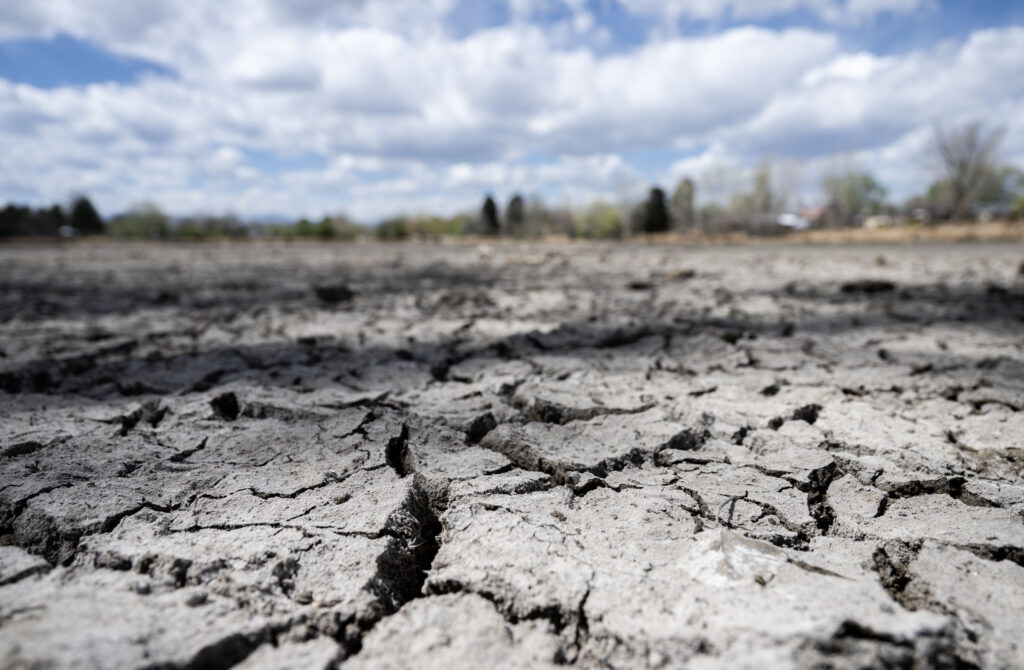
Tapped: Front Range residents face higher water rates, restrictions as rapid snowmelt threatens supplies
Kyla Pearce
kyla.pearce@gazette.com
Updated 6 hours ago
Editor’s Note: The Denver metro region sits at the center of one of the American West’s most complex and consequential water challenges. This series examines the interconnected systems that determine how the region secures, stores, and conserves its water while...
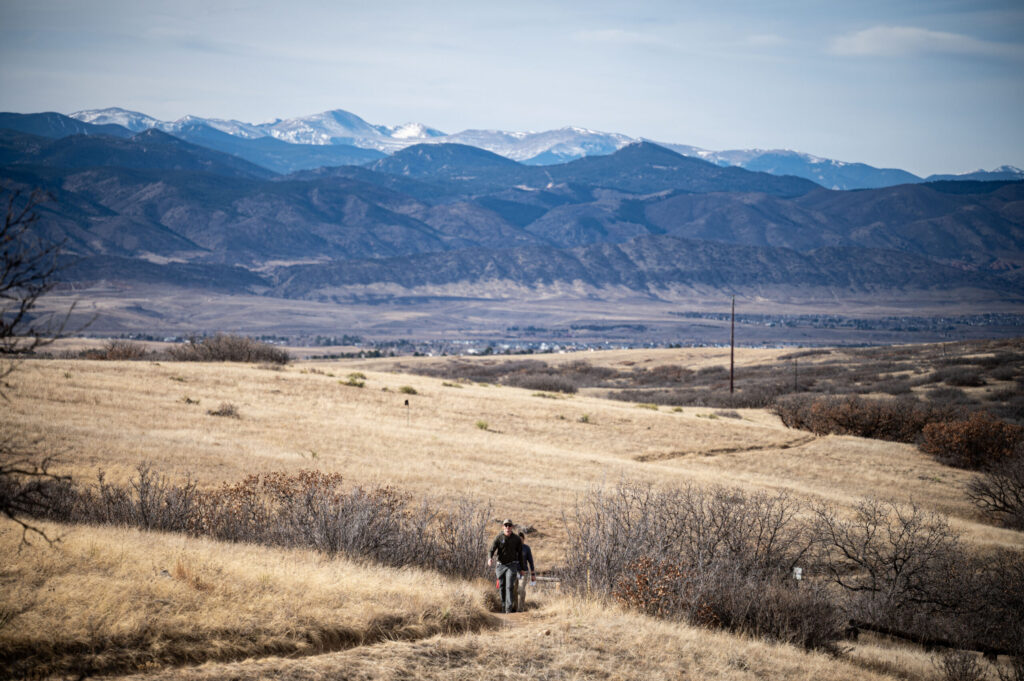
Tapped: With growth tapped out, Highlands Ranch turns to cutting demand
Nicholas Fogleman
nicholas.fogleman@denvergazette.com
Updated 23 hours ago
Tapped: The Denver metro region sits at the center of one of the American West’s most complex and consequential water challenges. This series examines the interconnected systems that determine how the region secures, stores, and conserves its water while navigating...

Tapped: Castle Rock working to reduce per-capita water use
Nicholas Fogleman
nicholas.fogleman@denvergazette.com
Updated 23 hours ago
Tapped: The Denver metro region sits at the center of one of the American West’s most complex and consequential water challenges. This series examines the interconnected systems that determine how the region secures, stores, and conserves its water while navigating...

Tapped: Castle Pines upgrading water treatment capacity for future need
Nicholas Fogleman
nicholas.fogleman@denvergazette.com
Updated 23 hours ago
Tapped: The Denver metro region sits at the center of one of the American West’s most complex and consequential water challenges. This series examines the interconnected systems that determine how the region secures, stores, and conserves its water while navigating...
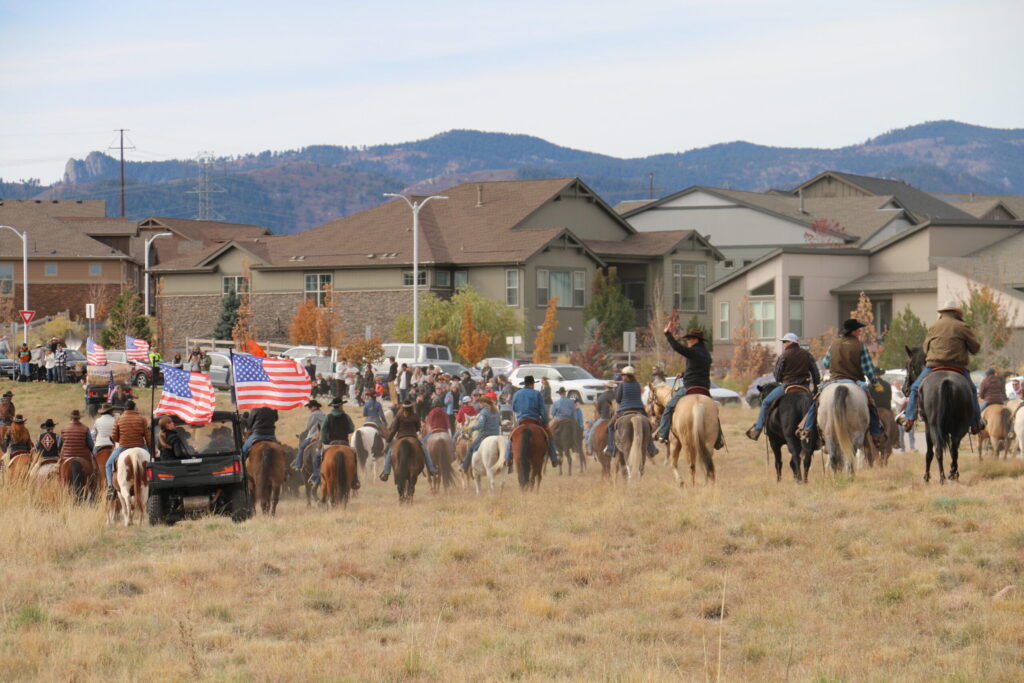
Tapped: Sterling Ranch plans to harvest rainwater
Nicholas Fogleman
nicholas.fogleman@denvergazette.com
Updated 23 hours ago
Tapped: The Denver metro region sits at the center of one of the American West’s most complex and consequential water challenges. This series examines the interconnected systems that determine how the region secures, stores, and conserves its water while navigating...