

Tapped: Built to stand alone, Westminster’s water system confronts historic dryness
Tapped: The Denver metro region sits at the center of one of the American West’s most complex and consequential water challenges. This series examines the interconnected systems that determine how the region secures, stores, and conserves its water — while navigating the competing demands of fast‑growing urban communities and the increasingly unpredictable mountain snowpack that underpins the entire system.

Unlike most Jefferson County communities that rely on Denver Water, Westminster has built its own water system — one now under pressure as record‑low snowpack threatens supplies and the city pushes ahead with a new $206 million treatment plant to secure its future.
Westminster’s move toward self‑reliance began decades ago, when its location on the edge of Denver Water’s service area pushed the city to develop its own wells and, later, to build a system centered on Standley Lake and the Semper Water Treatment Facility.
Before 1955, Westminster drew most of its supply from wells because it sat on the edge of Denver Water’s service area. In 1979, the city began using Standley Lake as its primary source, sending that water to the Semper Water Treatment Facility, which was built in 1969 and now treats 44 million gallons per day.
Last year, the city broke ground on a new $206 million drinking water plant at 9988 Westminster Blvd. The facility is expected to treat 14.7 million gallons per day and be completed by 2028.
Once online, it will allow Westminster to eventually phase out the Semper facility and operate with its own dedicated treatment plant, according to the city.
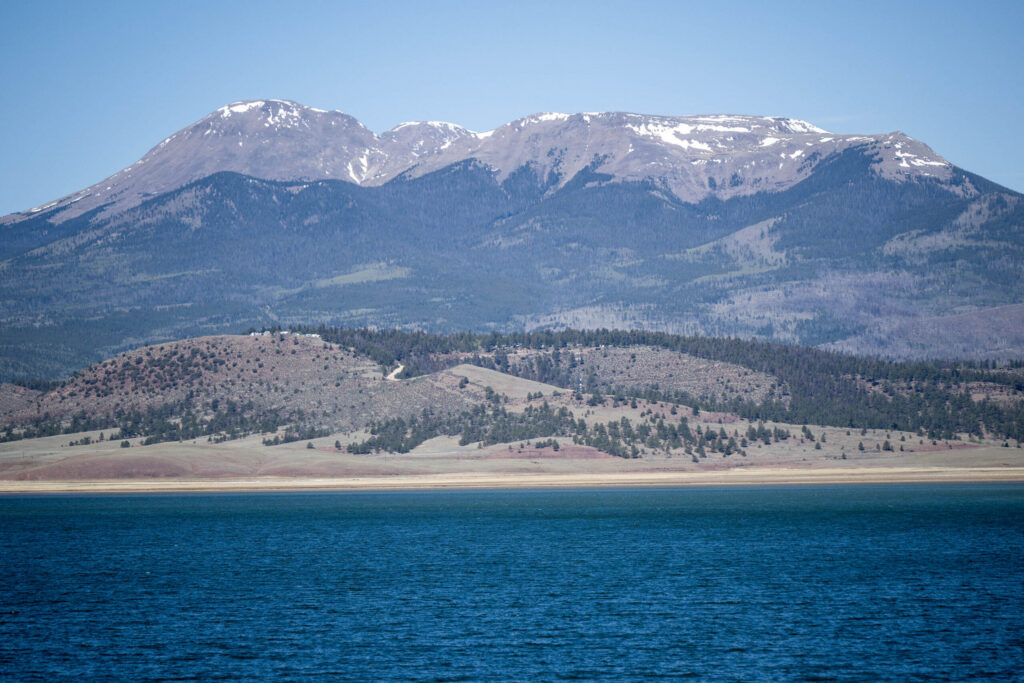
Westminster owns more than half of Standley Lake, which can store up to 14 billion gallons of water from the Clear Creek watershed. That watershed collects snowmelt from roughly 400 square miles of mountain terrain near Idaho Springs, Central City and Georgetown.
The Farmers Reservoir and Irrigation Company, along with the cities of Thornton and Northglenn, also hold shares in the lake.
Snowpack in the Clear Creek Basin has dropped to levels last seen in 2002, the driest year on record. As a result, the city enacted a “Drought Watch” on April 15. While no mandatory restrictions are in place yet, the city has issued guidelines for lawn watering.
In April, Westminster also launched the Water Affordability to Every Resident Task Force, which held its first meeting on April 6. The group, made up of residents selected through an application process, will help shape decisions on water rates and long‑term infrastructure needs.
According to the city, the task force will bring together residents, business representatives and property managers to provide input on how Westminster can continue delivering clean, safe and affordable drinking water while meeting its legal, financial and operational obligations.

Tapped: Douglas County looks to diversify water supply as population grows
Nicholas Fogleman
nicholas.fogleman@denvergazette.com
Updated 21 hours ago
Tapped: The Denver metro region sits at the center of one of the American West’s most complex and consequential water challenges. This series examines the interconnected systems that determine how the region secures, stores, and conserves its water — while...
Tapped: Is water a problem for data centers in Colorado?
Deborah Grigsby
deborah.smith@denvergazette.com
Updated 8 hours ago
Editor‘s Note: The Denver metro region sits at the center of one of the American West’s most complex and consequential water challenges. This series examines the interconnected systems that determine how the region secures, stores, and conserves its water while...
TAPPED: Front Range residents face higher water rates, restrictions as rapid snowmelt threatens supplies
Kyla Pearce
kyla.pearce@gazette.com
Updated 10 hours ago
Tapped: The Denver metro region sits at the center of one of the American West’s most complex and consequential water challenges. This series examines the interconnected systems that determine how the region secures, stores, and conserves its water while navigating...
TAPPED: Front Range residents face higher water rates, restrictions as rapid snowmelt threatens supplies
Kyla Pearce
kyla.pearce@gazette.com
Updated 10 hours ago
Tapped: The Denver metro region sits at the center of one of the American West’s most complex and consequential water challenges. This series examines the interconnected systems that determine how the region secures, stores, and conserves its water while navigating...
TAPPED: Aurora cracks down on water use as reservoirs fall, runoff shrinks
Kyla Pearce
kyla.pearce@gazette.com
Updated 22 hours ago
Tapped: The Denver metro region sits at the center of one of the American West’s most complex and consequential water challenges. This series examines the interconnected systems that determine how the region secures, stores, and conserves its water while navigating...
Tapped: Colorado River overallocation collides with record drought conditions
Nico Brambila
nico.brambila@denvergazette.com
Updated 22 hours ago
Editor’s Note: The Denver metro region sits at the center of one of the American West’s most complex and consequential water challenges. This series examines the interconnected systems that determine how the region secures, stores and conserves its water while...
TAPPED: Front Range residents face higher water rates, restrictions as rapid snowmelt threatens supplies
Kyla Pearce
kyla.pearce@gazette.com
Updated 10 hours ago
Tapped: The Denver metro region sits at the center of one of the American West’s most complex and consequential water challenges. This series examines the interconnected systems that determine how the region secures, stores, and conserves its water while navigating...
Tapped: Denver residents face hotter, costlier summer under new drought rules
Deborah Grigsby
deborah.smith@denvergazette.com
Updated 22 hours ago
Tapped: The Denver metro region sits at the center of one of the American West’s most complex and consequential water challenges. This series examines the interconnected systems that determine how the region secures, stores, and conserves its water while navigating...
Tapped: Golden tightens water rules as Clear Creek snowpack falters
The Denver Gazette
the-denver-gazette@coloradopolitics.com
Updated 41 minutes ago
Tapped: The Denver metro region sits at the center of one of the American West’s most complex and consequential water challenges. This series examines the interconnected systems that determine how the region secures, stores, and conserves its water while navigating...
Tapped: Built to stand alone, Westminster’s water system confronts historic dryness
The Denver Gazette
the-denver-gazette@coloradopolitics.com
Updated 10 hours ago
Tapped: The Denver metro region sits at the center of one of the American West’s most complex and consequential water challenges. This series examines the interconnected systems that determine how the region secures, stores, and conserves its water — while...
PREV
PREVIOUS
Tapped: Built to stand alone, Westminster's water system confronts historic dryness
Tapped: The Denver metro region sits at the center of one of the American West’s most complex and consequential water challenges. This series examines the interconnected systems that determine how the region secures, stores, and conserves its water — while navigating the competing demands of fast‑growing urban communities and the increasingly unpredictable mountain snowpack that […]

Tapped: Douglas County looks to diversify water supply as population grows
Tapped: The Denver metro region sits at the center of one of the American West’s most complex and consequential water challenges. This series examines the interconnected systems that determine how the region secures, stores, and conserves its water — while navigating the competing demands of fast‑growing urban communities and the increasingly unpredictable mountain snowpack that […]