

Denver City Council pushes back on Johnston’s $70-million plan for women’s soccer stadium
Denver Mayor Mike Johnston is asking the city to invest up to $70 million for land acquisition and improvements for a women’s soccer stadium.
Under a proposal presented Wednesday to the South Platte River Committee, the city and the Broadway Station Metropolitan District would enter an intergovernmental agreement (IGA) that would acquire land for the stadium, connect adjacent neighborhoods and make public improvements to the bike, pedestrian and park infrastructure.
In March, the National Women’s Soccer League team ownership group announced plans to build a 14,500-seat stadium and entertainment district that is expected to open in the spring of 2028.
The stadium would be built at the Santa Fe Rail Yard in the Baker neighborhood.
The ownership group, led by IMA Financial Group CEO Robert Cohen, would pay up to $200 million for the construction of the stadium, which is still in the design phase.
The proposal was originally up for a vote in the South Platte River Committee, but shortly before the meeting, it was changed to only be a presentation to give council members more time to look over the material.
However, council members pushed back on the price tag, citing concerns over current economic conditions and the deferral of other city projects.
According to city officials, the IGA would be split into two buckets, with land acquisition costs capped at $50 million and capping off-site stadium improvements, including adding a fifth lane to Santa Fe Avenue, at $20 million.
Denver Capital Planning and Programming Director Laura Wachter said money for the project would come through the city’s Capital Improvement Program and capitalize on the “positive interest performance” from the existing Elevate Denver general obligation, passed in 2017.
District 5 Councilmember Amanda Sawyer pushed back on team ownership and the city’s chief strategy officer Jeff Dolan, noting that some Elevate Denver bond projects were reduced in scope because of the economic concerns during the pandemic years.
“To say now that we have $50 million in interest that we could put towards something else, when the voters who voted for that are not getting the full scope of their original project that they voted on because of economic uncertainty, is not fair to them,” Sawyer said. “What do you expect us to say to our residents?”
Next year, the city is projecting the smallest general fund growth in more than 10 years, other than during the pandemic, according to At-large Councilmember Sarah Parady.
“We are facing the collapse of global financial markets,” Parady said. “I have to say I don’t believe this stadium will ever be built.”
Cohen disputed that, saying he was confident the stadium would get built.
“We’ve already dipped in the general fund reserves to balance last year’s budget, our reserves are below our 15% target, we’re under a city-wide hiring freeze that is impacting things like our response to overdose deaths, and we had 16,000 evictions last year,” Parody added. “So we really have to be careful about dollars.”
Dolan defended the project as necessary to develop the land and assured councilmembers of its completion.
“I would say there’s a huge risk for the city if we don’t move forward with this particular project, with the private investment that has been committed, that this land will sit vacant for another several decades,” Dolan said.
“We’re being asked to invest $70 million in a time of economic hardship,” City Council President Amanda Sandoval said.
Under the agreement, if the stadium does not get built, the city would still own the land.
Other council members suggested getting the money in other ways such as a voter-approved sales tax.
The proposal will return to the committee for consideration in two weeks.
Denver Gazette news partner 9NEWS contributed to this story.

Colorado Republicans elect software engineer Craig Steiner to fill vacant state chairman position
Ernest Luning
ernest.luning@coloradopolitics.com
Updated 7 hours ago
The Colorado Republican Party on Saturday elected Craig Steiner to fill the party’s vacant state chair position at a state central committee meeting in Buena Vista, just over a week before primary ballots go out to voters and five months...
Attorney General Phil Weiser’s underdog campaign for Colorado governor| Cronin and Loevy
Tom Cronin Bob Loevy
tom-cronin-bob-loevy@coloradopolitics.com
Updated 5 hours ago
Phil Weiser, 58, Colorado’s attorney general, is in a heated race against U.S. Sen. Michael Bennet, 61, for the Democratic nomination for governor. They are friends and share mostly similar progressive, Democratic policy views. Primary election day is June 30....
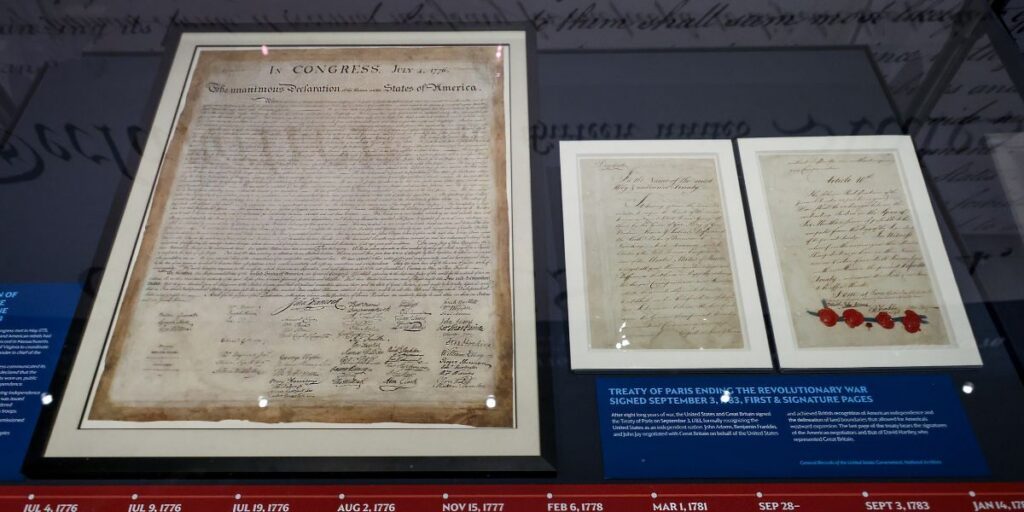
Founding documents reconnect us to our shared American roots – and rebelliousness | Vince Bzdek
Vince Bzdek
vince.bzdek@gazette.com
Updated 13 hours ago
When you first lay eyes on the actual founding documents of our country that, for the first time in history, have traveled together from their gilded cages in Washington to visit us out here in the hinterlands, you’re struck not...
Colorado General Assembly Dems kill early effort to protect children from online content | A LOOK BACK
Rachael Wright, Special to Colorado Politics
rachael.wright@coloradopolitics.com
Updated 4 days ago
Twenty-Five Years Ago This Week: Legislation sponsored by state Rep. Tim Fritz, R-Loveland, sought to use software to prevent children from violent, pornographic, or hateful materials. But after the Senate Judiciary Committee attached an “unfriendly” amendment, House Bill 01-1376 died...

Colorado Politics Calendar June 1-7
Rachael Wright, Special to Colorado Politics
rachael.wright@coloradopolitics.com
Updated 4 days ago
CoPo’s weekly political calendar will help you find political and public-policy events throughout Colorado. It includes candidate and issue campaign events, public policy meetings, court hearings, state and local party conventions, assemblies, debates, rallies, parades, speaking engagements, traveling dignitary appearances,...
Would you hire Jena Griswold to handle your case? | SONDERMANN
By Eric Sondermann
by-eric-sondermann@coloradopolitics.com
Updated 4 days ago
If you were in a child custody dispute with a former spouse, would you hire an attorney with experience in family law or would you trust your case to an operative with virtually zero mastery? If you were getting ready...
Gov. Jared Polis vetoes bill requiring disclosure from administration lobbyists
Marianne Goodland
marianne.goodland@coloradopolitics.com
Updated 14 hours ago
Gov. Jared Polis on Friday vetoed a bill that would have required executive branch lobbyists to follow much of the same disclosure rules that already govern other Capitol lobbyists. Lobbyists for organizations are required to state their clients’ position on...

Gov. Jared Polis blocks Colorado Lottery’s move to allow credit card sales
Marianne Goodland
marianne.goodland@coloradopolitics.com
Updated 14 hours ago
Gov. Jared Polis on Friday signed legislation to block the Colorado Lottery’s move to allow the purchase of tickets with credit cards, effectively reversing his earlier position. Last November, Polis had said that he supported the decision of the Colorado...
Colorado governor vetoes union dues bill — again
Colorado Politics
colorado-politics@coloradopolitics.com
Updated 1 day ago
Gov. Jared Polis on Friday vetoed yet again legislation that would have made it easier for labor organizations to impose dues on non-union members, a decision long expected after the legislature approved the measure without securing the buy-in of businesses....

Colorado Democratic attorney general candidates clash over experience and Trump lawsuits
Marianne Goodland
marianne.goodland@coloradopolitics.com
Updated 1 day ago
Colorado’s four Democratic candidates for attorney general clashed sharply Thursday night in a debate that repeatedly returned to one theme — whether the state’s top lawyer should be a courtroom veteran or a political fighter. The contenders additionally sparred over...