

Arapahoe, Jefferson county officials cheer de-Brucing wins
Arapahoe County and Jefferson County voters decided on Tuesday night to allow their local governments to retain and spend taxes they have collected, bringing the two counties up to speed with many others that have already done so.
Issue 1A in Arapahoe County received 71% of the vote, with 218,970 votes counted, the unofficial count on Wednesday morning showed. Meanwhile, Issue 1A in Jefferson County led by a smaller but still comfortable margin, 57.5% to 42.5%, with 332,545 votes counted.
Under Colorado’s Taxpayer’s Bill of Rights, voters may allow their respective governments to “de-Bruce” — that is, permit a county, municipality, or school district to eliminate TABOR’s revenue limit and use all the taxes it has collected for spending priorities. The phrase references the constitutional amendment’s author, Douglas Bruce.
Arapahoe County and Jefferson County were two of just a handful of counties that still operated under the TABOR limits.
Arapahoe County officials said they placed the measure on the ballot after years of insufficient tax revenue and increased demand for services. Its approval allows the county to retain roughly $74 million more tax revenue in some years.
The proposal technically does not raise taxes, officials said.
Commissioner Carrie Warren-Gully, who was re-elected to another term by a wide margin Tuesday night, said the county’s budget was one of the biggest challenges she faced going into her next four years on the commission.
Warren-Gully and her fellow commissioners said they did a lot of outreach to residents about the county’s budget and the option to ‘de-Bruce,’ and she is pleased with the result of their work.
“It’s gratifying that our voters in our community see that we provide a lot of essential services and that they believe that we’re doing the right work with those essential services,” she told the Denver Gazette on Wednesday.
Residents likely won’t see the impact of the ballot measure until 2026, she said, since the 2025 budget is already balanced, which required cutting about $29.5 million.
Over the years, the budget challenges have created a backlog in county work, and county officials will need to be “thoughtful” about how they use the new funding to fill that backlog, Warren-Gully said.
The money will largely go toward infrastructure and public safety, she said, and residents will start seeing the funding midway through 2025, when the county starts its budgeting process for 2026.
“There’s a lot of need, and this seems like a big pot of money, but we have to be really judicial with it,” she said.
As the county has grown, so did the need to “de-Bruce,” she said, explaining the delay in following suit with other counties breaking away from the TABOR limits.
“Arapahoe County has always prided ourselves on being fiscally responsible and using our taxpayer dollars in the best way possible,” she said. “As we’ve gotten bigger and inflationary measures have put pressure on our budget, we’ve just recognized that there’s just no way to keep up.”
The funding won’t change the focus on being efficient with taxpayer dollars, Warren-Gully said, but it will help them keep up with growth.
“I don’t see a real mind change in being efficient and wise with taxpayer dollars, but it does give us a little bit of a cushion to be able to keep up with the growth and changing needs of Arapahoe County,” she said.
Looking west, folks in Jefferson County also voted to remove TABOR restrictions by a margin of 57.46% to 42.54%, a difference of almost 50,000 votes, according to the latest tally.
This was the third time in five years that officials asked voters to keep and spend revenue collected above the limits imposed by the Taxpayer’s Bill of Rights.
For the county of 593,000, which is facing a $20 million budget shortfall in 2025, the passing of 1A will keep an estimated $54.5 million in the government’s coffers. A significant portion of that would have been refunded to taxpayers.
Newly elected District 1 Commissioner Rachel Zenzinger said that problems began when the TABOR cap was artificially reduced during the pandemic. Once lowered, the cap cannot be restored to its original level without voter approval. As a result, she said, Jefferson County has been operating under a restricted revenue cap, even after implementing spending cuts.
County officials said that if passed, the funds from 1A would be used primarily for essential county services, such as public safety, transportation, county infrastructure, wildfire and flood mitigation, mental health programs and crime prevention.
“The needs of the county did not diminish, but Jeffco was expected to, somehow, pay the same number of bills with less money,” Zenzinger said, pointing to what county officials described as $600 million in transportation needs. “Passing 1A is the first step in addressing that backlog of needs.”
“This means that we will have more resources to dedicate towards fixing potholes and plowing roads,” said Cassie Pearce, Jefferson County Public Affairs Director. “We can also improve much-needed support to our first responders and emergency management personnel.”
However, some critics of the ballot measure remain skeptical of the county’s ability to control spending.
Natalie Menten, a TABOR Foundation board director who ran unsuccessfully for the District 2 commissioner seat, said, “The ballot language and financial disclosure were misleading and didn’t include known financial impact.”
Measure 1A includes language that calls for regular audits to ensure funds are spent exactly as specified on the ballot.
The biggest win for the county, Zenzinger said, is that it can now pursue more state grant money, which would have put it over the limit under the TABOR cap.
Jeffco dodged budget cuts for a few years due to the availability of federal ARPA funds, which Zenzinger said did not count toward the revenue cap calculation. But without those federal dollars, the county would have to consider serious cuts to the general fund, impacting services such as public safety, she said.
The proposal’s passage means taxpayers won’t get a tax refund check.
In 2019, the commissioners voted to place a similar ballot measure, but nearly 55% of voters shot down the proposal. The measure appeared again on the ballot in 2022 and the result was close — with 50.53% of voters saying “no.”


Lauren Boebert’s hard ‘no’ on Pentagon Iran funding request puts Mike Johnson in tough spot
Emily Hallas, Washington Examiner
emily.hallas.washington.examiner@gazetteedit.wpenginepowered.com
Updated 7 hours ago
Colorado U.S. Rep. Lauren Boebert announced on Thursday that she will not support further funding for the United States’s war in Iran, marking an uphill battle for the Trump administration’s effort to secure additional financing from Congress. “I’ve already told...
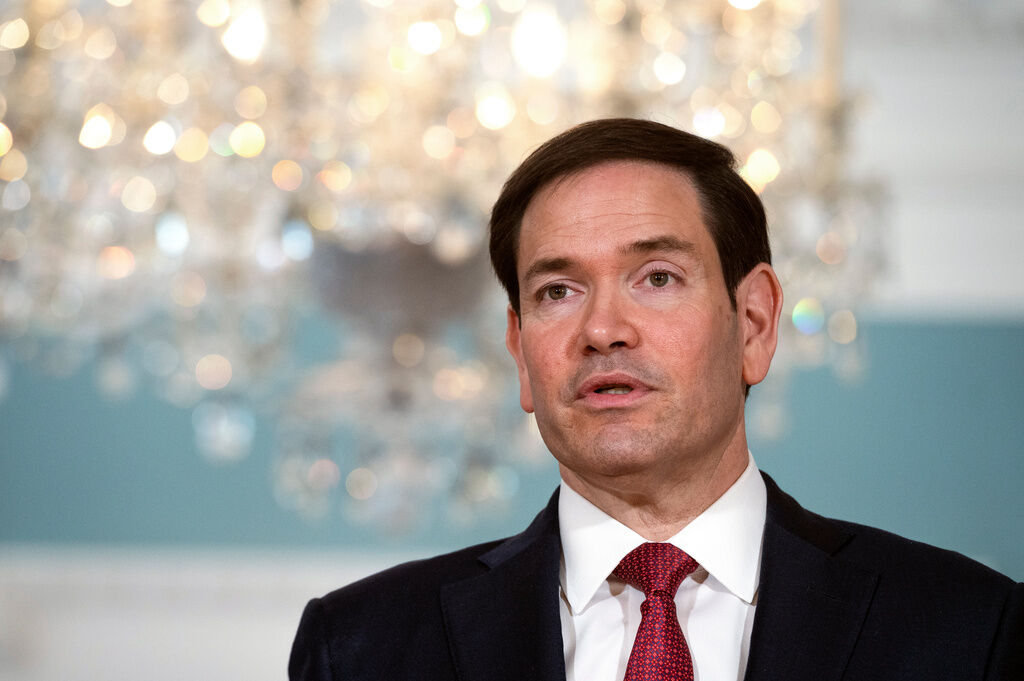
Rubio gains ground in 2028 jockeying as Iran war elevates his profile
Samantha-Jo Roth, Washington Examiner
samantha-jo.roth.washington.examiner@gazetteedit.wpenginepowered.com
Updated 7 hours ago
Secretary of State Marco Rubio’s high-profile role in the Trump administration’s response to the Iran war is boosting his standing in the early jockeying for the 2028 Republican presidential nomination — and positioning him as a possible rival to Vice...
Federal judge dismisses claims against medical contractor for Eagle County jail suicide
Michael Karlik
michael.karlik@coloradopolitics.com
Updated 6 hours ago
A federal judge dismissed the claims against a medical contractor for the Eagle County jail and its employees earlier this month, concluding there were insufficient allegations that they violated the constitutional rights of a man who died by suicide in...

Colorado Senate committee advances bill increasing overtime threshold for farmworkers
Marianne Goodland
marianne.goodland@coloradopolitics.com
Updated 5 hours ago
The struggle to balance farmworker protections with the survival of Colorado’s family farms took center stage Thursday as senators debated two competing overtime bills. The Senate Business, Labor and Technology Committee held a rare double-bill hearing that led to a...

Colorado bill to fund mental health care with alcohol taxes defeated in House committee
Marissa Ventrelli
marissa.ventrelli@coloradopolitics.com
Updated 7 hours ago
A second measure proposing that alcohol producers and wholesalers in Colorado help fund mental health care treatment in the state was narrowly defeated in the House Health and Human Services Committee on Wednesday. House Bill 1301, sponsored by Rep. Bob...
Lawsuit targets Gov. Polis, Colorado officials for holding juveniles after court‑ordered release
Marissa Ventrelli
marissa.ventrelli@coloradopolitics.com
Updated 7 hours ago
Colorado officials are facing a lawsuit alleging the state has kept minors in juvenile detention for days or months after judges ordered them released, largely because appropriate foster or community placements were not available. Two minors involved in Colorado’s criminal...
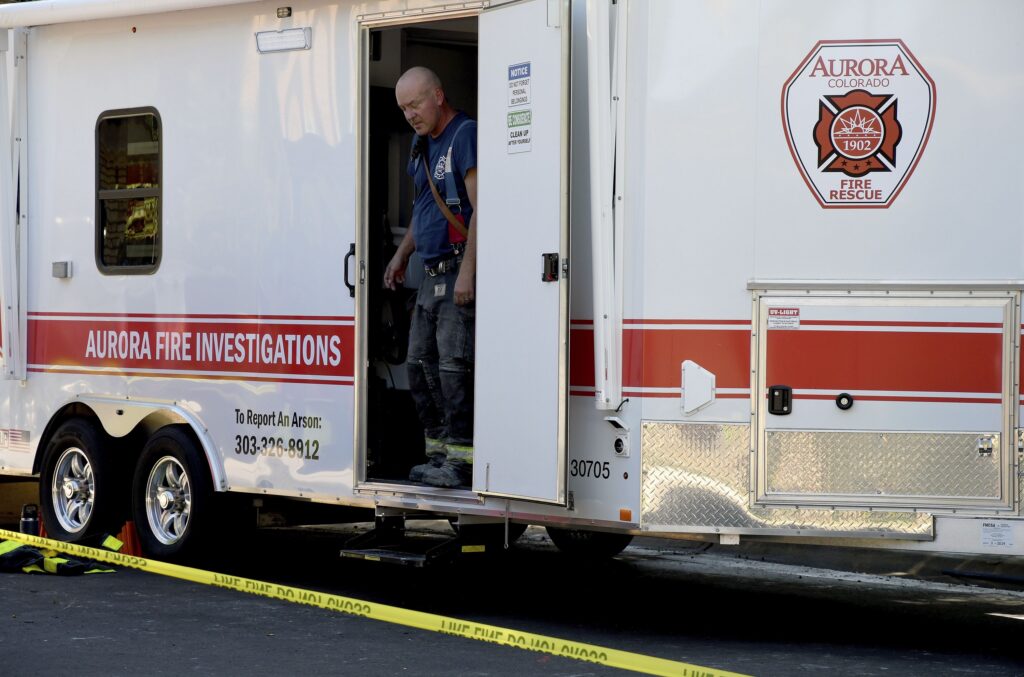
Federal judge advances lawsuit seeking overtime compensation for Aurora firefighter trainees
Michael Karlik
michael.karlik@coloradopolitics.com
Updated 11 hours ago
A federal judge gave preliminary approval earlier this month to a class of Aurora firefighter trainees who may sue the city over allegations that they were denied overtime pay in violation of federal law. Joseph Elias, who attended Aurora’s fire...
Appeals court says jury not obligated to apply discounts to determine value of stolen merch
Michael Karlik
michael.karlik@coloradopolitics.com
Updated 11 hours ago
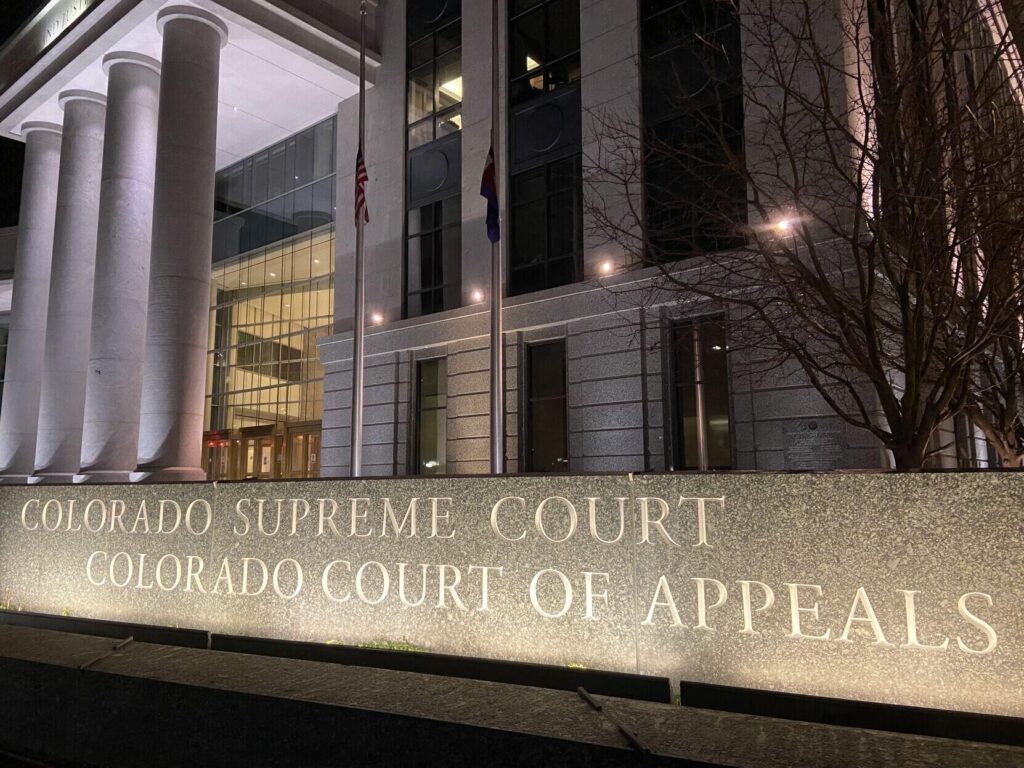
Colorado’s second-highest court concluded on Thursday that it was up to a Douglas County jury to determine the value of stolen merchandise at a defendant’s theft trial, after both sides presented different estimates of the items’ value. Under state law,...

Trump switches endorsement back to Jeff Hurd, says Hope Scheppelman is ending run in Colorado’s 3rd CD
Ernest Luning
ernest.luning@coloradopolitics.com
Updated 5 hours ago
In a surprise twist, President Donald Trump on Friday said he was again endorsing Republican U.S. Rep. Jeff Hurd after pulling his support from the Grand Junction Republican last month and instead backing Hurd’s primary challenger in Colorado’s 3rd Congressional...
Set appropriate state guidelines for critical surveillance technology | OPINION
Colorado Politics
colorado-politics@coloradopolitics.com
Updated 22 hours ago
I admit it: I’m worried. I’m hearing a lot about surveillance in the public arena. I hear cameras are capturing my car’s license plate wherever I drive, my face as I go in and out of stores and health facilities,...