

Colorado Supreme Court rules DUI suspects may revoke consent to blood test, requiring warrant
Suspected drunk drivers do have the ability to revoke their consent to a blood or breath test, meaning police will generally need to get a warrant to measure intoxication levels, the Colorado Supreme Court ruled on Monday.
Although the U.S. Supreme Court has not explicitly held that states cannot legislate consent for warrantless blood draws on behalf of their citizens, Colorado’s justices believed the court’s recent statements signaled the idea of state-created consent is on shaky constitutional grounds.
“In sum, we hold that a conscious driver may revoke their statutory consent to a blood draw,” wrote Justice Melissa Hart in the June 3 opinion. “Once consent has been revoked, the police are generally required to obtain a warrant before trying to conduct a blood draw.”
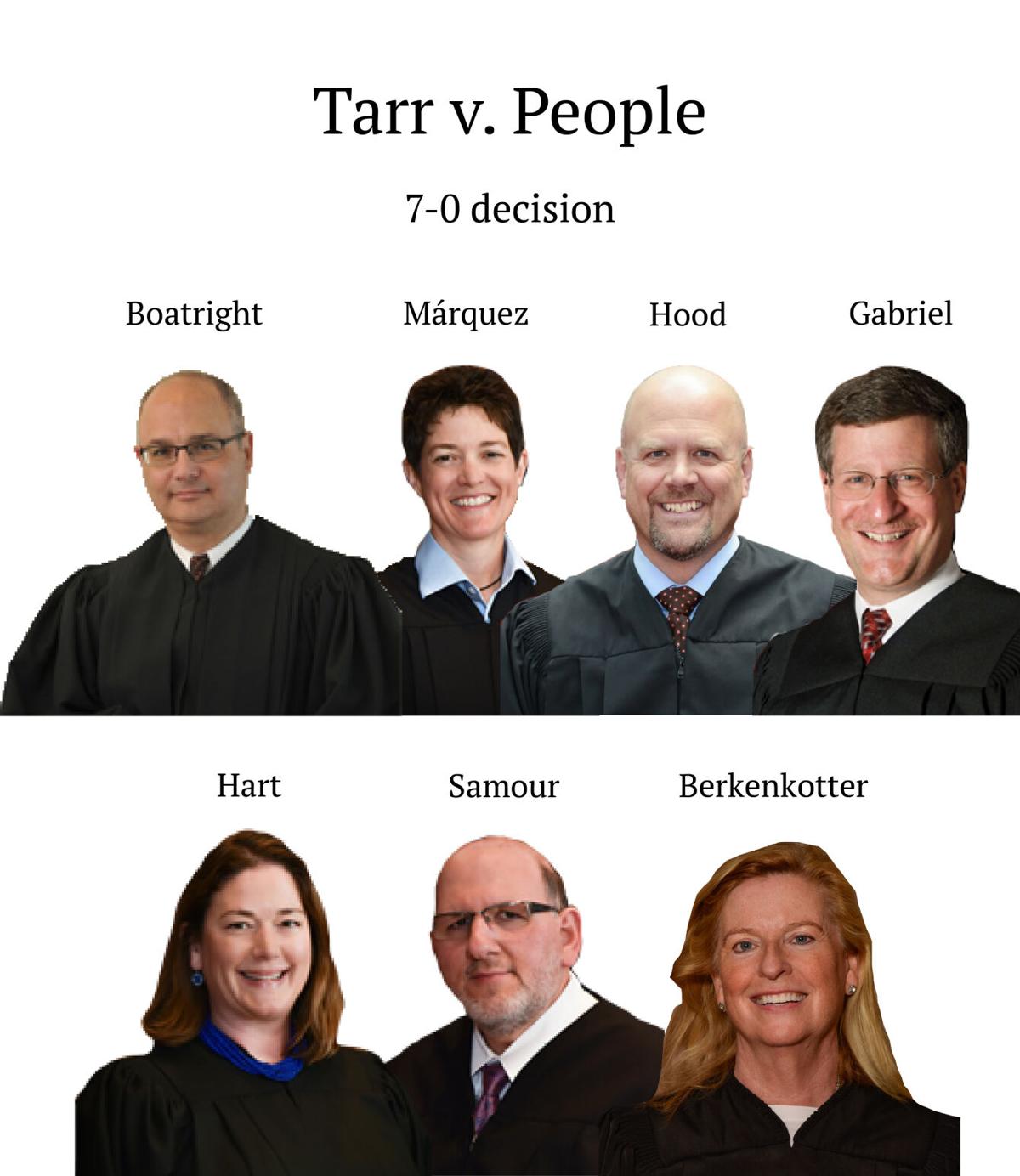

Under Colorado’s “expressed consent” law, motorists have automatically consented to take a blood or breath test if an officer has probable cause to suspect them of impaired driving. If drivers refuse to test within two hours of being stopped, the refusal can be used against them at trial and is grounds for revoking their driver license.
Seven years ago, Colorado’s justices addressed whether the state-created consent meant police could draw the blood of an unconscious DUI suspect. Yes, the court reasoned in People v. Hyde, because “there is no constitutional right to refuse a blood-alcohol test.”
The case of Christopher Oneil Tarr, however, raised the question of whether Colorado’s legislature could create the consent necessary to overcome a driver’s real-time objection to a blood draw. Backing away from its sweeping statement in Hyde, the Supreme Court concluded that under the circumstances, the Fourth Amendment directs police to obtain a warrant before conducting searches and seizures — the extraction of blood qualifying as a “search.”
Real consent or not?
Late one night in August 2016, Tarr was driving drunk in Aurora, well in excess of the speed limit, when he hit and killed Dalton McCreary in a crosswalk. An Arapahoe County jury convicted Tarr of vehicular homicide and other offenses.
After the crash, first responders transported Tarr to the hospital. Law enforcement told him about Colorado’s expressed consent law. Tarr initially refused a blood test. When police learned McCreary had died, they informed Tarr a forcible blood draw was on the table, which is authorized in cases of vehicular homicide. Tarr again declined to provide his consent, but did not resist while his blood was extracted. The results showed Tarr’s blood alcohol content at approximately four times the legal limit at the time he struck McCreary.
Two years after Tarr’s conviction and the state Supreme Court’s Hyde decision, the U.S. Supreme Court weighed in on whether states’ expressed consent laws authorizing blood draws of DUI suspects are constitutional. Although a majority was unable to unite around a single rationale, multiple members of the court suggested states could not legislate consent for their citizens.
If a driver “had signed something at the DMV,” Justice Elena Kagan observed during oral arguments, “you might have an argument, ‘Look, there’s the manifestation of consent, his signature on a page saying that he agreed to a blood test.’ But there’s nothing like that here.”
“I would go further,” wrote Justice Sonia Sotomayor for herself and two other members, “and hold that the state statute, however phrased, cannot itself create the actual and informed consent that the Fourth Amendment requires.”

Light illuminates part of the Supreme Court building Wednesday on Capitol Hill in Washington.
the associated press

Light illuminates part of the Supreme Court building Wednesday on Capitol Hill in Washington.
Prior to trial, Tarr attempted to block the test results from being used as evidence, but District Court Judge Ben L. Leutwyler disagreed, believing the blood draw fit under the consent exception to the Fourth Amendment’s warrant requirement. A three-judge panel for the Court of Appeals subsequently felt obligated to conclude, under the Hyde decision, that Tarr had no right to withdraw the consent automatically provided by state law.
Backing away from state-created consent
On appeal to the state Supreme Court, public defender Casey Mark Klekas described the “deal” Colorado’s expressed consent law creates for drivers: They must consent to a blood or breath test when requested in exchange for use of the roads. If they refuse, they will face consequences — the loss of driving privileges and use of their refusal as evidence of guilt.
If part of the “deal” involves circumventing the Fourth Amendment legislatively, Klekas argued to the court, there could be laws automatically authorizing people’s consent to be searched if they walk down Colfax Avenue late at night, for instance.
Hart explained in the opinion that the state Supreme Court’s support for drawing the blood of unconscious drivers in Hyde relied “significantly” on the U.S. Supreme Court’s seeming approval of state-created consent at the time. Given the more recent statements from the nation’s highest court, she acknowledged it was unwise to push the envelope and find conscious drivers could not revoke their consent.
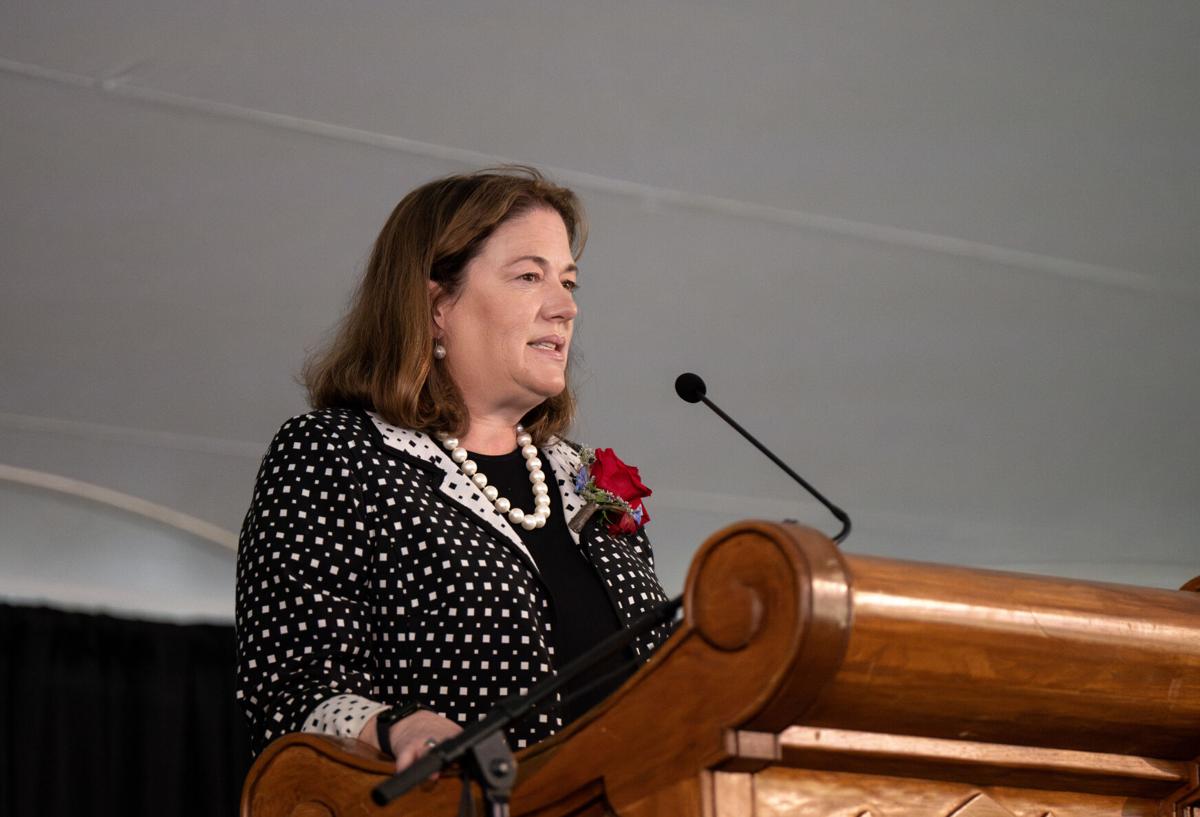
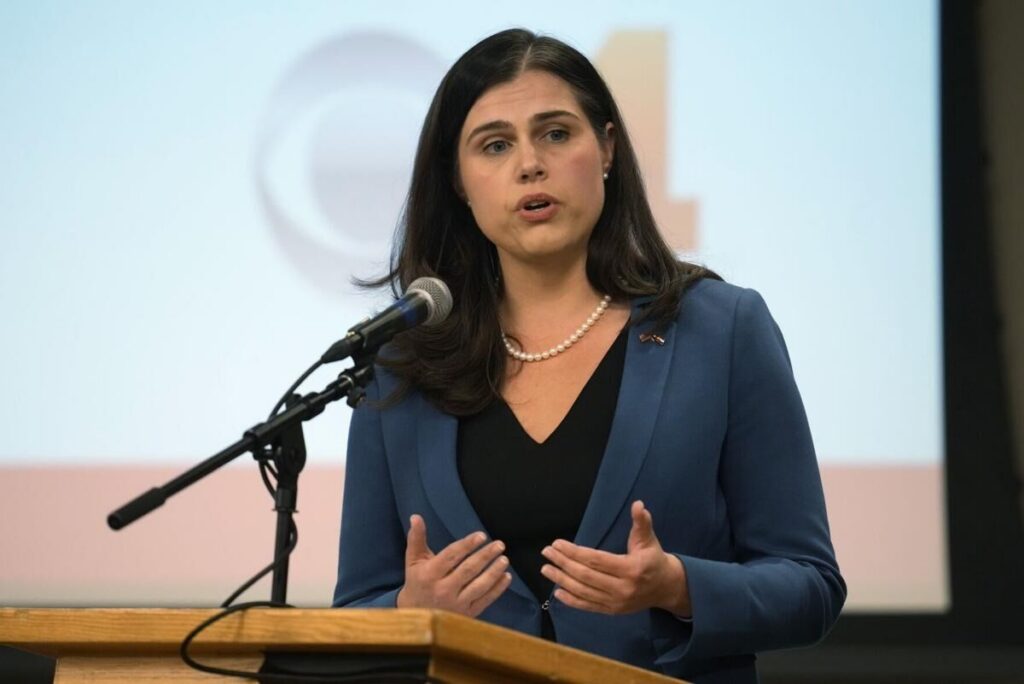
Justice Melissa Hart speaks at the Fountain Valley School graduation ceremony on Saturday, May 25, 2024, in Colorado Springs, Colo. (Parker Seibold, The Gazette)

Justice Melissa Hart speaks at the Fountain Valley School graduation ceremony on Saturday, May 25, 2024, in Colorado Springs, Colo. (Parker Seibold, The Gazette)
The justices returned Tarr’s case to the Court of Appeals so it could consider whether one of the established exceptions to the Fourth Amendment’s warrant requirement — other than consent — applied to the blood draw, making the police’s actions lawful after all.
Bruce I. Brown, the former elected district attorney for the Fifth Judicial District, said obtaining warrants can be time intensive, and the expressed consent law sets a two-hour window for police to collect a DUI suspect’s blood for testing.
At the same time, “we are seeing more law enforcement agencies seeking search warrants for a blood sample in non-routine DUIs,” he said. “I expect that to be the trend and for courts and law enforcement to become ‘more efficient’, particularly in large metro areas, in processing submitted warrants quickly.”
The case is Tarr v. People.

10th Circuit says landowner cannot sue ex-Routt County judge for statements in decision
Michael Karlik
michael.karlik@coloradopolitics.com
Updated 41 minutes ago
A Routt County landowner cannot sue a former judge for his allegedly inaccurate statements in a case where the landowner was not a party, the Denver-based federal appeals court decided on Wednesday. Anne Fitzsimmons, who lives in Germany, owns a...
Parole, appeals deadlines and restitution: Colorado justices accept cases
Michael Karlik
michael.karlik@coloradopolitics.com
Updated 20 hours ago
The Colorado Supreme Court announced on Monday that it will determine how a defendant’s parole-eligibility date should be calculated in instances where a new trial results in a sentence being imposed retroactively to the date of the original, since-overturned sentence....
Federal judge rejects DOJ bid to force Colorado to hand over voter information
Marissa Ventrelli
marissa.ventrelli@coloradopolitics.com
Updated 1 day ago
A U.S. district court judge has dismissed a lawsuit filed by the U.S. Department of Justice against Colorado Secretary of State Jena Griswold for refusing to provide the agency with personal voter information. Last December, the DOJ’s Civil Rights Division asked...
3 Colorado judges receive unfavorable retention recommendation as one performance commission violates rules
Michael Karlik
michael.karlik@coloradopolitics.com
Updated 1 day ago
Of the 123 Colorado judges standing for retention on the November ballot, citizen-led performance commissions found that three did not meet the required performance standards. However, in an unprecedented move, the commission charged with evaluating Supreme Court and Court of...
10th Circuit weighs Gross Reservoir expansion, judge’s ‘punishment’ of Denver Water
Michael Karlik
michael.karlik@coloradopolitics.com
Updated 2 days ago
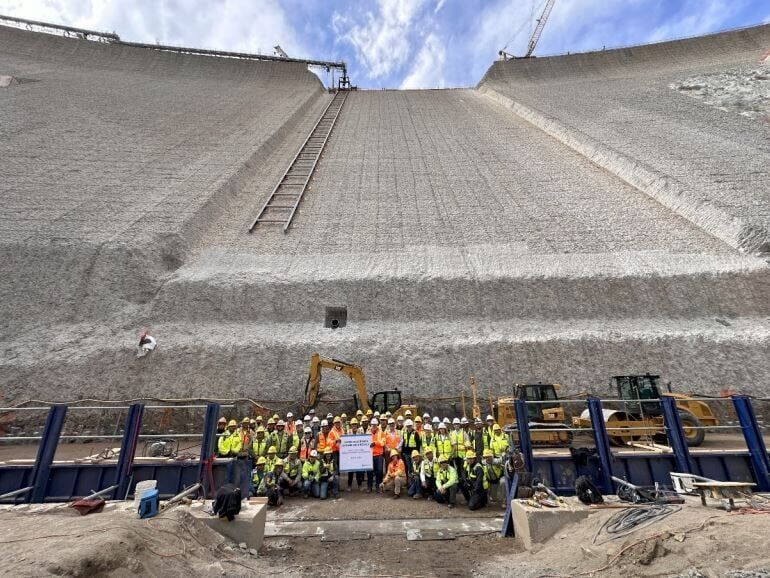
Members of the Denver-based federal appeals court considered on Friday whether they could intervene in an ongoing infrastructure project to enlarge a Boulder County dam after a trial judge deemed the underlying permit unlawful nearly two years ago. Denver Water...
10th Circuit upholds federal prohibition on juvenile handgun possession
Michael Karlik
michael.karlik@coloradopolitics.com
Updated 23 hours ago
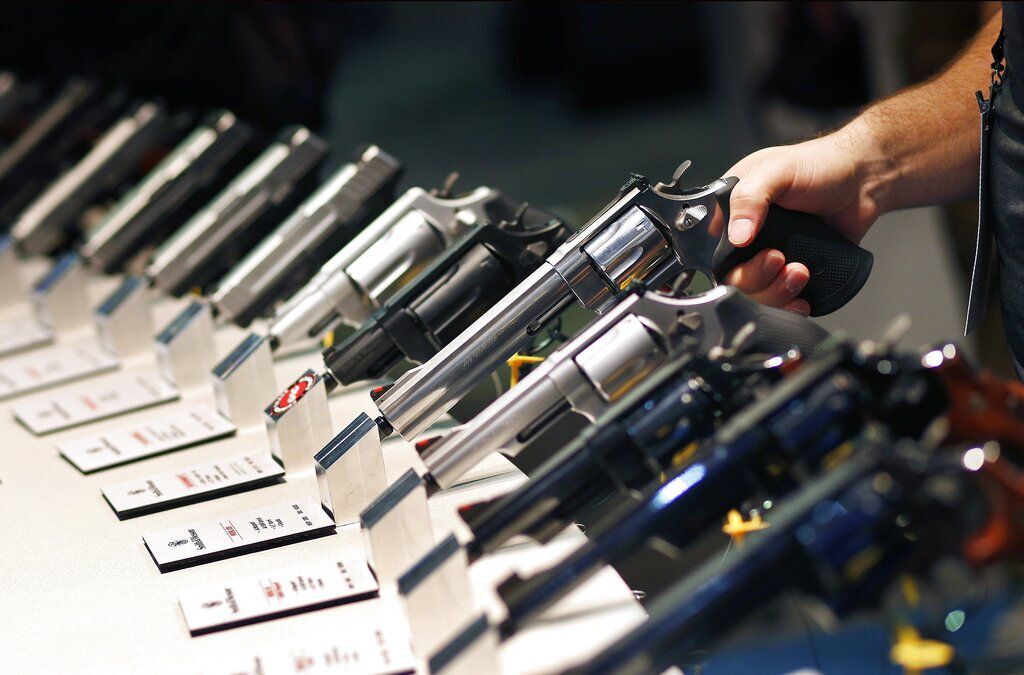
The Denver-based federal appeals court concluded on Monday that Congress acted within its constitutional powers to make it a crime for juveniles to possess handguns in most instances. The decision from the U.S. Court of Appeals for the 10th Circuit...

Senate advances judicial nominee, Montezuma County judge agrees to discipline | COURT CRAWL
Michael Karlik
michael.karlik@coloradopolitics.com
Updated 2 days ago
Welcome to Court Crawl, Colorado Politics’ roundup of news from the third branch of government. A U.S. Senate committee advanced a judicial nominee from Colorado, plus a Montezuma County judge agreed to receive discipline for his misconduct that stops short...
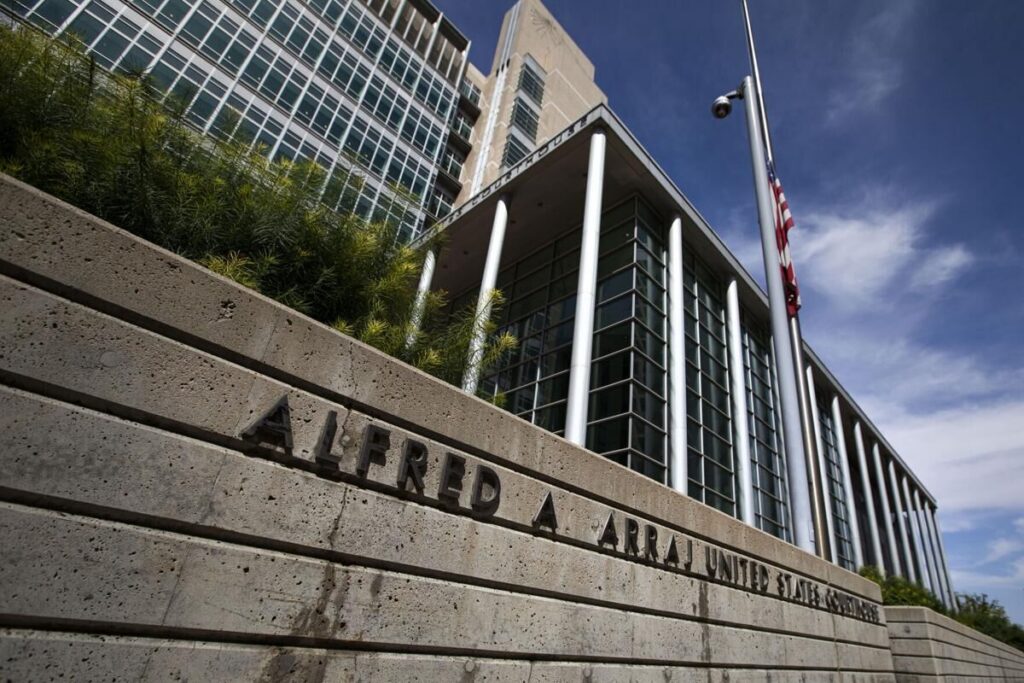
Judge denies Calderon injunction case against Denver, Johnston
Deborah Grigsby
deborah.smith@denvergazette.com
Updated 2 days ago
A U.S. District Court judge has denied a preliminary injunction in the case of Jessica Calderon, the Denver city employee who won a temporary restraining order preventing the City and County of Denver from terminating her amid the 2025 citywide...
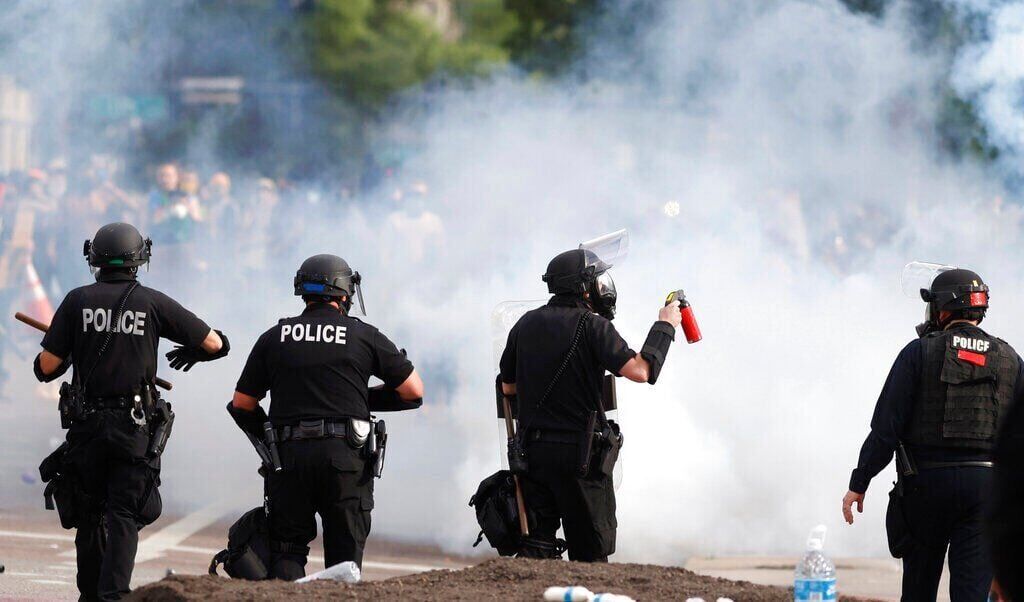
10th Circuit partially revives lawsuit over 2020 Denver protest injuries
Michael Karlik
michael.karlik@coloradopolitics.com
Updated 3 days ago
The Colorado-based federal appeals court revived a man’s claims against Denver on Friday after concluding a trial judge resolved the case in the city’s favor without analyzing two of the three instances of alleged excessive force and other constitutional violations....
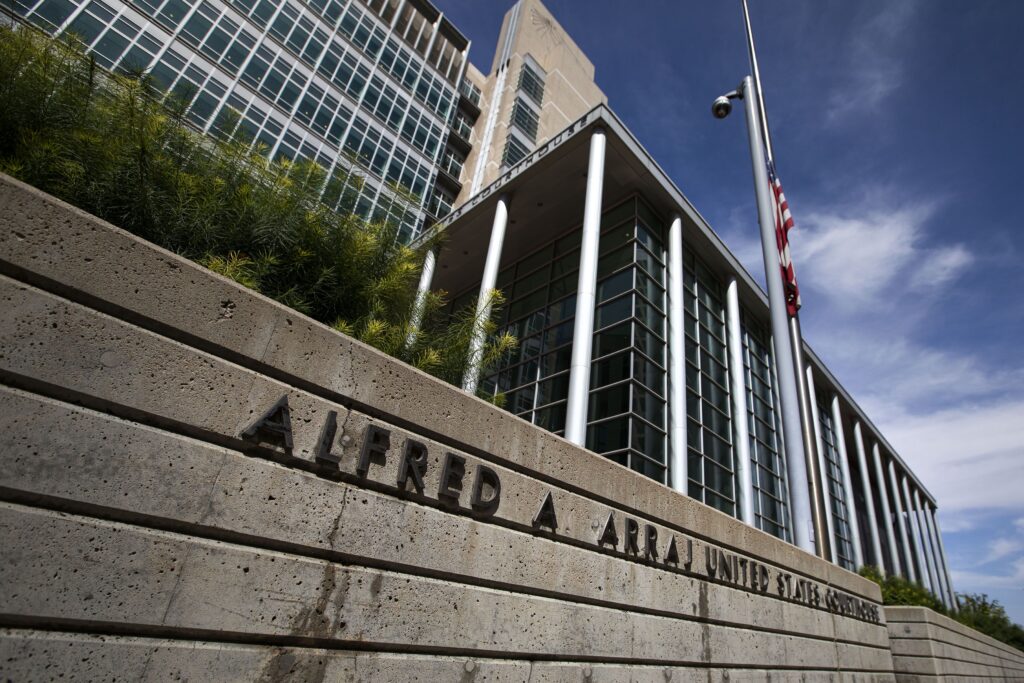
Federal judges find Colorado immigration judge violated several orders
Michael Karlik
michael.karlik@coloradopolitics.com
Updated 4 days ago
Multiple federal judges in Colorado have freed people from immigration custody after determining that one immigration judge violated their directives for properly conducting bond hearings. For nearly a year, Colorado’s U.S. District Court has faced a flood of habeas corpus petitions...