

Colorado sets precedent with in-person voting requirement in jails for general elections
Colorado recently became the first state in the nation to pass a law requiring county jails and detention centers to create makeshift polling locations for those being held but have not yet been convicted to vote in person during general elections.
Gov. Jared Polis signed Senate Bill 72 on May 31. The new law, which went into effect with his signature and will apply to the 2024 general election, says county jails and detention centers must offer at least one in-person voting day of at least six hours for eligible confined voters. The voting day will occur up to four days before Election Day, ensuring county clerk staff are available for Election Day duties.
The law states that county sheriffs must work with the county clerk and recorder’s office on in-person voting and set up a mail ballot collection and “ballot curing system” inside the jail. Confined voters must receive voting information and can also register to vote.
The bill divided county clerks, some of whom called it an unfunded mandate, and it was opposed by sheriffs who cited the bill’s civil penalties of $5,000 per violation for jails that did not comply.
Supporters, meanwhile, said it’s about access to a fundamental right.
Matt Crane, executive director of the Colorado County Clerks Association, pointed out during the bill’s trip through the legislature that the issue is one of the resources, especially for smaller counties. The bill provides $167,000 to cover the costs of setting up mail ballot boxes, voting equipment and staffing. That’s less than $3,500 per county.
He also suggested a scenario in which a sheriff could be on the ballot and indicated that doing so might create undue influence.
Those eligible to vote are generally incarcerated pre-trial — meaning they have not been convicted of a crime or are serving sentences in a county jail for misdemeanors.
Counties that have long offered voting for inmates cited low participation. In Douglas and El Paso counties, for example, only one person at each jail voted in the last election, although hundreds were eligible.
That contrasts with Denver’s voting history. In the 2023 mayoral election, 58.7% of eligible incarcerated inmates voted.
Allowing jail inmates to vote is not new. In 1974, according to The Sentencing Project, the U.S. Supreme Court affirmed the voting rights of those incarcerated in jails under certain circumstances.
According to the state’s Department of Public Safety, about 9,200 individuals were incarcerated in the first three months of 2024 in the 49 counties that operate jails across Colorado.


Federal judge hears arguments about Colorado’s 3-day gun purchase waiting period
Michael Karlik
michael.karlik@coloradopolitics.com
Updated 11 hours ago
A federal judge heard arguments on Monday about the constitutionality of a 2023 Colorado law that generally imposes a three-day waiting period on firearm purchases after the initiation of a background check. The test that the U.S. Supreme Court created...
U.S. Supreme Court clears way for Trump mail voting order in advance of midterms
Wire Services
wire-services@coloradopolitics.com
Updated 15 hours ago
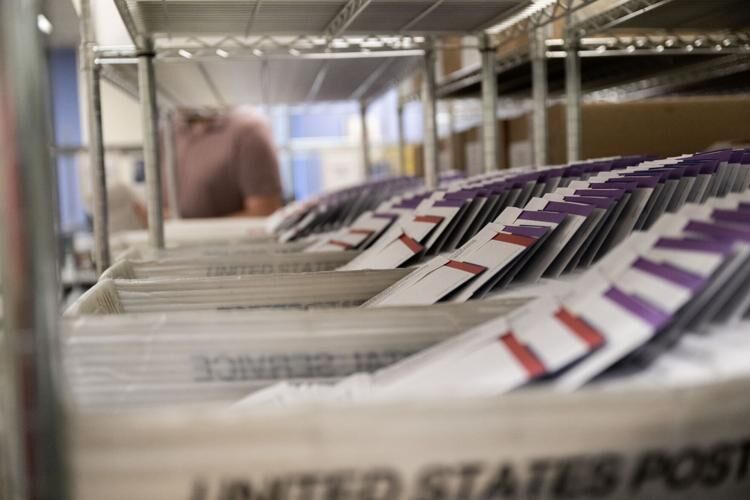
WASHINGTON • The U.S. Supreme Court on Monday cleared the way for President Donald Trump to move ahead with an executive order that seeks to restrict the mailing of ballots to American citizens in an eligible voters list. The executive...
Colorado Supreme Court intervenes in Weld County prosecution dismissed due to Missy Woods misconduct
Michael Karlik
michael.karlik@coloradopolitics.com
Updated 15 hours ago
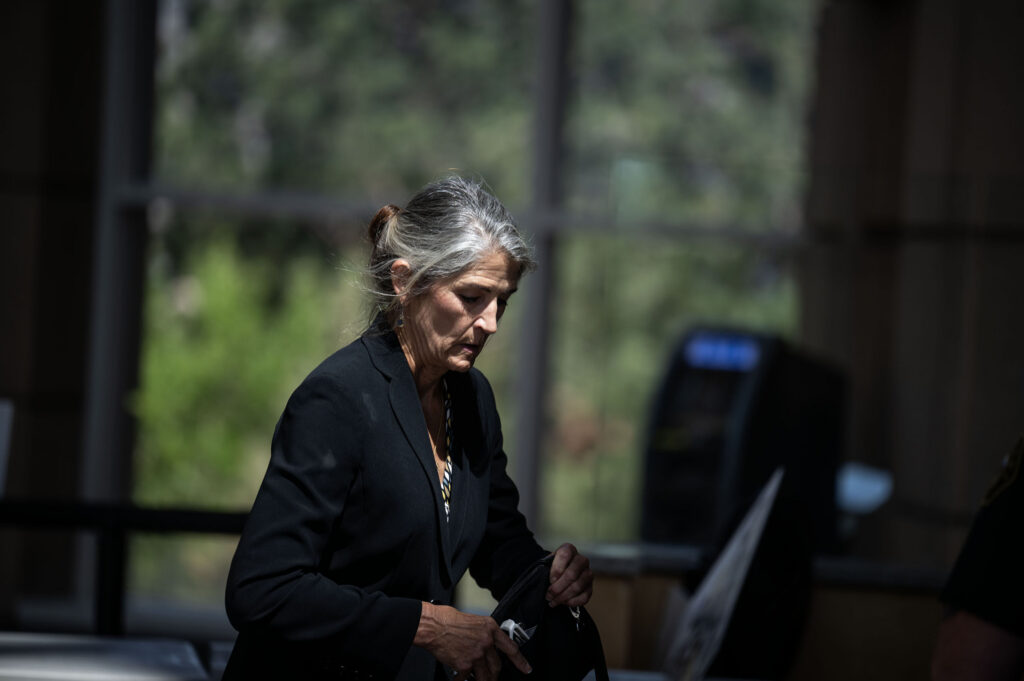
The Colorado Supreme Court ordered a Weld County trial judge last week to respond to the district attorney’s claim that he improperly dismissed a criminal case because of “outrageous” conduct by the Colorado Bureau of Investigation. Daniel Lee Eatinger stood...

Trump opens ‘economic D-Day’ offensive against Iran as war nears six-month mark
Christian Datoc
christian-datoc@coloradopolitics.com
Updated 19 hours ago
President Donald Trump is seeking to increase the financial pressure on Iran with new secondary sanctions on nations and foreign actors propping up the regime’s economy as the war between the United States and Tehran nears the six-month mark. Treasury...
Trump announces 50% tariffs on Canadian cars, auto parts, and steel
Naomi Lim
naomi-lim@coloradopolitics.com
Updated 20 hours ago
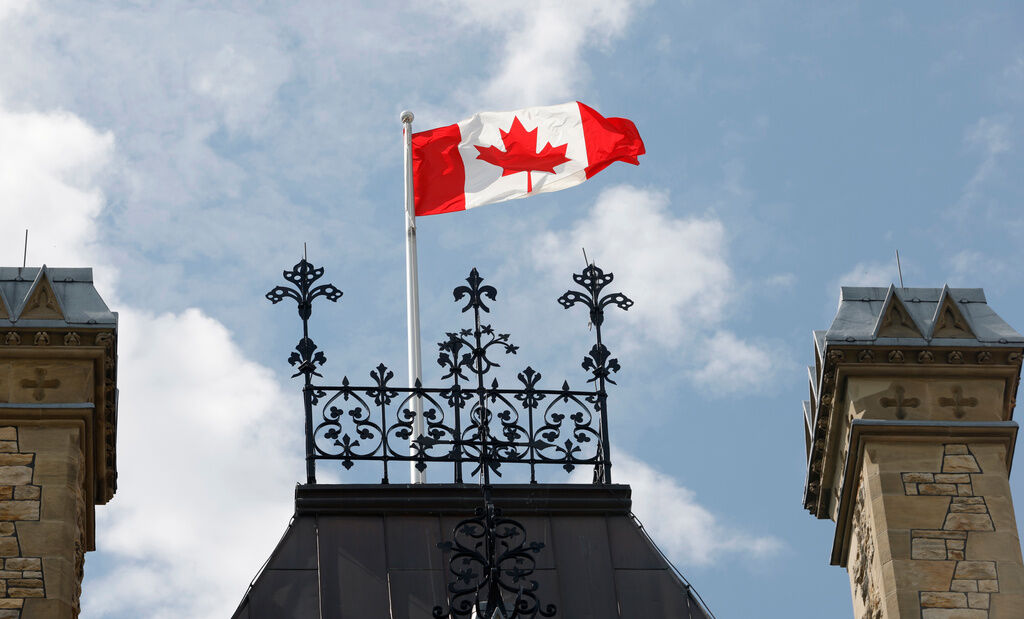
President Donald Trump escalated the trade war with Canada after talks collapsed last week, announcing Monday that the United States would impose 50% tariffs on cars, trucks, automotive components, and steel starting Jan. 1, 2027. “Canada has been ripping off...
Iran puts out propaganda video tracking Barron Trump’s location, offering $10 million for his assassination
Timothy Nerozzi
timothy-nerozzi@coloradopolitics.com
Updated 21 hours ago
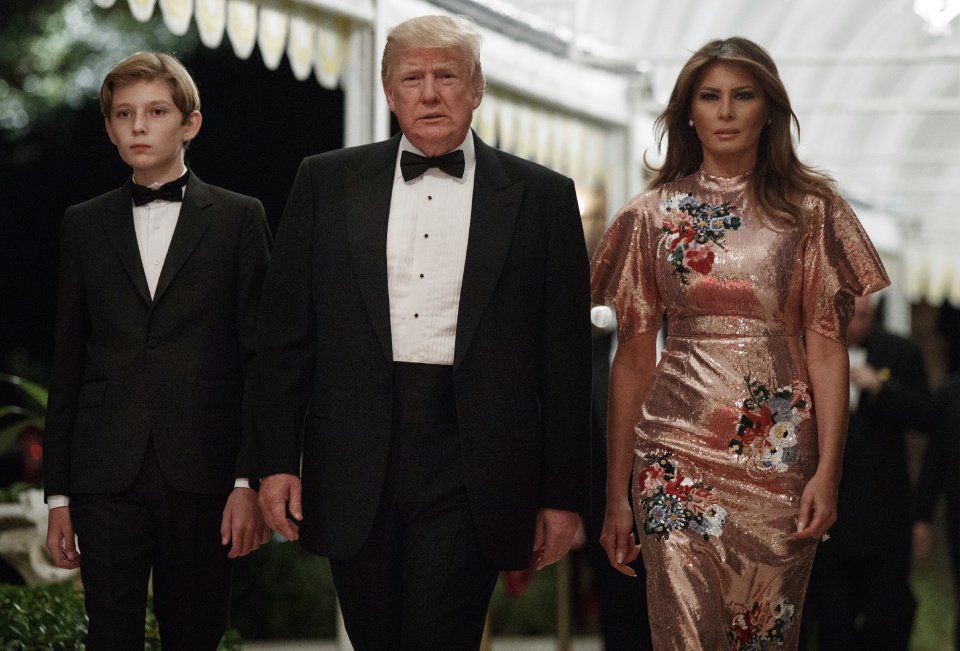
The Islamic Revolutionary Guard Corps is putting a hit out on President Donald Trump’s son, Barron Trump, with an inflammatory video claiming to track his location. State-run television in Iran is broadcasting a propaganda video claiming to show the locations...
Nevada sues Trump administration over Colorado River cuts
Marianne Goodland
marianne.goodland@coloradopolitics.com
Updated 13 hours ago
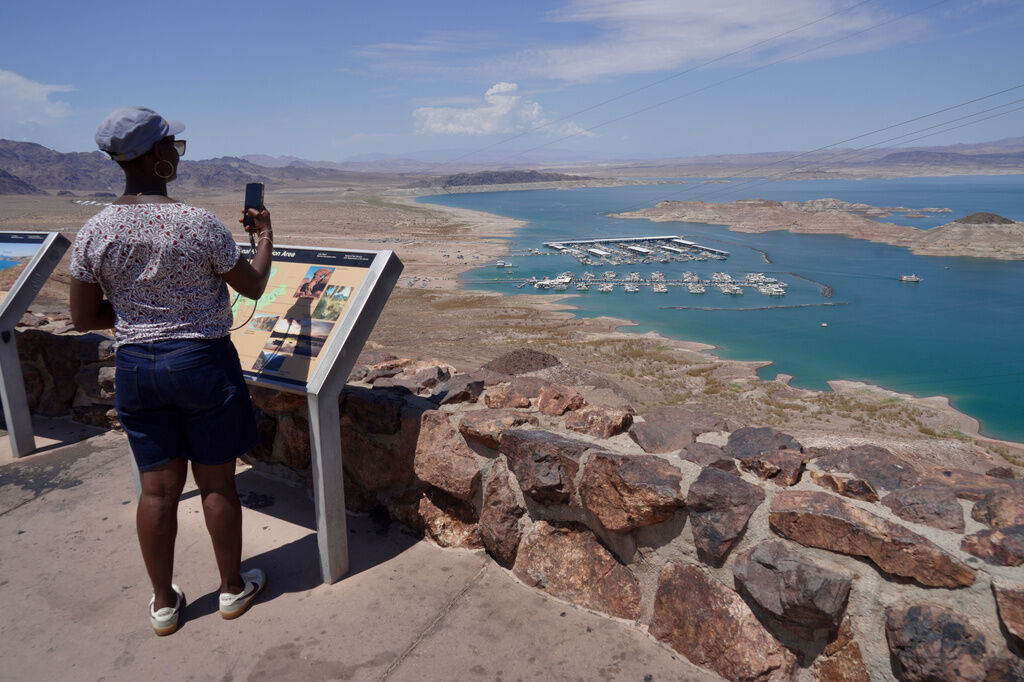
On Monday, the state of Nevada filed a lawsuit against the Trump administration and Interior Secretary Doug Burgum, seeking to block the Colorado River management plan. On Friday, Burgum released a “record of decision” that would reduce water allocations to...

Healthcare Freefall: Longer drives, fewer options for maternity care in Colorado
Thelma Grimes
thelma.grimes@coloradopolitics.com
Updated 23 hours ago
Editor’s Note: Colorado’s healthcare system is entering a period of accelerating instability — a “tsunami,” as multiple leaders describe it — driven by collapsing hospital finances, shrinking Medicaid reimbursements, disappearing services and a political fight over who is responsible for...
Polis requests federal disaster declaration for Colorado wildfires and floods
9News
9news@coloradopolitics.com
Updated 17 hours ago
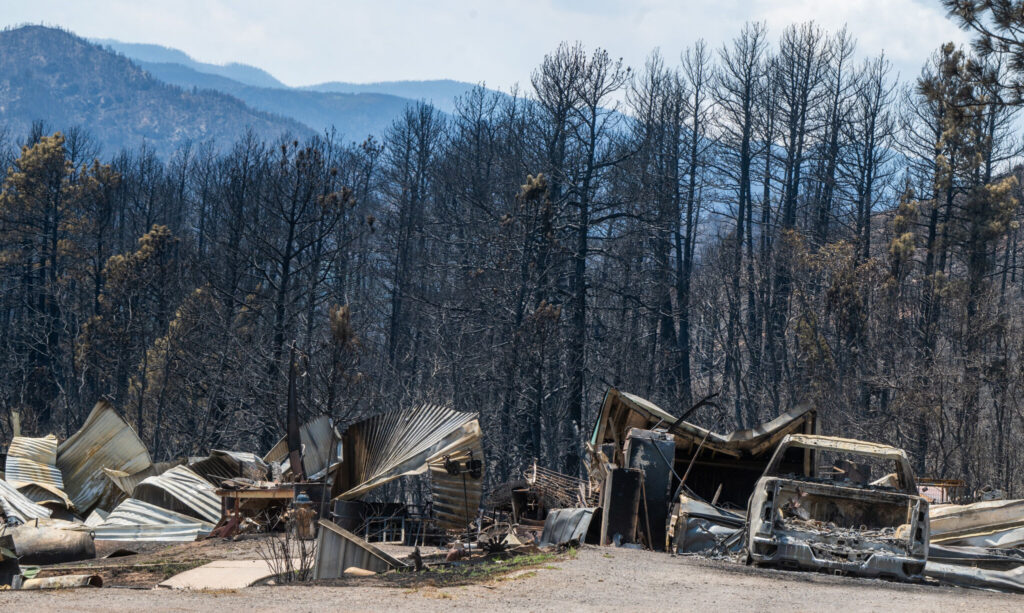
On Sunday, Gov. Jared Polis officially requested a Major Disaster Declaration from President Donald Trump and the Federal Emergency Management Agency to support recovery from two wildfires and the subsequent flooding and debris flows on both burn scars. Polis requested a declaration...
US strikes another boat in eastern Pacific, killing two, Pentagon says
The Associated Press
the-associated-press@coloradopolitics.com
Updated 24 hours ago
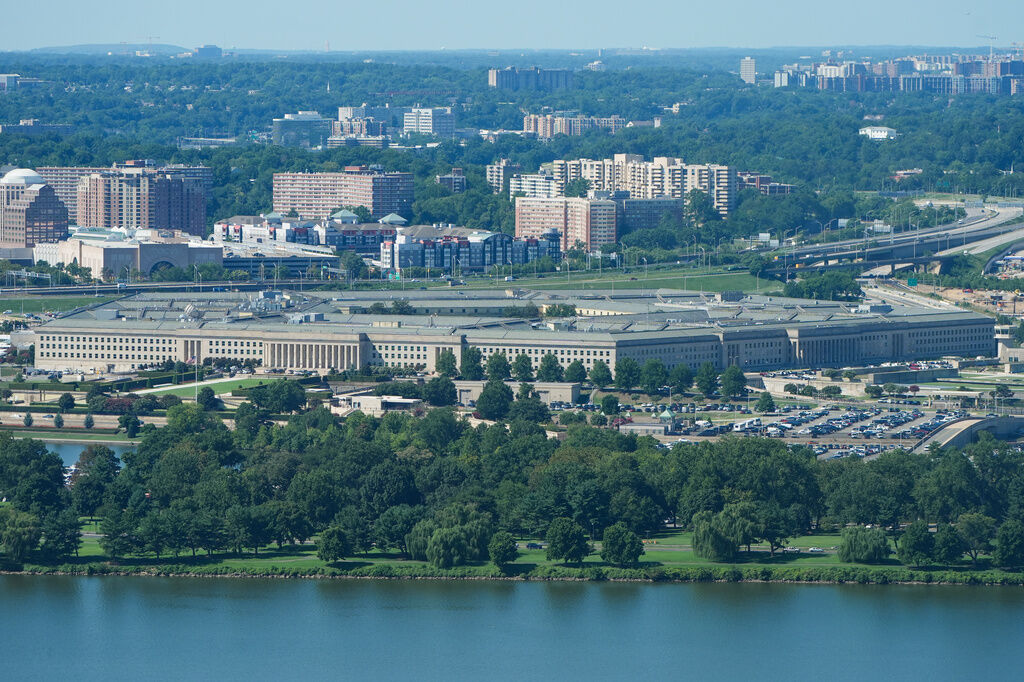
U.S. forces have struck another vessel in the eastern Pacific, killing two people the Pentagon says were trafficking drugs. The U.S. Southern Command announced the strike in a social media post early Monday. The death toll from the Trump administration’s...