

Colorado governor praises President Biden’s steps toward marijuana classification shift
Gov. Jared Polis praised President Joe Biden for taking steps toward rescheduling marijuana as a lower-risk substance.
Biden announced Thursday morning that the Drug Enforcement Administration has filed a notice of proposed rulemaking in the Federal Register, initiating a 60-day comment period. During this time, members of the public can submit comments on the rescheduling proposal before it’s finalized.
“The long wait is over and we thank President Biden and his administration for this major action on cannabis reform by moving marijuana from being in the same schedule as heroin to the schedule of codeine, acknowledging for the first time therapeutic use,” Polis said.
He said Colorado and 37 other states have taken “comprehensive steps to legalize marijuana for medical or adult use, pushing our country past the failed era of prohibition.”
“This action from the President is pro-freedom, and forward-thinking, and will help our economy and improve public safety. Today we begin to say goodbye to burdensome 280E tax provisions and embrace an expansion of freedoms Coloradans and Americans deeply value,” he said.
A supporter of federal cannabis reform for over 15 years, Polis co-founded the Congressional Cannabis Caucus in 2017. In 2021, he called upon Congress to pass the SAFE Banking Act, which would provide legal protections for banks that serve state-legal cannabis businesses.
An enhanced version of the SAFE Banking Act, the SAFER Banking Act, was introduced by Sen. Jeff Merkley, D-OR, in 2023 and is awaiting action. Late last year, Polis also led a coalition of governors urging Biden and the Drug Enforcement Administration to reschedule cannabis.
Colorado and Washington became the first states to legalize the recreational use of marijuana in 2012. Even if cannabis is rescheduled as lower-risk, it would still not be legalized for recreational use at the federal level.
Until recently, scientific research around the effects of cannabis has been scarce due to its classification as a Schedule 1 drug. The National Academies of Science pointed out that despite growing acceptance of marijuana in many states, “evidence regarding the short- and long-term health effects of cannabis use remains elusive” and that “no accepted standards for safe use or appropriate dose are available to help guide individuals as they make choices regarding the issues of if, when, where, and how to use cannabis safely and, in regard to therapeutic uses, effectively.”
A 2020 letter from the director of the National Institute on Drug Abuse said “marijuana impairs short-term memory and judgment and distorts perception” and, as a result, “can impair performance in school or at work and make it dangerous to drive.”
The group also warned against use of marijuana by children, saying it “affects brain systems that are still maturing through young adulthood, so regular use by teens may have negative and long-lasting effects on their cognitive development, putting them at a competitive disadvantage and possibly interfering with their well-being in other ways.” The group added that, contrary to popular belief, “marijuana can be addictive, and its use during adolescence may make other forms of problem use or addiction more likely.”
Researchers at the Colorado School of Public Health at the University of Colorado Anschutz Medical Campus recently pointed to studies showing that very potent marijuana is associated with psychosis, but that it also offers some benefits, such as reducing anxiety and depression.
Luke Niforatos, executive vice president for Smart Approaches to Marijuana, earlier called more research into marijuana-based medications a “good thing.” But the group wants marijuana to stay right where it is, at Schedule 1.
“From a scientific perspective, (it) makes no sense to change,” he said. “What we’ve learned from the science … it’s not something that has medical value.”

Atop taxes, here’s how much each Colorado resident pays in fees
Marissa Ventrelli
marissa.ventrelli@coloradopolitics.com
Updated 3 hours ago
Each Colorado resident paid nearly $5,000 in state-sanctioned fees last year, according to a report by a policy think tank. The report, which analyzed how fees have affected Colorado’s economy, found that fee revenue has more than tripled since 2008...

Colorado National Guard, Swiss Armed Forces celebrate partnership
Marissa Ventrelli
marissa.ventrelli@coloradopolitics.com
Updated 4 hours ago
Colorado’s National Guard marked a year of partnership with the Swiss Armed Forces at the Governor’s Mansion on Monday. “This anniversary marks one strong year of friendship and collaboration between the State of Colorado and Switzerland,” said Gov. Jared Polis....
Judge allows Trump to refile $15 billion lawsuit against the New York Times
Emily Hallas
emily-hallas@coloradopolitics.com
Updated 5 hours ago
A federal judge declined to dismiss President Donald Trump’s multibillion-dollar lawsuit against the New York Times on Monday, giving him roughly four weeks to amend his case after the outlet moved to toss it on First Amendment grounds. District Judge...

Gov. Polis celebrates Colorado’s first-place education ranking by U.S. News
Marianne Goodland
marianne.goodland@coloradopolitics.com
Updated 2 hours ago
Colorado officials said they have something to celebrate this week, in addition to the state’s sesquicentennial birthday on Saturday. U.S. News & World Report on Tuesday gave Colorado its top ranking for education efforts from pre-K to postsecondary, though it...
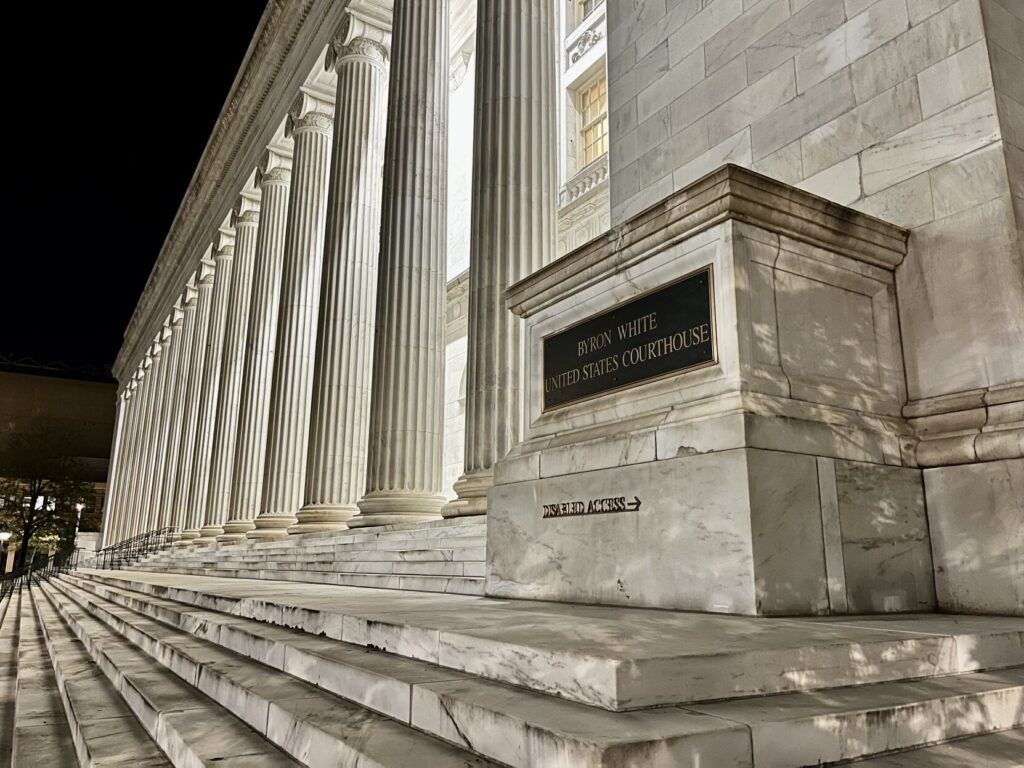
Denver detox center did not violate man’s rights with 10-hour hold, 10th Circuit says
Michael Karlik
michael.karlik@coloradopolitics.com
Updated 2 hours ago
The Colorado-based federal appeals court concluded on Tuesday that Denver’s detoxification facility did not violate a man’s rights by holding him against his will for 10 hours until his blood alcohol content was projected to reach zero. Unusually, Brian Garrett’s...

Federal judge clarifies ex-GOP treasurer candidate’s burden to prove defamation claims
Michael Karlik
michael.karlik@coloradopolitics.com
Updated 2 hours ago
A federal judge clarified last week that businessman and former Republican statewide candidate Brian Watson will need to surmount a higher hurdle in proving his claim that a party guest’s alleged description of him as a “criminal” amounted to defamation....

Denver City Council sends Xcel franchise deal to voters
Deborah Grigsby
deborah.smith@denvergazette.com
Updated 7 hours ago
This November, Denver voters will decide whether to renew the city’s longstanding franchise agreement with Xcel Energy. Members of the Denver City Council approved on Monday sending a proposed 20-year franchise agreement with Xcel that would deliver more than $180...
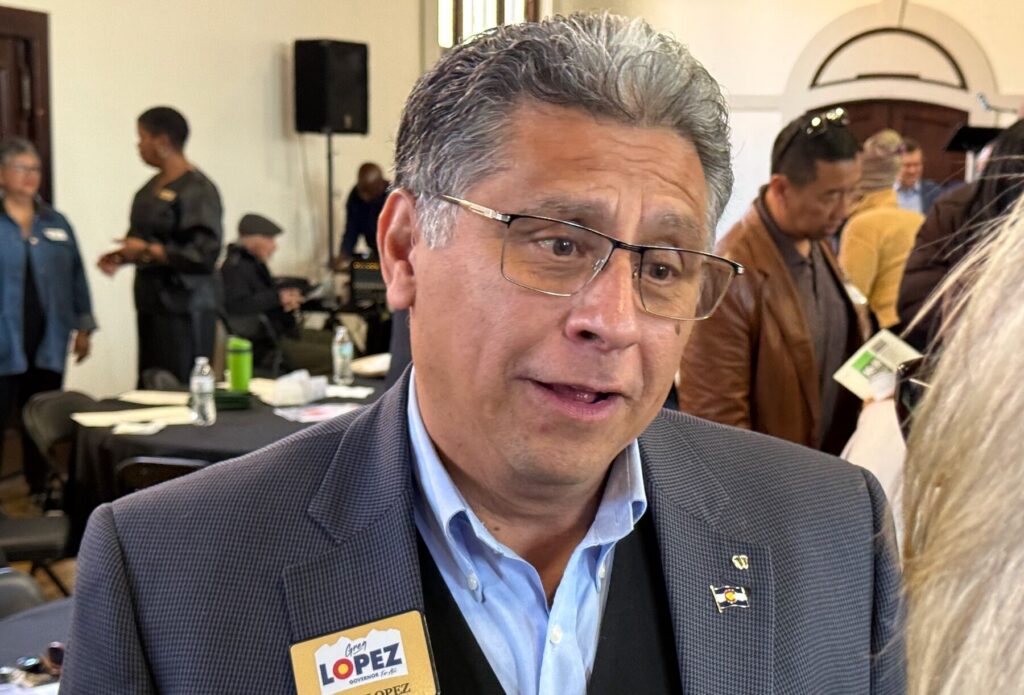
Independent gubernatorial candidate Greg Lopez, a former GOP congressman, qualifies for Colorado ballot
Ernest Luning
ernest.luning@coloradopolitics.com
Updated 3 hours ago
Unaffiliated gubernatorial candidate Greg Lopez, a former Republican congressman from Elizabeth who left the GOP to run as an independent, has qualified for the ballot by submitting enough petition signatures, the Colorado Secretary of State’s Office said Tuesday. He’ll face...

At Colorado’s 150th anniversary, leaders offer birthday wishes
Thelma Grimes
thelma.grimes@coloradopolitics.com
Updated 9 hours ago
As Colorado’s 150th anniversary approaches, leaders from across the state reflect on the spirit that binds the plains, mountains, Western Slope and Front Range — a shared commitment, they underscored, to opportunity, community, stewardship and personal freedom. Their tributes highlight...
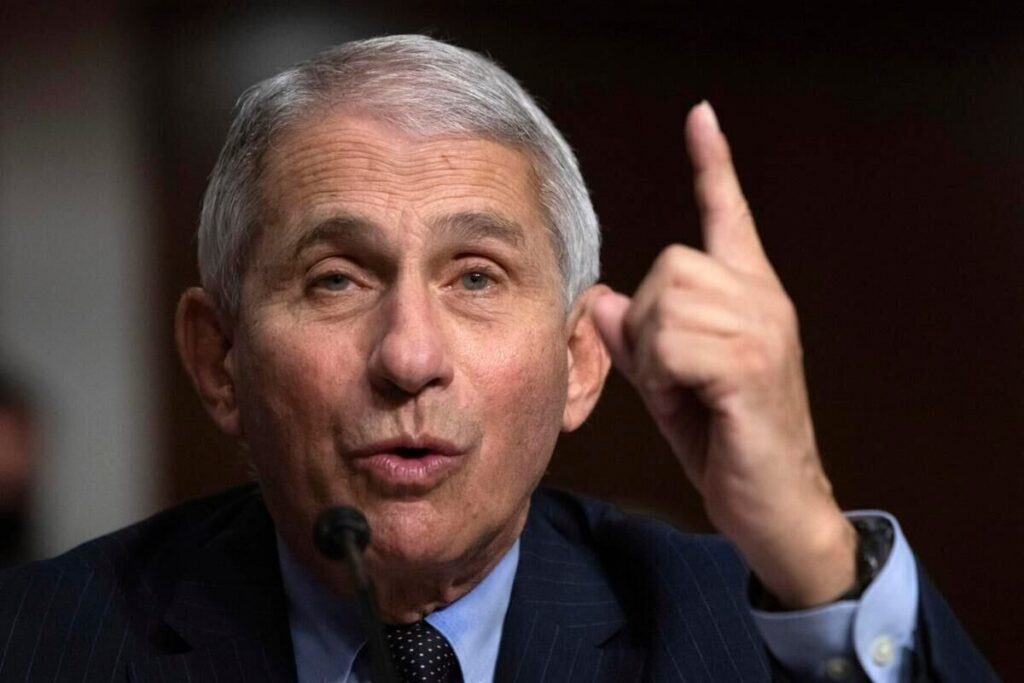
Fauci’s private COVID-19 diaries: Six takeaways on fame, prize money and the lab leak debate
The Washington Examiner
the-washington-examiner@coloradopolitics.com
Updated 11 hours ago
Anthony Fauci’s private writings from 2020 and beyond portray a public health official who was fixated on his growing celebrity while privately grappling with a pandemic response he believed was chaotic, leaderless and consumed by internal rivalries. The writings of...