

Colorado ‘safe injection’ sites bill wins preliminary House approval after late night fight
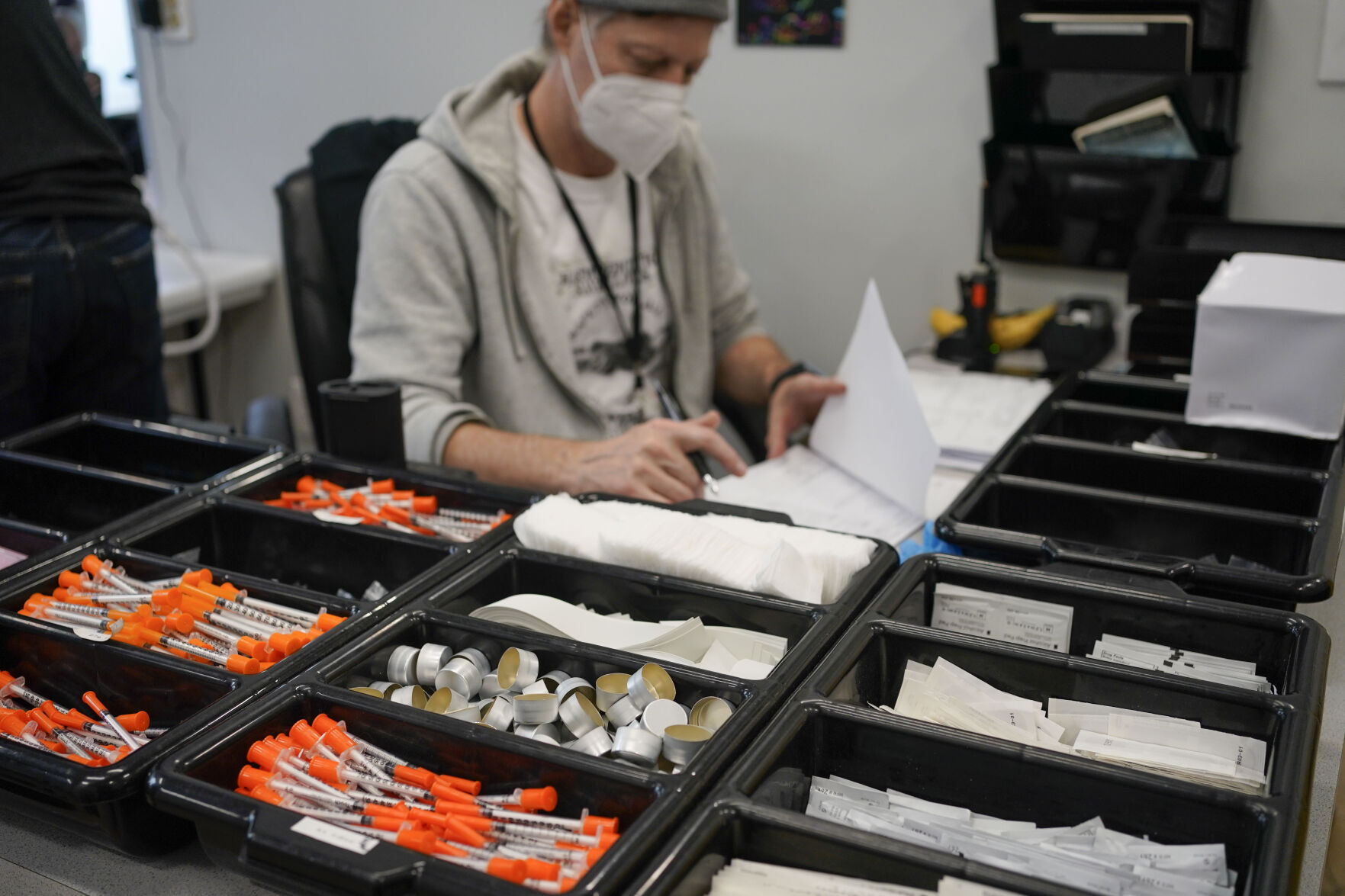
Progressive House Democrats won the latest skirmish Wednesday night in their efforts to allow facilities where people can use illegal drugs under the supervision of medical professionals.
House Bill 1028 would allow municipalities to set up such facilities, which the bill calls “overdose prevention centers.”
Under the bill, as amended, drug users would be able to bring and use “controlled substances” under the supervision of medical providers.
The sun was an hour away from setting when lawmakers began debate on HB 1028. By the end of the debate, the midnight hour was not far away.
The bill’s sponsor, Rep. Elisabeth Epps, D-Denver, is the founder and executive director of the Colorado Freedom Fund, which hired lobbyists to work for its passage.
Communities with these sites see increased crime, said Rep. Ryan Armagost, R-Berthoud. Dealers are making a living off of these centers and camp outside of the sites and property values drop, while crime goes up, he said, adding it sets up a dangerous situation.
The bill does not set any limitations on where such a facility could be located, which Republicans pointed out could mean a site could be placed near a school. Several amendments to put distance between a site and a school, ranging from 2,000 feet to a half-mile, failed.
Rep. Brandi Bradley, R-Roxborough Park, suggested on social media the sites ought to be placed across the street from the homes of Epps and Rep. Tim Hernandez, D-Denver.
This bill is about allowing municipalities to open safe use centers if they want to, said Rep. Javier Mabrey, D-Denver. The only one likely to open anytime soon is Denver, he added. “It’s about harm reduction, keeping Coloradans safe.”
Five years ago, the Denver City Council authorized such centers, the only local government to do so. However, those centers never opened because the city is waiting on required state authorization to put its plan into motion.
Mabrey said medical experts who work with this population universally support “harm reduction” over the “over criminalization” of drug use.
“We should treat our siblings who struggle with addiction with basic humanity and love,” and the bill says communities can do so, if they want to, he said.
More than 107,000 people died from drug overdoses in 2021 nationwide, a 15% increase from 2020, he pointed out.
In Colorado, the overdose crisis has spiraled out of control in the last few years. Last year alone, Denver witnessed 582 overdose deaths, 129 more than the previous year, according to Denver’s medical examiner data. It’s the worst since the city began keeping overdose records a century ago.
Studies show these kinds of centers prevent overdose deaths, reduce the volume of discarded syringes, and they save lives, Mabrey claimed. There are more than 100 sites in Canada and Europe in the last 30 years, and these services prevented fatal overdoses that are well-documented, he told the House.
Seeking to countered Armagost’s assertion around crime, Mabrey cited information from the British Columbia Ministry of Health that said crime and overdoses reduced in the neighborhoods around the sites.
Mabrey was heckled by Republicans with chants of “liar.”
Communities want a safe place to help people in the throes of addiction, Mabrey said, adding, “Cities should have every tool to save lives.”
Epps ran a similar bill in 2023 that died in a Senate committee hearing, based on concerns about a gubernatorial veto. An interim committee last October rejected the opportunity to sponsor the 2024 version.
The bill is slated for a final vote on Friday.
In a statement to Colorado Politics last year, a Polis spokesman said the governor “has been clear with Coloradans and the legislature that he is opposed to these drug use sites.”
“He looks forward to continuing to work with the legislature to get people help for substance use disorders, end the scourge of fentanyl, and crack down on drug dealers in support of making Colorado one of the ten safest states,” the spokesperson said. “There is also great uncertainty nationally about the role of the federal government and how they would enforce against these sites that are already operating in other states.”


Judge grants partial injunction to GEO in fight against state health inspection law
Kyla Pearce
kyla.pearce@gazette.com
Updated 6 hours ago
A judge ruled Thursday that The GEO Group does not have to follow parts of a new state law requiring more frequent health and safety inspections at the U.S. Immigration and Customs Enforcement processing center in Aurora. Under the order...

Parker man faces 20 years to life for serial sexual assaults
Nicholas Fogleman
nicholas.fogleman@denvergazette.com
Updated 8 hours ago
A 25-year-old Parker man who sexually assaulted three women in 2025 pleaded guilty Wednesday and will serve 20 years to life in prison. Javier Rodriguez-Andrade pleaded guilty to charges stemming from three sexual assaults involving women ages 19 to 24. ...
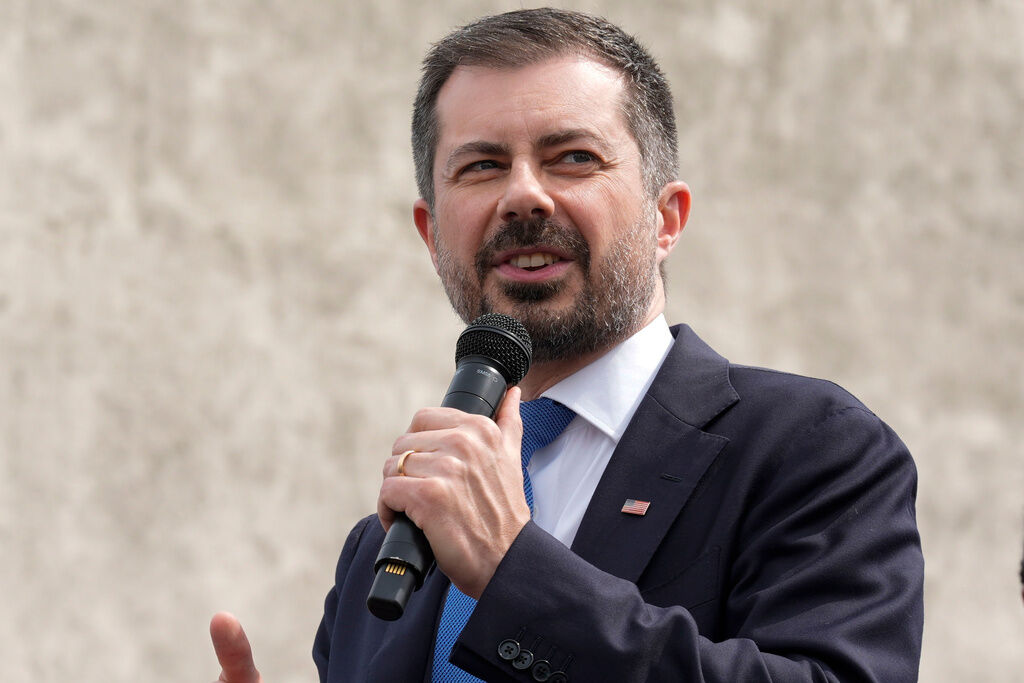
Buttigieg performs best among Democrats against Rubio or Vance in possible 2028 contest: Poll
David Zimmermann
david-zimmermann@coloradopolitics.com
Updated 10 hours ago
Former Transportation Secretary Pete Buttigieg appears to be the Democratic Party’s best chance at winning the presidency against Secretary of State Marco Rubio or Vice President JD Vance in 2028, according to a poll released on Thursday. In hypothetical matchups...

Douglas County moves to Stage 1 fire restrictions following recent rain
Nicholas Fogleman
nicholas.fogleman@denvergazette.com
Updated 8 hours ago
Douglas County has downgraded its fire restrictions from Stage 2 to Stage 1 on Thursday following recent rainfall and moderate fire conditions, according to the Douglas County Sheriff’s Office. The change applies to unincorporated Douglas County, as well as the...
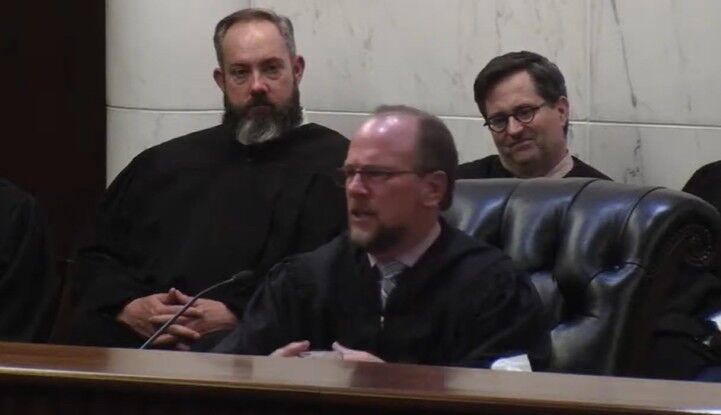
Divided appeals court upholds warrantless DNA collection in Colorado cold case, cautions of government overreach
Michael Karlik
michael.karlik@coloradopolitics.com
Updated 7 hours ago
Colorado’s second-highest court upheld the warrantless collection of a suspect’s DNA from a discarded soda can as constitutional on Thursday, while warning about potential abuse of DNA privacy in the absence of further guardrails. By 2-1, a three-judge Court of...
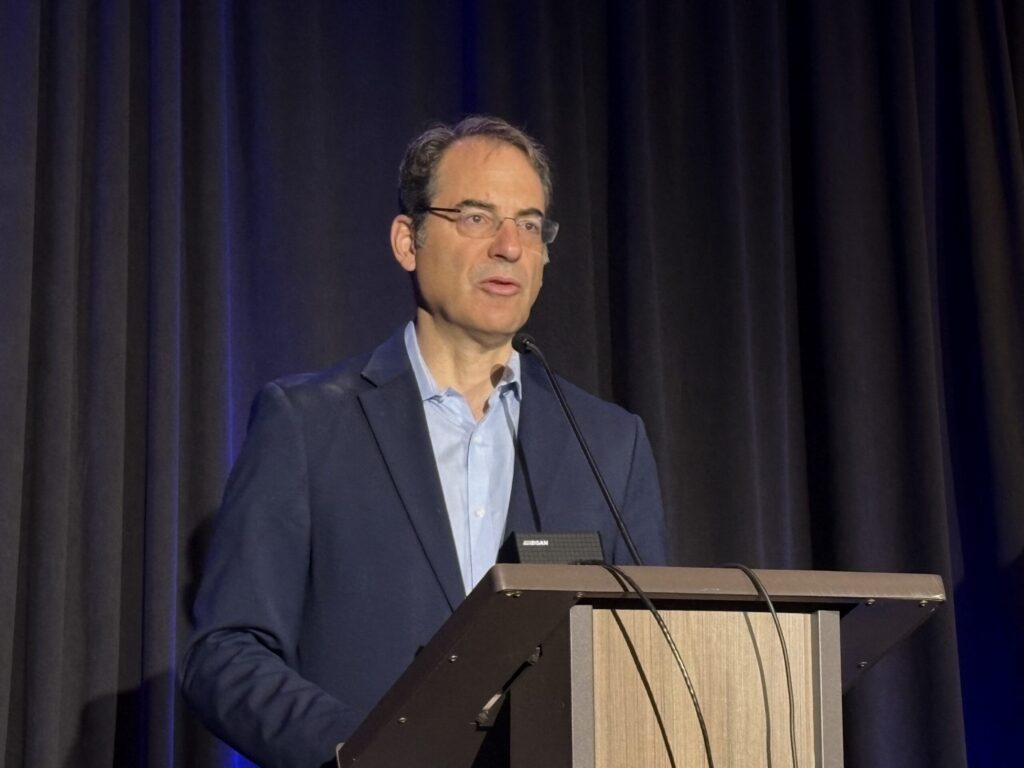
Democratic gubernatorial candidate Phil Weiser promises to appoint rural outreach director, water adviser
Marianne Goodland
marianne.goodland@coloradopolitics.com
Updated 7 hours ago
Democratic gubernatorial candidate and current Attorney General Phil Weiser told the Colorado Water Congress Thursday he intends to appoint a rural outreach director and a water policy adviser should he win the election in November. Weiser’s speech at the Steamboat...
Man charged in Northglenn homicide of wife
Matt Kyle
matt.kyle@denvergazette.com
Updated 8 hours ago
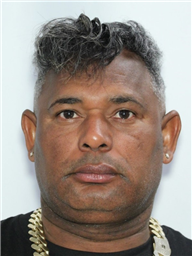
A man has been formally charged with murder and burglary relating to a homicide last week in Northglenn. Alexei Munive-Rodriguez, 48, was arrested Sunday after he was at large following the homicide, which occurred Friday. Police were dispatched around 10:30...
Attorney General candidates present priorities at Colorado Water Congress
Marianne Goodland
marianne.goodland@coloradopolitics.com
Updated 7 hours ago
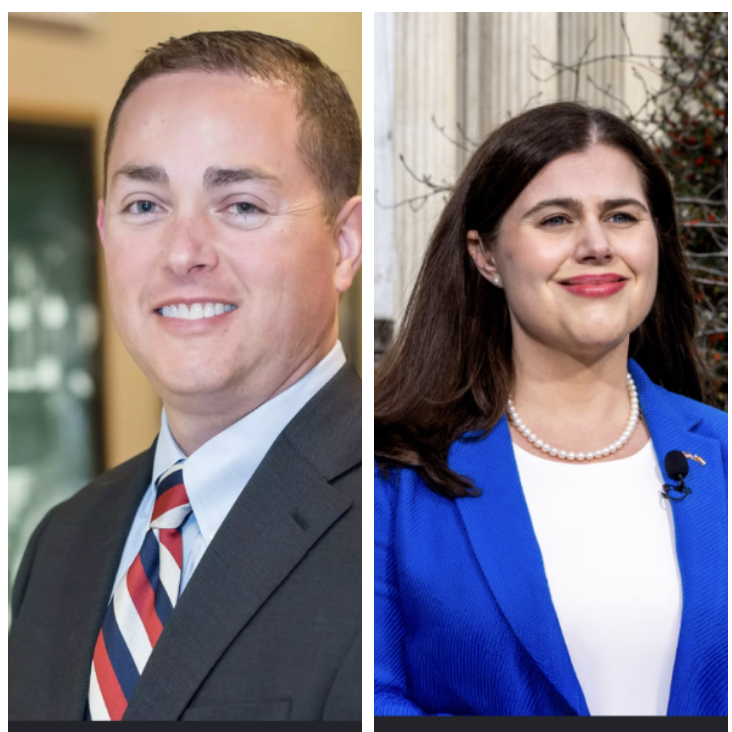
The two major-party candidates for attorney general — Republican Michael Allen, the district attorney for Teller and El Paso counties, and Democratic Secretary of State Jena Griswold — on Thursday outlined their priorities at the Colorado Water Congress. Griswold attended...

US aircraft carrier arrives in Middle East, relieving long-deployed USS Lincoln
The Associated Press
the-associated-press@coloradopolitics.com
Updated 12 hours ago
WASHINGTON (AP) — The Asia-based USS George Washington aircraft carrier is now operating in the Middle East, the U.S. military said Thursday, relieving a long-deployed carrier following reports of mental health challenges and supply shortages aboard while it was supporting...

Denver named finalist for 2028 Democratic Convention site
Thelma Grimes
thelma.grimes@coloradopolitics.com
Updated 6 hours ago
The Mile High City competes with Boston and Philadelphia The list of cities being considered to host the 2028 Democratic National Convention has narrowed even further, with Denver making the cut as one of the final three, along with Boston...
PREV
PREVIOUS
Colorado Senate compromises to strengthen human trafficking laws, proposal heads to governor's desk
Human trafficking, particularly of children, has been a hot and divisive topic at the state Capitol this year. But a bipartisan group of lawmakers has found a way of putting more teeth into the state’s laws by agreeing to a compromise that meant giving up a major provision but ultimately securing a proposal’s passage. […]

Colorado to hire range riders to protect livestock in wake of wolf depredation in Grand County
It’s spring, and for cattle ranchers, that means calving season. It’s also the time of year when those newborns are most susceptible to all kinds of dangers. In Colorado – and for the past several years – that danger includes wolves. Initially, it was the wolves that came into Jackson County from Wyoming and killed 16 […]