

Nikki Haley ends presidential campaign but doesn’t endorse Trump
Former U.S. Ambassador to the United Nations Nikki Haley ended her 2024 Republican presidential campaign on Wednesday, one day after only winning one race on Super Tuesday.
But she stopped short of endorsing her onetime boss former President Donald Trump.
Haley, 52, announced her decision to abandon her aspirations, at least for this election cycle, during a brief Wednesday morning speech in Charleston, South Carolina.
“I am filled with gratitude for the outpouring of support we’ve received from all across our great country. But the time has now come to suspend my campaign,” Haley said ending her 2024 bid on Wednesday.
While Haley congratulated Trump, who is now the unofficial presumptive Republican nominee, she did not give an endorsement.
“It is now up to Donald Trump to earn the votes of those in our party and beyond it who did not support him, and I hope he does that,” Haley continued. “At its best, politics is about bringing people into your cause, not turning them away. And our conservative cause badly needs more people. This is now his time for choosing.”
In her long-shot primary battle against Trump, Haley made history as the first Republican woman to win two GOP presidential primaries. She won the Washington, D.C., GOP primary on Sunday and narrowly defeated Trump in Vermont’s GOP primary on Super Tuesday.
Haley won 89 delegates in comparison to Trump’s 995 delegates by the time she suspended her campaign.
The former ambassador’s presidential campaign was once considered an unlikely bid but ended as what she described as the GOP’s “last, best hope” to move past Trump.
Haley, a two-term South Carolina governor, declared her candidacy in person more than a year ago during a Charleston rally after sharing a Valentine’s Day video. There, she indirectly criticized Trump and directly scrutinized President Joe Biden and Vice President Kamala Harris, in part by contending the country needs a new generation of leadership and advocating for term limits, in addition to mandatory competency tests for public officials aged 75 years and older.
Before New Hampshire, Trump underscored Haley’s immigration, entitlement program, and tax policy positions, amplified by millions of dollars worth of advertising, while trying to undercut her by calling her “birdbrain” and “other” her through her Indian heritage. Simultaneously, Haley increasingly focused on Trump’s mental acuity after he confused her with former House Speaker Nancy Pelosi (D-CA) and following special counsel Robert Hur‘s report into Biden’s own age and memory, emphasizing her message on more mainstream platforms, such as Saturday Night Live and The Breakfast Club.
After New Hampshire, Trump became less magnanimous as he and his allies, including Republican National Committee Chairwoman Ronna McDaniel, mounted pressure on her to drop out of the race.
Other than balancing her criticism of Trump with overtures to his supporter base, Haley, too, had to be mindful of being the first major Republican minority woman to seek the GOP nomination, both downplaying and playing up her womanhood and Indian ancestry to a party that opposes identity politics.

Blue states should avoid disasters | Hal Bidlack
Hal Bidlack
hal-bidlack@coloradopolitics.com
Updated 6 hours ago
Back when I was teaching political science at the U.S. Air Force Academy (and amazingly to me, a week from this column’s publication will mark 20 years since my retirement from active duty. Where the heck did that time go?)...

Right-to-hunt ballot measure’s a cruel, anti-wildlife solution to a nonexistent problem | GUEST COLUMN
Colorado Politics
colorado-politics@coloradopolitics.com
Updated 6 hours ago
By Eric Washburn I love to hunt. Every year I try to hunt big game in Colorado and waterfowl in Louisiana. This year, I applied for five Colorado big game licenses — elk, deer, pronghorn, moose and bighorn sheep. I...

Federal judge hears arguments about Colorado’s 3-day gun purchase waiting period
Michael Karlik
michael.karlik@coloradopolitics.com
Updated 7 hours ago
A federal judge heard arguments on Monday about the constitutionality of a 2023 Colorado law that generally imposes a three-day waiting period on firearm purchases after the initiation of a background check. The test that the U.S. Supreme Court created...
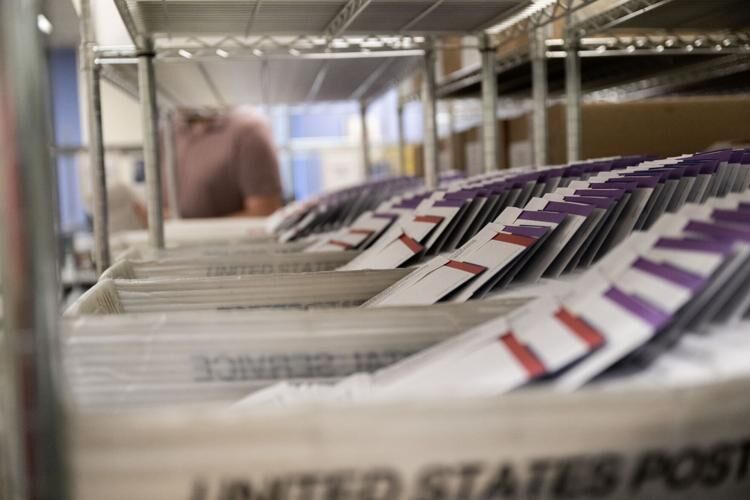
U.S. Supreme Court clears way for Trump mail voting order in advance of midterms
Wire Services
wire-services@coloradopolitics.com
Updated 11 hours ago
WASHINGTON • The U.S. Supreme Court on Monday cleared the way for President Donald Trump to move ahead with an executive order that seeks to restrict the mailing of ballots to American citizens in an eligible voters list. The executive...
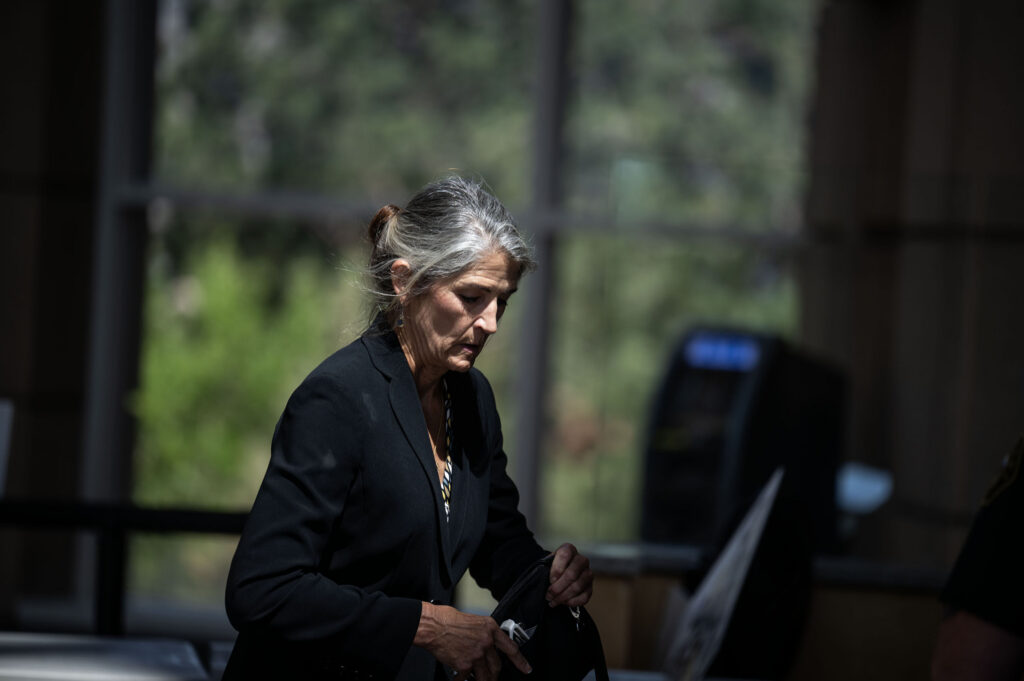
Colorado Supreme Court intervenes in Weld County prosecution dismissed due to Missy Woods misconduct
Michael Karlik
michael.karlik@coloradopolitics.com
Updated 11 hours ago
The Colorado Supreme Court ordered a Weld County trial judge last week to respond to the district attorney’s claim that he improperly dismissed a criminal case because of “outrageous” conduct by the Colorado Bureau of Investigation. Daniel Lee Eatinger stood...

Trump opens ‘economic D-Day’ offensive against Iran as war nears six-month mark
Christian Datoc
christian-datoc@coloradopolitics.com
Updated 16 hours ago
President Donald Trump is seeking to increase the financial pressure on Iran with new secondary sanctions on nations and foreign actors propping up the regime’s economy as the war between the United States and Tehran nears the six-month mark. Treasury...
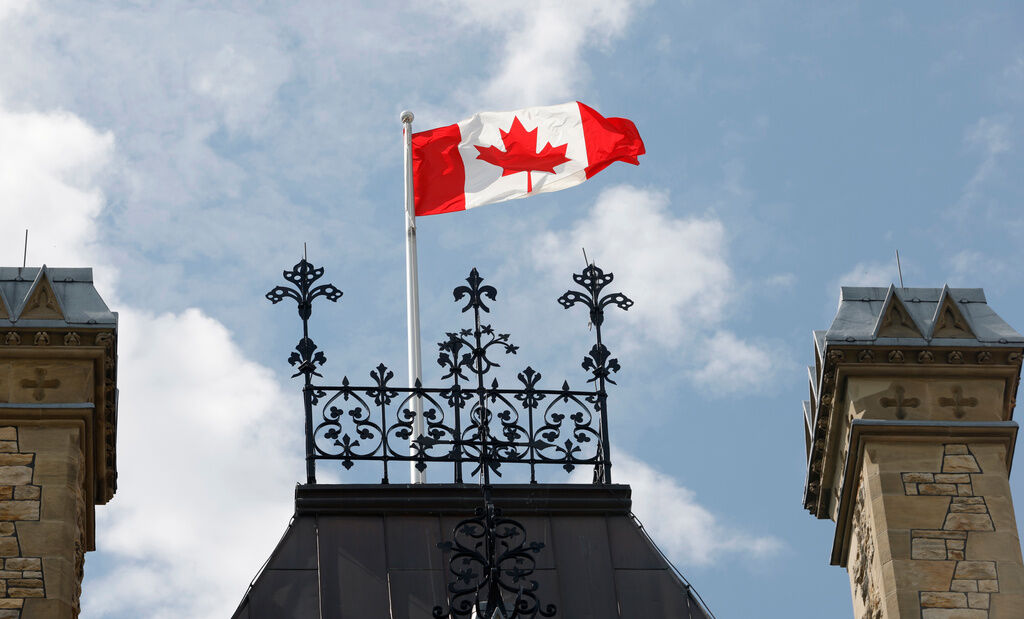
Trump announces 50% tariffs on Canadian cars, auto parts, and steel
Naomi Lim
naomi-lim@coloradopolitics.com
Updated 16 hours ago
President Donald Trump escalated the trade war with Canada after talks collapsed last week, announcing Monday that the United States would impose 50% tariffs on cars, trucks, automotive components, and steel starting Jan. 1, 2027. “Canada has been ripping off...
Iran puts out propaganda video tracking Barron Trump’s location, offering $10 million for his assassination
Timothy Nerozzi
timothy-nerozzi@coloradopolitics.com
Updated 17 hours ago
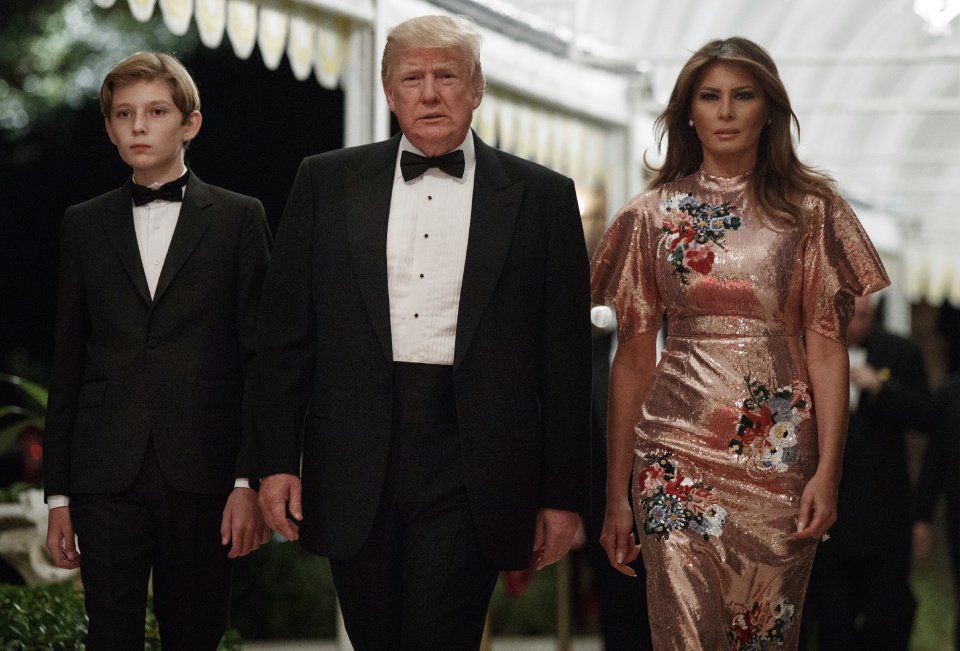
The Islamic Revolutionary Guard Corps is putting a hit out on President Donald Trump’s son, Barron Trump, with an inflammatory video claiming to track his location. State-run television in Iran is broadcasting a propaganda video claiming to show the locations...
Nevada sues Trump administration over Colorado River cuts
Marianne Goodland
marianne.goodland@coloradopolitics.com
Updated 9 hours ago
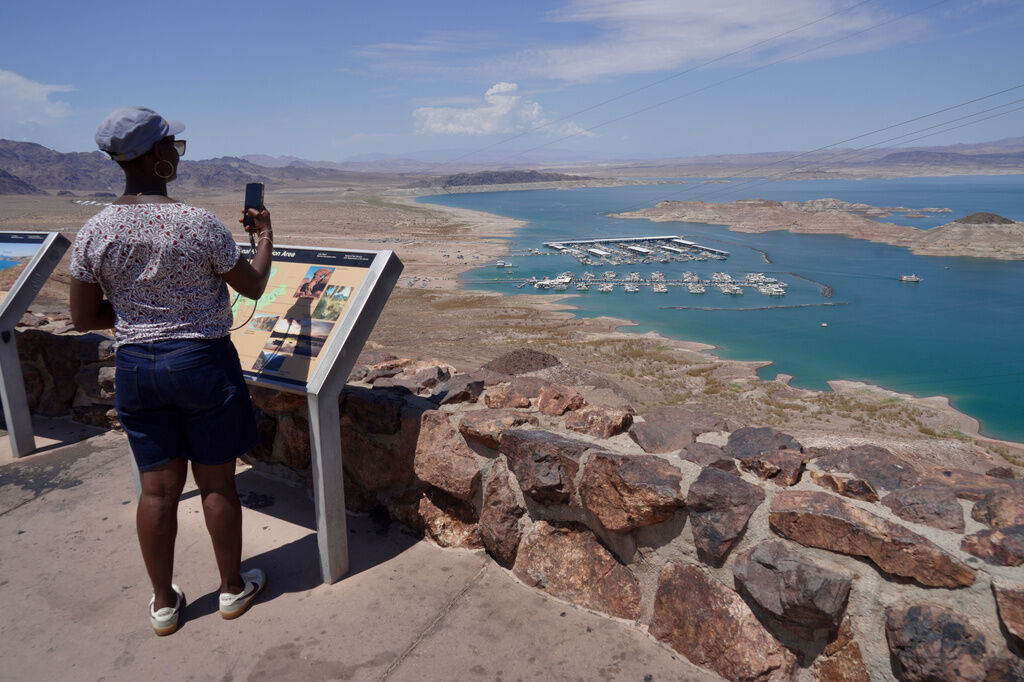
On Monday, the state of Nevada filed a lawsuit against the Trump administration and Interior Secretary Doug Burgum, seeking to block the Colorado River management plan. On Friday, Burgum released a “record of decision” that would reduce water allocations to...

Healthcare Freefall: Longer drives, fewer options for maternity care in Colorado
Thelma Grimes
thelma.grimes@coloradopolitics.com
Updated 19 hours ago
Editor’s Note: Colorado’s healthcare system is entering a period of accelerating instability — a “tsunami,” as multiple leaders describe it — driven by collapsing hospital finances, shrinking Medicaid reimbursements, disappearing services and a political fight over who is responsible for...