

New drug board spells trouble for rural Colorado | PODIUM
Despite significant and substantive concerns from patients, Colorado is moving ahead with an untested drug-pricing scheme that puts the health of our state’s rural residents at risk.
In 2021, lawmakers created the Prescription Drug Affordability Board (PDAB) to review drug prices. Eight states have created similar boards in recent years, but only three give bureaucrats the power to cap the price of medicine, and Colorado’s is the closest to implementation. As usual, these experimental schemes make Coloradans the guinea pigs for the rest of the nation.
In August, the PDAB announced the first five drugs it will target. In theory, the board’s goal is to make expensive medicines more accessible. But though that can create great headlines for some politicians, the concern in rural areas is it could impose even more obstacles to access to lifesaving medicines.
The reality is in rural Colorado there isn’t a drug store or medical provider on every corner. Often, getting access to life-saving medication requires long round-trip drives. Any policy that places additional burdens on patients getting the drugs they need has a disproportionately negative impact in less-populated areas.
Here’s how:
Studies found when patients must travel longer distances to get care, they are less likely to stick to their treatment regimens. Increased distance can also be costly. For example, a patient who can’t get care in their area might have to take unpaid time off work, shell out for hotel stays and food, and spend more on gas. According to an analysis from the Colorado Rural Health Center, patients traveling out of their home area for care can expect to spend nearly $600, on average, on these expenses.
Stay up to speed: Sign-up for daily opinion in your inbox Monday-Friday
Even those just trying to pick up prescriptions could be hampered by the new PDAB rules. If local pharmacies stop stocking certain drugs because of price controls, patients will have to travel further to get their medication. This would inevitably mean a fall-off in adherence.
The first five drugs treat an array of medical conditions, from autoimmune disorders and rheumatoid arthritis to HIV/AIDS and cystic fibrosis. Thousands of Colorado patients need these treatments to lead healthy and productive lives.
The problem is the program is expected to cap state reimbursement payments to health plans, hospitals and other providers for dispensing drugs. But in Colorado’s rural areas, many health care systems are already on the brink of financial collapse, due to closures and increased expenses. The PDAB price limits make matters worse.
Many providers will face a difficult choice between accepting smaller reimbursements or pulling drugs off their shelves. Others, like the 70% of Colorado’s rural hospitals that already face very challenging financial circumstances, might find the additional strain forces them to close their doors altogether.
Since announcing the five drugs up for price review, the board has held meetings to solicit comments from patients and physicians about how the new policy could affect them. But with public comment limited to two minutes per person, rural residents and providers who seized this opportunity have grown frustrated because it’s not clear their comments are being genuinely taken into consideration.
If the board plows ahead with price caps, the already-precarious state of health care in our rural regions could deteriorate further.
State government can’t brush away these realities as mere inconveniences. Public-health experts stress improved adherence to doctor-prescribed medication is one of the best ways to improve health outcomes, reduce health disparities and avoid hospitalizations.
In short, by giving a governor-appointed board control of drug prices, Colorado has put the health of its rural residents at greater risk. When the PDAB meets for its final time this year in December, it needs to seriously and sincerely consider the impact of its decisions on all Coloradans. Rural patients need and deserve to have access to their medications protected by state government – not hindered by it.
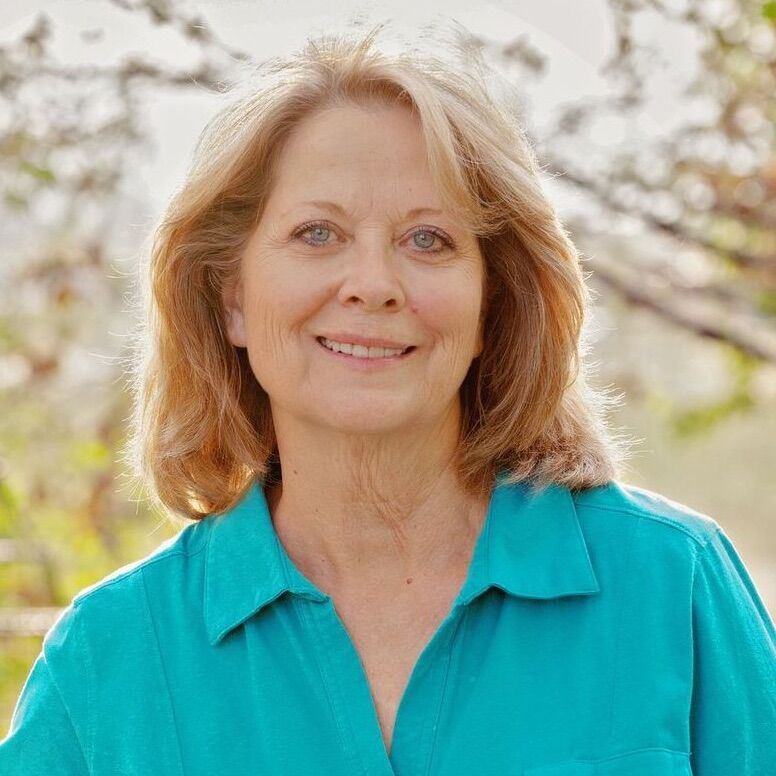
Barb Kirkmeyer, a Republican from Brighton, represents District 23 in the Colorado Senate.

Colorado lupus patients can’t afford ‘most favored nation’ drug pricing | PODIUM
Colorado Politics
colorado-politics@coloradopolitics.com
Updated 14 hours ago
By Kristy Kibler When you live with lupus, you learn quickly waiting is not an option. Lupus is unpredictable: flares can escalate overnight, organs can be damaged quickly, and access to the right treatment at the right time can determine...

Dustin Zvonek pinpoints Colorado’s housing-first homelessness failures | The OpEdge Podcast
Tony Olivero
tony.olivero@gazette.com
Updated 1 day ago
As homelessness continues to persist across Colorado, former Aurora City Councilman Dustin Zvonek paints a compelling picture of how the primary policy prescription may be enabling the root cause more than providing a permanent solution. In this OpEdge Podcast conversation...
Robert Rodriguez spoke softly and carried a big stick | GUEST COLUMN
Greg Fulton
greg-fulton@coloradopolitics.com
Updated 1 day ago
President Teddy Roosevelt was known to have said, “Speak softly and carry a big stick.” The phrase was a reference to his leadership style, in which one negotiates in a civil and peaceful manner while also making clear one can...
CPW has a weighty decision to make on a recent wolf kill | Rachel Gabel
Rachel Gabel
rachel-gabel@coloradopolitics.com
Updated 3 days ago
Gov. Jared Polis made three new appointments to the Colorado Parks and Wildlife Commission and reappointed both Richard Reading, at-large representative, and vice chair Gabriel Otero, sportspersons representative who resides west of the Continental Divide. Appointed as a production agriculture representative residing west of the Continental Divide, John LeCoq of...
Bennet wants to be Colorado’s next governor | Cronin and Loevy
Tom Cronin Bob Loevy
tom-cronin-bob-loevy@coloradopolitics.com
Updated 4 days ago
U.S. Sen. Michael Bennet is considered the front-runner in the Colorado Democratic Party primary contest for governor. His major opponent is current Colorado Attorney General Phil Weiser. The Democratic primary election is June 30. Registered Democrats and unaffiliated voters who choose to can vote in this election. Ballots are being mailed...
Is Jared Polis turning into Dick Lamm? | Jon Caldara
Jon Caldara
jon-caldara@coloradopolitics.com
Updated 6 days ago
By Jon Caldara Dick Lamm was Colorado’s longest-serving governor, at 12 years in office (a close second goes to Roy Romer). And during those three terms, he slowly drifted to the right. Not because he became a Republican or even...
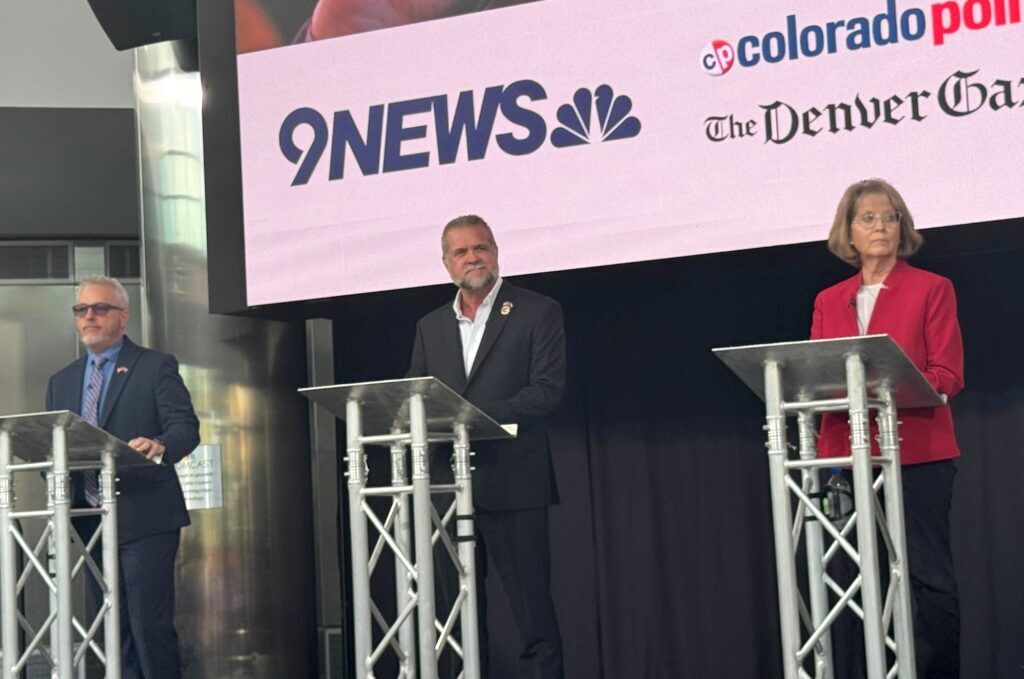
A tale of two debates | Vince Bzdek
Vince Bzdek
vince.bzdek@gazette.com
Updated 4 days ago
Ballots go out Monday as the June 30 state primary elections bear down on us. As a result, it is suddenly the season of proliferating political debates, and there have been some doozies already. I had the chance to see two very...

The “launchpad generation” and the three A’s | SONDERMANN
Thelma Grimes
thelma.grimes@coloradopolitics.com
Updated 6 days ago
Wisdom often arrives when you least expect it. This tidbit came from an ordinary lunch, part personal catch-up, part chat about the sad state of our politics and education policy. My lunch partner was a senior executive at CareerWise, the...
What matters to Colorado women ahead of momentous state elections | Paula Noonan
Paula Noonan
paula-noonan@coloradopolitics.com
Updated 6 days ago
Eight years have passed since Colorado has faced such a significant election season. Our choices now will set another eight years of our collective future. It’s temperature-taking time. The Women’s Foundation of Colorado recently completed a poll of 725 women...
Colorado modernized voting, but the ballot Is still closed for many | PODIUM
Colorado Politics
colorado-politics@coloradopolitics.com
Updated 6 days ago
By Amy Spicer On June 30, Colorado holds its primary election. Most voters will receive their ballots, make their choices, and never know that for many of the races on that ballot, the meaningful competition ended weeks or months earlier,...
PREV
PREVIOUS
Colorado's free preschool program a model for rest of nation | OPINION
Rosemarie Allen Embarking on the establishment of a comprehensive universal preschool program in a mixed-delivery model is a monumental undertaking. Although it presents challenges, it also opens the door to significant opportunities. Colorado’s commitment to enhancing access to high-quality early education, exemplified by the proactive measures taken by the Colorado Department of Early Childhood (CDEC), […]

A wakeup call to Colorado’s higher ed | Denver Gazette
Between college campuses gone woke and tuition gone through the roof, it’s no wonder a new survey reveals doubts among Coloradans about the ability of high schools and higher ed to launch the state’s youths toward careers of choice. Respected Colorado polling firm Magellan Strategies sampled 1,550 of the state’s voters on wide-ranging education issues […]