

Potential Wyoming public-lands precedent concerns Colorado | GABEL
The Bureau of Land Management’s Rock Springs Resource Management Plan (RMP), though in Wyoming, has the potential to set a dangerous precedent for all states with large amounts of BLM-managed acres. Colorado, of course, is one of those states. Wyoming Gov. Mark Gordon has not minced words about the RMP and the many problems it contains. He’s not buying it when the BLM downplays those problems. The proof is in the plan.
The area encompasses 3.6-million-acres of public lands and 3.7 million acres of federal mineral estate in portions of Lincoln, Sweetwater, Uinta, Sublette and Fremont counties in southwest Wyoming. The draft plan, which has been in development for 12 years at the cost of nearly $9 million, could greatly reduce multiple uses on the BLM-administered land. Gordon has called for the RMP to be withdrawn and resubmitted to the public, taking into consideration the “considerable stakeholder and public comment over a number of years, and issue a fully supported and considered preferred alternative.” Thus far, the last stakeholder communication, including with the office of the governor, was in 2020. So, a revision to the 673-page plan was a surprise to Gordon, local leadership in the surrounding communities, the permittees and the community members who stand to take it on the chin economically when energy, agriculture and recreation are run out of town.
Stay up to speed: Sign-up for daily opinion in your inbox Monday-Friday
I can’t help but compare this to Biden’s recent monument designation of 917,618 acres in Utah via the Antiquities Act. It must be noted Wyoming is one of the states that does not allow a president to bypass both sides of Congress and unilaterally manage lands without stakeholder input. In 1950, Wyoming politicians were able to run a bill through congressional channels and secure the signature of then-President Harry Truman. It feels acrimonious to use the BLM to skirt the state and take users off the federal lands.
The BLM’s preferred alternative, despite comments from the Rock Springs office to the contrary, takes multiple users off the land. It closes more than 4,505 miles of routes to all uses and removes another 10,000 from the network completely. It excludes 2.4 million acres from new right-of-way uses and designates another 134,000 acres as right-of-way avoidance areas. This is a de facto elimination of mineral development on more than 2 million acres and substantially affects livestock grazing. The plan removes 7,606 animal unit months (AUMs), removes the ability to manage predators, adds 227,960 acres to wilderness study areas and increases Areas of Critical Environmental Concern (ACEC) by more than 1.3 million acres.
Wyoming State Rep. Dalton Banks called the plan a complete disaster and one that “not only violates federal land policy, but goes against the stated mission of the BLM and is in complete disregard for any input by cooperating agencies.” Banks does not represent the Rock Springs area, but he is absolutely correct in noting as RMPs expire and are revised, this tone-deaf overreach could occur anywhere.
In one meeting of a legislative committee in the state, the plan was called a community killer. Southwest Wyoming, not unlike northwest Colorado, is heavily dependent upon energy development, both renewable and fossil fuel based. The area is home to the largest trona mining reserves in the nation, and the communities economically benefit from livestock grazing, hunting, fishing and recreation on the federal lands in question. This plan takes the public off public lands, not just the uses some groups find less appealing than others. It rips the heart out of economies of the entire area and completely ignores any stakeholder feedback that has been offered during the past 12 years.
In his letter calling for withdrawal, Gordon said the BLM has long been a major partner with stakeholders as a result of the trust cultivated through respect for the resources and the people of the various areas. Gordon said this plan threatens “to eliminate all the hard work accomplished by bulldozing over state executive orders, stakeholder engagement, and interagency agreements.” Gordon added, “existing and future partnerships are in jeopardy. A federal fiat won’t run efficiently or well over such a bumpy road.”
The BLM’s decision whether or not to withdraw this impractical plan will set a precedent, and precedents certainly don’t respect state lines.
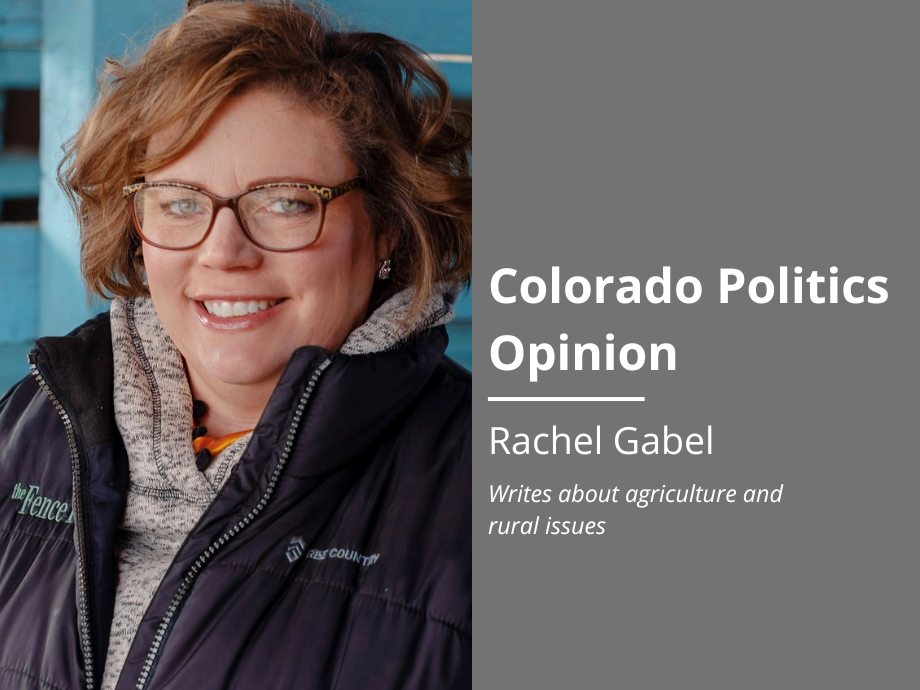
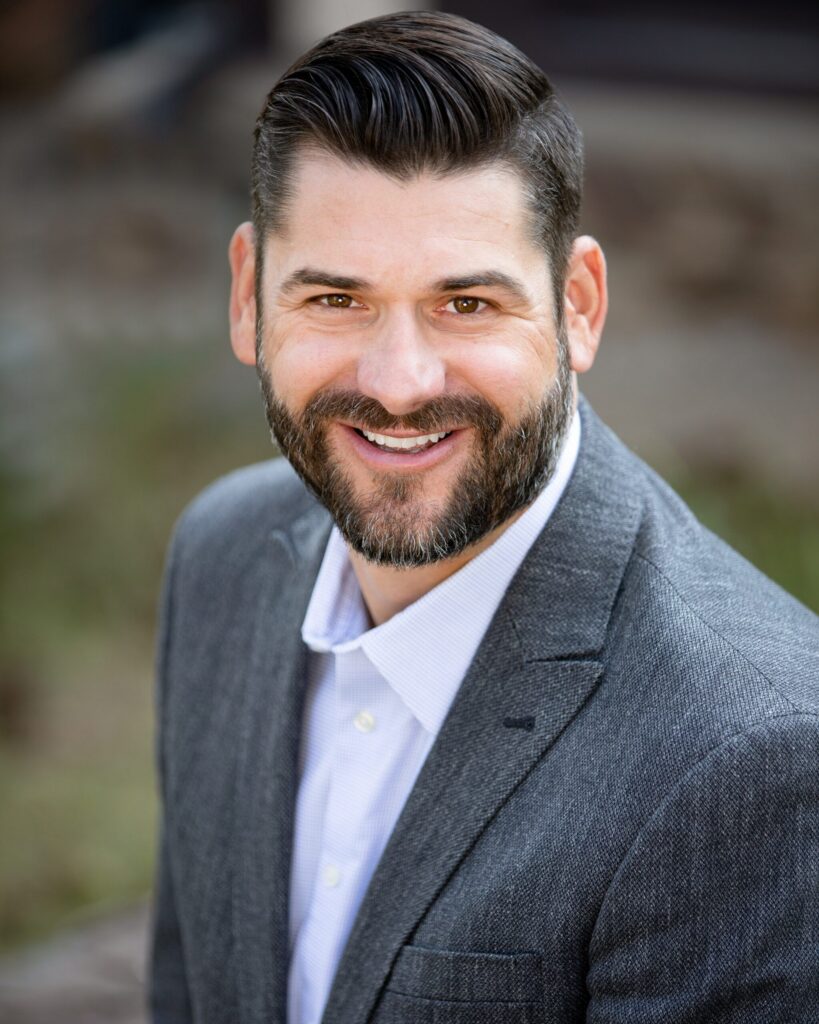
Rachel Gabel writes about agriculture and rural issues. She is assistant editor of The Fence Post Magazine, the region’s preeminent agriculture publication. Gabel is a daughter of the state’s oil and gas industry and a member of one of the state’s 12,000 cattle-raising families, and she has authored children’s books used in hundreds of classrooms to teach students about agriculture.


The relevance of Watergate more than a half-century later | SONDERMANN
By Eric Sondermann
by-eric-sondermann@coloradopolitics.com
Updated 3 days ago
It was the scandal for which all other scandals are now named. In June 1972, a small group of Cuban burglars with high-level connections broke into the headquarters of the Democratic National Committee. Those headquarters were located in the Watergate...
Colorado must continue finding common ground on wildfire policy | GUEST COLUMN
Colorado Politics
colorado-politics@coloradopolitics.com
Updated 2 days ago
By John Herrick Colorado has never lacked for opinions about wildfire policy. We debate forest management, climate change, prescribed burns, land use, air quality and budgets. Those debates are familiar territory, but a new discussion is beginning to happen around...

Proposition NN is the best investment for Colorado’s students and schools | GUEST COLUMN
Colorado Politics
colorado-politics@coloradopolitics.com
Updated 2 days ago
By Justin Ogden Colorado families know what it means to make difficult budget decisions. Inflation has driven up the cost of groceries, housing, utilities and just about everything else. Families like mine work hard to stretch every dollar while still...
Were the primaries a preview for consequential general election? | Paula Noonan
Paula Noonan
paula-noonan@coloradopolitics.com
Updated 3 days ago
Colorado’s political future will go the way of this election. Historically, the state has not had both chambers controlled by a supermajority. This election may change that. The primaries suggest how the general election may play out. Democrats had solid...
Disagreement doesn’t have to mean disrespect | GUEST COLUMN
Colorado Politics
colorado-politics@coloradopolitics.com
Updated 3 days ago
By Vincent Atchity These days, it doesn’t take long to feel overwhelmed by politics. Turn on the news, scroll through social media or read the comments on almost any political post and you’ll find anger, outrage and personal attacks. For...

Keeping Colorado’s kids’ trust online | PODIUM
Colorado Politics
colorado-politics@coloradopolitics.com
Updated 4 days ago
By Stuart Jenkins Almost every day, the kids and teens we serve across Colorado are introduced to new generative artificial intelligence and other emerging technology, including conversational AI systems designed to simulate human conversation. These tools are no longer a...

Marx’s ‘through line’ predates Trump, connects to Maes | FEEDBACK
Colorado Politics
colorado-politics@coloradopolitics.com
Updated 4 days ago
Eric Sondermann is of course correct Victor Marx is an unserious, unelectable, embarrassing Republican nominee for governor of Colorado. But I respectfully submit that the “through line,” as Mr. Sondermann describes it, is not from Trump to Marx, despite their...

Cedric Pride’s blueprint for opportunity through the trades | The OpEdge Podcast
Tony Olivero
tony.olivero@gazette.com
Updated 4 days ago
Cedric Pride, CEO of the nonprofit Pride Initiative in Denver, joins The OpEdge with a blueprint for workforce development, skilled trades, and economic opportunity. Pride tells host and investigative columnist Jimmy Sengenberger why he believes the trades offer a path...
Colorado’s No. 1 education ranking should raise our ambition | GUEST COLUMN
Colorado Politics
colorado-politics@coloradopolitics.com
Updated 5 days ago
By Scott Laband Colorado has earned the right to celebrate its new No. 1 ranking in education from U.S. News & World Report. Gov. Jared Polis called it “one of the proudest moments” of his time in office and shared the...

Colorado’s No. 1 education ranking reflects the power of school choice | GUEST COLUMN
Colorado Politics
colorado-politics@coloradopolitics.com
Updated 5 days ago
By Peter Mason Colorado is now the No. 1 state in the nation for education, according to the 2026 U.S. News & World Report Best States rankings. That is a distinction worth celebrating. It is also a distinction worth understanding....
PREV
PREVIOUS

Why I dropped poop on Denver City Hall | CALDARA
Jon Caldara Absolutely, it was a stunt. Maybe even a childish one. But I guarantee you it was born of anger, quite genuinely. Last Monday, I again scooped the human excrement I often clean up from around my downtown office building, left along with the other trash from Denver’s finest homeless. But this time, in […]
Making priorities of Colorado's comedic public-transit plight | HUDSON
Miller Hudson Recently, a friend asked me why I thought public transit has become yet another partisan policy divide. I didn’t have a ready answer, despite a quarter-century of involvement in Colorado’s transit wars. Somehow, bus and rail options have gradually been regarded as a socialist plot designed to deny personal liberties, herding the public […]