

With CU Buffs on America’s spotlight, Polis, Neguse tout universities’ economic contributions

When Gov. Jared Polis was asked who he believes will win between the University of Colorado Boulder and Colorado State in their sought-after Rocky Mountain Showdown matchup, he gave a gubernatorial answer, “The state of Colorado wins on Saturday.”
The meteoric rise of the Colorado Buffaloes under coach Deion Sanders has brought a plethora of a attention to the state, and some of Colorado’s leaders on Wednesday took advantage of that popularity to highlight the universities’ economic contributions.
And with both teams matching up for the first time since 2019 and all eyes set on Boulder, Polis, along with U.S. Rep. Joe Neguse, held a brief press conference on Wednesday to highlight the benefits that both universities bring to the state – outside of the gridiron.
Polis noted that, while the two schools are rivals on-field, their off-field relationship is anything but. He said the two universities have worked together to create over 1,900 scientific papers and have helped employ over 50,000 Coloradans.
He called both schools a “powerful economic engine for our state.”
“We may be rivals on the field, but CU Boulder and Colorado State are partners in advancing Colorado’s economy, health, climate and quality of life,” said Philip DiStefano, chancellor of the University of Colorado Boulder.
DiStefano said that, through collaborative research, the schools brought in over a billion dollars in grant money in 2022, helping to boost the state’s economy.
They also discussed the advantages that the nationally-televised game will bring to the universities, “shining a light on everything we do in Colorado,” Amy Parsons, president of Colorado State University, said.
“We’re so excited to really highlight what CSU and CU bring, not just to Colorado, but to America and the world through this high profile national showcase,” Polis added.
On top of the $1.9 billion in yearly research grants, CSU and CU have 700,000 alumni, 380,000 that still live and work in Colorado. The two univerities also educate 100% of the doctors and veterinarians earning their credentials in the state.


Job leads in Denver show comparative strength, but salary offers run low
Mark Samuelson Special to The Denver Gazette
mark.samuelson@denvergazette.com
Updated 2 days ago
‘One of the most active hiring markets in the Mountain West,’ study shows At a moment when job growth will likely be a political issue in fall elections, a European-based job referral service has released a study showing employers have...

Denver launches $100 million effort to support 10,000 new jobs
Deborah Grigsby
deborah.smith@denvergazette.com
Updated 2 days ago
The City of Denver is aiming to support 10,000 quality jobs citywide over the next three years, Mayor Mike Johnston announced on Thursday. The Denver Jobs Agenda is a new city-backed strategy that will invest $100 million to support in-demand job training...

Colorado business confidence improves but still pessimistic
Bernadette Berdychowski
bernadette.berdychowski@denvergazette.com
Updated 1 week ago
Halfway into the year, business confidence across Colorado has improved but is still negative, a new report found. The Leeds Business Confidence Index, a measurement of how business leaders across Colorado feel about the future of the national and state...

Xcel franchise renewal clears first Denver City Council committee hurdle
Scott Weiser
scott.weiser@gazette.com
Updated 1 week ago
More than $180 million a year in franchise fees, infrastructure relocation savings and undergrounding funds would continue flowing to Denver under a proposed 20-year franchise agreement with Xcel Energy. It cleared a major City Council hurdle Tuesday, while adding new...
Colorado’s haze lawsuit tests coal plant closure | ANALYSIS
Scott Weiser
scott.weiser@gazette.com
Updated 1 week ago
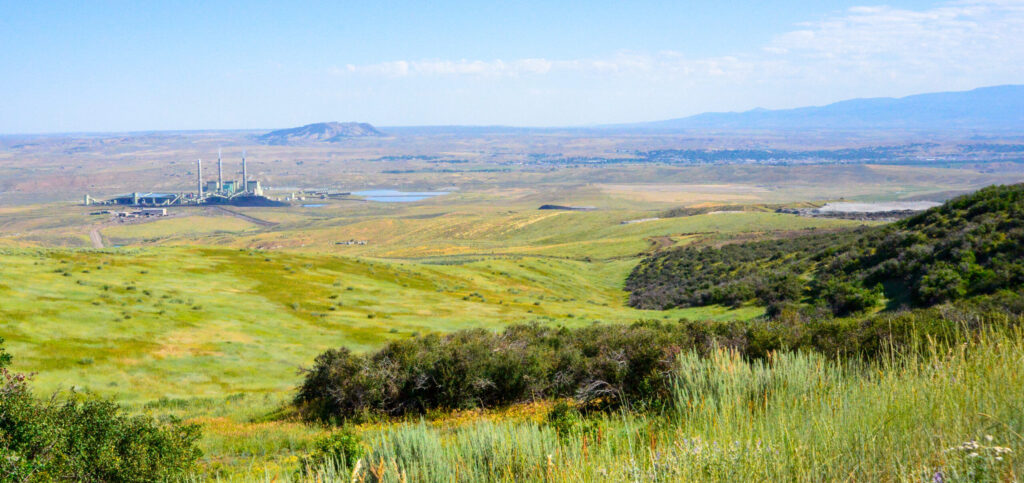
Colorado is asking a federal appeals court to overturn the U.S. Environmental Protection Agency’s decision to reject the state’s plan to reduce haze at national parks and wilderness areas. At the center of the fight is a straightforward but difficult...

Colorado chamber: 2026 legislative session marked ‘significant progress’ for business
Marissa Ventrelli
marissa.ventrelli@coloradopolitics.com
Updated 3 weeks ago
This year’s legislative session produced some big wins for the state’s business environment, according to the Colorado Chamber of Commerce’s annual report. The report measured the progress in the chamber’s legislative agenda across policy areas like labor and employment, technology...
Rep. Jeff Crank thinks Democrats are too focused on Trump, not enough on Colorado Springs | Vince Bzdek
Vince Bzdek
vince.bzdek@gazette.com
Updated 3 weeks ago
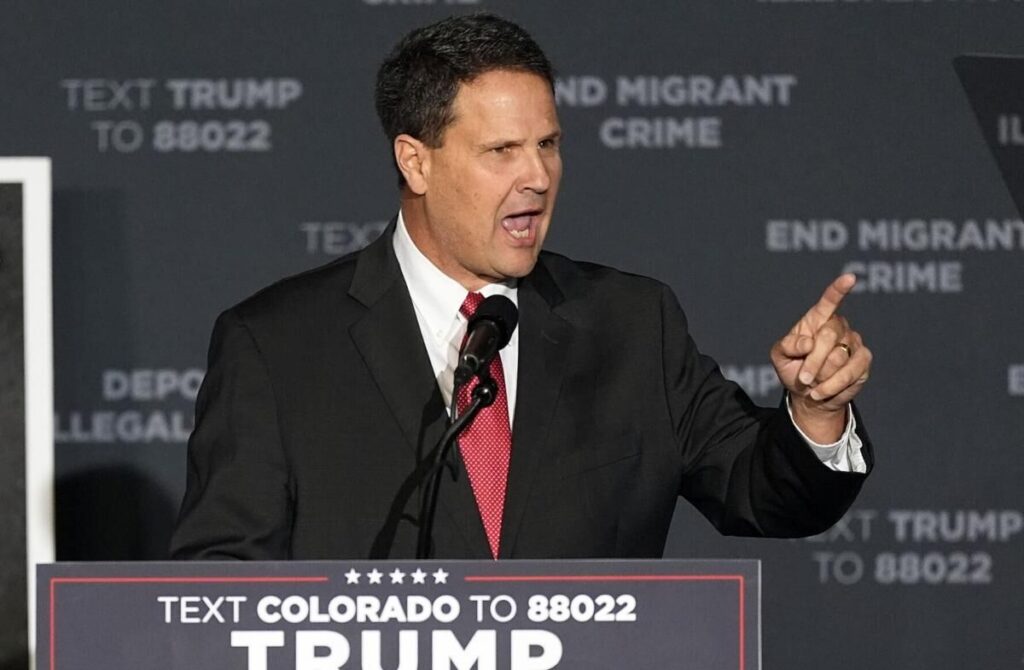
For U.S. Rep. Jeff Crank, who’s unopposed in the Republican primary for the 5th Congressional District but the main target of both candidates in the lively Democratic primary, the big question in the midterms is not who will stand up...
Grand Junction roundtable spotlights public access while Interior faces scrutiny over targeted land sales
Scott Weiser
scott.weiser@gazette.com
Updated 4 weeks ago
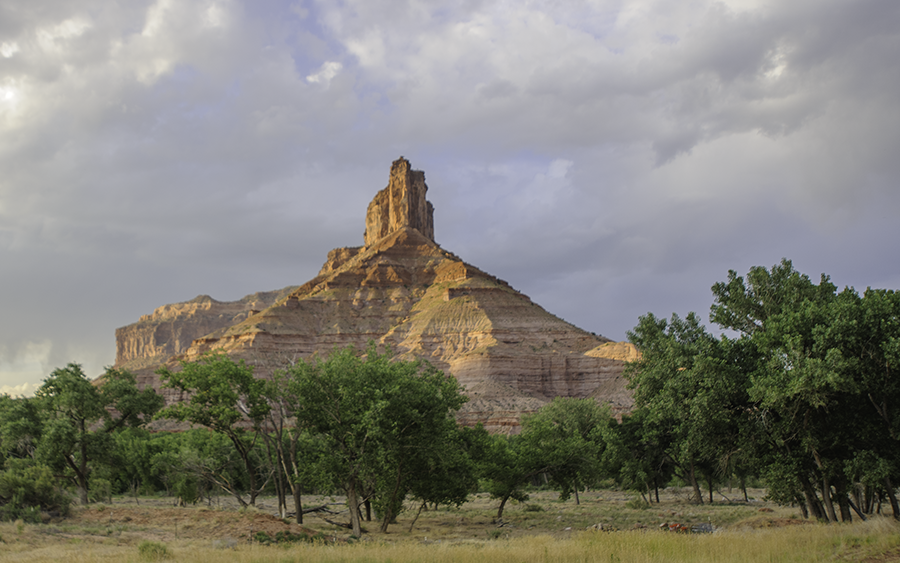
U.S. Health and Human Services Secretary Robert F. Kennedy Jr. and Interior Secretary Doug Burgum joined Bureau of Land Management Director Steve Pearce in Grand Junction Wednesday for a roundtable focused on linking public land access to improved physical activity...
Flat or graduated income tax? Colorado groups push dueling measures for November election
Marissa Ventrelli
marissa.ventrelli@coloradopolitics.com
Updated 4 weeks ago
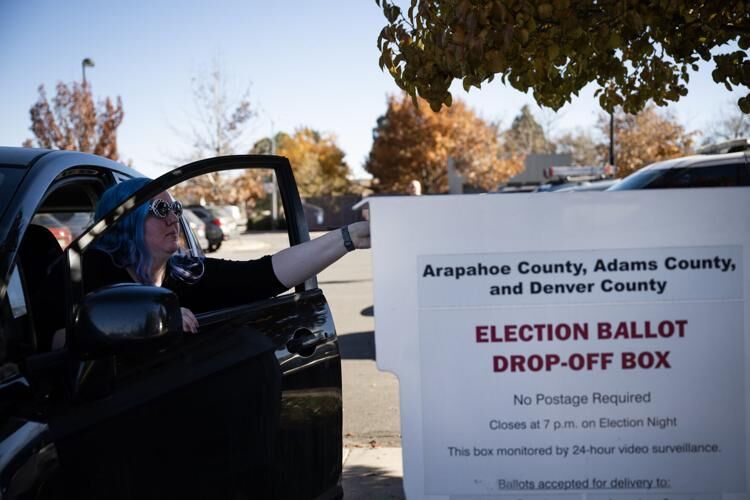
Colorado voters could face two opposing income-tax measures on the November ballot, with the dueling campaigns seeking to advance proposals that would take the state in sharply different fiscal directions. One initiative seeks to replace Colorado’s flat income tax with...
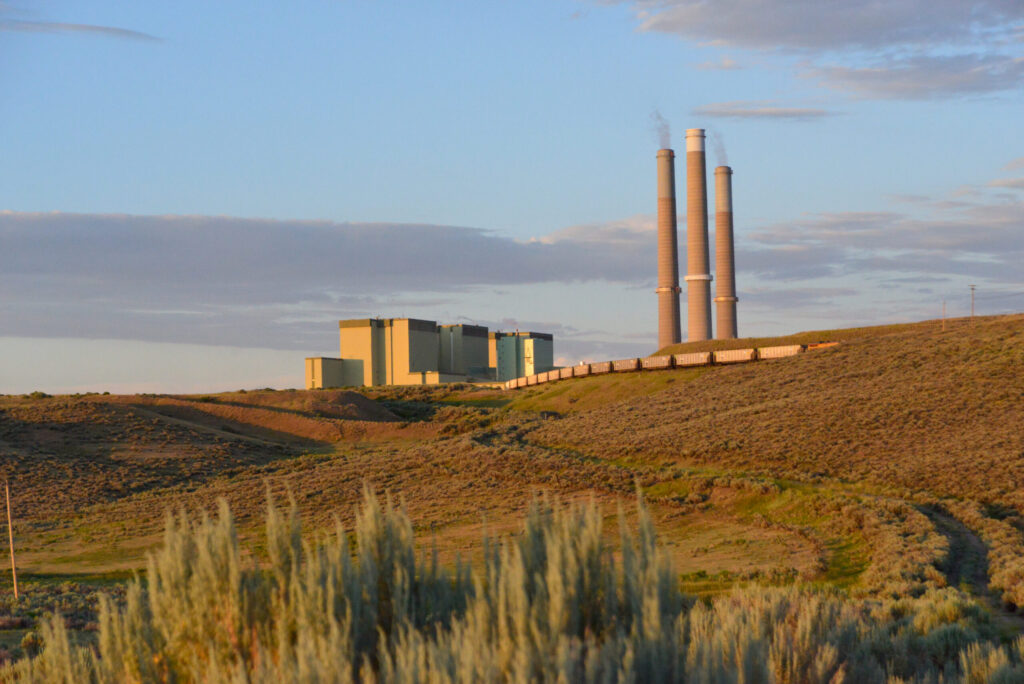
Colorado governor signs bill requiring pollution controls, cost reporting for extended coal operations
Scott Weiser
scott.weiser@gazette.com
Updated 4 weeks ago
Gov. Jared Polis signed into law a bill in reaction to orders from the U.S. Department of Energy to keep older coal units online. The federal government’s instructions applied to Craig Unit 1 in Colorado, one of five coal units...
PREV
PREVIOUS

Colorado Springs' federal judge to mediate Woodland Park schools free speech suit
Lawyers for the Woodland Park School District and the local teachers’ union agreed on Wednesday to mediate their dispute over a policy that allegedly infringes on employees’ constitutional right to free speech. Last month, the Woodland Park Education Association and its president, Nathaniel Owen, filed suit against the district, seeking to strike down a prohibition on employees […]

Biden's son Hunter hit with gun charge, first for a US president's child
WASHINGTON (Reuters) -U.S. President Joe Biden’s son Hunter Biden was criminally charged on Thursday with deceiving a gun dealer into selling him a firearm, in the latest sign of how the younger Biden’s legal woes may weigh on his father’s re-election bid next year. The first-ever indictment of a sitting president’s child, filed in U.S. […]