

Denver approves paying $1 million to six people to settle lawsuits stemming from 2020 protests
The Denver City Council on Monday approved six settlements totaling $1 million for three lawsuits brought by people who sued in federal court over the law enforcement response to the 2020 George Floyd protests.
More than $900,000 will go to a group of four protesters, who filed the first lawsuit over the city’s response to protests in the summer of 2020 over the killing of George Floyd by a Minneapolis police officer. The protesters alleged Denver police gassed them without warning, shot at them with pepper balls and hit one of them in the head with a 40 mm launcher (though he wore a helmet at the time).
Out of the protesters who sued, Amy Schneider will receive $350,000; Michael McDaniel, $100,000; Agazi Abay, $235,000; and, Gabriel Thorn, $320,000.
One day after the lawsuit was filed in June 2020, Senior Judge R. Brooke Jackson prohibited officers in Denver, or from any other agency working with the city, from using chemical weapons or “less-lethal” projectile weapons through a temporary restraining order, unless supervisors on scene authorized their use in response to personally witnessing specific acts of violence or destruction.
Jackson’s order at the time also put limitations on the manner in which police could use the weapons, such as barring them from aiming at people’s heads, pelvises or backs, firing indiscriminately into crowds and requiring orders to disperse before firing chemical weapons.
Attorney Elizabeth Wang, whose firm Loevy & Loevy represented Schneider, Thorn and Abay, said she is pleased to see the case come to a resolution. She added some of the systemic changes to policing practices plaintiffs hoped to see by bringing the lawsuit were adopted in Jackson’s injunction and legislation passed by Colorado’s General Assembly in June 2020.
The law, colloquially known by its designation Senate Bill 217, codified limitations on the use of less-lethal weapons by law enforcement and requires officers to have body-worn cameras turned on during interactions with the public in most circumstances.
“What we hope is that the changes that DPD has made, the officers will take them seriously all the way down the line,” Wang said.
Denver has defended the behavior of its police officers during the George Floyd protests. Leaders in the police department have said the demonstrations were volatile and rapidly unfolding. Some people destroyed property – including vandalism to the Capitol building – and threw things at officers, the city said.
A representative from the City Attorney’s Office declined comment Monday.
The city council is also scheduled to approve $50,000 settlements each for cases brought by Lindsay Minter and Terrance Roberts, a longtime Denver organizer and former mayoral candidate. Roberts alleged police pepper-sprayed him in the face during a counter-protest against a rally for then-President Donald Trump in July 2020 in Civic Center Park. He brought his case against the city and then-Police Chief Paul Pazen.
Minter’s case alleged that, one night after she led a protest in May 2020, police threw a stinger ball grenade at her and hit her in the face. A stringer ball grenade generates a loud noise and bright light, as well as dispersing a chemical irritant.
She sued Denver, Pazen, retired Cmdr. Patrick Phelan and several others. Phelan served as the incident commander for the George Floyd protests.
The settlements come a few weeks after the council agreed to pay $4.72 million to settle claims of constitutional violations by people who were arrested for violating an emergency curfew put in place during the George Floyd protests but faced no other violations.

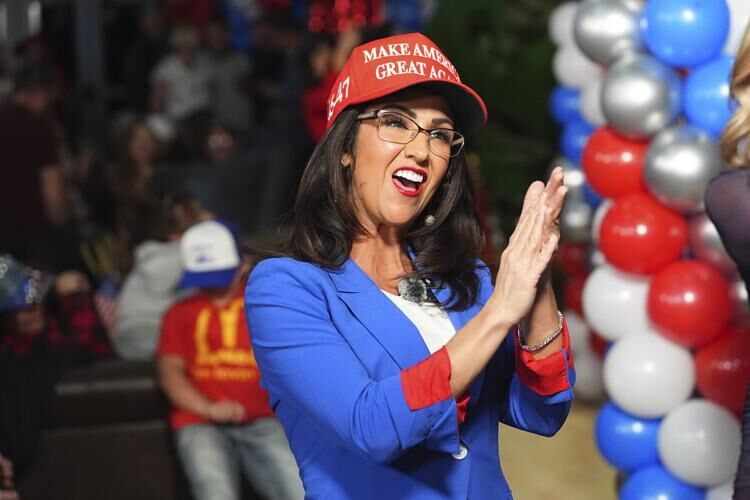
Trump threatens to withdraw support for Lauren Boebert over Thomas Massie dispute
Thelma Grimes
thelma.grimes@coloradopolitics.com
Updated 2 hours ago
President Donald Trump on Saturday threatened to withdraw his endorsement for U.S. Rep. Lauren Boebert, who is seeking reelection in Colorado’s 4th Congressional District, over the latter’s support for a Kentucky Republican facing a primary challenge. “Is anyone interested in...
Jeffco murder conviction overturned due to improper evidence
Michael Karlik
michael.karlik@coloradopolitics.com
Updated 2 hours ago
Colorado’s second-highest court reversed a defendant’s convictions for murder and aggravated robbery earlier this month, finding that a Jefferson County judge allowed evidence that improperly suggested the man had “bad character” for possessing guns generally. Under the rules for criminal...

Girls and their bright futures were celebrated at annual luncheon | NONPROFIT REGISTER
Joanne Davidson Special to Colorado Politics
joanne-davidson-special-to-colorado-politics@coloradopolitics.com
Updated 7 hours ago
GIRLS INC. OF METRO DENVER Denver News: With United Airlines as the presenting sponsor, My Bold Future, the annual fundraising luncheon hosted by Girls Inc. of Metro Denver, provided a figurative takeoff to success for the 2026 scholarship recipients and a smooth landing for the...

Daniel Domenico nominated for 10th Circuit, state Supreme Court hears arguments | COURT CRAWL
Michael Karlik
michael.karlik@coloradopolitics.com
Updated 9 hours ago
Welcome to Court Crawl, Colorado Politics’ roundup of news from the third branch of government. Colorado’s chief federal trial judge is the choice for an upcoming vacancy on the Denver-based federal appeals court, plus the state Supreme Court heard oral...
Supreme Court to decide if Title IX discrimination protections include employees
Jack Birle, Washington Examiner
jack.birle.washington.examiner@gazetteedit.wpenginepowered.com
Updated 9 hours ago
The Supreme Court announced Monday it will hear a case determining if employees of a federally funded school may sue for sex discrimination under Title IX, something students at those schools may already do under federal law. The high court...
Man who asked mom to lie to parole officer can stand convicted, Colorado Supreme Court decides
Michael Karlik
michael.karlik@coloradopolitics.com
Updated 9 hours ago
Attempting to influence a public servant is a crime that can include a defendant’s use of a third party to convey false information, the Colorado Supreme Court decided on Monday. There was no dispute that Michael Thomas Hupke asked his...

Children’s Colorado must resume care to transgender plaintiffs, state Supreme Court rules by 5-2
Michael Karlik
michael.karlik@coloradopolitics.com
Updated 2 hours ago
The Colorado Supreme Court, by a 5-2 vote, ordered Children’s Hospital Colorado on Monday to resume providing certain medical services to a group of transgender plaintiffs, which it had ceased in the face of funding threats from the federal government...
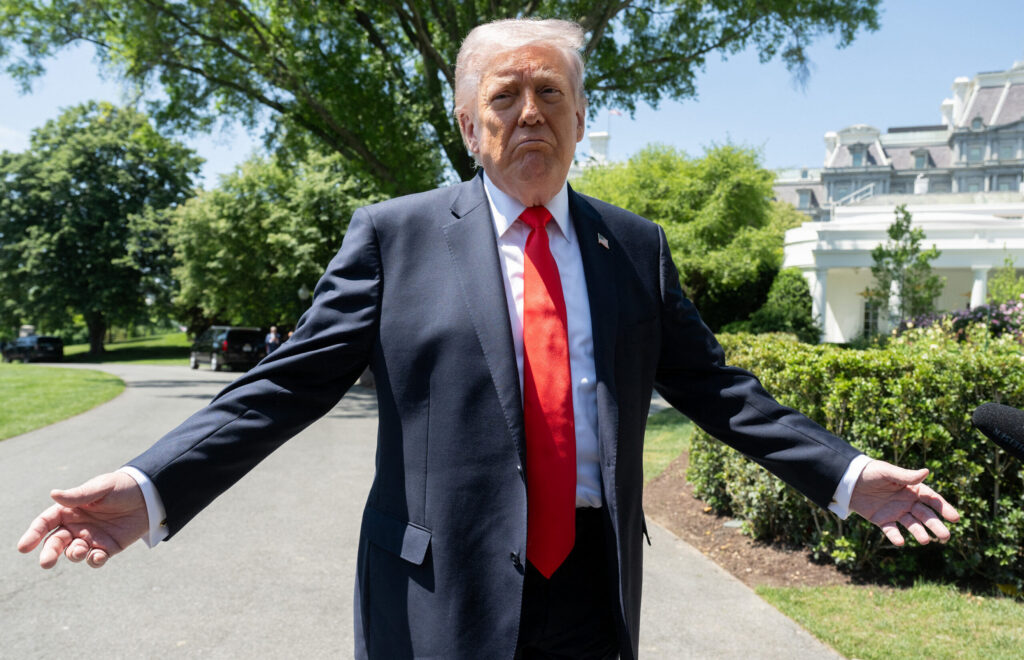
Trump approval rating drops to 37% thanks to Iran and economic anxiety
Rena Rowe, Washington Examiner
rena.rowe.washington.examiner@gazetteedit.wpenginepowered.com
Updated 9 hours ago
President Donald Trump’s approval rating continues to take a hit thanks to prices rising amid the Iran war, according to new polling. More than 60% of respondents said Trump’s decision to go to war was the wrong choice, according to...
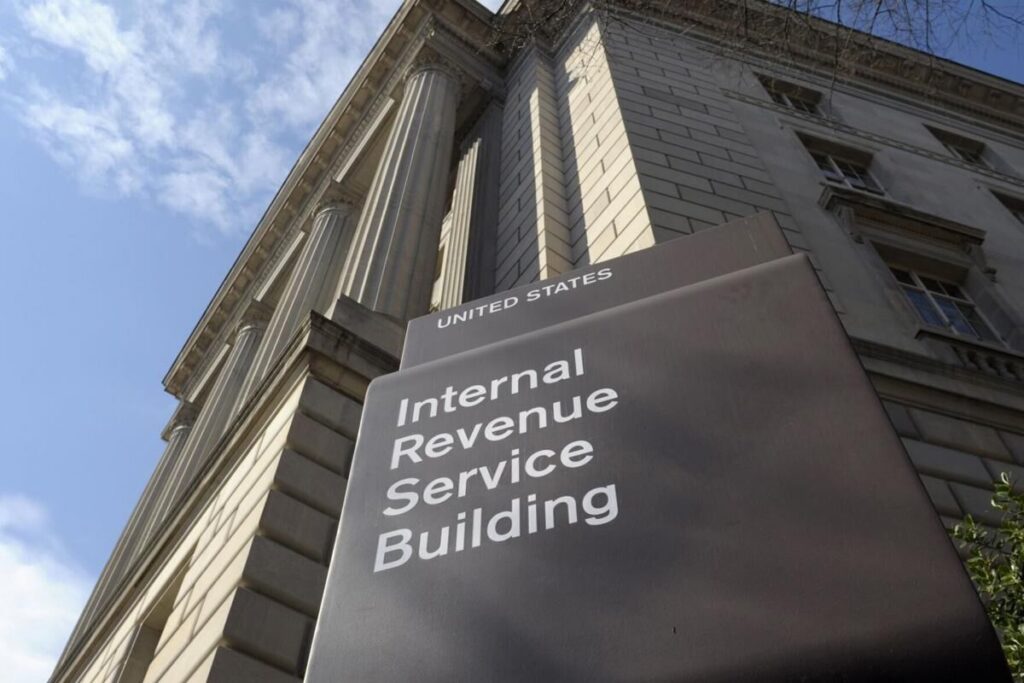
Trump moves to drop $10 billion IRS lawsuit as DOJ weighs weaponization victims fund
Kaelan Deese, Washington Examiner
kaelan.deese.washington.examiner@gazetteedit.wpenginepowered.com
Updated 9 hours ago
President Donald Trump on Monday moved to dismiss his $10 billion lawsuit against the IRS over the leak of his confidential tax returns, as the Justice Department reportedly weighs the creation of a $1.7 billion compensation fund for alleged victims...

Supreme Court rejects appeals from drug manufacturers over Medicare price negotiations
Mark Sherman
mark-sherman@coloradopolitics.com
Updated 13 hours ago
WASHINGTON (AP) — The Supreme Court on Monday rejected appeals from pharmaceutical companies that object to negotiating Medicare drug prices with the federal government. The justices did not comment in leaving in place rulings from the federal appeals court in...