

Federal court to commence prison-based pilot program, ex-chief justice receives discipline | COURT CRAWL

Welcome to Court Crawl, Colorado Politics’ roundup of news from the third branch of government.
The federal trial court in Colorado is about to begin a one-year pilot program to aid incarcerated plaintiffs who file lawsuits by themselves, and the state’s former chief justice was disciplined for failing to competently perform his duties.
A lifeline for self-represented plaintiffs
? Colorado Politics’ cover story this week describes an upcoming pilot program, run through the state’s U.S. District Court, that will provide 20-minute phone calls between volunteer lawyers and self-represented plaintiffs at Fremont Correctional Facility. Civil rights cases can be tough to litigate from behind bars, and they can also be tough for judges to decipher and process. The program intends to help plaintiffs with their questions, help judges in handling the cases, and help attorneys potentially meet clients worth representing. Here is an excerpt:
The 20-minute phone call is intended for those cases that survive screening and make it onto a judge’s docket. Former U.S. Magistrate Judge Kristen L. Mix said the idea is for incarcerated plaintiffs to receive guidance on the basic tasks of litigating a civil case: Getting information from the opposing party, serving a witness with a subpoena and otherwise compiling evidence.
“The first positive result is they can end up actually getting a lawyer, but the second positive result is they could learn something about discovery and be able to conduct it more efficiently and effectively,” she said. “And the third positive result is the court can handle the case more efficiently.” …
Mix, who stepped down from the court on Aug. 4, will be the volunteer coordinator during the pilot program. She anticipates speaking to lawyers about the effectiveness of the initiative, and she also plans to monitor judges’ dockets to assess whether the phone call made any difference in the trajectory of a case.
Some questions – “how much money am I going to win?” – would not be appropriate for the phone call, Mix said. Other questions may be legitimate, but would be better suited for an investigator than an attorney. If a plaintiff’s question is rejected, they can submit another one and still receive their phone call.
But the opportunity is limited to one call per case.
Discipline for high-ranking official
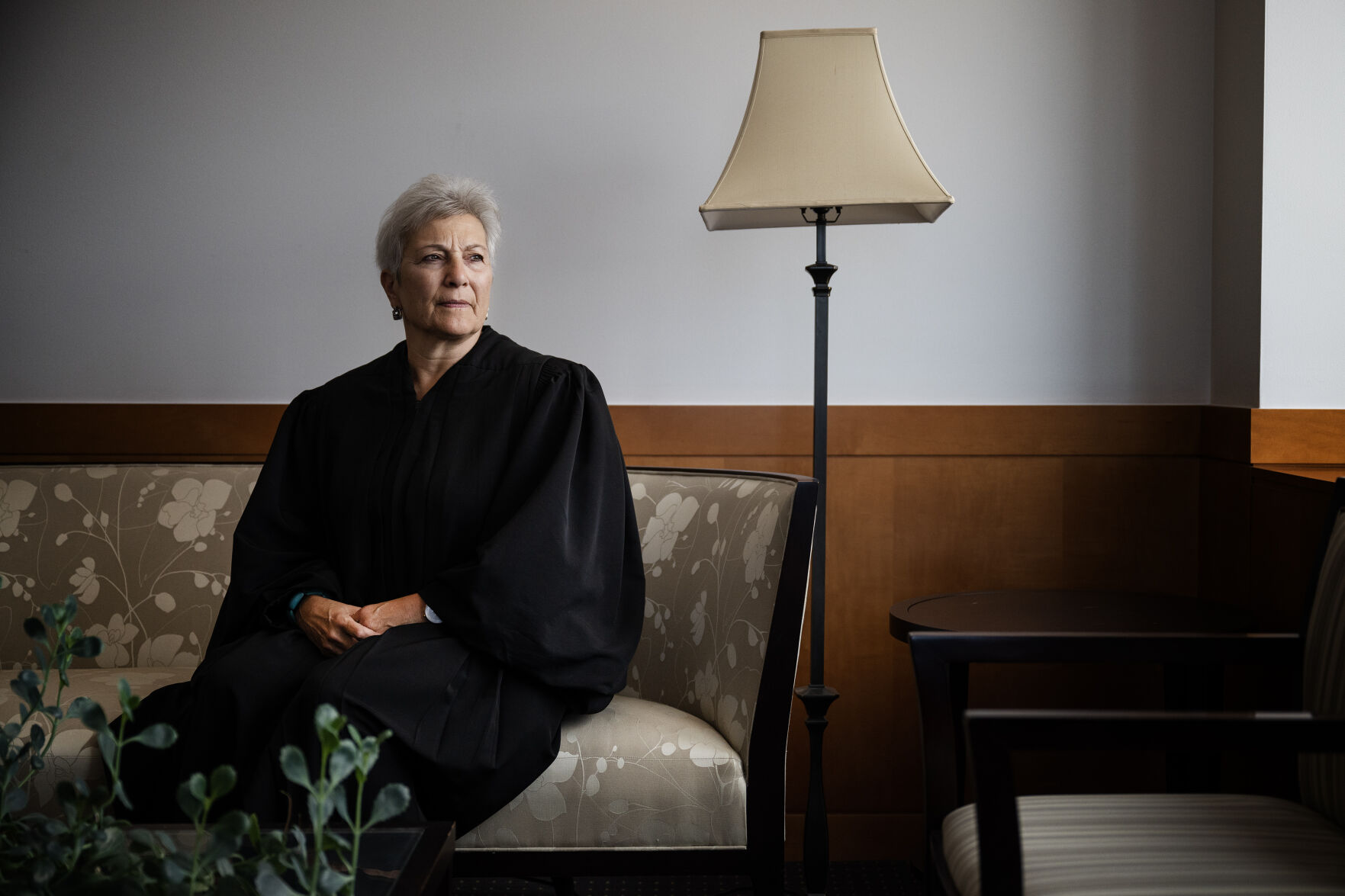
? Investigators, the state auditor, the legislature and the news media have all been involved in understanding and responding to a scandal in Colorado’s Judicial Department that occurred under the tenure of former Chief Justice Nathan B. Coats. Essentially, Coats and other officials committed the judicial branch to contracting with an employee who was reportedly about to resign for her own misconduct.
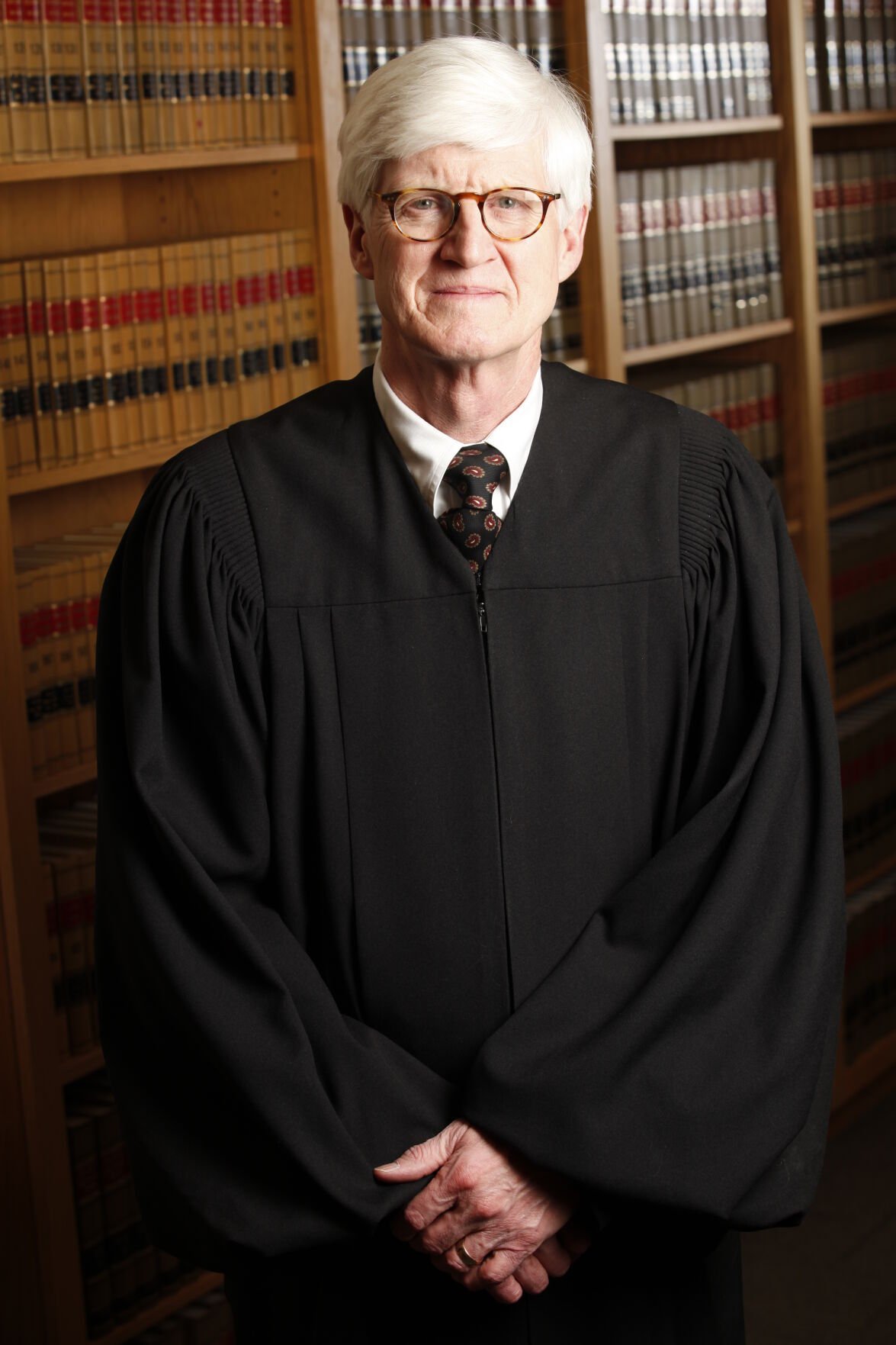
? Last week, a panel of Court of Appeals judges, stepping in for the members of the Supreme Court who would normally hand down a sanction, imposed a public censure on Coats for failing to faithfully perform his duties in advancing the ill-advised contract.
? “Public humiliation of a guy at that level of esteem is a huge sanction,” said former Sen. Pete Lee, D-Colorado Springs, who is also an attorney. “There isn’t anything more Draconian you can do from the standpoint of the legal profession – the esteem of your peers.”
Speaking of judicial duties…
? The Gazette discovered that many judges across Colorado have not filed financial disclosure forms with the state. Some judges filed their forms incorrectly, while others have not bothered filing at all. A few judges acknowledged they made errors, which is the type of thing judges usually penalize litigants for in court.
? One semi-retired judge attempted to justify his non-compliance by saying, “I am a very boring person (I have lived in the same house since 1986) and I believe my 2017 and later annual reports simply said there were no changes from the previous year.”
Gun rights at issue
? On the same day, a federal judge addressed whether to temporarily block two new Colorado laws while litigation challenging their constitutionality unfolds. U.S. District Court Chief Judge Philip A. Brimmer decided to halt an increase in the gun purchasing age from 18 to 21, while permitting a three-day waiting period law to take effect.
? Both lawsuits came about due to the U.S. Supreme Court’s 2022 decision in New York State Rifle & Pistol Association, Inc. v. Bruen, where the conservative majority made it easier to strike down gun safety regulations.

Heard on appeal
? A nurse who declined to get vaccinated and also refused to complete her employer’s religious exemption form is not entitled to unemployment benefits, the state Court of Appeals decided.
? An Arapahoe County judge allowed a defendant to represent himself at trial, despite the man’s indications of mental illness and an inadequate advisement about the consequences of going without counsel. The Court of Appeals ordered a new trial.
? A Douglas County judge subjected a man to lifetime sex offender registration without clearly saying why, prompting the Court of Appeals to overturn the man’s “sexually violent predator” designation.
? Even though a trial judge and a magistrate in Fremont County saw the defendant as the victim in a prison riot, the Court of Appeals ordered the reinstatement of felony rioting charges against the man.
? A former city council candidate in Boulder may pursue a lawsuit against a progressive activist for creating a fake Twitter account claiming to be the candidate and linking to defamatory material about the candidate in the profile.
? King Soopers attempted to sidestep Colorado Supreme Court precedent in a workers’ compensation case, but the Court of Appeals affirmed that an employee was entitled to compensation for his unexplained leg injury on the job.
? The state Supreme Court agreed to hear cases about 1.) whether a woman was effectively in custody and needed a Miranda warning, 2.) whether police lawfully relied on an Internet-based search warrant to investigate a man’s computer, and 3.) whether a school district can block other districts from locating facilities within its borders.
In federal news
? Even though there were “valid questions” about whether Durango police had probable cause to arrest a man, the U.S. Court of Appeals for the 10th Circuit dismissed a lawsuit against officers and prosecutors for pursuing an unsuccessful criminal case against the suspect.
? A federal judge took the unusual step of asking Congress to make it easier for plaintiffs to sue federal officials for violations of their rights, which the U.S. Supreme Court has increasingly prohibited.

? A Muslim inmate, representing himself, will have the opportunity to convince a jury that corrections officials improperly revoked his religious diet.
? A federal judge dismissed Denver itself from a lawsuit alleging an officer used excessive force by tasing a man in a hotel lobby.
Vacancies and appointments
? The chief justice has appointed District Court Judge Amanda C. Hopkins to be the chief judge of the 12th Judicial District (Alamosa, Conejos, Costilla, Mineral, Rio Grande and Saguache counties). Hopkins joined the bench in 2018 and was previously a public defender. She will succeed Chief Judge Michael A. Gonzales, who is remaining on the bench.
Miscellaneous proceedings
? U.S. Attorney General Merrick Garland spoke at the American Bar Association’s annual meeting in Denver about aiding war crimes prosecutions in Ukraine.
? A conservative group is challenging a state law that requires certain fiscal transparency language on ballot initiatives affecting tax revenue.
? A Denver judge declined to dismiss a lawsuit over a 2021 state law intended to generate billions of dollars for transportation.
? Teachers unions are challenging a Woodland Park schools policy barring educators from speaking publicly about school issues without permission from the district.


Colorado board permits state to appeal injunction against arthritis drug price cap
Marissa Ventrelli
marissa.ventrelli@coloradopolitics.com
Updated 13 hours ago
A Colorado board voted Friday to allow the Attorney General’s Office to fight an injunction against a price cap on a drug that treats arthritis. A U.S. district court judge had granted the company Amgen a preliminary injunction, temporarily blocking...

Federal judge rejects constitutional claims, ‘expressions of hatred’ by Club Q defendant
Michael Karlik
michael.karlik@coloradopolitics.com
Updated 13 hours ago
A federal judge rejected a defendant’s claims that he received constitutionally ineffective assistance of counsel while facing federal hate crime and firearms charges for murdering five people at a Colorado Springs LGBTQ nightclub in 2022. Anderson Lee Aldrich is serving...

Divided 10th Circuit upholds Colorado congestion fee on car rentals
Michael Karlik
michael.karlik@coloradopolitics.com
Updated 9 hours ago
The Denver-based federal appeals court concluded on Monday that a 2024 “congestion impact fee” that lawmakers imposed on short-term vehicle rentals did not conflict with a federal prohibition on certain airport-related charges. Beginning in the 1970s, Congress began limiting the...
10th Circuit dismisses woman’s lawsuit following 10-year attempt to undo restraining order
Michael Karlik
michael.karlik@coloradopolitics.com
Updated 4 days ago
The Denver-based federal appeals court rejected a woman’s challenge on Friday to a restraining order imposed on her more than a decade ago, finding that she cannot credibly claim she will be prosecuted for violating the restraining order through her...
10th Circuit dismisses woman’s lawsuit following 10-year attempt to undo restraining order
Michael Karlik
michael.karlik@coloradopolitics.com
Updated 4 days ago
The Denver-based federal appeals court rejected a woman’s challenge on Friday to a restraining order imposed on her more than a decade ago, finding that she cannot credibly claim she will be prosecuted for violating the restraining order through her...
Colorado equal pay law does not require plaintiffs to allege gender-based retaliation, appeals court finds
Michael Karlik
michael.karlik@coloradopolitics.com
Updated 3 days ago
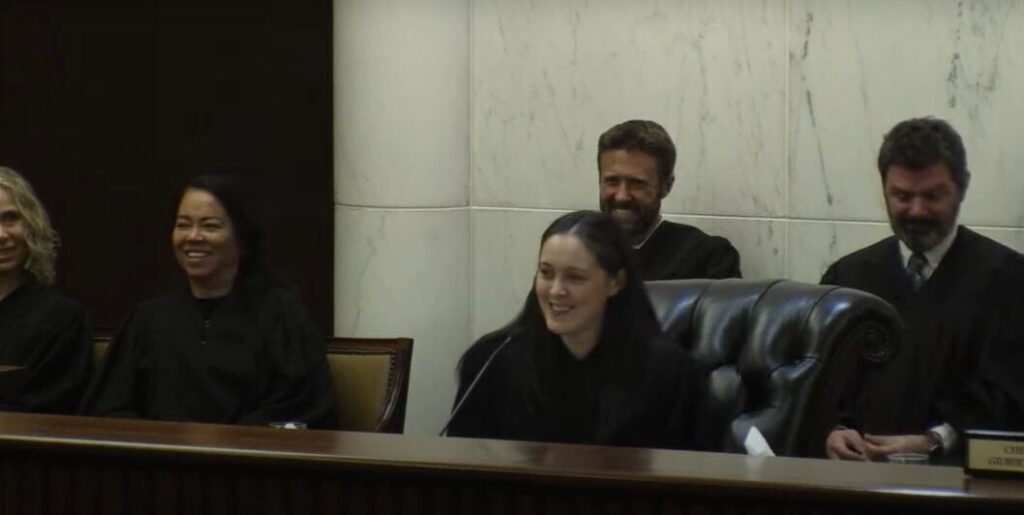
The 2019 Colorado law aimed at rooting out pay discrimination on the basis of sex does not require a plaintiff to allege their employer retaliated against them for sex- or gender-related reasons, the state’s second-highest court decided on Thursday. Lawmakers...
Hudson faces lawsuit over ICE detention facility
Nicole C. Brambila
nicole-c-brambila@coloradopolitics.com
Updated 4 days ago
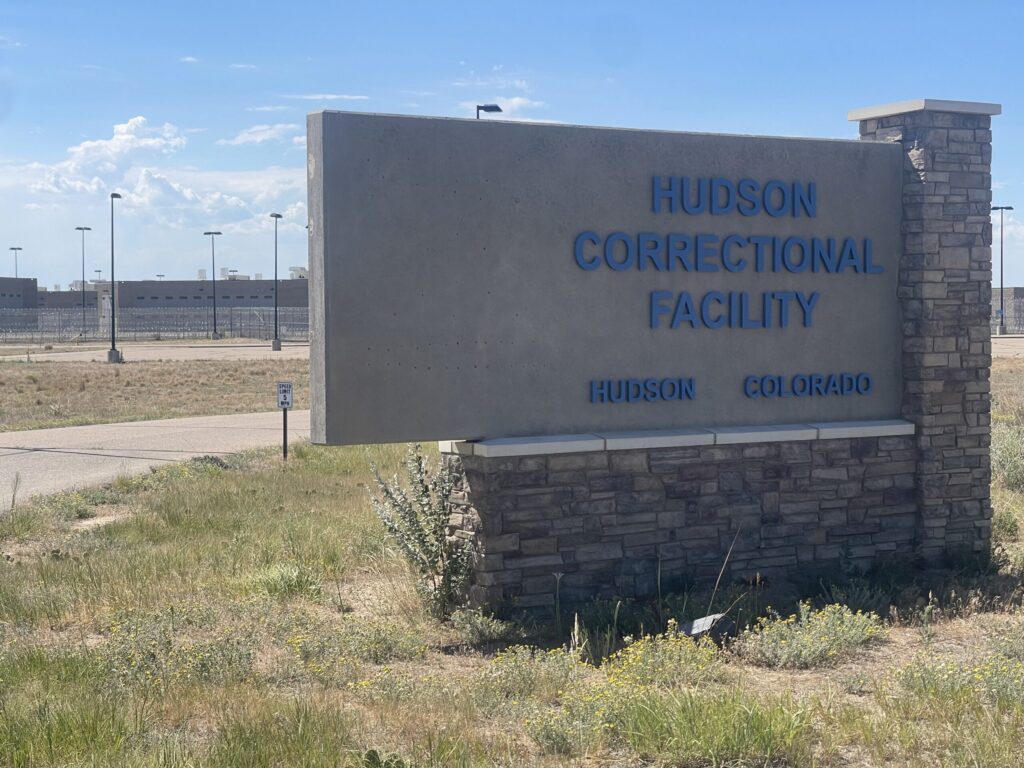
A nonprofit organization filed a lawsuit against the Town of Hudson Wednesday, challenging plans to reopen a former federal prison in the town as a U.S. Immigration and Customs Enforcement detention facility. Together Colorado, along with Janet E. Carlson, filed...
Senate committee advances Trump’s 10th Circuit nominee, as Domenico responds to questions about delays
Michael Karlik
michael.karlik@coloradopolitics.com
Updated 4 days ago
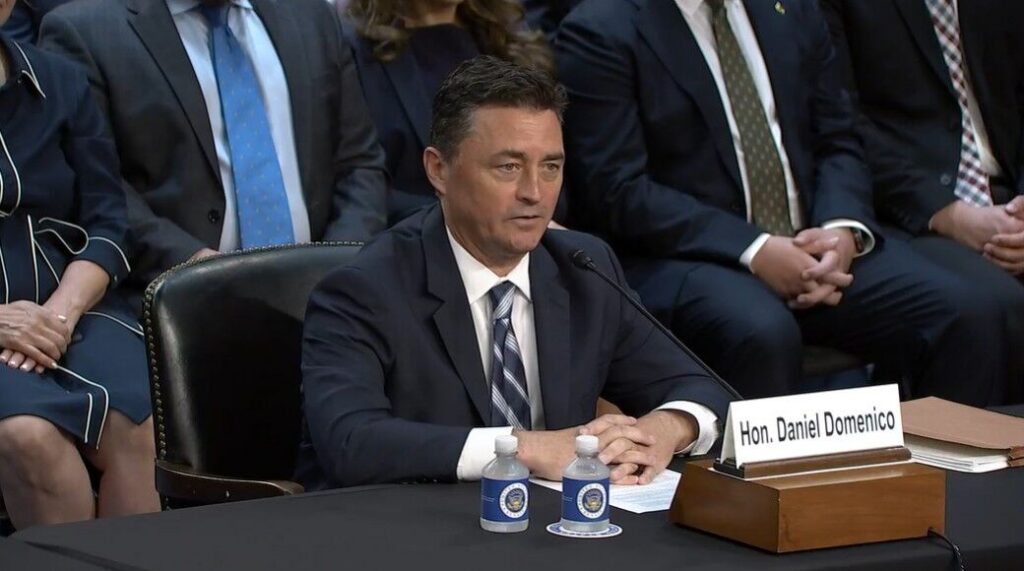
The U.S. Senate Judiciary Committee advanced President Donald Trump’s nominee to the Denver-based federal appeals court on Thursday by a party-line vote of 12-10. U.S. District Court Judge Daniel D. Domenico, who was Trump’s first-term appointee to Colorado’s federal trial...
Colorado justices to hear embryonic donation dispute
Michael Karlik
michael.karlik@coloradopolitics.com
Updated 4 days ago
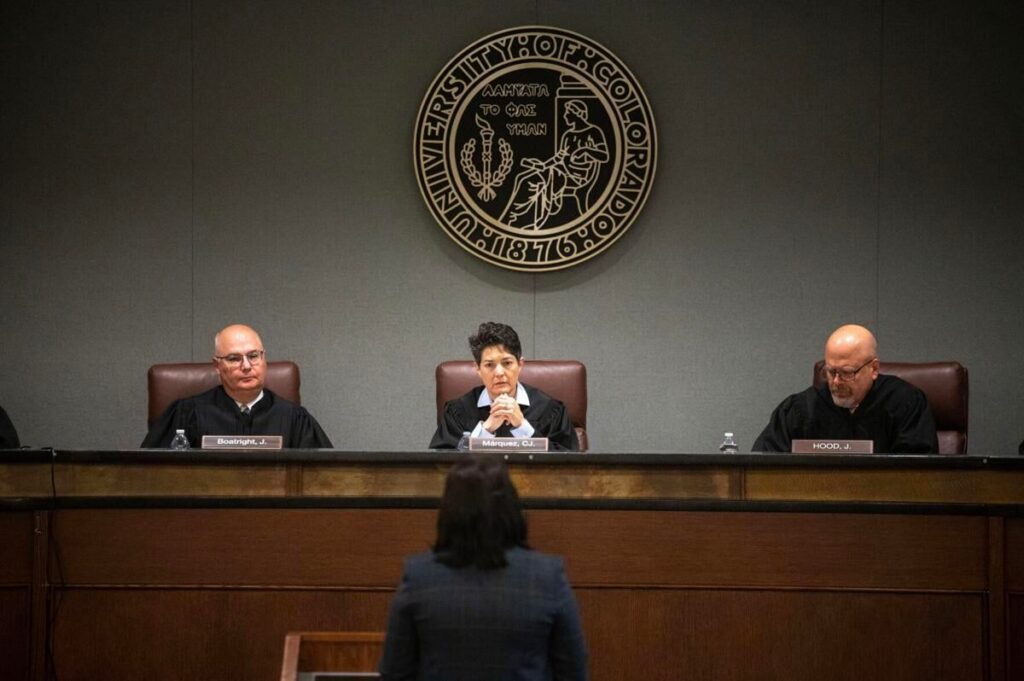
The Colorado Supreme Court announced on Monday that it will decide whether lower court judges properly applied its framework for adjudicating disputes over the fate of pre-embryos, in which one person wants to use them to become a parent and...
Isolation, emotion, persona: Colorado judicial programming prepares people for life on the bench
Michael Karlik
michael.karlik@coloradopolitics.com
Updated 5 days ago
As a trial judge and now as a member of the Colorado Supreme Court, Justice Carlos A. Samour Jr. has heard the view that being a judge is isolating. “In neither court have I felt isolated. I’ve always interacted a...
PREV
PREVIOUS

Colorado parental evaluation industry faces calls for state audit from lawmaker following fake credential scandal
A legislator vowed to push for new laws as well as a state audit to prevent unqualified parental evaluators from continuing to put Colorado children in peril amid growing criticism from parents who say the evaluation industry has mired their custody cases in turmoil. State Rep. Meg Froelich, a Democrat from Greenwood Village, spoke out […]

Lincoln County judge wrongly denied man opportunity to justify possession of contraband, court rules
A Lincoln County judge improperly denied an incarcerated man the opportunity to justify his possession of contraband weapons behind bars, Colorado’s second-highest court ruled last week in reversing the conviction. Colorado law provides for a “choice-of-evils” defense. A person can avoid conviction if they show they were facing imminent harm and engaged in criminal conduct […]