

Aurora’s ‘strong mayor’ campaign raises $150,000
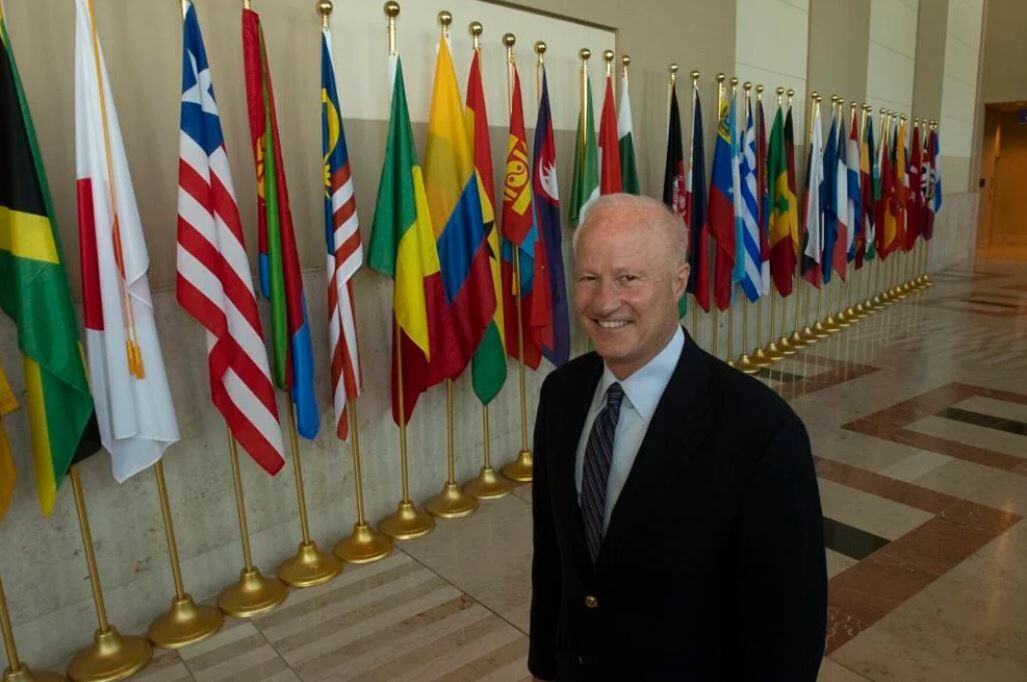
Funding for the ballot proposal that seeks to change Aurora’s form of government to a “strong mayor” system has reached roughly $150,000, while the opposition has yet to report raising any money.
Contributions mainly came from Aurora Mayor Mike Coffman and Colorado Dawn, a group that has spent more than $2 million since 2022 on Republican causes and candidates in the past year.
Coffman gave $10,000 to the effort and Colorado Dawn contributed $144,100.
In nonprofit filings, Colorado Dawn, which is based in Colorado Springs, describes itself as an organization that seeks to educate the public about western values and economics.
Aurora city councilmember Curtis Gardner said efforts are underway to raise money to oppose the ballot measure. Gardner said former city councilmember Charlie Richardson is leading that effort.
Early this week, Richardson filed a lawsuit against the city and three Aurora residents who signed paperwork initiating the proposal. The lawsuit alleged that the ballot initiative uses misleading language and does not adhere to single-subject requirements.
No financial information for the “no” campaign has been posted on Aurora’s campaign finance database as of Friday afternoon.
Colorado Dawn, which first began spending political money in late 2022, has spent more than $2 million on campaigns and candidates, including giving to the Constitutional Conservatives of El Paso County; the Senate Majority Fund, which is dedicated to regaining the Republican majority in the Colorado Senate; and, Recall Priola, which sought to recall Sen. Kevin Priola, D-Henderson, after the senator switching party affiliations to Democrat.
The amendment seeks to amend the Aurora city charter and create a council-mayor, or “strong mayor” form of government.
Under this system, the city manager position is eliminated, and the mayor becomes the executive in charge of running the city. “Strong mayors” typically prepare the budget, hold veto powers and appoint key department heads, among other duties. Denver and Colorado Springs have a “strong mayor” system.
Foes say the strong mayor system would vest far too much power in one person and accuse the Term Limits for a Better Aurora group of misleading voters into signing their petitions by presenting the campaign as a way to set term limits, rather than as a change the city’s governance structure.
Proponents maintain that the city has grown to a size in which the mayor should be held accountable to voters through an election, and that a “strong mayor” system will curb bureaucracy in city hall. They also insist that the measure’s “full language” is on the petitions and signature gatherers have had “extensive conversations” with voters about term limits and “limiting the power of an unelected bureaucrat city manager.”
In late July, the initiative received just over the required number of valid petition signatures to make it to the November ballot.
Aurora voters have until Aug. 14 to protest the validity of the petition’s signatures.

Kentucky Gov. Andy Beshear set to headline Colorado Democrats’ annual fundraising dinner
Ernest Luning
ernest.luning@coloradopolitics.com
Updated 1 day ago
Kentucky Gov. Andy Beshear, one of the Democrats’ top 2028 presidential prospects, is scheduled to deliver the keynote address at the Colorado Democratic Party’s annual fundraising dinner in June in Denver, the party said Friday. Serving his second term as...
Colorado sues Trump administration, calling new election order ‘unconstitutional’
Marissa Ventrelli
marissa.ventrelli@coloradopolitics.com
Updated 13 hours ago
Colorado Attorney General Phil Weiser has joined a multistate coalition suing President Donald Trump over a new executive order on elections, arguing the directive unlawfully intrudes on states’ authority to run their own voting systems and threatens access to mail...
Denver Democrat Neal Walia lands endorsement from Ro Khanna in Colorado’s state House District 9
Ernest Luning
ernest.luning@coloradopolitics.com
Updated 1 day ago
California Rep. Ro Khanna on Friday endorsed legislative candidate Neal Walia in the race for an open state House seat, praising the Denver Democrat’s commitment to public service and progressive goals. Walia, who mounted an unsuccessful challenge against U.S. Rep....
Redistricting fight escalates as Colorado Title Board clears competing ballot proposals
Marianne Goodland
marianne.goodland@coloradopolitics.com
Updated 1 day ago
Colorado’s title board on Wednesday gave final approval to multiple ballot measures related to congressional redistricting, setting up a series of proposals that could alter how the state draws its U.S. House districts for the 2028 and 2030 elections. The...
Judge rules that Colorado law makes it too hard for parties to bar unaffiliated voters from primaries
Ernest Luning
ernest.luning@coloradopolitics.com
Updated 3 days ago
A federal judge ruled in favor of the Colorado Republican Party late Tuesday, saying that a portion of the state law that allows unaffiliated voters to cast ballots in party primaries is unconstitutional because it imposes an unrealistic burden on...
Colorado leaders say Trump’s executive order targeting mail voting violates state election authority
Marissa Ventrelli
marissa.ventrelli@coloradopolitics.com
Updated 3 days ago
Colorado leaders criticized President Donald Trump’s new executive order issued Tuesday, arguing that its creation of a national voter‑eligibility list and new limits on mail voting violate states’ constitutional authority to run their own elections. President Donald Trump has frequently...
Phil Weiser wins top spot in Colorado’s Democratic gubernatorial primary at party’s state assembly
Ernest Luning
ernest.luning@coloradopolitics.com
Updated 1 week ago
Attorney General Phil Weiser’s name will appear first on Colorado’s Democratic gubernatorial primary ballot after his overwhelming win Saturday at the party’s state assembly in Pueblo. Weiser joins U.S. Sen. Michael Bennet in the June 30 primary for the office...
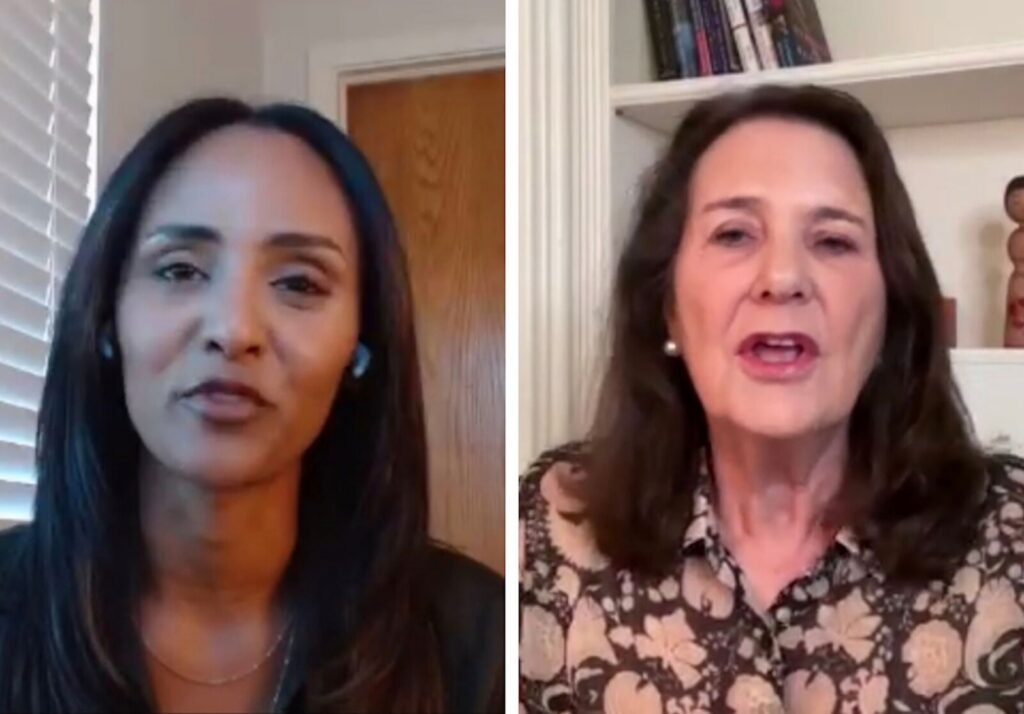
Denver Democrat Diana DeGette trails challenger Melat Kiros at assembly as both qualify for primary
Ernest Luning
ernest.luning@coloradopolitics.com
Updated 5 days ago
U.S. Rep Diana DeGette, a Denver Democrat, qualified for Colorado’s June primary by the skin of her teeth Friday at the party’s district assembly, where the 15-term incumbent received fewer than half as many delegate votes as her challenger, 28-year-old...
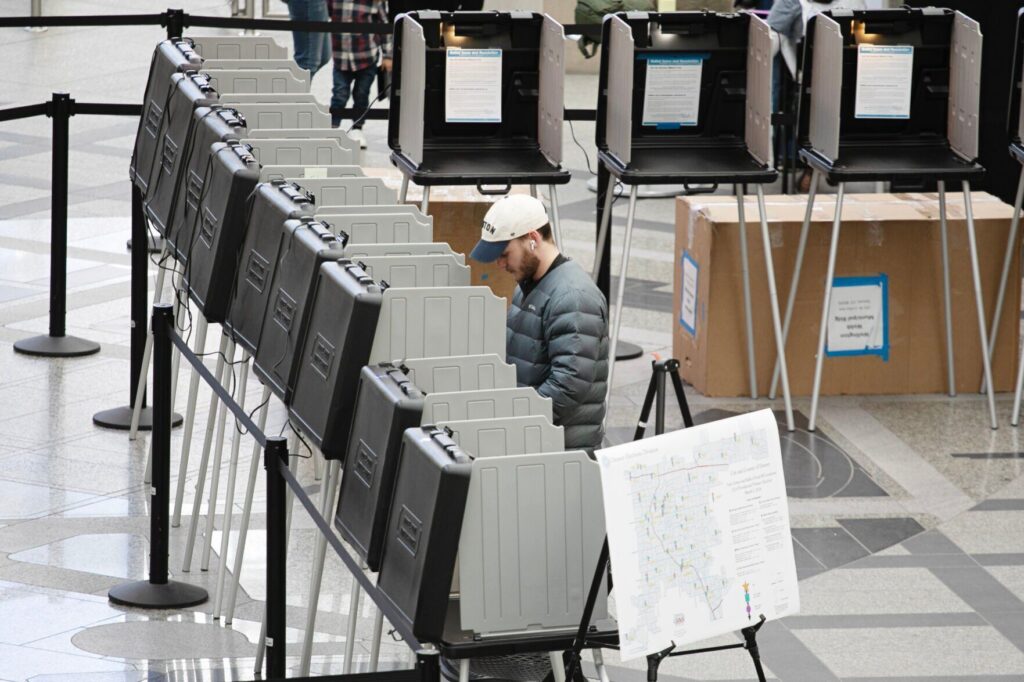
Federal judge upholds constitutionality of Colorado campaign contribution limits
Michael Karlik
michael.karlik@coloradopolitics.com
Updated 1 week ago
A federal judge upheld Colorado’s individual campaign contribution limits as constitutional on Thursday, finding that three Republican plaintiffs failed to prove the campaign finance framework violates their First Amendment rights. U.S. District Court Senior Judge John L. Kane recognized that...
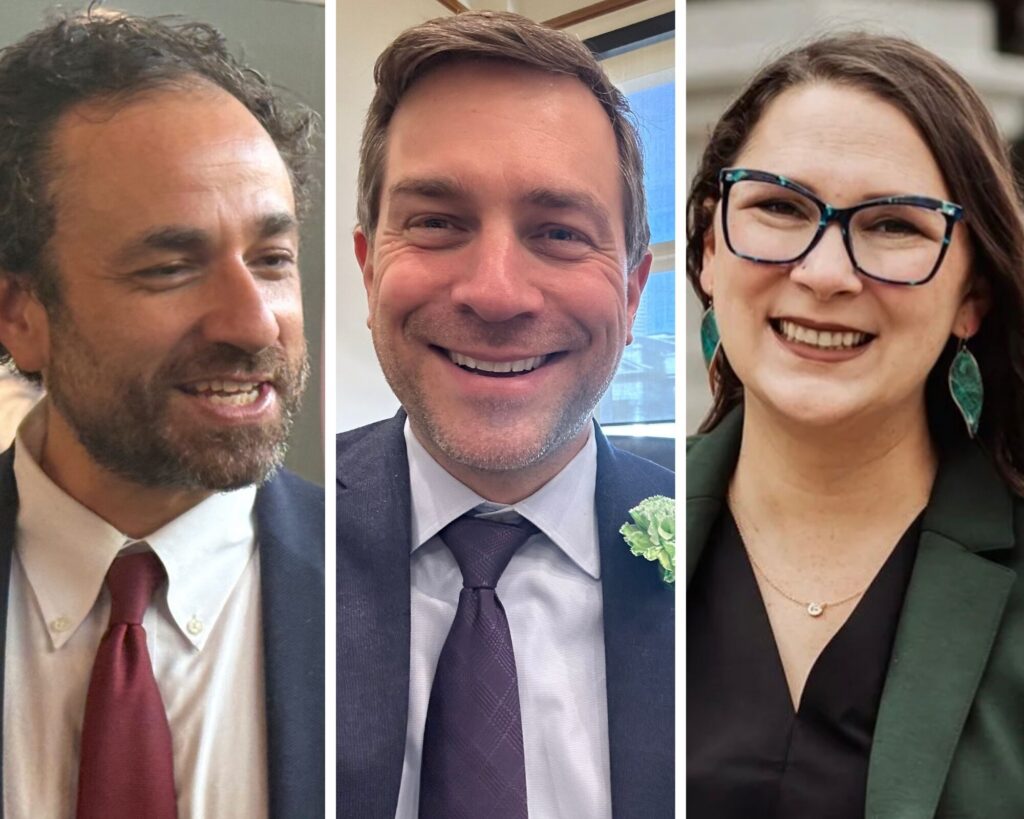
Seligman, Bridges, Gonzales lead downballot races heading into Colorado Democrats’ state assembly
Ernest Luning
ernest.luning@coloradopolitics.com
Updated 1 week ago
As Colorado Democrats prepare to designate candidates to the June primary ballot at the party’s state assembly in Pueblo on Saturday, three candidates appear poised to win top-line designation in downballot statewide races, according to data compiled by the state...
PREV
PREVIOUS

Lamborn, Colorado Springs school districts to host roundtable on fentanyl effects, legislation
U.S. Rep. Doug Lamborn and several Colorado Springs school district administrators are scheduled to host a roundtable discussion Tuesday on fentanyl’s effects on youth and recent legislative efforts to combat the drug in schools. Suicide deaths in El Paso County hit all-time high, follow U.S. trend Lamborn will also speak on the Protecting Kids Against […]

Zach McCabe, Denver's assistant district attorney, announces run to replace Beth McCann
The second-in-command prosecutor in the Denver District Attorney’s office announced candidacy this week to replace outgoing DA Beth McCann in the 2024 general election. Democrat Zach McCabe, McCann’s assistant district attorney, enters the race after 18 years in the office. As the office’s number two, McCabe’s roles, in addition to trying cases, have included supervising […]