

Colorado’s track record picking White House nominees is far from super | TRAIL MIX
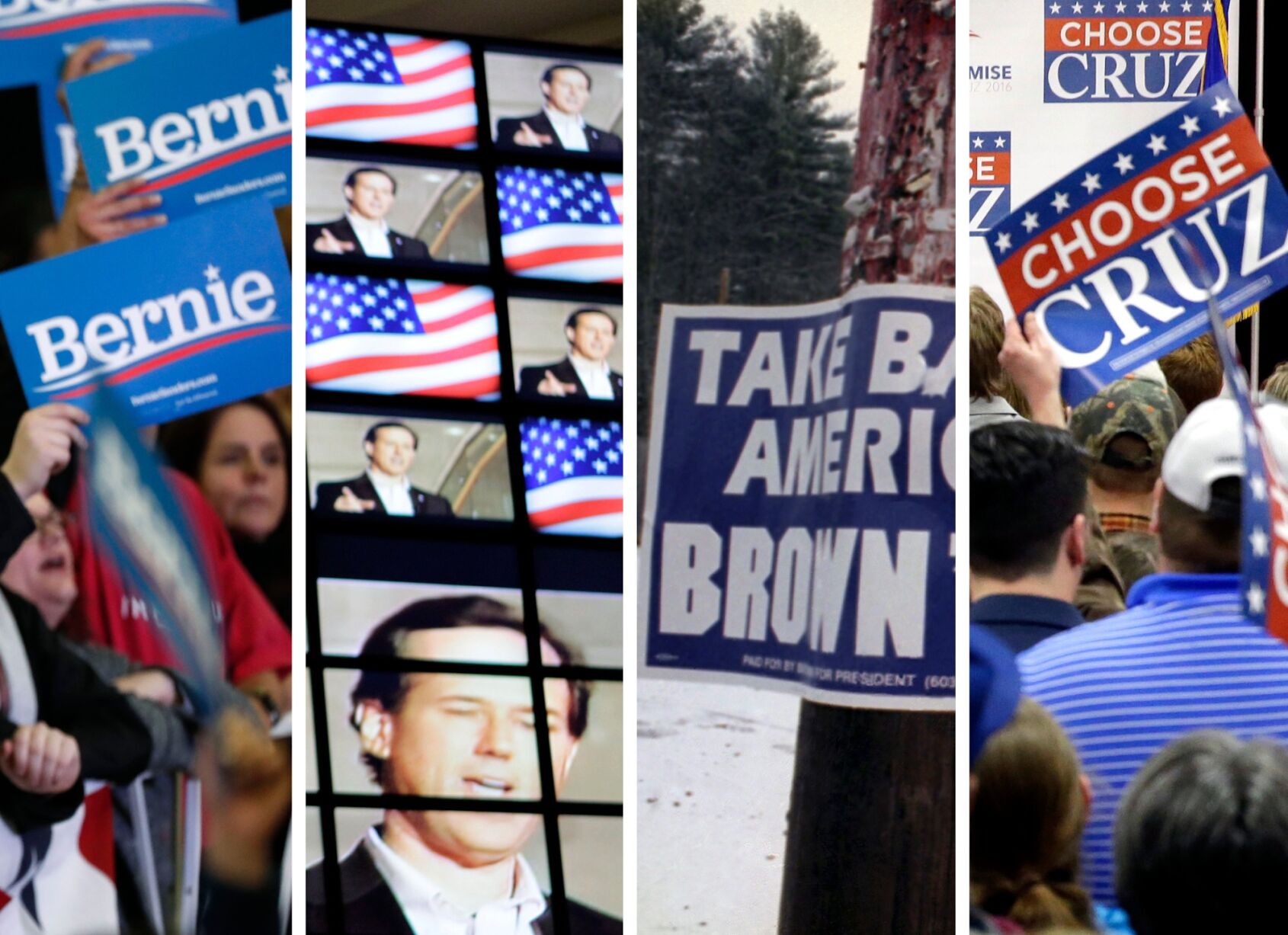
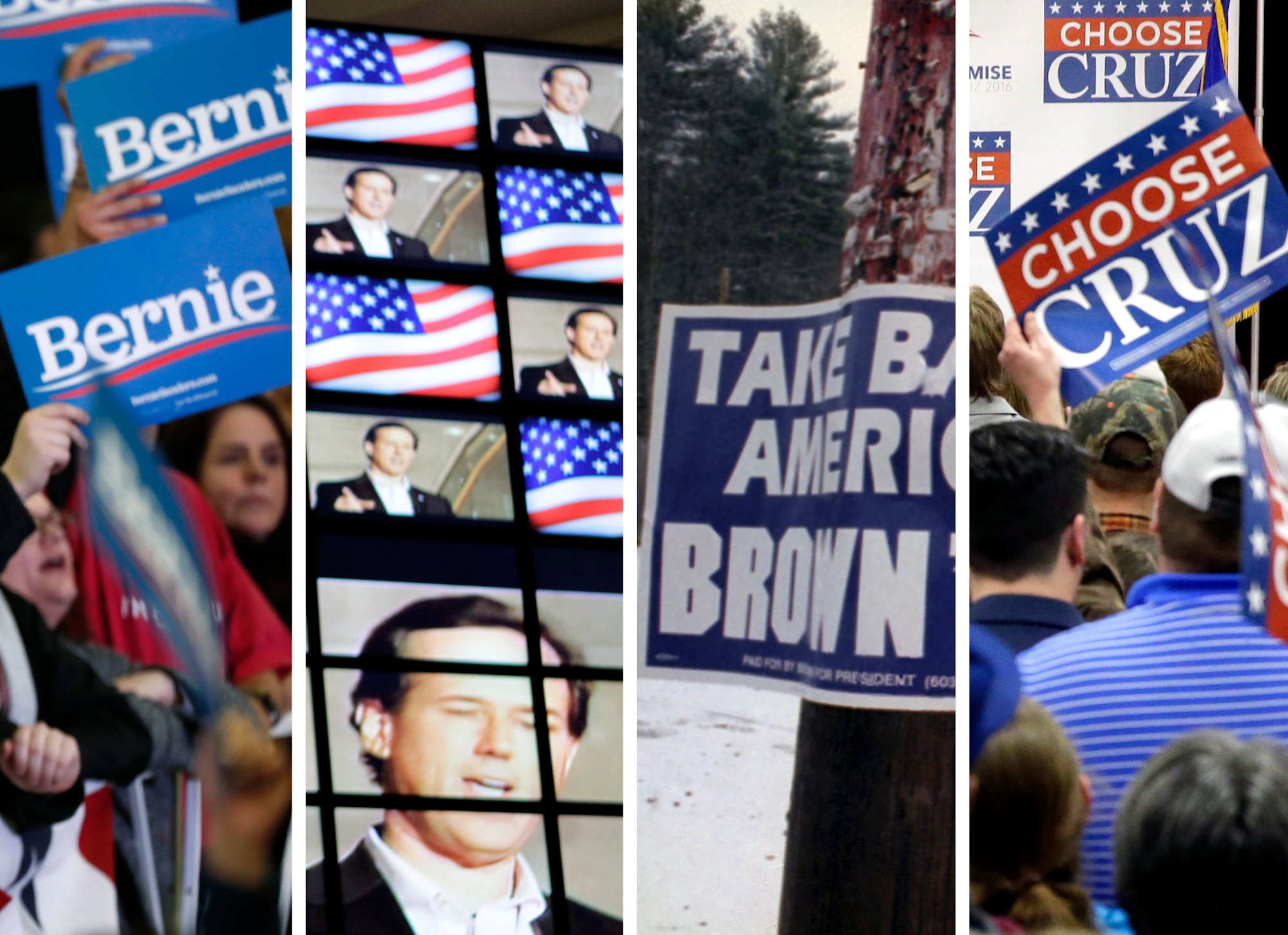
Colorado voters get to weigh in on next year’s major party presidential nominations on Super Tuesday, but if past performance is any guide, scoring a win in the state’s primary could be closer to kryptonite for some White House hopefuls.
As often as not in recent decades, national candidates who carry Colorado’s primaries or caucuses have gone on to lose their party’s nomination, sometimes ending their bids within weeks of claiming victory in the Rockies.
Just ask past Democratic presidential nominees Jerry Brown and Bernie Sanders, or GOP standard-bearers Rick Santorum and Ted Cruz.
The state’s spotty track record backing nominees didn’t appear to be on anyone’s minds this week when Gov. Jared Polis joined with election and leading partisan officials to declare that Colorado’s 2024 presidential primary will be held on March 5, along with contests scheduled in at least 14 other states and one territory – accounting for more than one-third of the delegates headed for next summer’s Democratic and Republican national conventions.
If Colorado’s primary doesn’t get lost in the shuffle – a possibility with electoral giants California and Texas casting ballots on the same day – voters could be treated to splashy visits and intense, on-the-ground campaigning from a slew of presidential contenders, like happened three years ago when the state conducted its first primary in 20 years after a stretch of relying on precinct caucuses to kick off national delegate selection.
Since the early 1970s, when the modern presidential nominating process took hold, Colorado has mostly held caucuses but switched to presidential primaries for a few cycles beginning in 1992. Caucuses returned in 2004, purportedly as a cost-cutting measure – state and county taxpayers foot the bill for elections, but political parties shell out the dough to administer caucuses – before state voters resurrected the primary ahead of the 2020 election by approving a 2016 ballot measure.
“Coloradans are very engaged in our democracy and deserve to have our voices heard in determining the presidential nominees of each party,” Polis said, adding that he hopes Colorado’s prime spot on the presidential calendar will encourage candidates to “speak to issues that are important to Colorado.”
To be sure, Polis didn’t have much, if any, leeway. The law passed by voters requires the presidential primary be held on one of the first three Tuesdays in March, and it would be nigh-on impossible to schedule it later than the first Tuesday and still meet tight statuary deadlines for holding county and state assemblies and printing mail ballots ahead of next year’s June 25 primary election for other partisan offices.
Nevertheless, Super Tuesday it is, with Colorado so far sharing the spotlight with the country’s two most populous states, California and Texas, alongside Alabama, Alaska, Arkansas, Maine, Massachusetts, Minnesota, North Carolina, Oklahoma, Tennessee, Utah, Vermont, Virginia and American Samoa.
Secretary of State Jena Griswold, who oversees state elections, said she was excited that Colorado voters will again register their preferences early in the primary schedule, potentially before both parties’ nominations are sewn up.
At press time, just six states have set primaries and caucuses ahead of March 5, though the two major parties are holding contests in some of them on different days. Beating Colorado and its Super Tuesday fellows to the punch will be South Carolina, Nevada, Michigan and Idaho, with the two state that have traditionally gone first – Iowa with its caucuses and New Hampshire with its primary – still planning to vote early but yet to announce their dates.
The leaders of Colorado’s Democratic and Republican parties gave their thumbs up. Democratic chair Shad Murib cheered the chance for voters to “have their voices heard on the national stage” while candidates “invest in earning their trust.” Across the aisle, GOP chair Dave Williams thanked Polis for “making this great decision so all Coloradans can benefit from increased attention and energy as all the major presidential campaigns compete for our state.”
Coloradans can be contrary.
The state has a habit of siding with soon-to-be also-rans on the road to the White House.
On the eight occasions since 1992 when Colorado has had a say in picking presidential nominees – four times in primaries, four times in caucuses – the state’s voters have routinely dealt wild cards, veering one way when voters elsewhere in the country are heading in another direction.
That isn’t to say Colorado hasn’t gone with the eventual nominees plenty of times, though that’s mostly happened in contests that weren’t exactly competitive by the time the state voted, like in 2000 when its Republicans voted overwhelmingly for George W. Bush the same year state Democrats did the same for Al Gore.
Likewise, in the past eight presidential cycles, state voters have without fail backed incumbent presidents seeking nomination for a second term, though not without throwing an unexpected curve ball.
While he ultimately cruised to the nomination before losing his bid for a second term, President George H.W. Bush got a wake-up call in Colorado’s 1992 GOP primary. Pat Buchanan, a conservative commentator challenging the incumbent from the right, got 30% of the vote, giving Bush an early sign that his reelection might be in jeopardy.
In the same election – dubbed Mini Super Tuesday to distinguish it from the later, more delegate-rich Super Tuesday, dominated by Southern states – leading Democratic candidates swarmed the state. Arkansas Gov. Bill Clinton, Massachusetts Sen. Paul Tsongas, California Gov. Jerry Brown, Nebraska Sen. Bob Kerrey and Iowa Sen. Tom Harkin all vied for Colorado’s delegates. In a stunner, Brown surged to an upset, finishing a couple points ahead of Clinton, who secured the nomination a few weeks later by sweeping the South.
Colorado’s next two presidential primaries were less eventful, with Clinton, the incumbent, and Republican Sen. Bob Dole of Kansas having grabbed convincing leads before easily winning the state in 1996 and Texas Gov. George W. Bush and Al Gore, the incumbent vice president, doing the same four years later.
After reverting to a caucus state in 2004, Colorado voters rubber-stamped Bush’s renomination while agreeing with the emerging consensus that Massachusetts Sen. John Kerry would top the Democrats’ ticket.
In 2008, however, Coloradans split their record as prognosticators, providing Democrat Barack Obama a crucial victory over Hillary Clinton on the same night state Republicans handed Mitt Romney an easy win over that year’s nominee John McCain, the Arizona senator who would go on to lose the general election to Obama.
Running without opposition, Obama got the nod from Colorado Democrats in 2012, but state Republicans again backed a candidate who would soon suspend his campaign by tilting toward former Pennsylvania Sen. Rick Santorum on the same night Romney solidified his lock on the nomination with wins in other states.
Both parties went with candidates who didn’t go the distance in 2016. State Democrats gave a big win to Vermont Sen. Bernie Sanders over Hillary Clinton, and Republicans went all in on Texas Sen. Ted Cruz, leaving eventual GOP nominee Donald Trump crying foul while hurling charges that Colorado’s caucus and assembly system was “rigged.”
Under the revived primary system in 2020, Colorado Republicans gave Trump an overwhelming win against nominal opposition at the same time Sanders scored a repeat win on the Democratic side, beating eventual nominee Joe Biden by double digits a few weeks before Sanders suspended his campaign.
Eight months from next year’s Super Tuesday, Biden and Trump appear to have solidified their positions as prohibitive favorites for their party’s respective nominations – albeit with Trump in a more precarious position amid a crowded field of rivals – but if recent history teaches anything, it’s to expect the unexpected in politics. And when it comes to presidential primaries, that’s just what Colorado’s voters might deliver.
Ernest Luning has covered politics for Colorado Politics and its predecessor publication, The Colorado Statesman, since 2009. He’s analyzed the exploits, foibles and history of state campaigns and politicians since 2018 in the weekly Trail Mix column.

Colorado joins multi-state call to keep ICE away from polling locations
Jacob Mauk
jacob.mauk@denvergazette.com
Updated 12 hours ago
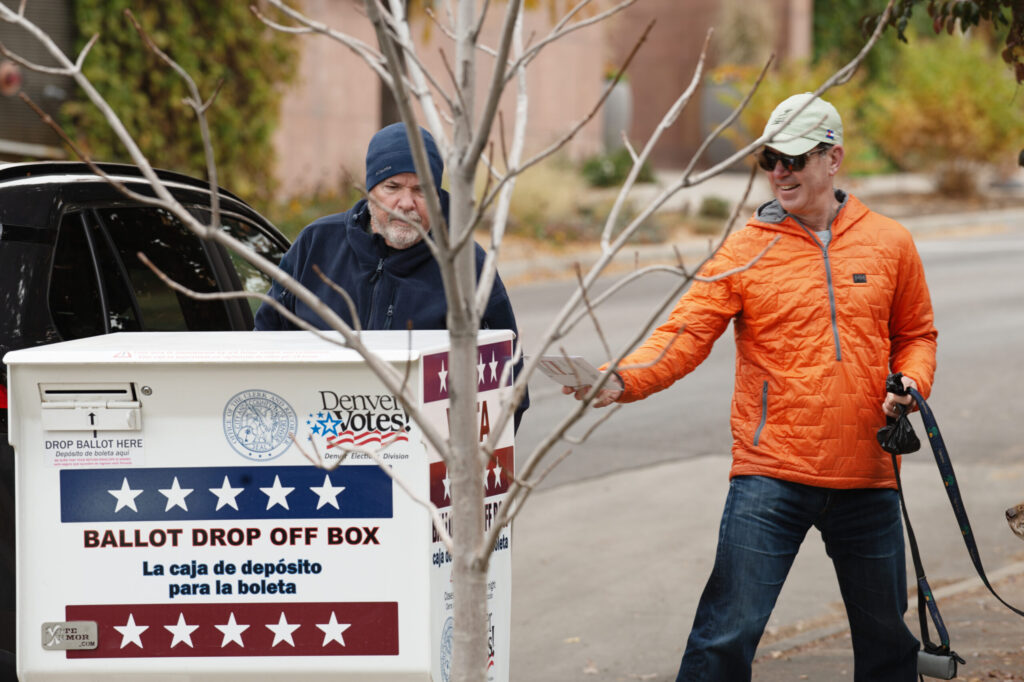
Colorado Secretary of State Jena Griswold announced Monday that the state has formally requested written confirmation from the Department of Homeland Security that ICE agents will not be stationed at polling locations during the 2026 election cycle, according to a...
Can deliberation save democracy? | Vince Bzdek
Vince Bzdek
vince.bzdek@gazette.com
Updated 19 hours ago
In September 2019, 523 Americans traveled to Dallas for an experiment called “America in One Room.” The gathering was designed to test a theory: Could representative citizens deliberate productively even in an era of intense polarization? The event focused on...
Redistricting scheme would give Colorado Democrats seven House members, split El Paso County | Bob Loevy
Bob Loevy
bob-loevy@coloradopolitics.com
Updated 2 days ago
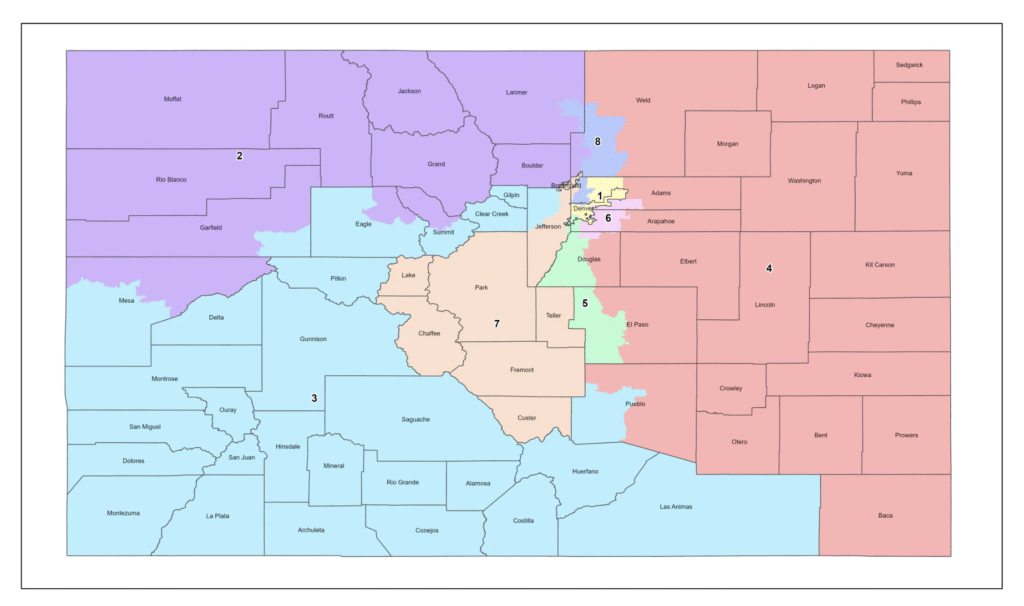
A proposed redistricting plan, which could give Colorado seven Democratic members of the U.S. House of Representatives and only one Republican, would split El Paso County into two parts and thereby weaken the county’s influence in Congress. El Paso County,...
Colorado Democrats, Republicans fight over ballot fiscal information
Marissa Ventrelli
marissa.ventrelli@coloradopolitics.com
Updated 4 days ago
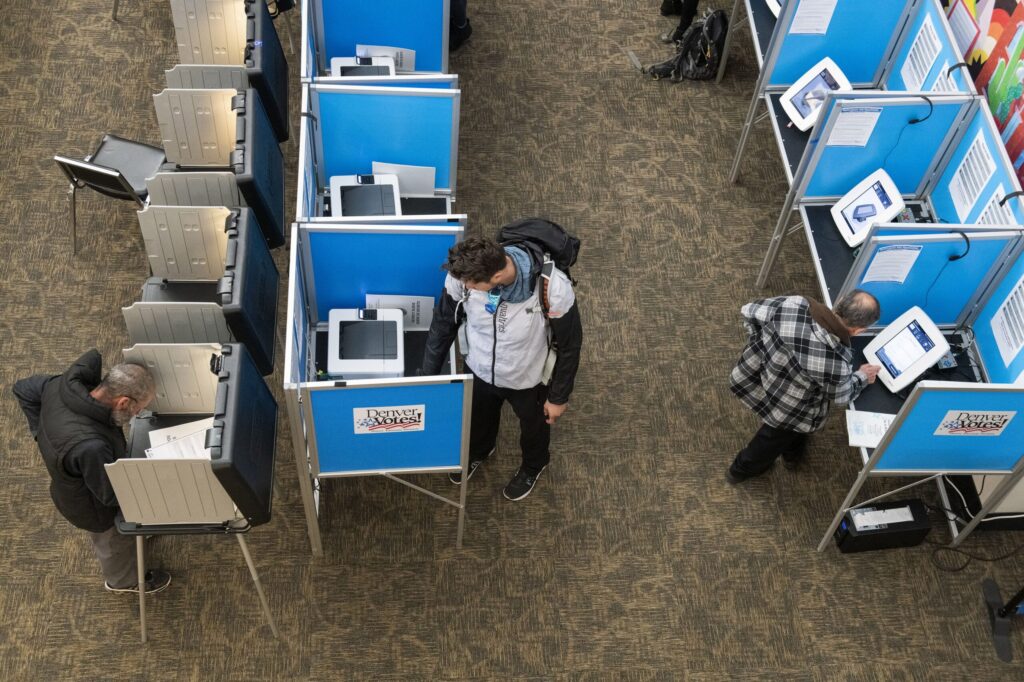
Republicans and Democrats clashed anew over legislation that would require identifying which programs would see a funding reduction if a ballot measure passed, with the former saying it’s yet another way for the government to control the campaign narrative and...

Democrat Dwayne Romero jumps in primary to challenge Republican Jeff Hurd in Colorado’s 3rd CD
Ernest Luning
ernest.luning@coloradopolitics.com
Updated 4 days ago
The Democrat who has been running for nearly a year to unseat Republican U.S. Rep. Jeff Hurd in Colorado’s 3rd Congressional District got some company in the primary this week. Dwayne Romero, a Snowmass Village business owner and decorated Army...
Colorado’s congressional redistricting proposal could flip three Republican House seats | ANALYSIS
Michael Braithwaite
michael.braithwaite@gazette.com
Updated 2 days ago
A Democrat-backed proposal to redraw Colorado’s congressional map for the 2028 election could flip three Republican districts. The proposal, introduced by a group called Coloradans for a Level Playing Field, is yet another development in a national redistricting debate after...
Judge declines to block potential Boebert challenger from going through assembly process in Colorado’s 4th CD
Ernest Luning
ernest.luning@coloradopolitics.com
Updated 6 days ago
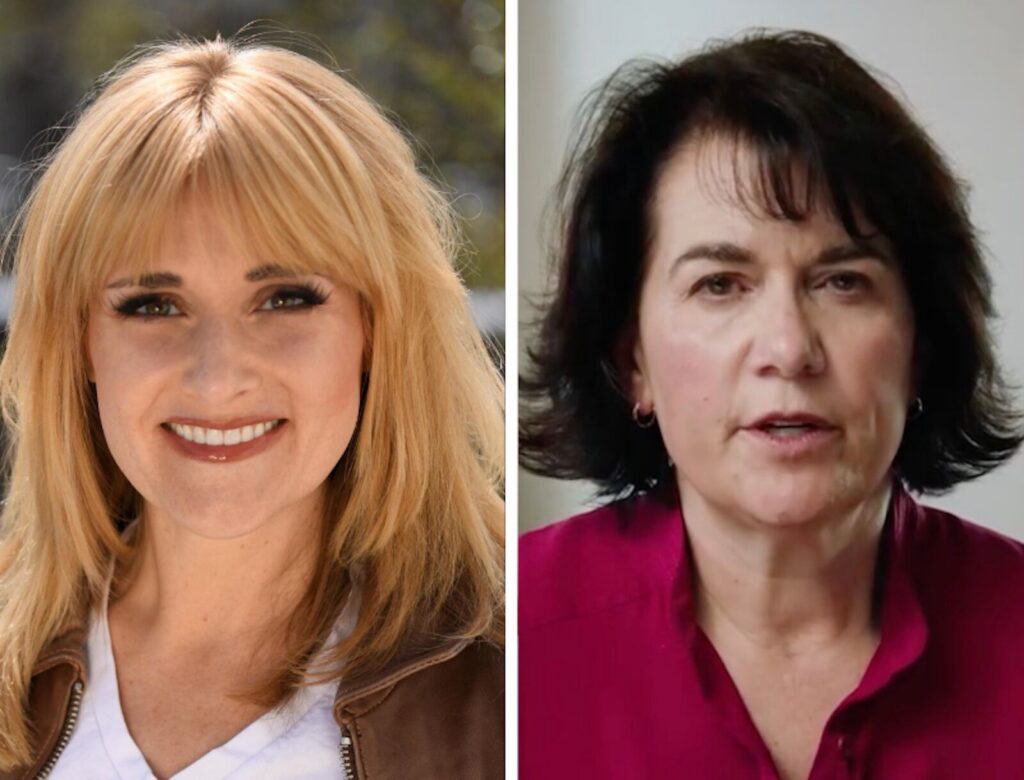
Congressional candidate Eileen Laubacher, one of the Democrats seeking to challenge Republican U.S. Rep. Lauren Boebert, can participate in the party’s caucuses and assemblies pending a court hearing later this month, a Denver judge ruled Tuesday in response to a...
Colorado Gov. Jared Polis ignites fierce debate after raising clemency questions in Tina Peters case
Marianne Goodland
marianne.goodland@coloradopolitics.com
Updated 6 days ago
Gov. Jared Polis ignited a political firestorm Tuesday night after weighing in on the prison sentences of two former Colorado officials — a Democrat and a Republican — convicted of attempting to influence a public servant. The comments quickly fueled...
Bills on ballot access, dual office ban move swiftly through Colorado legislature
Marianne Goodland
marianne.goodland@coloradopolitics.com
Updated 6 days ago
With an eye on the 2026 election cycle and mounting tensions with the Trump administration, Colorado lawmakers are fast-tracking a pair of election bills they say will protect the state’s mail ballot system and tighten rules for elected officials. The...
Colorado GOP chair Brita Horn loses ‘no-confidence’ vote, vows to refocus on ‘mending that divide’
Ernest Luning
ernest.luning@coloradopolitics.com
Updated 6 days ago
The Colorado Republican Party’s state central committee approved a resolution expressing “no confidence” in state chair Brita Horn in a landslide late Monday night near the end of an online meeting marked by rancor and confusion. Almost 80% of the...
PREV
PREVIOUS

Colorado Municipal League names 'legislative heroes' for first time in 14 years
For the first time since 2009, the Colorado Municipal League bestowed its highest honor on state legislators this week. The organization recognized Sen. Barbara Kirkmeyer and Sen. Rachel Zenzinger as “CML Legislative Heroes” on Monday for their work supporting municipalities during the 2023 legislative session. This award hasn’t been given to any state legislator since Sen. Joyce […]

Democrats decry — while Republicans welcome — end of affirmative action in college admissions
Colorado Democrats decried and Republicans welcomed Thursday’s U.S. Supreme Court ruling striking down affirmative action, with Democrats saying justices turned their backs on a strategy that has served to “correct for past discrimination” and offer “more opportunities to historically underrepresented communities. Republicans in turn argued that college admissions should only be based on individual merit. […]