

Denver improves transparency efforts, but risk of inconsistencies remains, auditors say

Denver officials have improved efforts to notify the public about projects and proposals, but the risk of inconsistencies in engagement with residents in some areas remains, according to city auditors.
Back in 2021, auditors looked into the city’s mechanisms to ensure transparency and concluded Denver’s compliance with public notice requirements was inconsistent and that expectations and practices when it came to engaging residents across the city were varied.
But, in a follow report, auditors said city agencies have taken steps in the right direction, implementing several recommendations.
The Department of Community Planning and Development, for example, established a guide for conducting engagement and outreach with the public when it comes to text amendments.
The city auditor’s office said this now means it is likelier for the public to have the opportunity to provide feedback on substantive changes in zoning codes “before it is too late in the process.”
Specifically, the planning department developed a process to take input from the public and to also guarantee a response to online comments.
“People want to know that their voices are not only heard, but also how their input will be used to affect decisions,” Auditor Timothy O’Brien said in a news release. “When individuals know how their ideas might be incorporated, they are less likely to be discouraged from future engagement.”
Explaining its rationale for the original investigation, the auditor’s office said a transparent government ensures residents who are affected by government decisions can both influence and participate in making them.
Ultimately, this increases the public’s trust in the city, resulting in more effective solutions to challenges, the auditors said, adding that, by providing more structure and guidance around public notices and public engagement, the city can, ultimately, offer higher-quality services to residents.
But O’Brien’s office said how the city engages with residents on bike lane projects remains an “area of weakness.”
Specifically, the city’s Transportation & Infrastructure department has made no progress in setting expectations for how its Office of Community and Business Engagement staffers support bike projects teams.
As a result, the auditor’s office said, the teams are at risk of responding to constituents “inconsistently.”
“My office regularly hears from constituents who ride bikes,” O’Brien said. “We know they feel they often aren’t getting consistent answers about projects, from design through implementation. I hope the city will take action to improve community engagement in this area soon.”


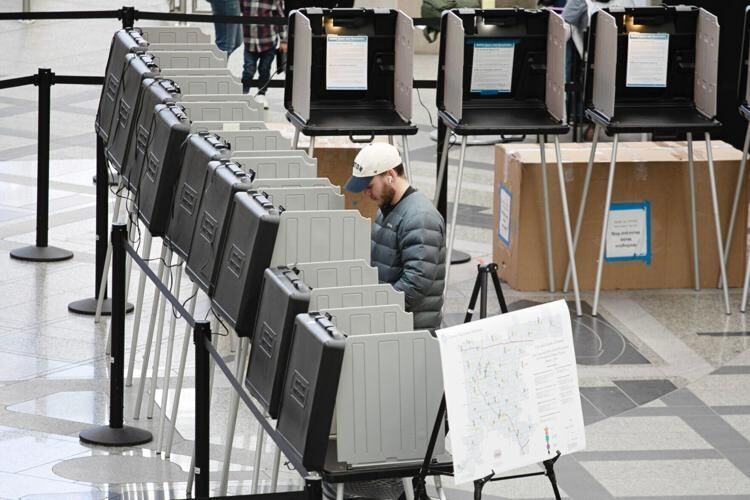
The coming election and mischief in the making | SONDERMANN
Eric Sondermann
eric-sondermann@coloradopolitics.com
Updated 3 days ago
America’s tribalism is such these days that we struggle to even agree on the basic rules. Elections have always been hotly contested. As the saying goes, “Politics ain’t beanbag.” The process has long involved elements of nastiness and underhanded conduct....

Colorado Politics Calendar Aug. 31-Sept. 6
Rachael Wright, Special to Colorado Politics
rachael.wright@coloradopolitics.com
Updated 3 days ago
CoPo’s weekly political calendar will help you find political and public-policy events throughout Colorado. It includes candidate and issue campaign events, public policy meetings, court hearings, state and local party conventions, assemblies, debates, rallies, parades, speaking engagements, traveling dignitary appearances,...

Tancredo in Running for Dept. of Ed. Position | A LOOK BACK
Rachael Wright, Special to Colorado Politics
rachael.wright@coloradopolitics.com
Updated 3 days ago
Forty-five years ago this week: “I know that my name has been placed before the Secretary of Education, and I know that I’m one of three or four being considered for the Department of Education’s Region 8,” said state Rep....
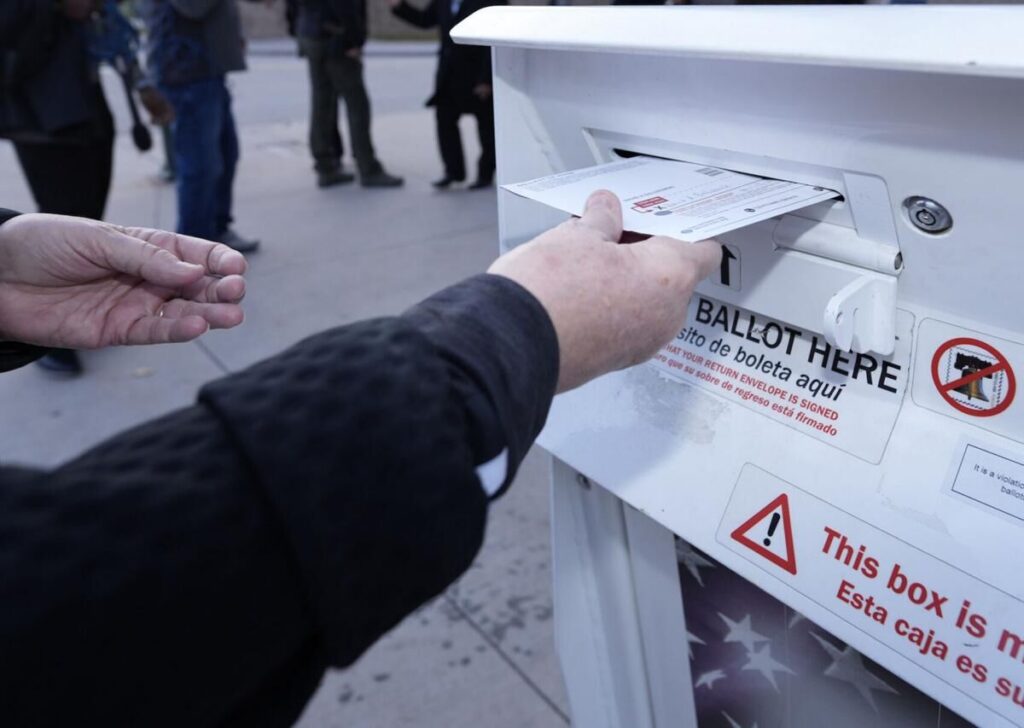
Colorado measure adding ID checks to mail-in voting qualifies for ballot
Marissa Ventrelli
marissa.ventrelli@coloradopolitics.com
Updated 12 hours ago
A ballot initiative that would require voters to include additional information on mail-in ballots has qualified for the November election, according to the Secretary of State’s Office. Backed by El Paso County Treasurer Chuck Broerman and former Deputy Secretary of...

Colorado election website error exposes personal data of confidential voters
Marissa Ventrelli
marissa.ventrelli@coloradopolitics.com
Updated 13 hours ago
A system update accidentally lifted protections on confidential records in Colorado, exposing dozens of voters’ personal information, according to the Secretary of State’s Office. The limit that normally blocks access to confidential voter profiles was inadvertently disabled during an update...
PUC adds weekly comment after killing private talks
Scott Weiser
scott.weiser@gazette.com
Updated 13 hours ago
The Colorado Public Utilities Commission will take public comment at the start of every commissioner’s weekly meeting beginning Sept. 9 as part of its new transparency mandate, the commission announced, expanding a slot previously limited to the second Wednesday of...
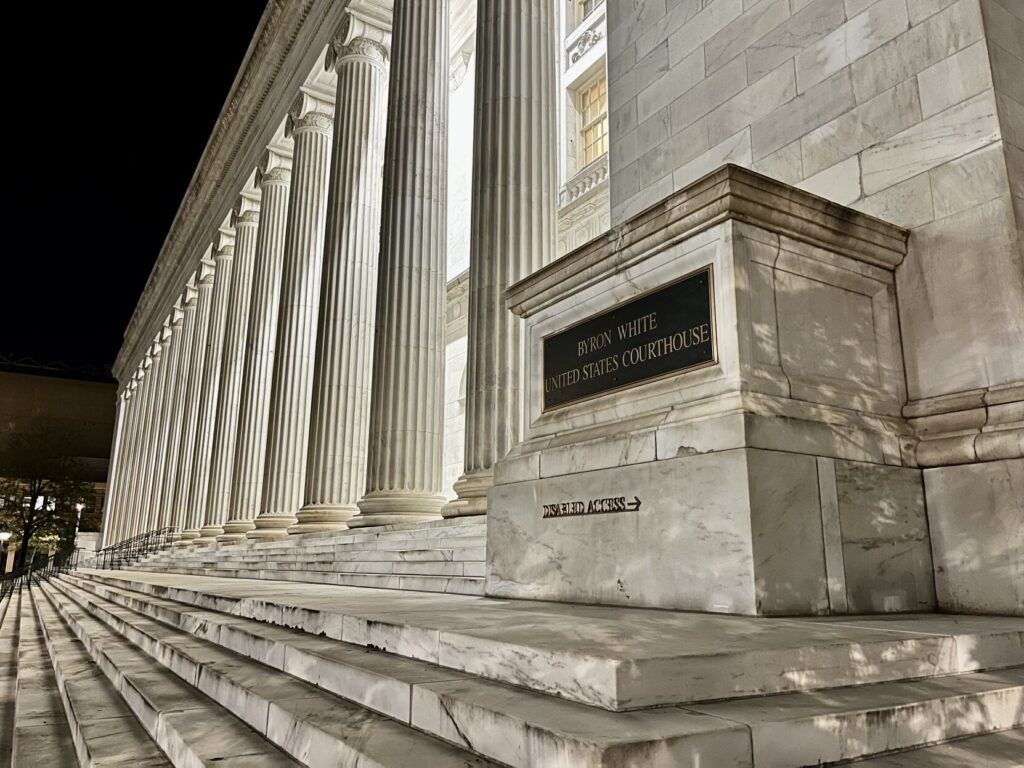
10th Circuit overturns framework for sentencing probation violators by 11-1
Michael Karlik
michael.karlik@coloradopolitics.com
Updated 14 hours ago
In a rare decision by all 12 of its full-time judges, the Denver-based federal appeals court ruled in a lopsided vote on Friday that one of its members created a sentencing process for probation violators that was out of step...
Federal judge dismisses excessive force lawsuit against Colorado Springs, officer
Michael Karlik
michael.karlik@coloradopolitics.com
Updated 13 hours ago
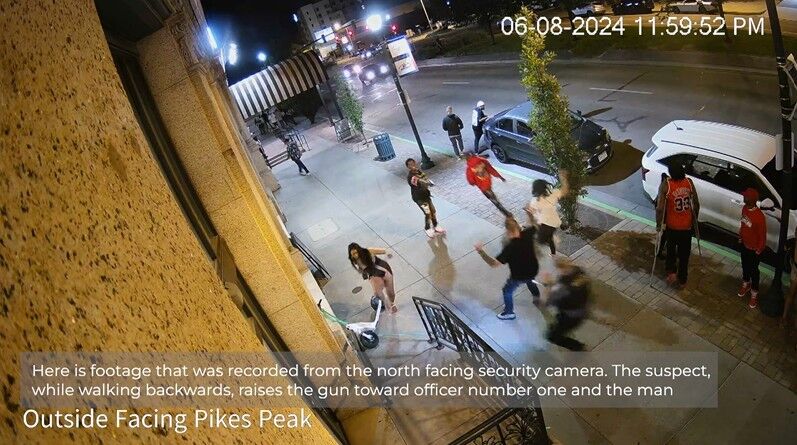
A federal judge concluded last week that a Colorado Springs police officer could not be held liable for shooting a suspect three times after the man menaced two victims with a gun and fled the scene. Al’morion Germany was involved...
DeFlock started from one man’s curiosity — now Flock cameras are a midterm issue
Claire Carter
claire.carter@washingtonexaminer.com
Updated 17 hours ago
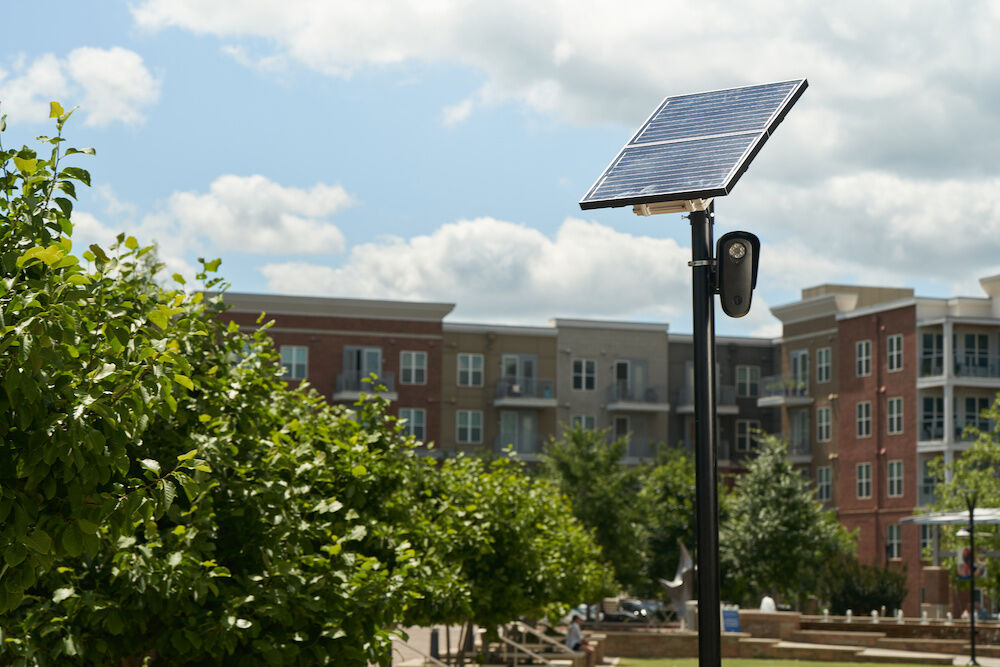
Will Freeman wasn’t looking to start a national movement when he launched DeFlock after noticing Flock Safety’s automatic license plate readers along the side of the road. The software engineer was driving across the country in 2024 when the cameras...

Aurora student journalist cleared of disciplinary charges after ignoring ‘gag order’
Kyla Pearce
kyla.pearce@gazette.com
Updated 14 hours ago
A Community College of Aurora student who accused the college of putting an “unconstitutional gag order” on his student-run publication was cleared of disciplinary charges against him. CCA student Andrew Green tried to register his independent student publication, called “FoxTalk,”...
PREV
PREVIOUS

State Historical Fund awards $4.8M in grant funding, mostly to rural Colorado
History Colorado’s State Historical Fund has awarded $4.8 million in grant funding to 25 projects in the state, the organization announced this week. A third of the awards went to projects intended to support people of color, and nearly 70% of the awards have gone to projects in rural counties. The State Historical Fund awarded […]

State Supreme Court has busy week, attorney general fellow talks about appellate program | COURT CRAWL
Welcome to Court Crawl, Colorado Politics’ roundup of news from the third branch of government. The Colorado Supreme Court issued five decisions and held five oral arguments last week as the justices prepare to take a summer break from the argument calendar, and Colorado Politics spoke to a new lawyer who is participating in a […]