

Colorado elected officials can now block constituents on social media for any reason

Be careful what you comment on an elected official’s social media page. If they don’t like it, they might block you – thanks to a new state law.
Gov. Jared Polis signed House Bill 1306 into law on Monday, giving all elected officials in the state the power to block someone from viewing or interacting with an official’s social media pages – for any reason – effective immediately.
The law applies to elected officials’ personal social media accounts, even if they use them for official business, but not accounts that are attached to a specific political office or use government resources. With this criteria, almost all social media accounts of local officials, such as city council members, and even state legislators, are considered personal.
“An elected official doesn’t surrender their private right of free speech upon taking elected office,” Polis said in a signing statement. “In their personal capacity, just as if they were not in elected office, they should be able to ban toxic commentators if they choose to.”
Proponents of the bipartisan bill said it would protect elected officials from abusive and disruptive social media users. Critics argued allowing blocking for any reason would lead to elected officials blocking constituents and deleting comments simply because they don’t agree with the official’s politics, making it more difficult to communicate with and hold officials accountable.
The law comes as the Supreme Court is preparing to hear two cases regarding whether it is unconstitutional for elected officials to block people on social media. Courts throughout the country have deliberated on the issue for years.
The bill aligns Colorado law with last year’s 6th U.S. Circuit Court of Appeals’ ruling in Lindke v. Freed. That ruling states that an elected official can block individuals from their social media account if the account isn’t paid for by government funds, if the official has no legal duty to have an account, and if the account remains with the official after they leave office.
Polis said official accounts have a “higher standard to be open to the public” than personal pages, citing his @GovofCO Twitter account, which is owned by the state and passed down to each governor. Under the new law, Polis can’t block anyone on that account, but he can block people from his personal @jaredpolis account, though he uses it with his official title and posts about official state business.
Court rulings have been inconsistent regarding whether the First Amendment restricts public officials from blocking private individuals on any social media.
The 2nd Circuit found it unconstitutional for then-President Donald Trump to block people on his personal Twitter in 2019. The U.S. Supreme Court later tossed the case as moot because Trump was no longer president. That same year, the 4th Circuit ruled against the chair of a county board of supervisors for blocking a constituent and, in 2022, the 9th Circuit ruled against school district officials for blocking parents. But in 2021, the 8th Circuit ruled in favor of a Missouri state representative who blocked a constituent.
Polis and sponsors of the bill clarified that the new law will not stop future potential lawsuits against elected officials who block their constituents.
“I also want to make sure that elected officials don’t view the presence of this statute as a safe harbor for the activity allowed under this law due to ongoing litigation,” Polis said. “I encourage the General Assembly to monitor the Court’s opinion in these cases, and if needed, to pass future legislation for my signature that amends this bill to conform with the Court’s decision.”
In Colorado, these kinds of cases have largely resulted in settlements. Senate President Leroy Garcia, state Sen. Ray Scott, Lafayette Mayor Christine Berg and Thornton Council Member Jan Kulmann were all sued for blocking or limiting constituents on social media. In all four of those cases, the elected officials settled out of court and agreed not to block constituents in the future.

hannah.metzger@coloradopolitics.com


10th Circuit grants immunity to officers for fatal Manitou Springs shooting
Michael Karlik
michael.karlik@coloradopolitics.com
Updated 9 hours ago
The Denver-based federal appeals court ruled on Wednesday that responding officers from Manitou Springs and El Paso County cannot be held constitutionally liable for shooting and killing a man after a 20-minute standoff. Wilford Deweese allegedly pulled out a gun...
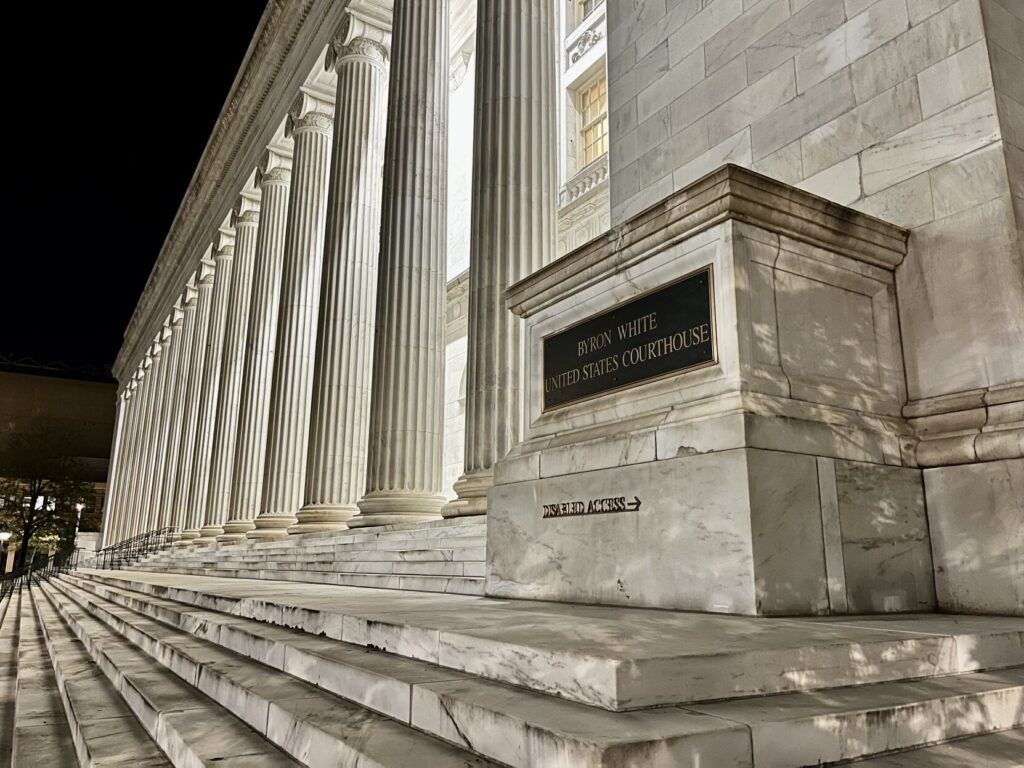
10th Circuit rejects invitation for full-court review of tax-avoidance case
Michael Karlik
michael.karlik@coloradopolitics.com
Updated 6 hours ago
The Denver-based federal appeals court declined to reconsider the standards for holding entities liable for their tax-avoidance schemes, with a majority of judges voting against full-court review on Monday. In April, a three-judge panel of the U.S. Court of Appeals...
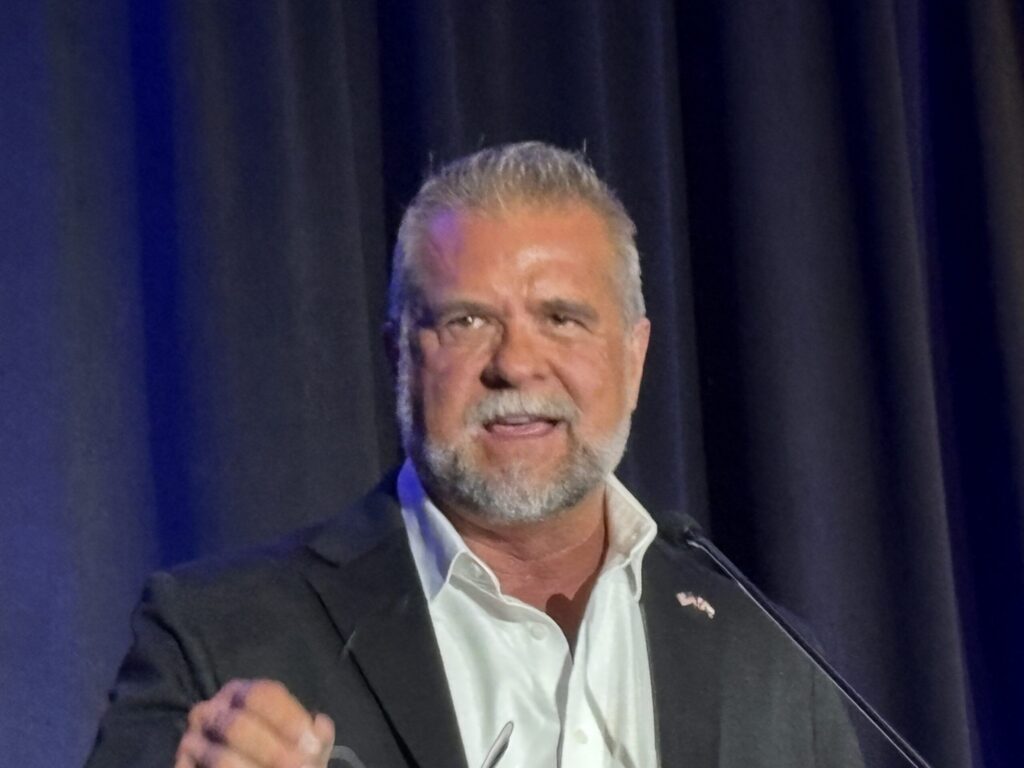
GOP gubernatorial candidate Victor Marx pushes aggressive water-storage expansion at Colorado Water Congress
Marianne Goodland
marianne.goodland@coloradopolitics.com
Updated 10 hours ago
Victor Marx, the Republican nominee for governor, took the spotlight Wednesday during the opening day of the Colorado Water Congress, laying out how he says the state should approach its water future. Marx told the standing-room-only audience in Steamboat Springs...

Colorado AG sues GEO Group over noncompliance with tuberculosis investigation
Kyla Pearce
kyla.pearce@gazette.com
Updated 8 hours ago
The Colorado Attorney General’s Office on Wednesday filed a lawsuit against GEO Group, which operates the Aurora ICE Processing Center, alleging the company failed to comply with a state tuberculosis investigation. Weiser’s lawsuit demands that GEO provide “critical information” needed...
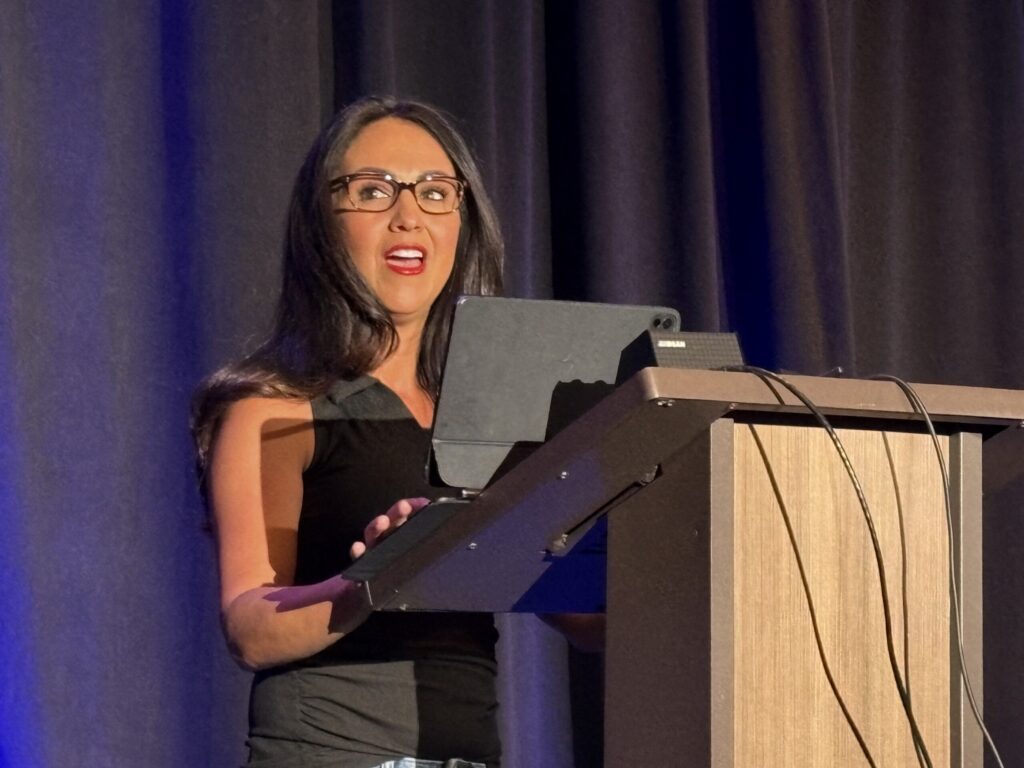
U.S. Rep. Lauren Boebert stresses storage, forest health and Upper Basin rights at Colorado Water Congress
Marianne Goodland
marianne.goodland@coloradopolitics.com
Updated 9 hours ago
Republican U.S. Rep. Lauren Boebert used her brief Wednesday appearance at Colorado Water Congress to tout her record on delivering water projects for the state and her district. Boebert, who is running for her second term representing Colorado’s 4th Congressional...

Trump has a 96% endorsement success rate. Here are the Republicans he’s backed who have lost
Mabinty Quarshie
mabinty-quarshie@coloradopolitics.com
Updated 12 hours ago
President Donald Trump’s 2026 primary endorsement success rate remains staggeringly high, but the president has seen a growing number of losses stack up in recent weeks. According to Ballotpedia, Trump has endorsed in 313 U.S. Senate, U.S. House, and state...
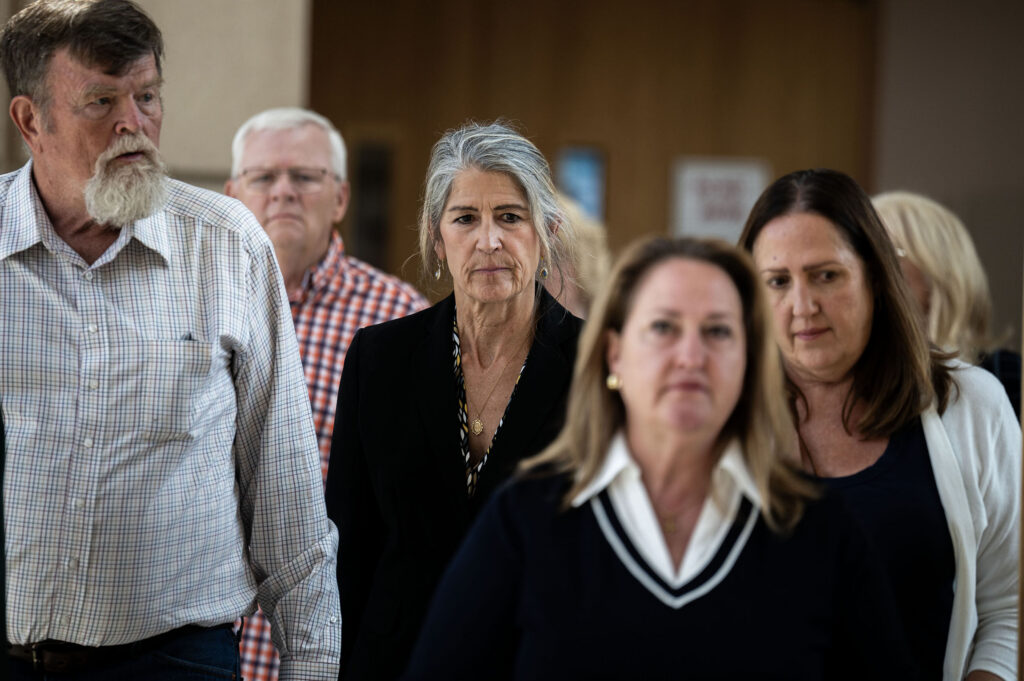
Colorado judge blasts state forensics lab in dismissing child sex case
Jenny Deam
jenny.deam@gazette.com
Updated 6 hours ago
In a potentially widely consequential action, a Weld County district judge dismissed a child sexual assault case, citing the ongoing scandal at the Colorado Bureau of Investigation’s forensic lab that “has left a dark mark on the history of Colorado...

Colorado officials urge stronger water safety after 8 drownings and multiple Front Range rescues
Elizabeth Pond
elizabeth.pond@denvergazette.com
Updated 6 hours ago
At least eight people have drowned in Front Range waters since mid-March, including two at Eleven Mile Reservoir, three at Cherry Creek Reservoir, one at Rockbridge Lake and two at Lake Pueblo State Park. In the wake of these deaths,...

Vehicle registration crackdown across Front Range starts next week
Nick Smith
nick-smith@coloradopolitics.com
Updated 14 hours ago
Colorado drivers with expired tags or unregistered vehicles still have time to get registered before a scheduled enforcement crackdown starts next week. According to an announcement from the Colorado Springs Police Department, a multi-agency enforcement effort will happen across the...

Aurora grapples with affordable housing needs, deficits
Kyla Pearce
kyla.pearce@gazette.com
Updated 14 hours ago
Aurora is grappling with affordable housing needs as demand for project funding increases and the state cuts grant money. Currently, the city needs about 12,000 affordable housing units, Martin Petrov at Aurora Housing Authority told members of the Housing, Neighborhood...
PREV
PREVIOUS

Yemi Mobolade to take oath of office Tuesday
Downtown Colorado Springs will be alive with pomp and circumstance Tuesday morning, when Yemi Mobolade takes the oath of office as the 42nd mayor of Colorado Springs. A public ceremony is scheduled for 10 a.m. on the south side of the Colorado Springs Pioneers Museum, 215 S. Tejon St. If there is inclement weather, the […]

Denver has spent $17 million responding to immigrant surges
Over the past six months, the city of Denver has spent $17.3 million to shelter and support more than 11,100 unauthorized immigrants from South and Central America. Denver has recouped about 25% of the costs. On Monday, the Denver City Council approved $11,020,818 from the general contingency fund to “address the unbudgeted needs for shelter” […]