

Federal judge weighs further intervention in newly-enacted Colorado abortion law
A federal judge has fewer than five days to decide whether to expand his narrow order blocking a new Colorado law against “abortion reversal” treatment, with the state insisting on Monday that an Englewood-based clinic will not face any near-term consequences from continuing with the disputed practice.
U.S. District Court Judge Daniel D. Domenico heard from representatives of the Colorado Attorney General’s Office, the state’s medical and nursing boards, and Bella Health and Wellness, a faith-based clinic that is seeking long-term relief from legislation deeming its abortion reversal treatment unprofessional conduct.
“We’re here because the Colorado legislature decided to shoot first and ask questions later,” Mark L. Rienzi, an attorney for Bella Health, told the judge. “Your protection right now is worth an awful lot.”
But Domenico repeatedly referenced the government’s assurance that it will not take action against Bella Health until three regulatory boards decide sometime this fall whether to follow through on the legislature’s directive or, in their professional judgment, deem abortion reversal medication acceptable after all.
“It’s at least possible that this will spring back into life,” he said. However, “if the defendants have said, ‘We’re not going to do any of the things you claim to fear now,’ what is the justification for me to say, ‘Yes, don’t do any of the things you said you’re not gonna do?'”
While Domenico will issue a written order sometime this week, he appeared receptive to putting the litigation on pause until the rulemaking process concludes, when the parties will know with certainty whether abortion reversal treatment carries professional sanctions for medical providers.
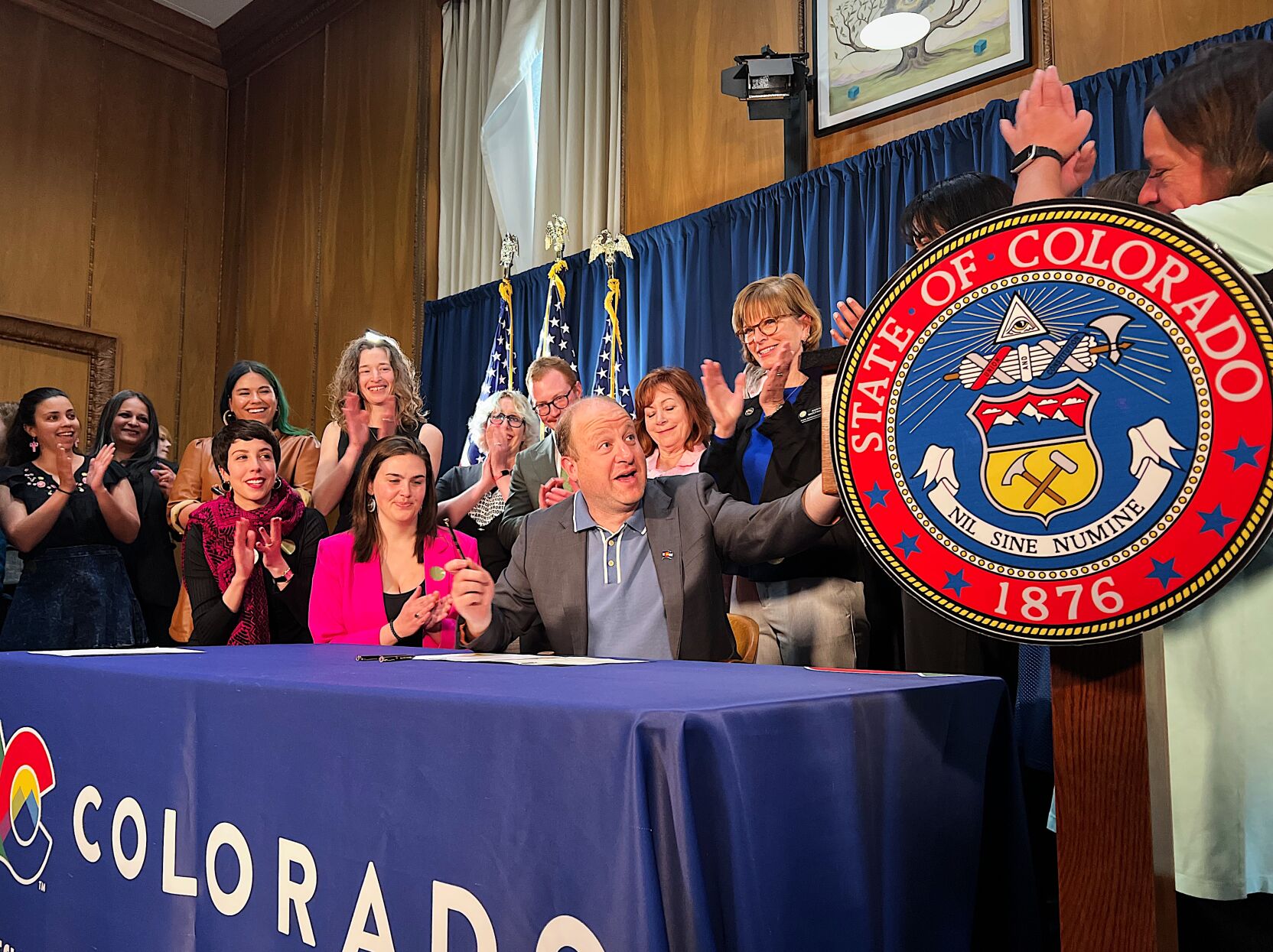
On April 14, Gov. Jared Polis signed Senate Bill 190, a Democratic-backed measure addressing the practice of reversing or nullifying medication-induced abortions by prescribing progesterone between the first and second steps of the abortion process.
The American College of Obstetricians and Gynecologists has concluded the purported reversal treatments are “not based on science and do not meet clinical standards.” Supporters of abortion reversal insist it is safe, that taking the “reversal” pill does not result in side effects for either babies or mothers, and that children born after taking the medication are healthy.
Under SB 190, administering abortion reversal medication is unprofessional conduct in Colorado unless the state’s medical, nursing and pharmacy boards agree it is, in fact, a generally accepted practice.
Bella Health, a Catholic healthcare provider, applied for a temporary restraining order and preliminary injunction soon after the law took effect, arguing SB 190 violated its right to religious exercise and its patients’ rights to receive treatment. Domenico quickly granted a narrow restraining order lasting 14 days that blocked SB 190’s enforcement only against Bella Health.
In considering whether to issue a preliminary injunction extending relief to the clinic, there were three primary questions before Domenico. First, does the state’s promise of short-term non-enforcement mean Bella Health is facing no imminent harm? Second, does a different provision of SB 190 – making it a deceptive trade practice for a facility to represent that it provides abortion care when, in fact, it does not – apply to Bella Health? Finally, is there any legal weight to the legislature’s statement that advertising for medication abortion reversal is a deceptive practice?
Domenico appeared inclined to believe the bill’s statement against advertising, on its own, did not provide grounds to prosecute Bella Health. He also heard evidence that, even though some legislators intended to crack down on “crisis pregnancy centers” that claim to offer comprehensive care but do not actually provide abortions, SB 190’s terms do not apply to facilities that simply call themselves “comprehensive,” as Bella Health does.
The remaining arguments centered around the legislature’s designation of abortion reversal medication as unprofessional conduct, absent further regulation to the contrary.
Samuel Delt, a representative of the nursing and medical boards, stated that both entities had taken votes in the past week against enforcing SB 190 until the rulemaking process takes its course. He acknowledged that the current scenario is unusual – with the legislature declaring a practice unprofessional then directing the boards to review its conclusion.
“The legislature in a lot of ways just procedurally didn’t do you a lot of favors the way they structured this bill,” Domenico agreed.
Bella Health’s attorneys pressed Delt about whether, in the event the boards agree abortion reversal treatment is unprofessional conduct, they could hold the clinic liable for its current dispensation of medication.
“I’ve never seen the board declare something unprofessional conduct today and go back in time and discipline somebody,” he responded.
Domenico asked the government when would be the appropriate time to revisit Bella Health’s request for an injunction, if he were inclined to wait out the rulemaking.
“We’d need rules,” answered Senior Assistant Attorney General Michael T. Kotlarczyk.
But Reinzi, Bella Health’s lawyer, argued the legislature clearly established abortion reversal medication as unprofessional, effective now. Even if the government believed an injunction would not change anything, Reinzi said his client was entitled to that protection.
“The legislature found that the stuff we do every day – and it’s protected by the First Amendment – that it’s false and deceptive, and that’s a target on our back,” he said.
Domenico’s temporary restraining order will expire on Saturday.
The judge also alerted the parties that, as Colorado’s former solicitor general before his appointment to the bench, he had personal relationships with several of the defendants – including Attorney General Phil Weiser, Denver District Attorney Beth McCann and Boulder County District Attorney Michael Dougherty. Domenico also mentioned having a minor connection to Bella Health’s law firm. He did not believe he was required to recuse himself from the case, but reminded the parties they could make such a request if they saw a problem.
The case is Bella Health and Wellness et al. v. Weiser et al.

hannah.metzger@coloradopolitics.com

Colorado justices to hear embryonic donation dispute
Michael Karlik
michael.karlik@coloradopolitics.com
Updated 13 hours ago
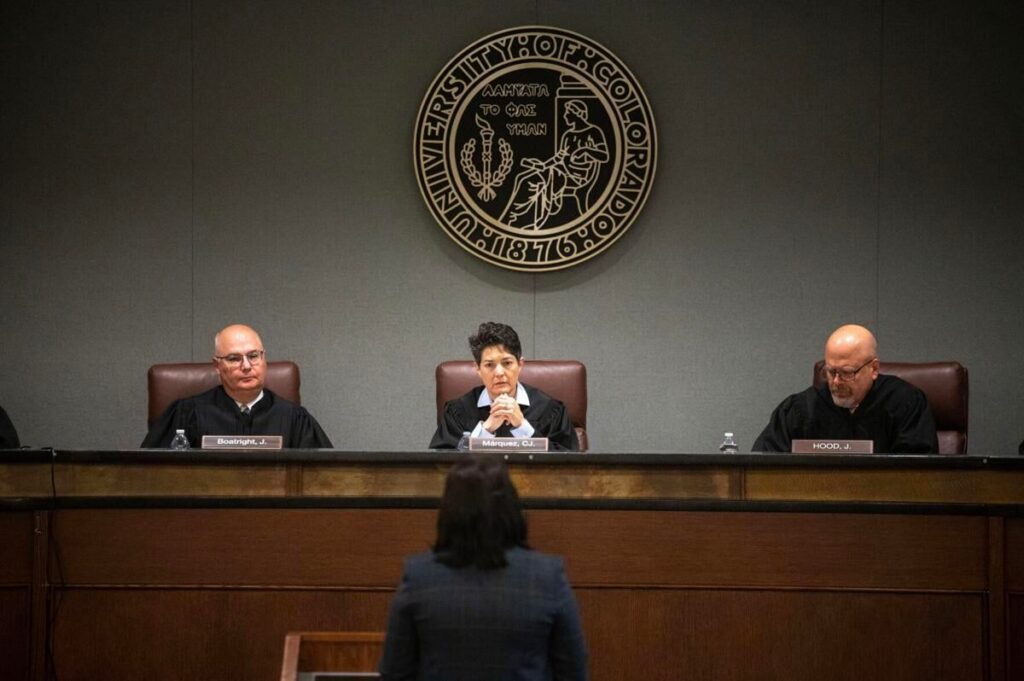
The Colorado Supreme Court announced on Monday that it will decide whether lower court judges properly applied its framework for adjudicating disputes over the fate of pre-embryos, in which one person wants to use them to become a parent and...
Isolation, emotion, persona: Colorado judicial programming prepares people for life on the bench
Michael Karlik
michael.karlik@coloradopolitics.com
Updated 14 hours ago
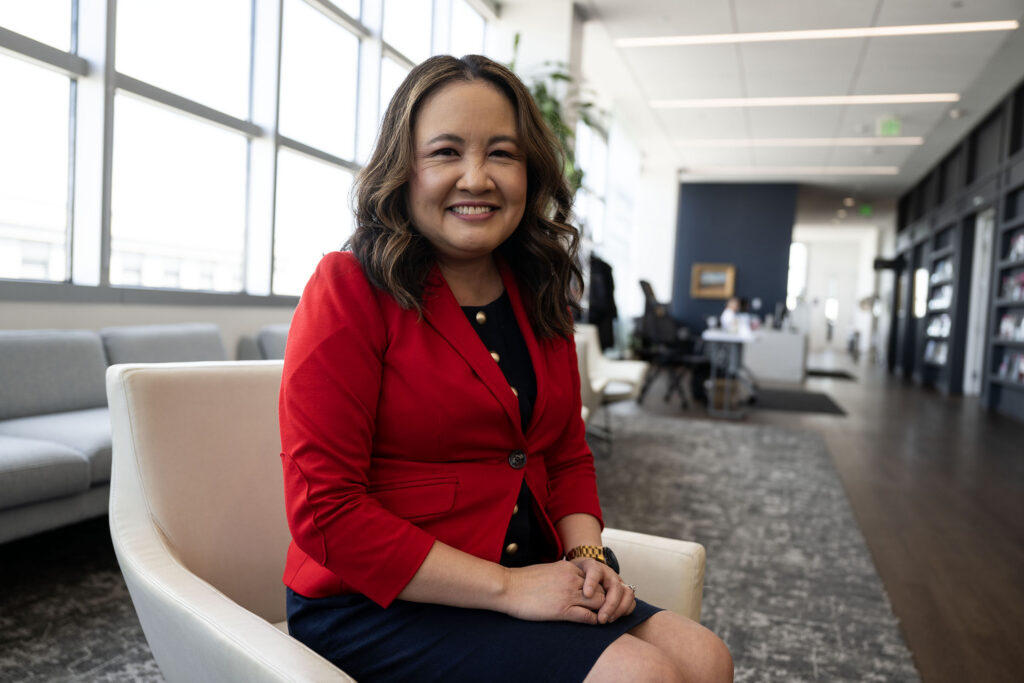
As a trial judge and now as a member of the Colorado Supreme Court, Justice Carlos A. Samour Jr. has heard the view that being a judge is isolating. “In neither court have I felt isolated. I’ve always interacted a...

Federal judge dismisses Colorado county sheriff’s challenge to law limiting immigration cooperation
Michael Karlik
michael.karlik@coloradopolitics.com
Updated 2 days ago
A federal judge dismissed a challenge from Mesa County Sheriff’s Office leaders last week to a Colorado law limiting public employees’ cooperation with immigration authorities, concluding that the plaintiffs did not allege they engage in any conduct that the law...
10th Circuit raises bar for fraud victims to sue debt collectors over inaccurate information
Michael Karlik
michael.karlik@coloradopolitics.com
Updated 2 days ago
The Denver-based federal appeals court wiped away a jury’s $500,000 award to a fraud victim on Monday and made it more difficult for consumers to hold companies liable for disseminating inaccurate credit information. The Fair Credit Reporting Act regulates credit...
Montezuma County judge’s censure, suspension approved by discipline panel
Michael Karlik
michael.karlik@coloradopolitics.com
Updated 2 days ago
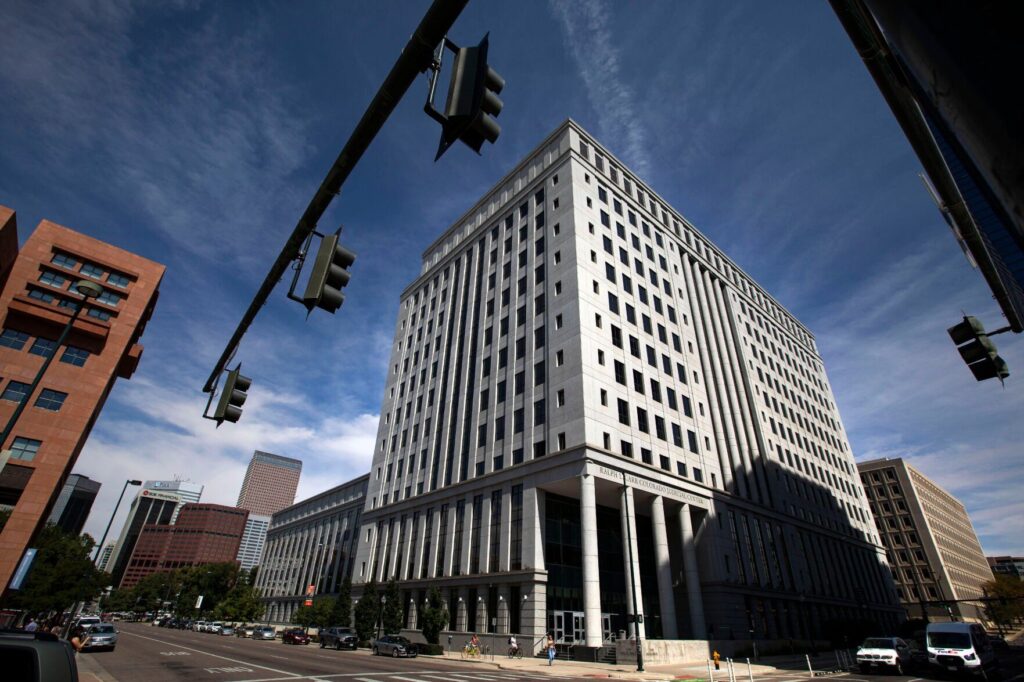
A three-member disciplinary panel accepted, on Monday, an agreement between a Montezuma County judge and the Colorado Commission on Judicial Discipline that specifies he will receive a censure, a suspension, and additional education for his admitted instances of misconduct. Under...

Operators of Aurora assisted-living home charged with mistreating patients
Kyla Pearce
kyla.pearce@gazette.com
Updated 3 days ago
The owners of a home for at-risk adults in Aurora were indicted by a grand jury Thursday after an investigation of mistreatment of patients. James Russell Vogel and Angelica Vogel, the operators of All Saints Home Care, were each charged...
Montezuma County judge, discipline officials agree upon suspension for numerous misconduct admissions
Michael Karlik
michael.karlik@coloradopolitics.com
Updated 4 days ago
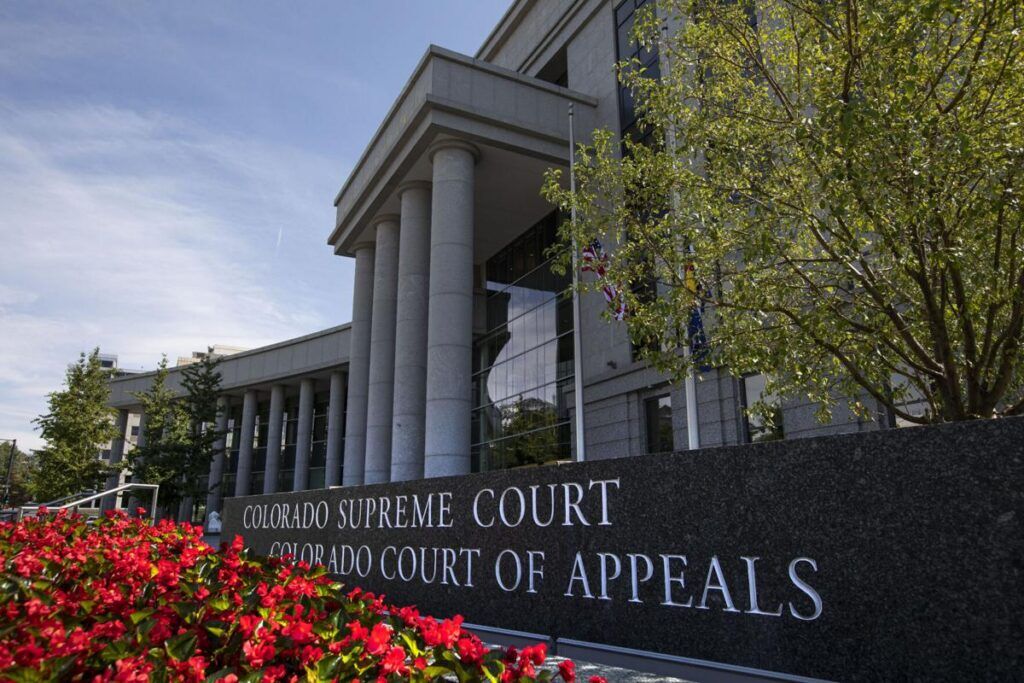
A Montezuma County judge and the Colorado Commission on Judicial Discipline both agreed this month that a suspension and public censure are the appropriate consequences for his multiple instances of misconduct, including invoking his title when facing a citation from...

Colorado Supreme Court end-of-term stats, federal judges’ backlogs increase | COURT CRAWL
Michael Karlik
michael.karlik@coloradopolitics.com
Updated 4 days ago
Welcome to Court Crawl, Colorado Politics’ roundup of news from the third branch of government. The state Supreme Court’s term revealed increased division among the justices in their opinions, plus Colorado’s federal judges have started to accumulate more overdue motions...
Finding of no discrimination against former Cherry Creek Schools principal upheld
Michael Karlik
michael.karlik@coloradopolitics.com
Updated 5 days ago
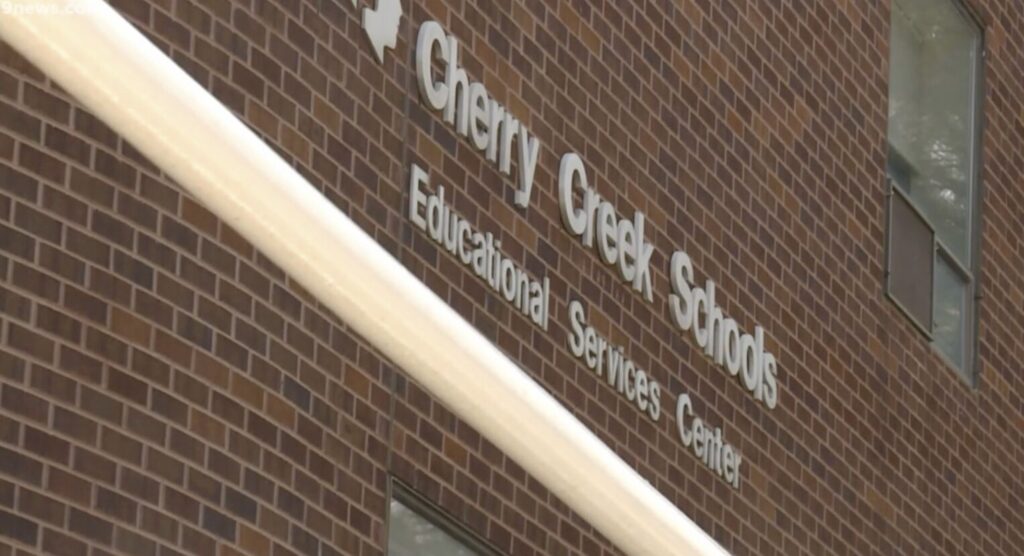
The Denver-based federal appeals court agreed on Friday that a judge properly resolved a former Cherry Creek School District administrator’s claims of discrimination in the district’s favor based on employees’ “loss of confidence” in her leadership. Linda Maccagnan was a...
Arapahoe County murder prosecution botched a second time as appeals court reverses for same mistake
Michael Karlik
michael.karlik@coloradopolitics.com
Updated 6 days ago
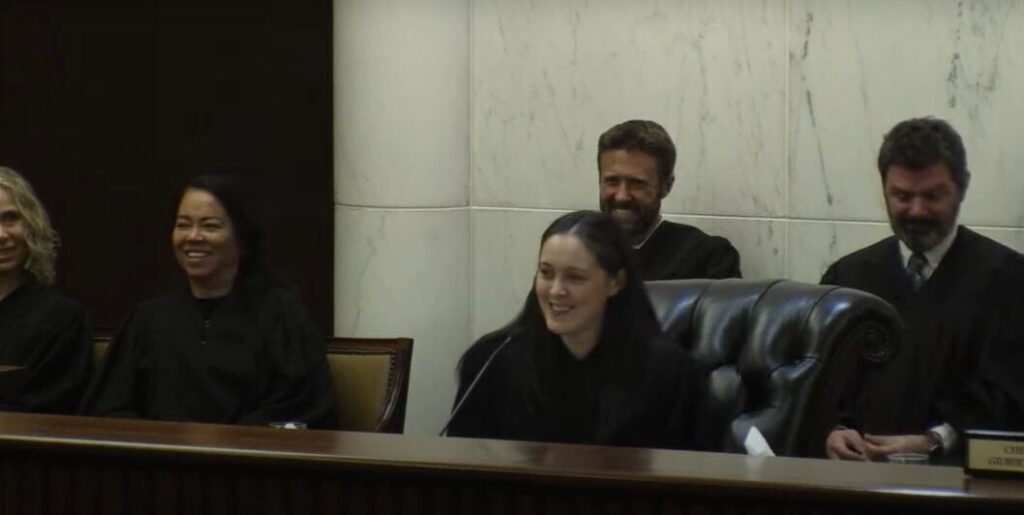
Colorado’s second-highest court reversed a man’s felony murder conviction for the second time on Thursday after an Arapahoe County prosecutor made the same mistake that triggered reversal of the defendant’s first conviction years earlier. Although David Alberto Garcia was not...
PREV
PREVIOUS

Colorado lawmakers unanimously vote to ban intimate exams on unconscious, non-consenting patients
In Colorado, when a patient is sedated for surgery, it is legal for medical providers to perform unrelated intimate exams on the unconscious patient’s genitals without their consent. State lawmakers unanimously voted to change that with House Bill 1077. If signed into law, the bill would prohibit medical providers from performing intimate exams on unconscious patients […]

Leslie Herod endorses Mike Johnston for Denver mayor
State Rep. Leslie Herod has endorsed Mike Johnston in the runoff race for mayor. “It wasn’t about me. It’s really about the city,” Herod said. “And I stand here ready to support Mike and to support this campaign.” Johnston, a former state legislator, faces Kelly Brough, a former chamber executive, in the head-to-head matchup in […]