

Colorado lawmakers advance ‘intoxicating hemp’ regulation

A panel of legislators on Wednesday advanced legislation designed to address a loophole in the state’s marijuana laws.
The proposal requires the state to begin regulating what’s known as “intoxicating” hemp.
The difference between hemp and marijuana, which come from the same plant, is in the Delta-THC level. In order to be classified as hemp under federal law, the plant cannot have more than 0.3% delta-9 THC, marijuana’s psychoactive.
The underlying presumption is that some in the hemp industry have found a work-around in Delta-8 THC, which is made by concentrating hemp-derived cannabidiol (CBD) from the hemp plant. It’s not quite as intoxicating as delta-9 THC, with estimates pegging it at anywhere between 50% to 75% of the potency.
Under Senate Bill 271, any hemp product with more than 2.5 mg of Delta-8 THC per serving would be regulated, meaning it will require a legal ID to purchase and would be sold at a dispensary rather than online or at a convenience store.
The Senate Finance Committee passed the proposal, 6-1. The bill’s next stop is the Senate Appropriations Committee.
Sen. Cleave Simpson, R-Alamosa, was the sole panel member who voted against the measure.
Legislation in 2022 allowed the Colorado Department of Public Health & Environment to begin the process of regulating hemp with Delta-8 THC, as well as to set up a task force to look at intoxicating hemp products and make legislative and rule recommendations. Those formed the basis for SB 271.
The federal 2018 Farm Bill amended the Controlled Substances Act to exclude hemp from the statutory definition of marijuana, meaning hemp would be unregulated.
And that’s led to a proliferation of unregulated but intoxicating products with Delta-8 THC which can be legally sold almost anywhere, and to anyone.


Federal judge hears ICE agents’ confusion about law, injunction on warrantless arrests
Michael Karlik
michael.karlik@coloradopolitics.com
Updated 59 minutes ago
A federal judge heard testimony on Tuesday from U.S. Customs and Immigration Enforcement agents in Colorado, who had trouble describing the requirements of his recent injunction and the training they received on making warrantless arrests pursuant to the law. On...

10th Circuit dismisses challenge to Colorado legislature’s decorum rules
Michael Karlik
michael.karlik@coloradopolitics.com
Updated 8 hours ago
The Denver-based federal appeals court concluded on Tuesday that Colorado lawmakers cannot be sued for creating and enforcing rules of decorum that circumscribe the public commentary allowed at legislative committee hearings. A three-judge panel of the U.S. Court of Appeals...

U.S. energy secretary warns Colorado’s energy policies could drive up prices, deter businesses
Scott Weiser
scott.weiser@gazette.com
Updated 6 hours ago
U.S. Energy Secretary Chris Wright on Monday warned that Colorado’s energy policies could lead to higher electricity prices and deter businesses, such as data centers, from locating in the state. Wright, a former executive of a Colorado-based energy company tapped...
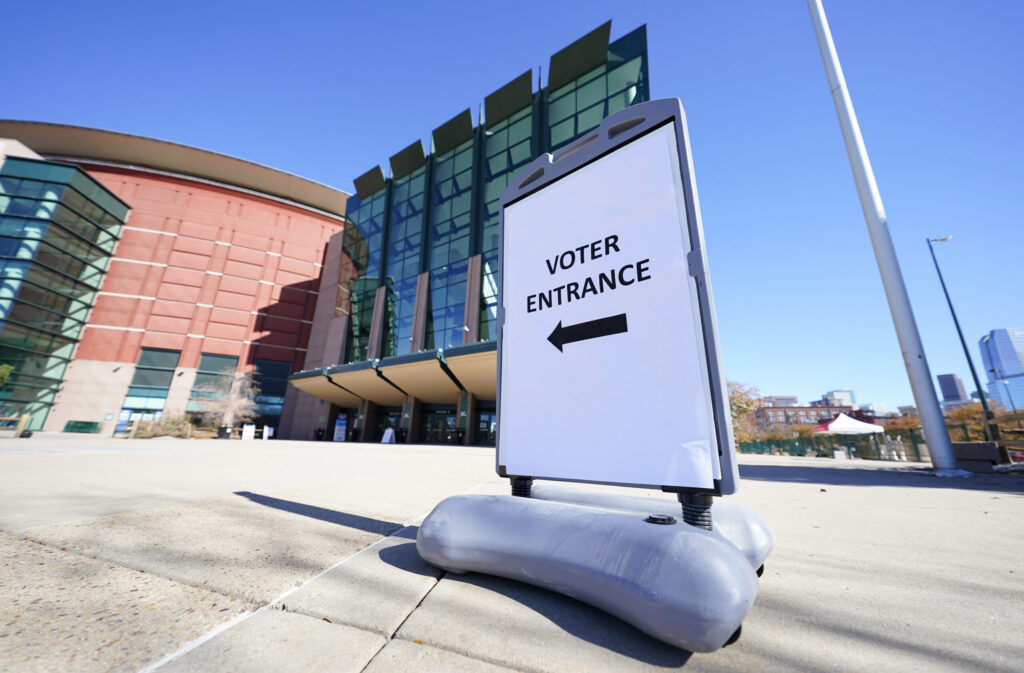
Split vote by Colorado Title Board stops ballot push to privatize Pinnacol Assurance
Marianne Goodland
marianne.goodland@coloradopolitics.com
Updated 10 hours ago
The Colorado Title Board, a three-member panel that sets the language for ballot measures, recently reversed a prior decision and blocked a proposal to privatize Pinnacol Assurance from moving forward. The main issue decided by the title board is whether...
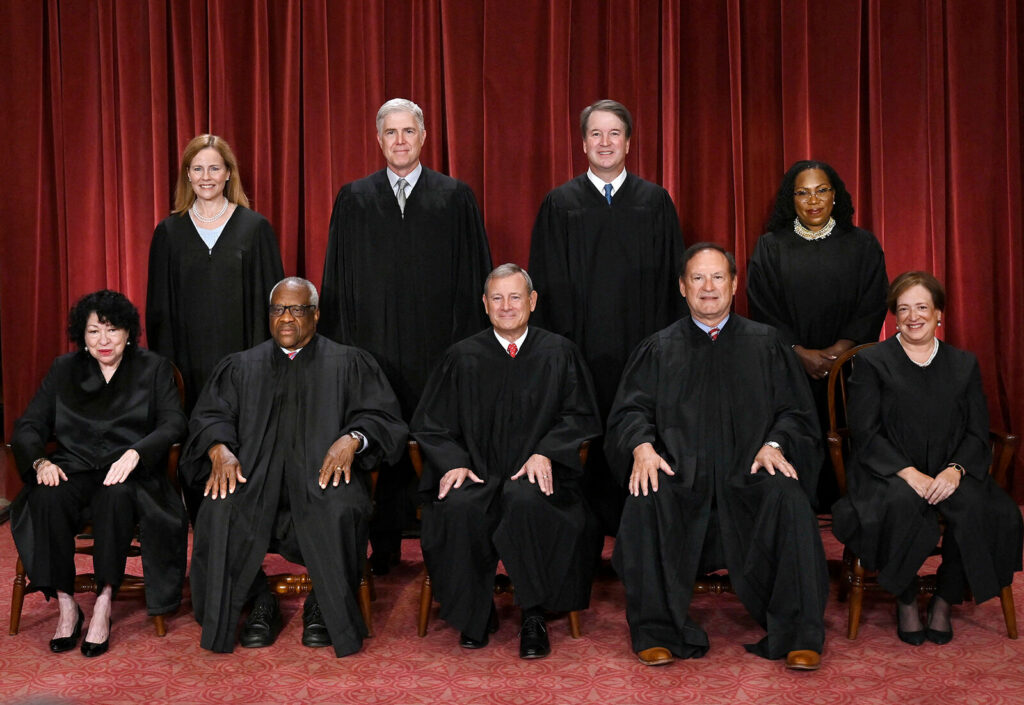
Jackson and Kavanaugh disagree over if the Supreme Court treats Trump like Biden
David Zimmermann Washington Examiner
davidzimmermannwashingtonexaminer@wpstage.coloradopolitics.com
Updated 11 hours ago
Supreme Court justices Ketanji Brown Jackson and Brett Kavanaugh disagreed on Monday over whether the high court treats President Donald Trump the same as former President Joe Biden in cases brought by their respective administrations. Jackson, who often writes dissents...

Rand Paul announces tentative date for Mullin DHS confirmation hearing
Washington Examiner Staff, Washington Examiner
washington.examiner.staff.washington.examiner@gazetteedit.wpenginepowered.com
Updated 11 hours ago
The nomination of Sen. Markwayne Mullin (R-OK) to be the next Department of Homeland Security Secretart was officially sent to the Senate by the White House on Monday. Mullin was nominated on March 5 by President Donald Trump to replace...

Trump calls SAVE America Act his ‘No. 1’ priority for House GOP
Rachel Schilke, Washington Examiner
rachel.schilke.washington.examiner@gazetteedit.wpenginepowered.com
Updated 12 hours ago
DORAL, Florida — President Donald Trump made his “biggest plea” to House Republicans on Monday: Pass the SAVE America Act, a GOP voter identification bill, even if it takes the rest of this year. A little over 100 of the...

Colorado Senate panel OKs bill named for Boulder teen cyclist killed in 2023 crash
Marissa Ventrelli
marissa.ventrelli@coloradopolitics.com
Updated 6 hours ago
The Senate Judiciary Committee on Monday gave unanimous approval to a bill that would require law enforcement officers responding to crashes resulting in serious injury or death to offer drivers a voluntary breathalyzer test. Sponsors hope the measure would provide...

Fort Carson-based soldier killed in Iranian attack
Mary Shinn
mary-shinn@coloradopolitics.com
Updated 13 hours ago
A Fort Carson-based soldier is among the U.S. service members killed in an attack by Iran during Operation Epic Fury, according to a Department of Defense news release. Sgt. Benjamin N. Pennington, 26, died Sunday of injuries sustained during an...
Colorado open records bill dies in Senate committee
Marianne Goodland
marianne.goodland@coloradopolitics.com
Updated 12 hours ago
Efforts to overhaul Colorado’s open records law stalled anew. A proposal that would have extended response times for public records requests and added accountability measures for late responses failed to advance out of its first committee and will not move...
PREV
PREVIOUS
Divided appeals court OK's corrections department's violation of speedy trial law
Colorado’s second-highest court last month declined to overturn a man’s Arapahoe County convictions, while acknowledging the head of the Colorado Department of Corrections failed to follow a law designed to give detainees a speedy trial. A three-judge panel for the Court of Appeals noted the department’s then-executive director, Rick Raemisch, did not forward to the […]
Q&A with Rod & Byron Pelton | The General Assembly's 'Peltonia' cousins
For some families, politics runs in the blood. The Colorado General Assembly is no different. Plenty of couples have served in the legislature over the past quarter-century: Joel and Lynn Hefley; Janet and the late John Buckner; Paula and Paul Sandoval; Bri Buentello and Nick Hinrichsen; Morgan Carroll and Mike Weissman. Father-children combos have featured […]