

Q&A with Rod & Byron Pelton | The General Assembly’s ‘Peltonia’ cousins
For some families, politics runs in the blood. The Colorado General Assembly is no different.
Plenty of couples have served in the legislature over the past quarter-century: Joel and Lynn Hefley; Janet and the late John Buckner; Paula and Paul Sandoval; Bri Buentello and Nick Hinrichsen; Morgan Carroll and Mike Weissman. Father-children combos have featured as well, including Tim Neville and son Patrick and Perry Buck and father Bill Webster.
Cousins? That’s a new one.
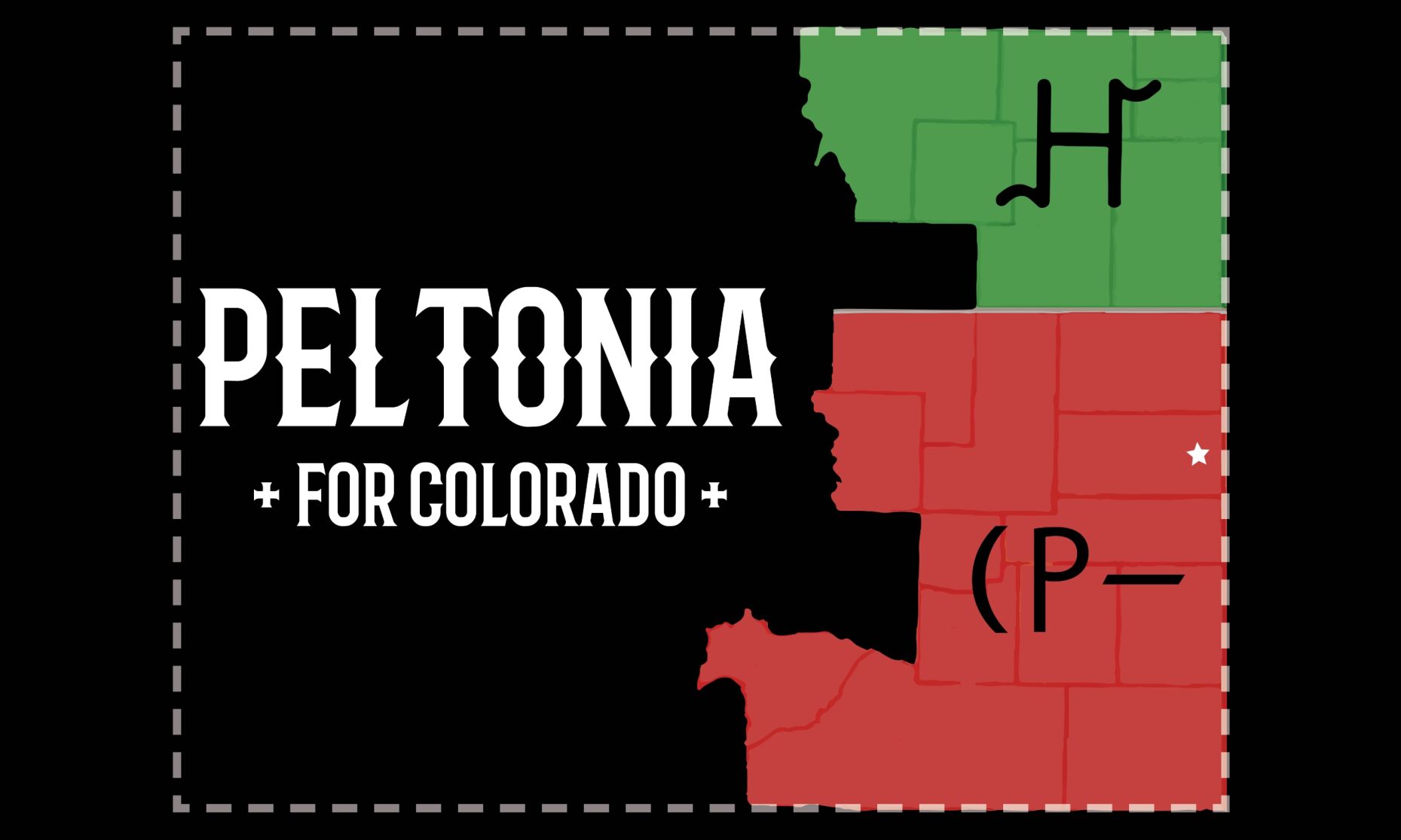
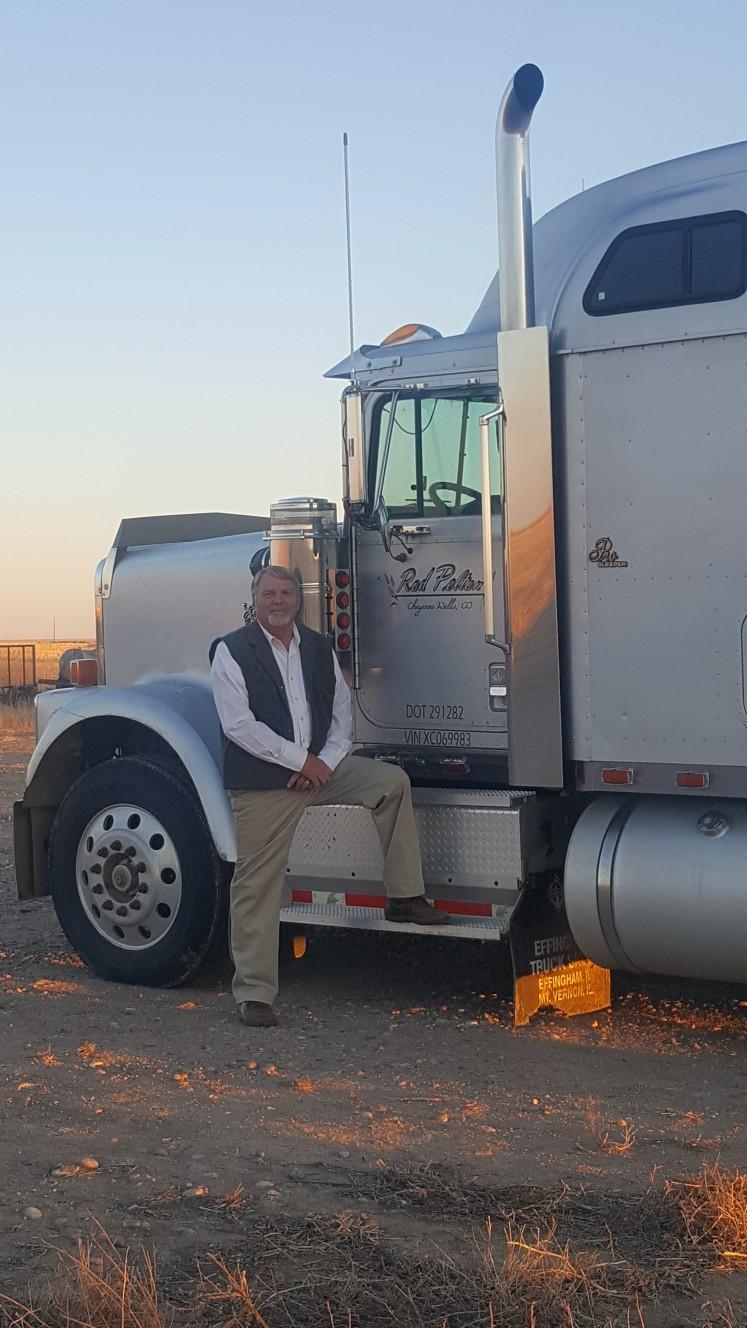
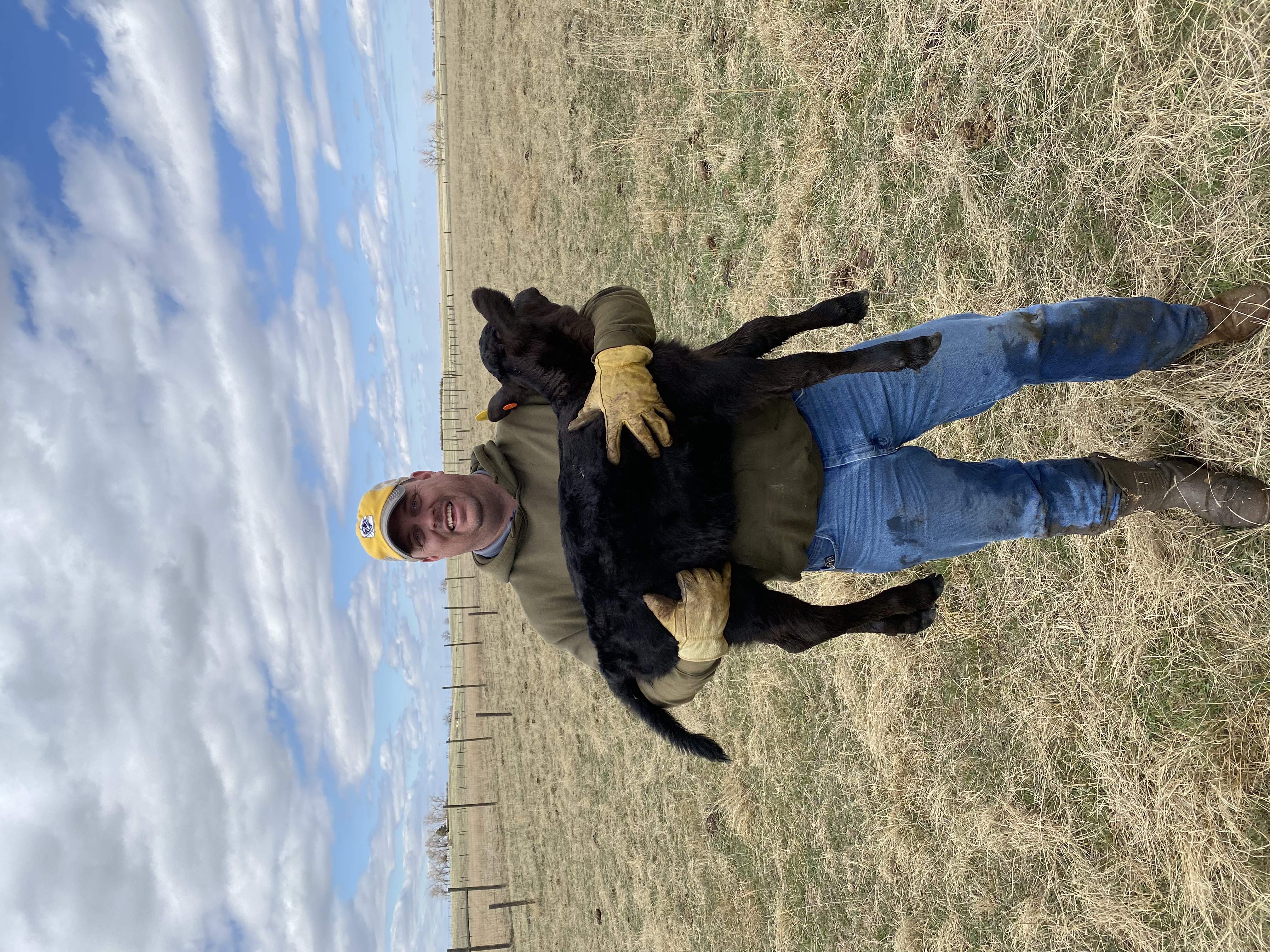
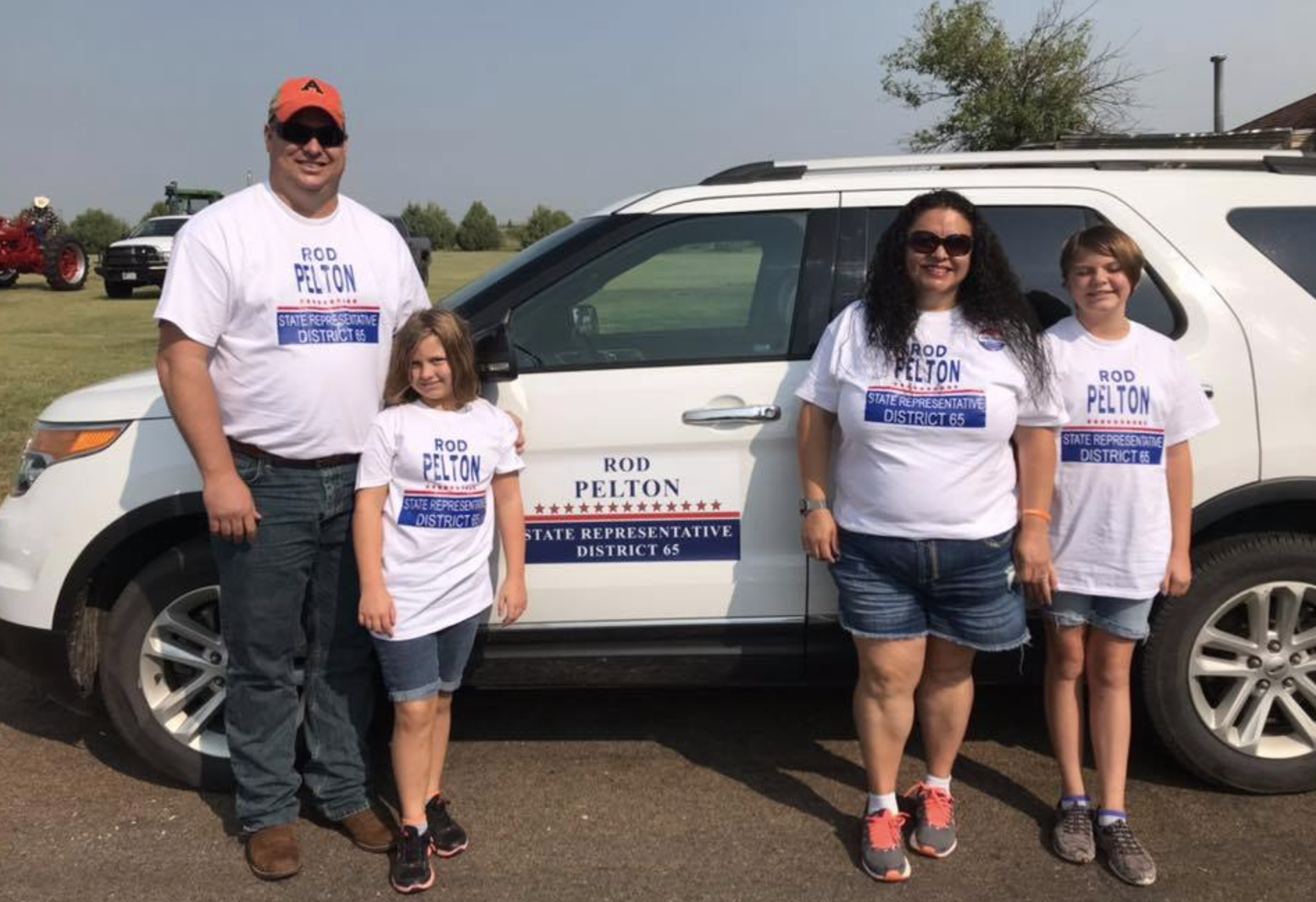
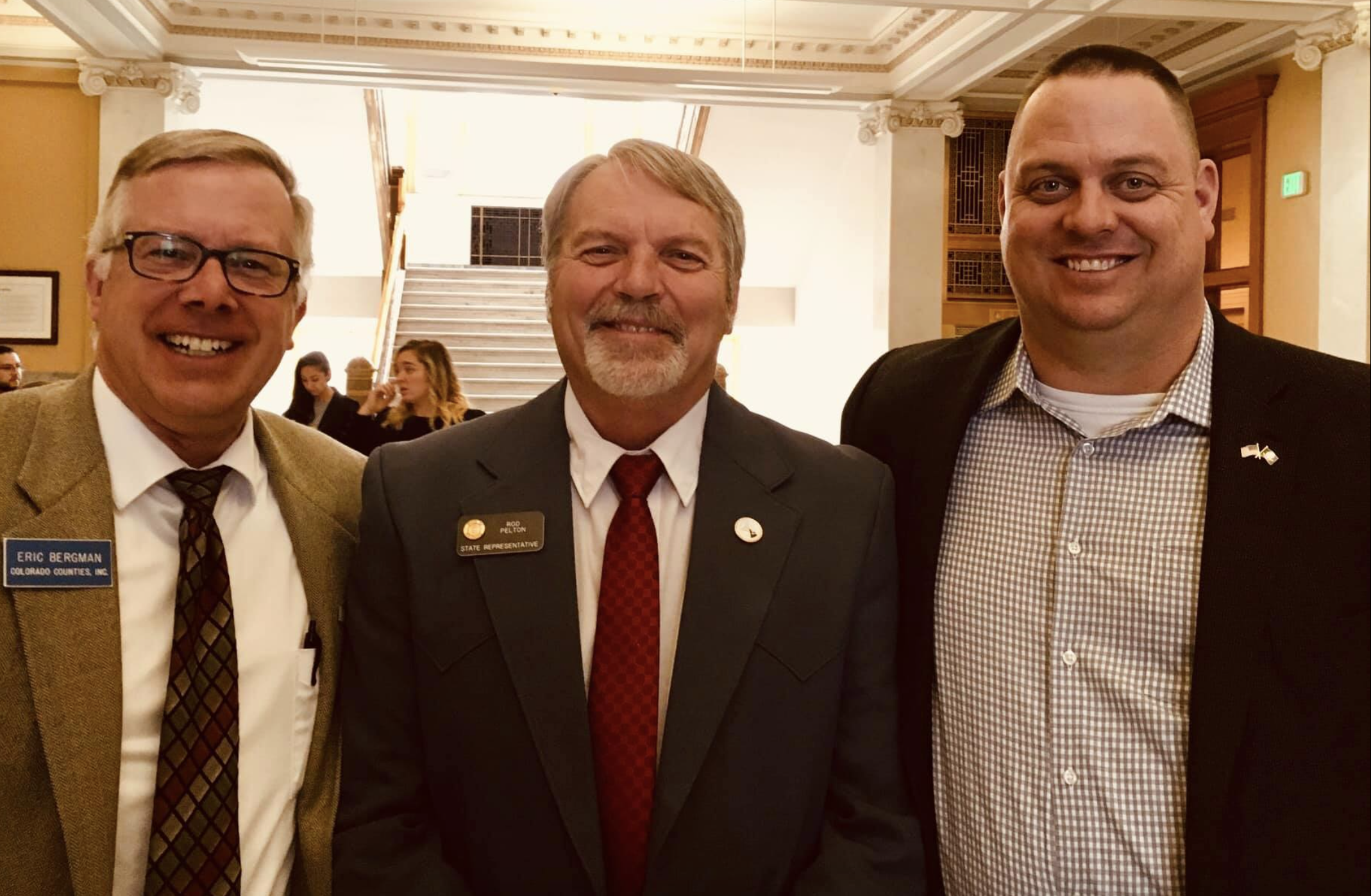
Sen. Rod Pelton, R-Cheyenne Wells represents southeastern Colorado. His first cousin, once removed, is Sen. Byron Pelton, R-Sterling, who represents northeastern Colorado.
Between the two of them, their districts cover 44% of the landmass of Colorado, but only 7% of the state’s population.
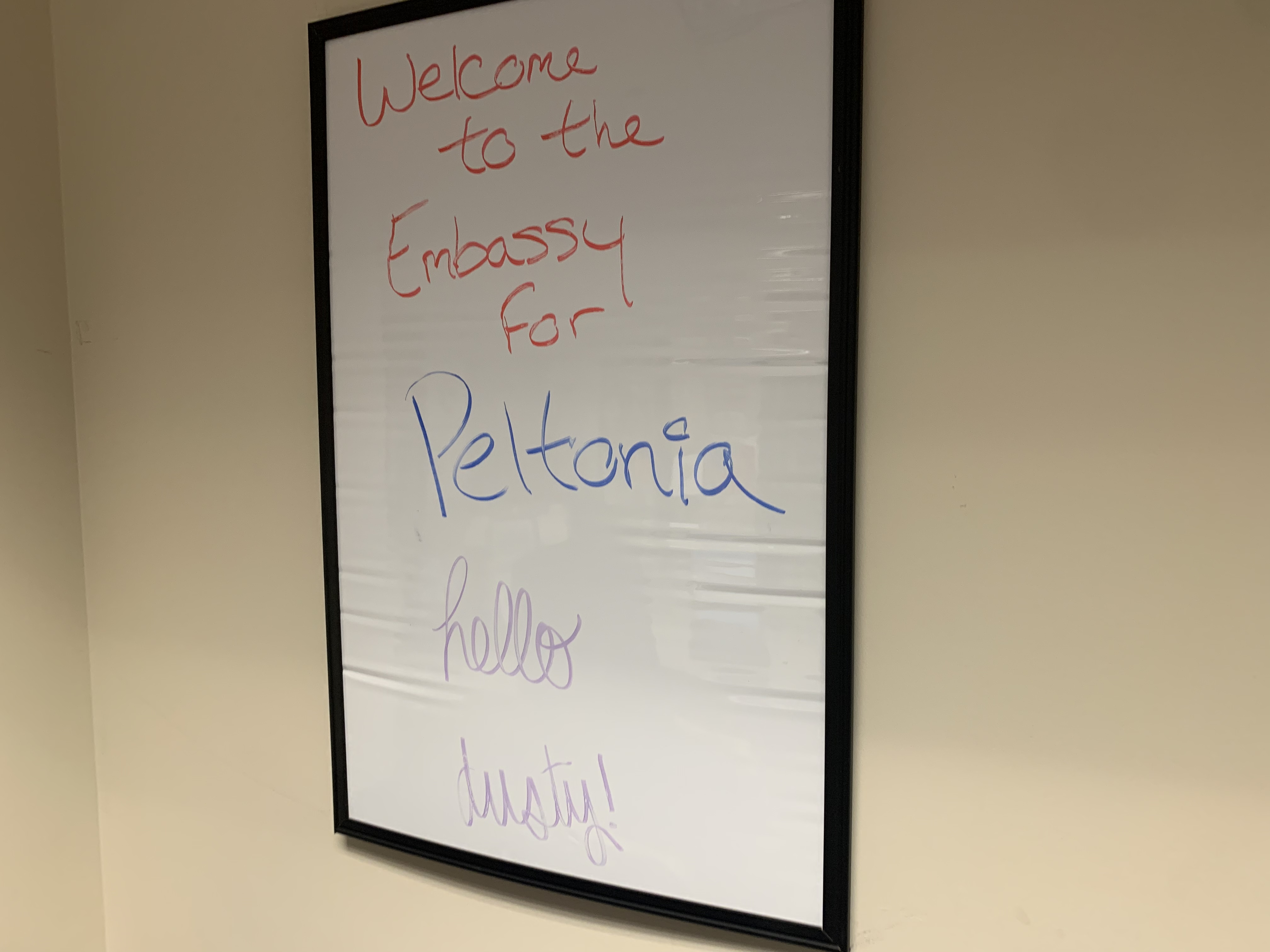
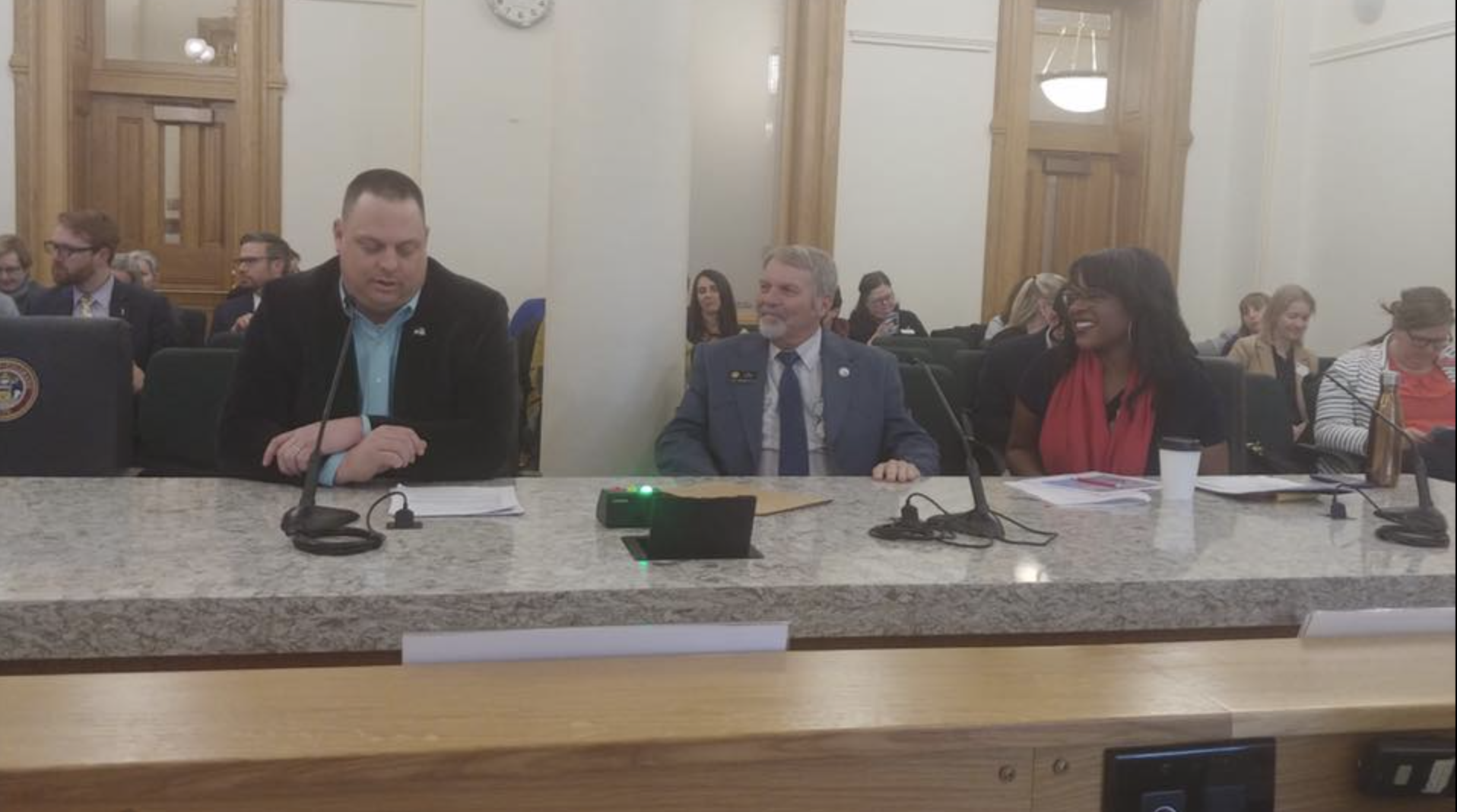
One recent witness in a hearing on an Rod Pelton bill on veterinary school loans referred to the area represented by the duo as “Peltonia,” and they’re running with it. Even their Senate colleagues are in on it – in a recent debate on greenhouse gases legislation, Senate President Pro Tem James Coleman went through every possible way of distinguishing between the two, even referring to one or the other as the delegate from Peltonia.
Cheyenne Wells, a place all Peltons cite as their place of origin, is the capital city.
Fellow Republican Sen. Perry Will, now of New Castle, went to high school in Cheyenne County with Byron Pelton’s dad, and there’s a good story about some shenanigans from those days. The likelihood of a Peltonia embassy branch in New Castle is being discussed.
Fast Facts
Sen. Rod Pelton: Third-generation Coloradan, born in Cheyenne County. Elected to the state Senate in 2022. Previously served for two terms in the state House representing the northern and central portion of Colorado’s Eastern Plains. Previously served six years as a commissioner in Cheyenne County.
Married to Kathy for 43 years, two daughters.
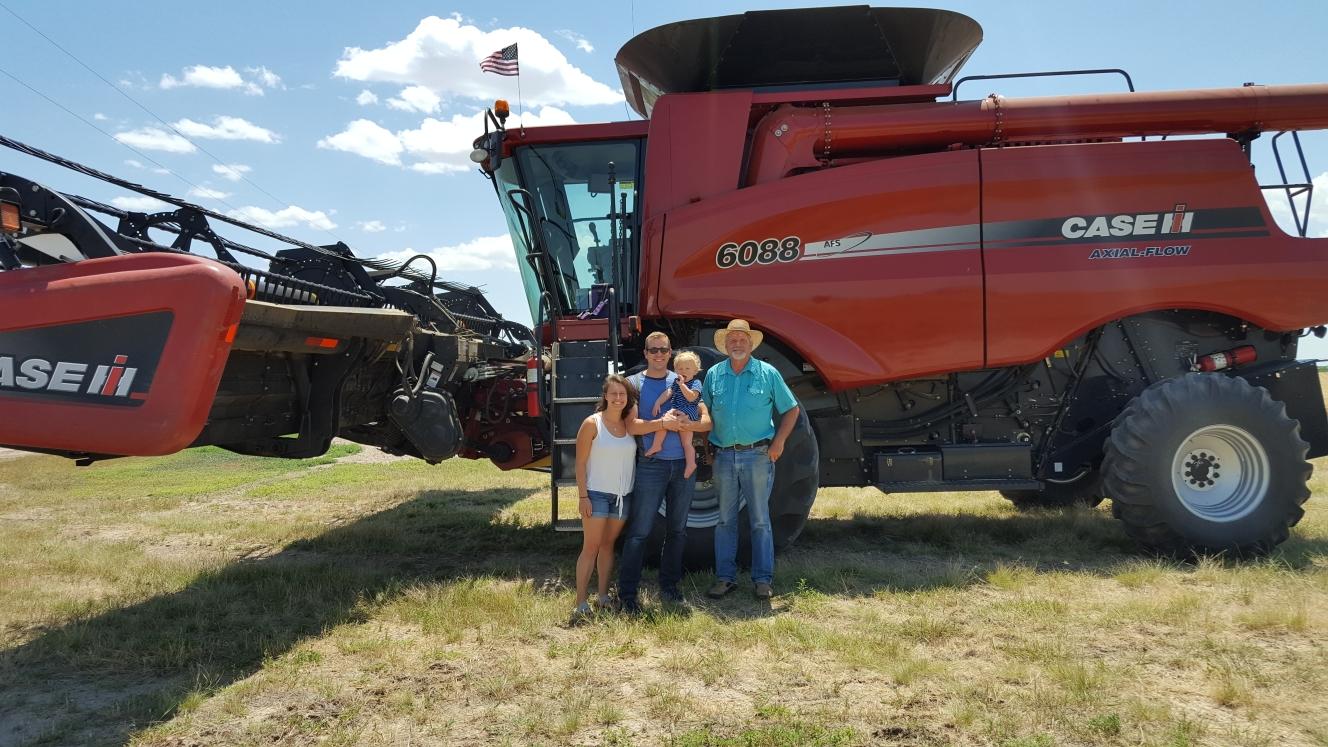
Owns a cattle ranch and farm in Cheyenne County, just north of Cheyenne Wells. He is also a “custom harvester,” which means he travels from Texas to Colorado, harvesting wheat for other farmers. He jokes he has his pick of nephews (and there are a lot of them in Cheyenne County) for help.
His calving season will begin when the session ends.
Tractor on his desk over at the State Services Building: red, for International Harvester.
Sen. Byron Pelton: Born in Burlington, grew up in Cheyenne Wells until the eighth grade, when his parents divorced and he moved with his dad to the Western Slope. Graduated from Basalt High School. Lived on the Western Slope “until I couldn’t take it anymore” and moved back to the Eastern Plains, settling in Fort Morgan, where he met his wife and got his “Mr.” degree.
Elected to the state Senate in 2022. Previously served two terms as a commissioner with Logan County. Succeeded on the county commission by Jerry Sonnenberg, who B. Pelton succeeded in the state Senate.
Married to Celeste for 18 years, two daughters.
Navy veteran and electrician, who says working as an electrician allows him to afford livestock. During the 2023 session, he moved his cattle to his dad’s farm outside of Strasburg, and prior to his day’s work at the Capitol he takes care of the herd, including recently-concluded calving.
Tractor on his desk in the Senate: green, for John Deere.
Colorado Politics: What’s the most important thing you have focused on so far this session?
Rod Pelton: I’m focusing more on the rural issues around our veterinarian shortage out there, and on energy policies. I just want to make sure we don’t get left behind and not just have just windmills and solar panels. That includes HB 1247, a study bill on “all of the above,” including clean hydrogen and nuclear.
B. Pelton: It’s been substance use and drugs. (Sen. Dylan) Roberts and I are on a couple substance use bills together. Then Senate Bill 109 with Sen. (Kyle) Mullica. That’s very important because in order to stop some of the crime that we deal with out there, it’s all circling around drugs and methamphetamine. If we don’t curb that we’re going to continue to see the crime that we are seeing in our areas.
Northeast Colorado has the worst drug problem with methamphetamine in the state. And it’s up in northeast Colorado because of Highway 14 and I-76. Those are the drug super highways.
CP: What else has come up during this session that’s caught your attention?
BP: We have to be a loud voice for rural Colorado and really explain some of the issues that we come across.
For instance, I don’t think they quite understand when you’re waiting on a three-day period for a gun , but if Rod and I have livestock out there and we don’t have one, or if you have a new kid owning livestock, he doesn’t always know what he’s going to run into.
If he wants to get into agriculture, is he really going to wait three days to protect his livestock? Or if a gun breaks and you have to get something to protect your livestock, you still have to wait three days. We were throwing in all these scenarios that go with that.
When Sen. (Rhonda) Fields went down to the well and started talking about how you need to just call the cops, Rod and I looked at each other. How’s somebody who’s living in Crook, 45 minutes away from Sterling and the sheriff’s office, just call the cops? That sheriff’s deputy could be all the way in Peetz.
These are the things that we notice a lot. That’s the first thing.
The second one, it really surprised me and I actually made this comment to Rod when I got here, is how many legislators that have not been in local government don’t understand local government.
What we’re doing to local government when we come up with these unfunded mandates and send them down to the counties or to the cities to have to pay for, that’s not OK.
Nobody knows anything about local government here. And that was one of the things that just was really surprising to me.
RP: Just being in the Senate, the House is a cage fight and the Senate is a chess match. They’re just fighting over there and not thinking and there’s no strategy.
There’s a lot more respect in the Senate, which is nice. I tend to have a little quieter personality and it’s just better suited to me.
CP: What issues have shown up this year that you weren’t expecting, or things that have come up that you dislike?
RP: I knew we were going to have some housing, but boy it just seems like we’re bombarded with housing bills, and that’s going back to that blatant disregard for local government from the first floor with SB 213.
BP: Bad bill. The part that bothers me, I knew we were going have something with land use because I’ve been hearing about it since last summer. So we’ll talk a little bit about land use, but this is blatant, to take local control away and put in state central planning.
Local governments have been in this business for 140 years and my whole problem with taking it away is now you’ve taken the people’s voice away. Once you take the people’s voice from being able to have that input on the land use decision of their local governments, then you put a bureaucrat in front of it instead of a local elected official. Disaster is going to happen because of that.
Both of us have had to sit through land use hearings. You really take that in consideration on what both sides are saying. If you decide to approve that land use bill or resolution, we’re gonna take into consideration what the neighbors said.
The other thing is who are they gonna sue? Because you will get sued on land use. It’ll happen. Who are they gonna sue? And then when they sue the state of Colorado, do they have a voice? Because there’s bureaucracy’s so big they can just run out that lawsuit as long as they want.
It’s a lawyer’s dream.
CP: Is there still an urban-rural divide? Has it gotten bigger?
RP: I don’t know whether it’s gotten bigger, but it’s still there, and it starts in my caucus. I’ve got urban legislators who are Republicans and who vote against my ag bill every time.
We’re dealing with the shortage of veterinarians where we live, the entire Eastern Plains.
CP: You both represent the entire breadth of the Eastern Plains, Byron at the north end, Rod at the south. Are the issues the same or different? And how do they differ?
BP: My issues mainly are water. I worry about that all the time because the South Platte River basin is one of the few basins that haven’t been (over-appropriated).
So dealing with the water in the northern part, is in my mind, one of the biggest challenges, to protect it. Out of the seven counties that I represent, six of them are in the top 10 ag producing counties, and it’s because of the South Platte River Basin and the Republican River.
The Colorado River issues are just as much our issues because we get 230,000 acre feet coming from the Colorado that goes down the Platte. So these are huge issues for us. And one of my biggest concerns, especially with this land use, is: Where are they going to get the water? They’re going to get it from us, and that’s the part that worries me.
But the thing about it is, if you’re going to try to take that water and start drying up counties, you’ve got to be very careful about what your economy’s going do. Because ag is also the second largest economic driver in the state of Colorado, $47 billion comes from our industry.
RP: I think that goes back to the urban rural divide. These urban legislators see (water) as low hanging fruit. And our governor sees it that way.
BP: There’s such a huge amount of water in ag that they see that as low hanging fruit. If they can nibble away at the prior appropriation doctrine, then they can start getting at that water.
RP: Water’s big, but right now the drought is just overshadowing everything. Northeast got snow during the winter. We didn’t.
BP: 16 inches of snow.
When Rod and I grew up together, we farmed the same 6,000 acres. That’s his grandpa and my great-grandpa. It was funny because no-till was brand-new in the ’70s.
His brother and his dad did it at a scale that was so large that all of us were like, they’re crazy. What the hell are they doing? And then after three years after we saw what they were doing, everybody’s like: “OK, show us how to do that.”
RP: My dream was to be a part of the farm. I married a neighbor girl, she lived about six miles away.
BP: He’s being very humble. His father was the whole reason why the Pelton family was successful. Every single one of my uncles (a family of 13 kids, 10 boys and 3 girls) worked for his dad. He was the brains behind the farming operation.
There were two times they shut down the entire town of Cheyenne Wells, when Rod’s dad Jim passed away, because that’s how popular he was. The second time was when Grandma died, they shut down the entire down for her too, because that’s how popular she was.
When we lost Uncle Jim, it was hard for all of us, because we all worked for him at one point or another, including my father.
CP: Why are your cattle in Strasburg during the session?
BP: I can’t live in Denver. When I was in the military and I tried to stay on the base, it’s just too loud. I can’t sleep, I just stay up all night lights, street lights, all that stuff. So I go out to Strasburg and actually get rest. But then I also get up and feed and do everything with the cows.
RP: He’s always talking about being up at 2 in the morning checking cows.
CP: How different has it been going from the county commission to the Senate for you?
BP: It’s really different. County commissioners solve problems. It almost seems like you create problems up here.
RP: Being a county commissioner, you work with like-minded people on the issues, you fix the issue and you move on. Here, if you don’t have 33 (House), 18 (Senate), and one (governor), the best idea in the world goes nowhere.
CP: What do you guys want to see from Denver?
BP: Just leave us alone. Let us do our jobs.
RP: Leave us the hell alone. Leave our water alone, leave everything alone so we can just continue to do our job and make your money so you can spend your money on how you see fit.


marianne.goodland@coloradopolitics.com
marianne.goodland@coloradopolitics.com

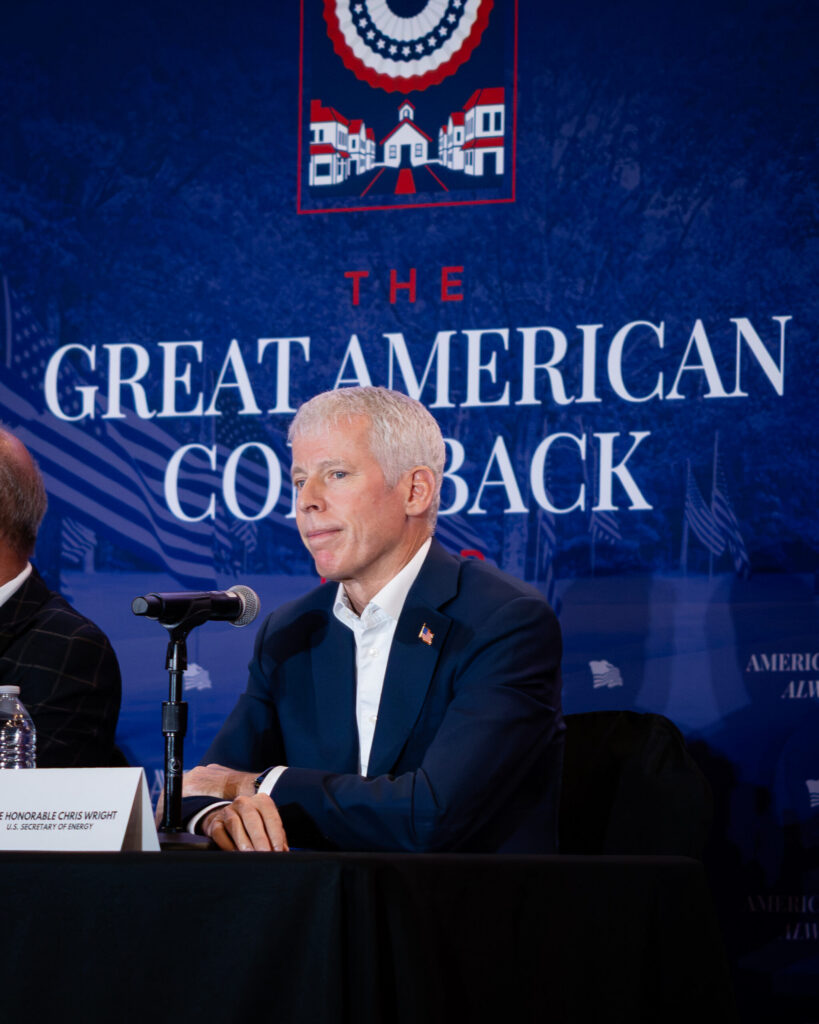
Energy secretary says U.S. must grow capacity, lower price during Colorado visit
Mark Samuelson Special to The Denver Gazette
mark.samuelson@denvergazette.com
Updated 6 hours ago
As a heatwave in the U.S. and Europe punctuated widespread calls for recommitments to solar and other “renewable” sources, U.S. Secretary of Energy Chris Wright doubled down on America’s current policy, telling a Thornton crowd on Monday that energy goals...
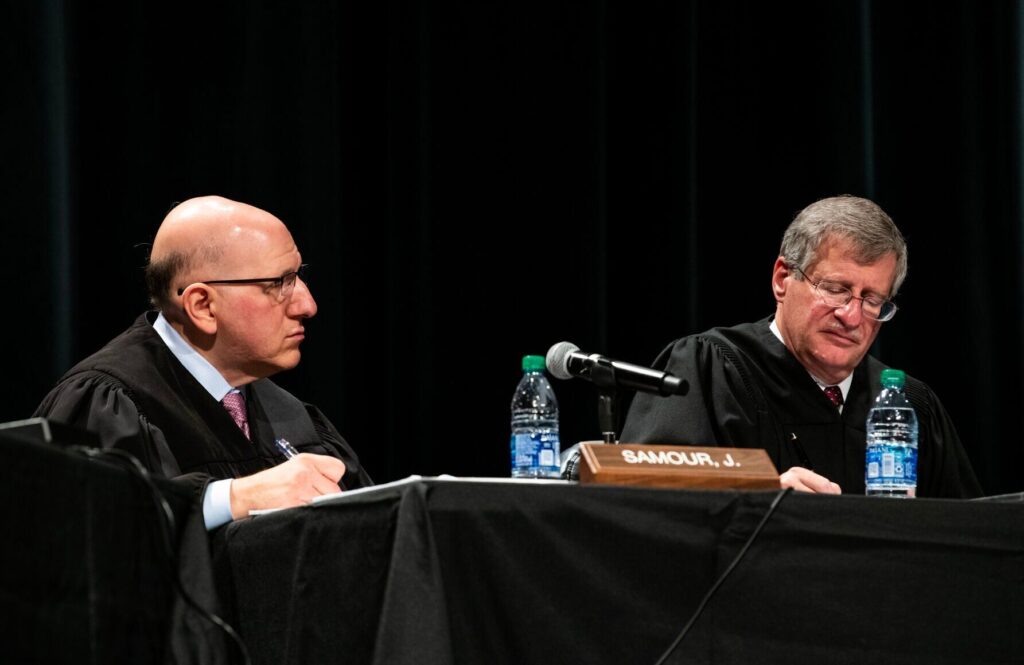
Colorado Supreme Court upholds child abuse convictions despite faulty jury instruction
Michael Karlik
michael.karlik@coloradopolitics.com
Updated 8 hours ago
The Colorado Supreme Court decided on Monday that a San Miguel County jury properly convicted a defendant of child abuse resulting in death, even though the instructions potentially allowed jurors to avoid finding that the child abuse resulted in death....
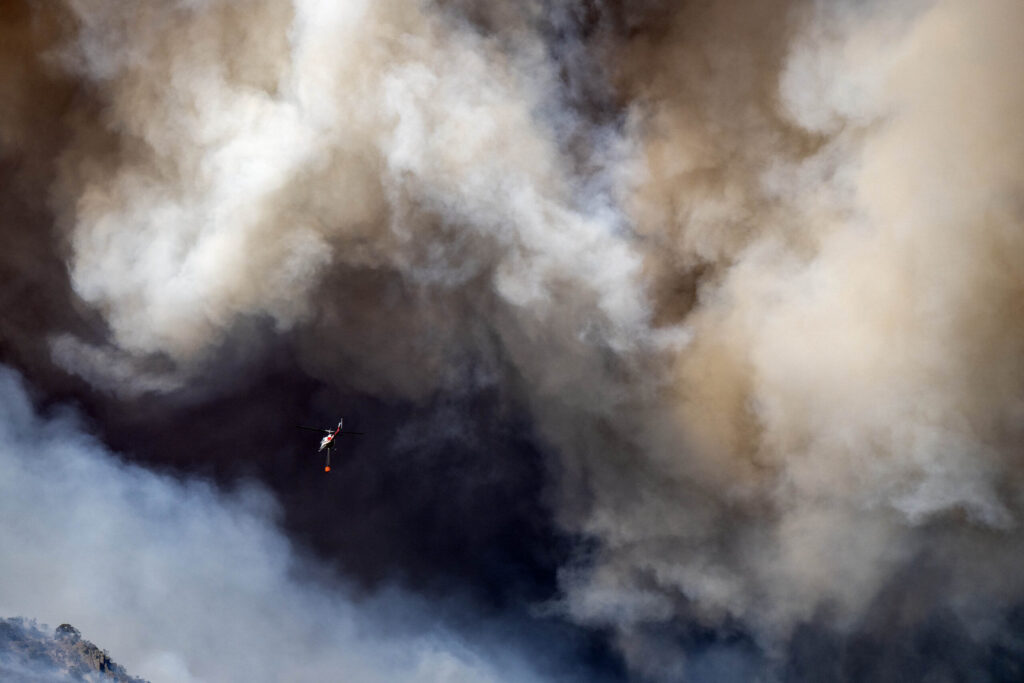
Gov. Polis asks residents not to use fireworks as wildfires burn
Rachael Wright, Special to Colorado Politics
rachael.wright@coloradopolitics.com
Updated 7 hours ago
While Gov. Jared Polis said he will not issue a statewide fire ban, Colorado’s top political leader urged residents against using fireworks as the country heads into the July 4 weekend. “We are encouraging the people of Colorado to exercise...

Trump says communism greater threat than WWI, WWII, 9/11, and Pearl Harbor
Naomi Lim
naomi-lim@coloradopolitics.com
Updated 9 hours ago
President Donald Trump compared the rise of socialism to the Sept. 11 terrorist attacks. Trump was asked about the possible rise of more socialist candidates after three candidates New York City Mayor Zohran Mamdani endorsed last week won their Democratic...

GOP doubles down on SAVE America Act after Supreme Court allows mail ballots to be counted late
Lauren Green
lauren-green@coloradopolitics.com
Updated 9 hours ago
Congressional Republicans continue to push the voter identification bill — that has left Washington in grid lock for months — after the Supreme Court ruled states can count mail-in ballots that arrive after Election Day. The 5-4 decision rejected a...

US and Iran to cease strikes and discuss Strait of Hormuz this week: Report
Carter Schroppe
carter.schroppe@washingtonexaminer.com
Updated 11 hours ago
Officials from the United States and Iran will meet in Qatar this week to discuss the Strait of Hormuz after agreeing to “halt strikes” following a weekend of intermittent fighting between the two countries. The meeting, scheduled for Tuesday in...

Congress is struggling to get its work done and a new report argues for 21st-century upgrades
Kevin R. Kosar
kevin-r-kosar@coloradopolitics.com
Updated 11 hours ago
The news coming from Capitol Hill over the past couple of weeks has left much to be desired. Congress has had difficulty discharging its lawmaking duties. The Senate’s appropriations committee is at loggerheads over how much spending to authorize. The...

Supreme Court rules constitutional privacy protections apply to cellphone users location history
The Associated Press
the-associated-press@coloradopolitics.com
Updated 11 hours ago
WASHINGTON (AP) — The Supreme Court held Monday that constitutional privacy protections extend to cellphone location information, ruling in the case of a bank robber whose identity was discovered through a geofence warrant. Justice Elena Kagan wrote for the 6-3...
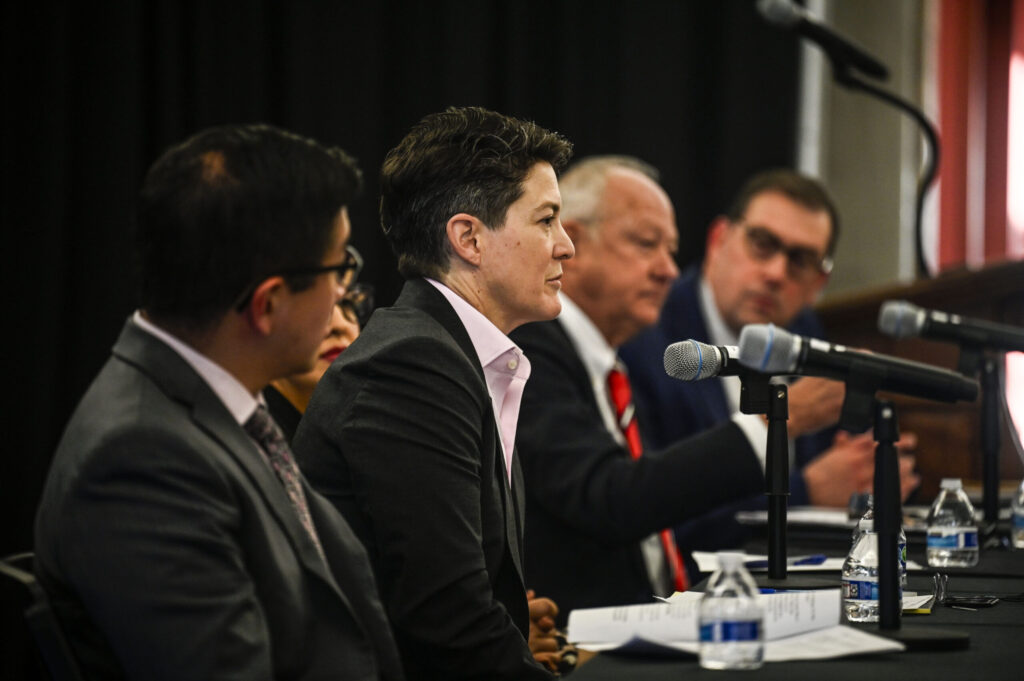
Colorado justices say group that spent $4M on ballot initiatives does not have to disclose donors
Michael Karlik
michael.karlik@coloradopolitics.com
Updated 11 hours ago
The Colorado Supreme Court ruled on Monday that an organization that spent $4 million to advocate on ballot initiatives in the 2020 election is not required to disclose its donors and spending. The Supreme Court acknowledged that multiple factors suggested...
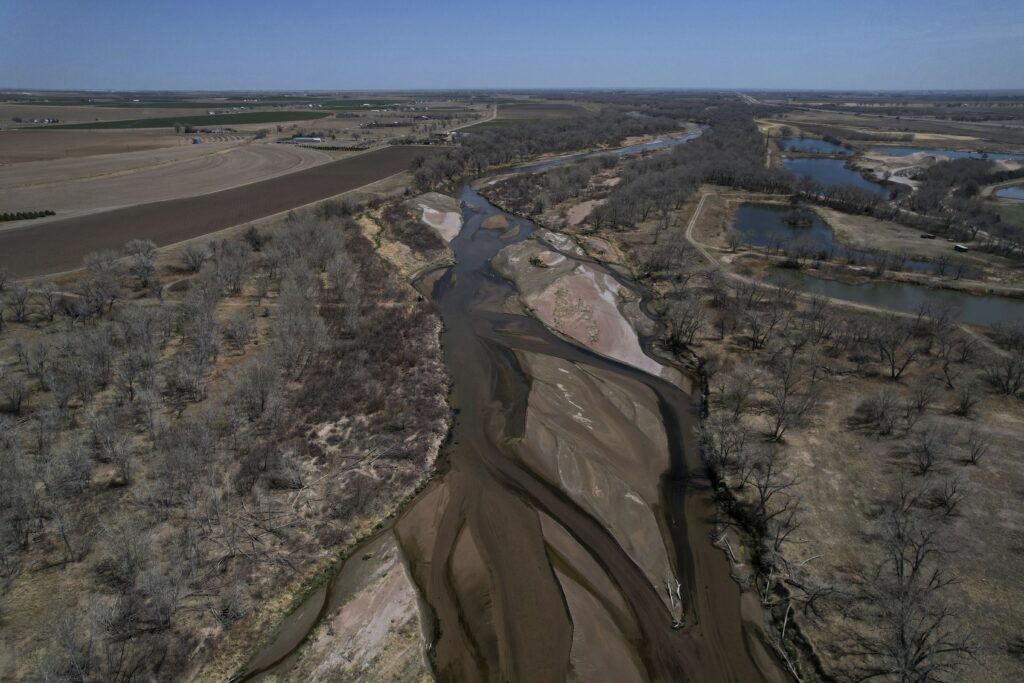
Colorado–Nebraska water clash heads to US Supreme Court as canal fight intensifies
Marianne Goodland
marianne.goodland@coloradopolitics.com
Updated 7 hours ago
The U.S. Supreme Court on Monday agreed to hear Nebraska’s lawsuit against Colorado over the Perkins County canal, a move that advances a legal dispute likely to take years to resolve. The proposed Perkins County canal would run through land...
PREV
PREVIOUS

Colorado lawmakers advance 'intoxicating hemp' regulation
A panel of legislators on Wednesday advanced legislation designed to address a loophole in the state’s marijuana laws. The proposal requires the state to begin regulating what’s known as “intoxicating” hemp. The difference between hemp and marijuana, which come from the same plant, is in the Delta-THC level. In order to be classified as hemp […]
Colorado seeks to regulate 'intoxicating hemp' similar to marijuana under new bill
Colorado lawmakers this week are preparing to review a bill designed to address a loophole in the state’s marijuana laws. But the bill, which springs from a task force report, doesn’t go far enough, according to some from the panel that issued the recommendations. Senate Bill 271 would require the state to begin regulating what’s known as […]