

Q&A with Tammy Story | Colorado House Democrat reflects on move from the Senate
It’s not unusual for a House lawmaker to decide to move over to the Senate when they’re term-limited or when the opportunity arises as a senator vacates a seat.
Out of 35 senators currently serving this year, 25 started off in the House.
But going the other way – from the Senate to the House? Darn near unheard of.
It’s only happened once in the last 25 years, and it wasn’t someone who went directly from the Senate to the House. Sen. Paul Weissman, D-Louisville, served one term in the Senate and seven years later won election to the House, where he served eight years.
Rep. Tammy Story, D-Evergreen, found herself in a tough situation in 2022. Redistricting changed her Senate district from a relatively-safe seat to one that no Democrat would have a chance in.
Her decision was to head to the lower chamber, a race in which she had to defeat a three-term Republican incumbent, then-Rep. Colin Larson of Littleton, who was expected to become the next minority leader after the death of Rep. Hugh McKean of Loveland. Larson was expected to handily win reelection.
Story won the race by 719 votes out of more than 50,000 cast.
Story recently sat down with Colorado Politics to share how she got into politics – the 2022 race was not her first big electoral challenge – and how she’s adapted from the generally-more calm Senate to the more often raucous House.
Fast Facts
Born: in a military hospital in Germany.
She never attended any school for more than two years, as the family moved according to her dad’s military assignments. That meant schools in Georgia, Texas, Michigan, Kansas, Maryland (where she graduated from high school) and Greece.
Education: Tennessee State University, with a degree in communicative disorders.
Married: to Mike, a daughter and a son and one grandchild.
Has worked as a speech pathologist, both with Head Start and in several school systems in Virginia and Maryland; moved to Colorado in 1987 when Mike, who holds a degree in geography with a focus on satellite imagery, took a job with the National Park Service. Both of her children were born here.
Electoral history: Story was among the leaders of the 2015 recall of three conservative Jefferson County school board members, one of whom was Julie Williams, the sister-in-law of state Sen. Tim Neville.
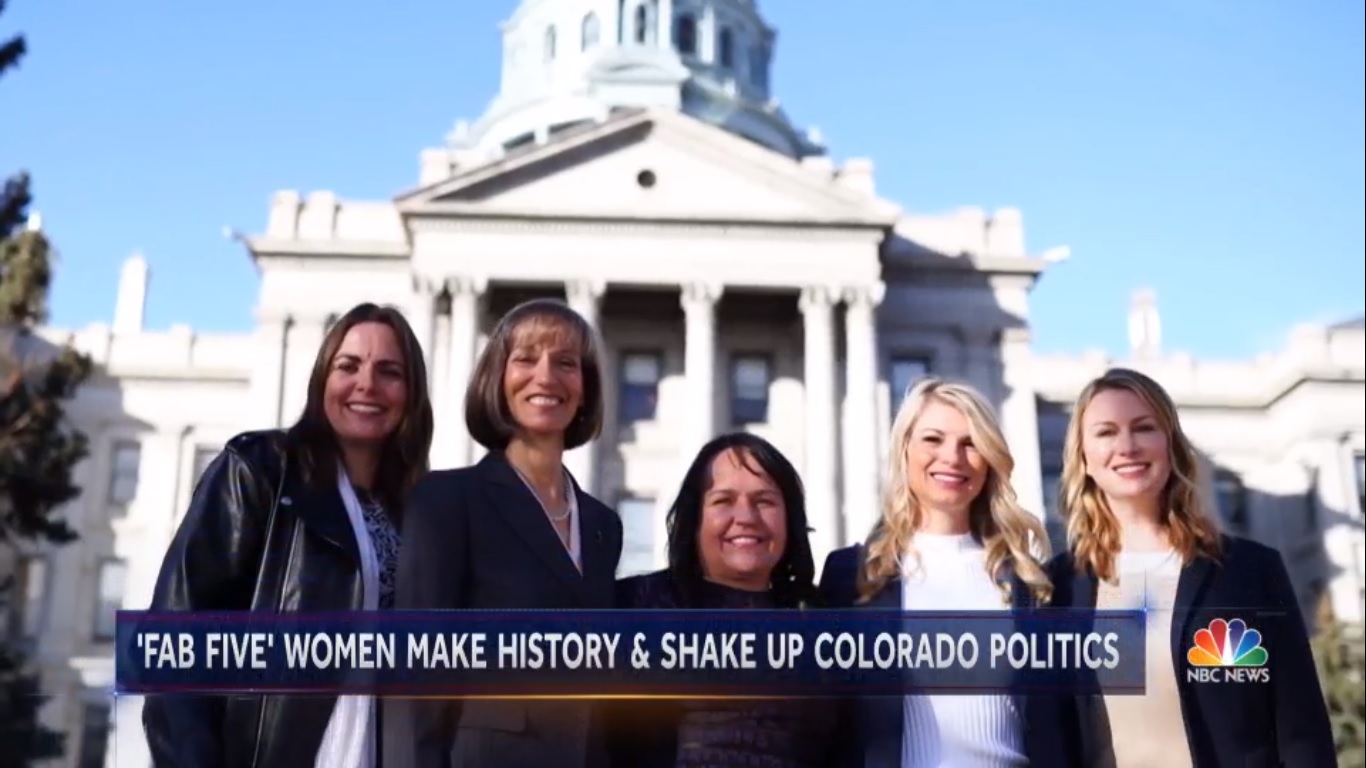
Story’s first run for public office ocurred in 2016, when she challenged Republican Rep. Tim Leonard of Evergreen, a race she lost by 3%. She ran again in 2018, challenging the incumbent Neville for the Senate seat, which she won with 54% of the vote to Neville’s 40%. Story was part of the “Fab Five” – five women who won Senate seats that flipped the state Senate from Republican to Democratic control.
She serves as chair of the Capitol Development Committee, and serves on the House Agriculture, Water and Natural Resources Committee and on the House Public and Behavioral Health and Human Services Committee.
Colorado Politics: How did you get involved in public education?
Story: I was spending time doing volunteer work. Once the kids came along and they got a little older, I became very engaged in the public school system. I volunteered and helped out primarily in accountability committees, which were mandated by the state.
At the high school, I was the chair of the accountability committee for a number of years and also was engaged in the district accountability committee at the same time. [From] district accountability, you get a better understanding of how the school system works and why it operates the way it does. That’s also access to the superintendent and all the cabinet. I just became more and more enmeshed in schools and public education and why that’s so important. I think my kids got everything they needed and more in Jeffco schools.
CP: What prompted you to take the leap from working very closely on these education issues to wanting to go to the legislature?
Story: I came to a solid understanding that what pained Jeffco the most was the lack of funding. School board members, while their positions are very valuable, they have no ability to raise revenue for their school district other than through mill levies and bonds. It’s what pains all of our school districts the most is the lack of state investment. And so I started thinking about the legislature and I actually ran for the House in 2016.
After 2016, looking at the options and the details and all the factors that were involved in all of that, I decided to run for the Senate. It looked like a seat that would be very competitive and against an incumbent.
It appeared like it could be winnable, and there was a good reason to run for that seat. The race was against an incumbent who had very much opposite feelings and values than I did.
I had a strong support base in Jeffco, the entirety of Jeffco, not just the mountains of Jeffco where I live, but the entirety of Jeffco, because of all the work that I’ve done over the years for Jeffco schools. It garnered national attention, as well.
Then came 2020.
The odds were strongly against me, winning a Senate seat. So, if I wanted to keep legislating, that was the path.
CP: How has that been different, going from the upper chamber to the lower chamber?
Story: Well, you can say it is just numbers in terms of 65 versus 35 members, and that’s true, but it’s what’s in the numbers on a floor of 65.
It’s harder to get around to everybody if you need to have conversations with a number of people about your bill or your policy and what you’re thinking on the path you want to follow. It’s harder to accomplish that in a chamber of this size. It’s really the same work in a different chamber.
CP: Have you been able to find new alliances in this body that you maybe didn’t have when you were in the Senate, particularly since there was such a huge change in the House membership?
Story: I don’t have a problem finding new alliances in the new chamber, but there’s a lot of people to get reintroduced to. You only sit by so many people when you’re seated on the floor, so you have to make more of an effort to reach out and find people that you don’t sit on committee with or that you don’t share space with on the floor and to discover new things about them.
There are a lot of brand new people in the legislature, but I can tell you that between the chambers though, we all work in the same building. You can go months at a time without seeing lots of people from the other chamber.
I certainly have conversations with some of the new people and can help explain why some things might be happening on the floor. It’s not policy things necessarily, but just as things unfold on the floor, sometimes they unfold for certain reasons that may not be apparent. But there’s little things that happen that are different, like third reading. You don’t go introduce your own bill or make a motion to approve your bill on third reading.
That seems odd to me in a possessive sort of way. Also, not having a consent calendar is another odd thing to not have in the House because, I mean, why not? There’s no huge loss, right? If you, if the whole committee votes to support a particular bill, it shows up on the consent calendar. Any legislator has the ability to pull it off the calendar on the floor. You don’t lose any opportunities to discuss anything, but it does help move bills along where there is consensus.
CP: How have you adapted what you’re interested in, policy-wise?
Story: I am still running bills here that I probably would’ve run from the Senate. I miss being on the education committee.
I was the vice chair of Senate education for four years, and you build relationships with stakeholders and policymakers and entities who are passionate about public education. So, having to set that aside, while I still am in touch with people, it’s not the same, being on two totally different committees.
Now, it’s building all of that back again with different people, different stakeholders, different policy issues. I don’t mind the learning curve. I don’t mind being thrust into new policy arenas that are important to learn about. But I feel the loss of not being on the education committee.
CP: Are there inroads that you can make on education issues not being on the committee?
Story: I can still run education policy, you know, and I still am in touch with the stakeholders and players on education policy.
CP: What do you miss most about not being on education?
Story: I think being in committee is being privy to all those early discussions about policy and having an opportunity to learn about them from all kinds of perspectives.
CP: You went from a relatively large Senate district to a much smaller House district and one that shifted more to the East. How has that changed what you look at in terms of policy or has it?
Story: I had all the mountains of Jeffco in the Senate, from north to south. Right now, I have the mountains from I-70 south. So I’ve lost part of the mountains of Jeffco, and I have the Ken Caryl area, and north of that.
In the Senate, I had Columbine High School and moving toward Denver, including Kennedy High School.
I think they are still focused on many of the same issues: Public education came when I was running for the Senate. Public education was the top priority of more than half the people that I talked to.
I would ask before I talked about myself: What issues were important to them? I continue to do that. And more than half of the people that I talked to would say public education was their top priority, and running for the House, that was still the case. They still talked about public education, whether they had children or not, that were in schools, if they were grandparents or were teachers.
Jeffco Schools is the largest employer in Jefferson County. So, it stands to reason that a lot of people are focused on public education because they’re tied to Jeffco, either through their kids, grandkids or employment.
Another top priority issue for people is wildfire, even down in Ken Caryl. Conifer and Evergreen are the highest wildfire risk areas in the state and one of the Top 10 risk areas in the country. So, it’s a Paradise, California waiting to happen. Hopefully, it doesn’t, but it’s a tough area, even down in Ken Caryl. People brought up wildfire to me many times. It’s a top priority for them because there had been a fire near Mount Lindo last July.
That was highly visible to the folks in Ken Caryl and Ken Caryl Ranch, and that tightened their awareness, along with the Marshall Fire. It is a big concern still for people on the Front Range.
CP: Is that a concern that’s gotten a lot more intense since you’ve started off in the Senate back in 2018?
Story: Absolutely! But I felt it even before then. Wildfires in the West have been raging even when I was a high school student. Moving out to Colorado, I was well aware, certainly when the Hayman fire struck in 2002 (which was in Jefferson County). We could see the smoke and it was blowing north at that time in those first few days. It could move 10 miles the first day. Well, if it moved another like 15 miles, it would be where I lived. So, it was impactful and it got our attention. I don’t think we’ve lived here terribly long without thinking about wildfire where we live. You do what you need to do to try and protect your space. There’s a lot of people who live up there and a lot of work should be done to help harden homes and, and do those things give people the best chance to leave when they have to.
Fun Facts
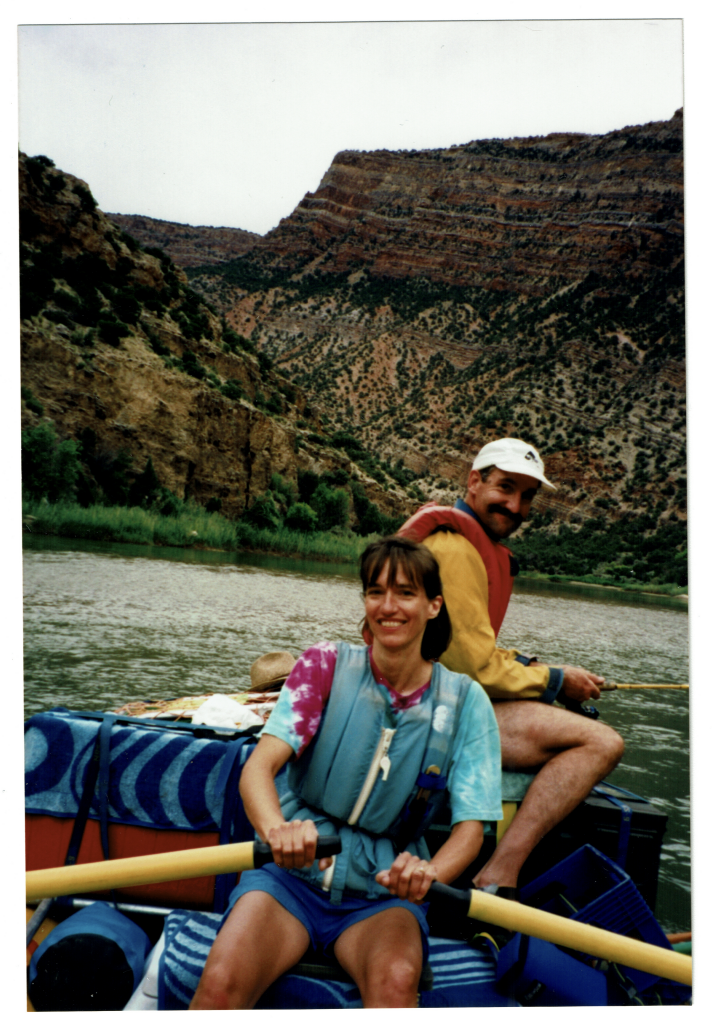
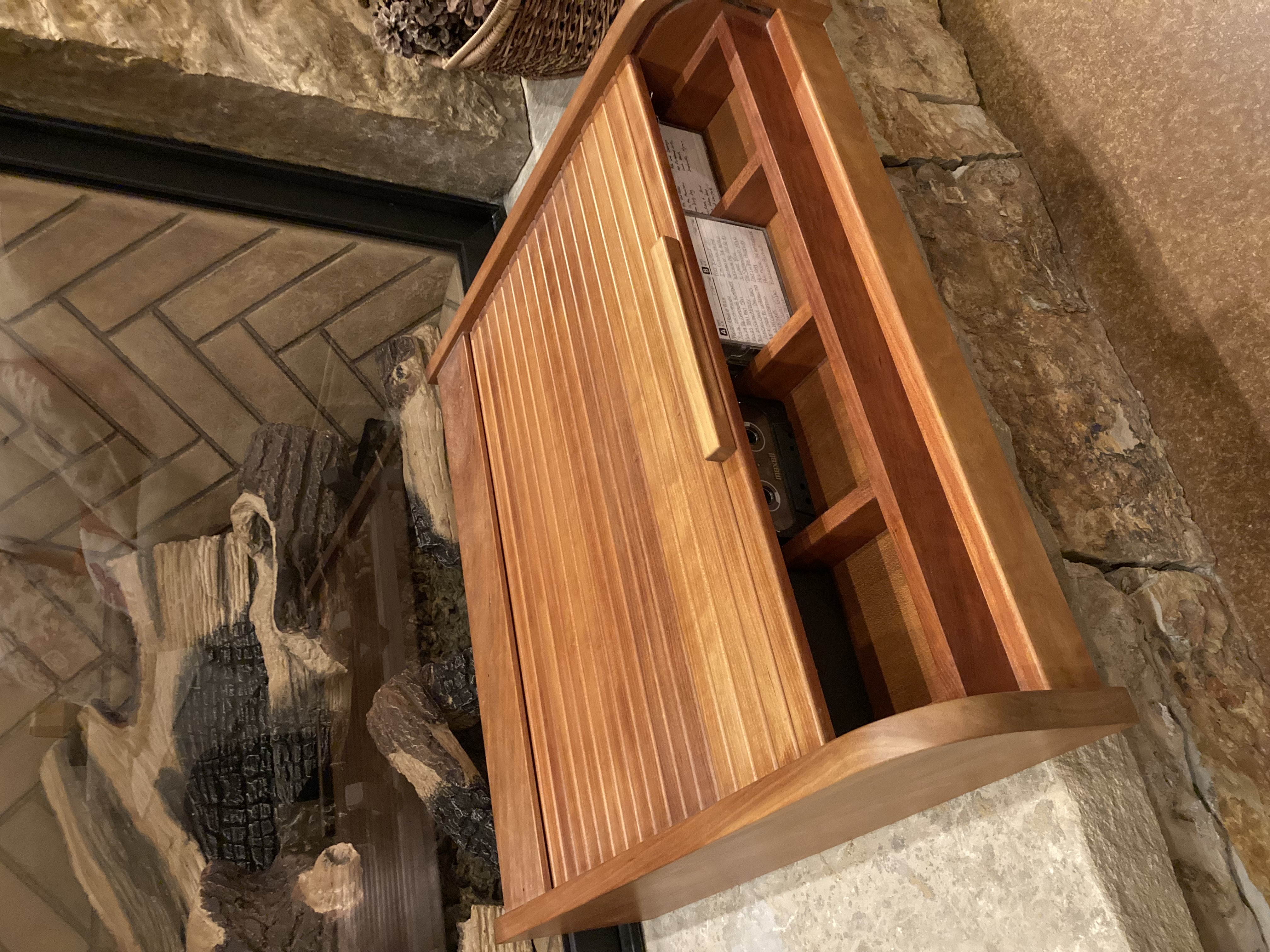
One of Story’s first jobs after college was as a cabinet maker and woodworker. She learned how to build her own projects, starting with a bookcase and moving on to executive desks and credenzas. One of her favorite jobs was making the furniture for a bank, all in cherry with very complex joinery. The last pieces she built were nine coffee tables for a New York office.
She also has been a whitewater river rafting guide in North Carolina and Tennessee and still enjoys the rivers.
Favorite place to ski? For downhill, Copper Mountain, a good family-oriented place. Also likes Steamboat, Loveland and Breck. Her first time visiting Colorado, when she was in college, was to go skiing at Copper. Also likes backcountry skiing and cross-country on forest service trails and for “hut trips.”
Quietest, happiest place? Climbing fourteeners. Story has climbed eight or ten of them. Her first was Mount Elbert, the state’s highest fourteener.
Hardest raft trip? The Gauley River in West Virginia. The Gauley is dam-controlled, with huge plumes at the top. Put in below the plumes and it’s like class six rapids, which is the highest in the East. It’s a huge volume of water and very technical, which makes them very challenging. It’s an adrenaline rush.



Healthcare Freefall: Finger‑pointing intensifies as Colorado’s healthcare system strains under rising costs, shrinking coverage
Thelma Grimes
thelma.grimes@coloradopolitics.com
Updated 16 hours ago
Editor’s Note: Colorado’s healthcare system is entering a period of accelerating instability — a “tsunami,” as multiple leaders describe it — driven by collapsing hospital finances, shrinking Medicaid reimbursements, disappearing services and a political fight over who is responsible for...
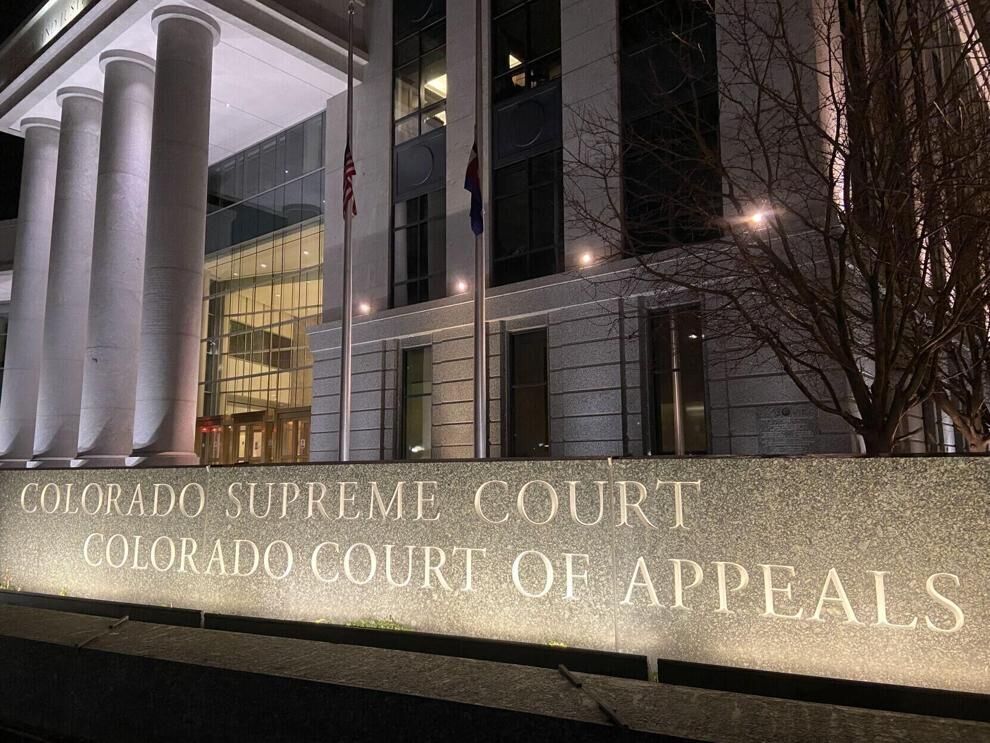
Colorado appeals judge’s delays in releasing opinions noted by performance commission
Michael Karlik
michael.karlik@coloradopolitics.com
Updated 12 hours ago
The citizen-led performance commission that provides guidance to voters about whether to retain members of Colorado’s second-highest court raised concerns by judges and attorneys that Judge Elizabeth L. Harris sometimes struggles with releasing opinions promptly. Harris, who joined the Court...
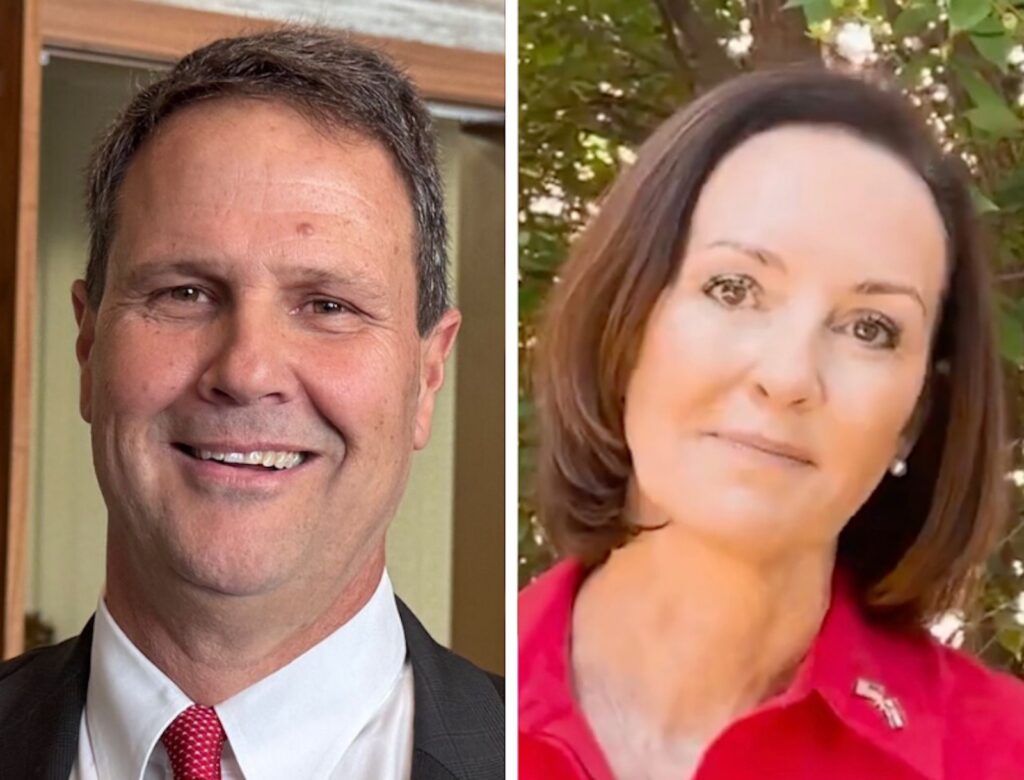
Jeff Crank, Jessica Killin set to face off in 2 debates in Colorado’s 5th Congressional District
Ernest Luning
ernest.luning@coloradopolitics.com
Updated 11 hours ago
Republican U.S. Rep. Jeff Crank and Jessica Killin, his Democratic challenger, have agreed to debate twice in the weeks leading up to the general election in Colorado’s 5th Congressional District, their campaigns have said. Crank is seeking a second term...
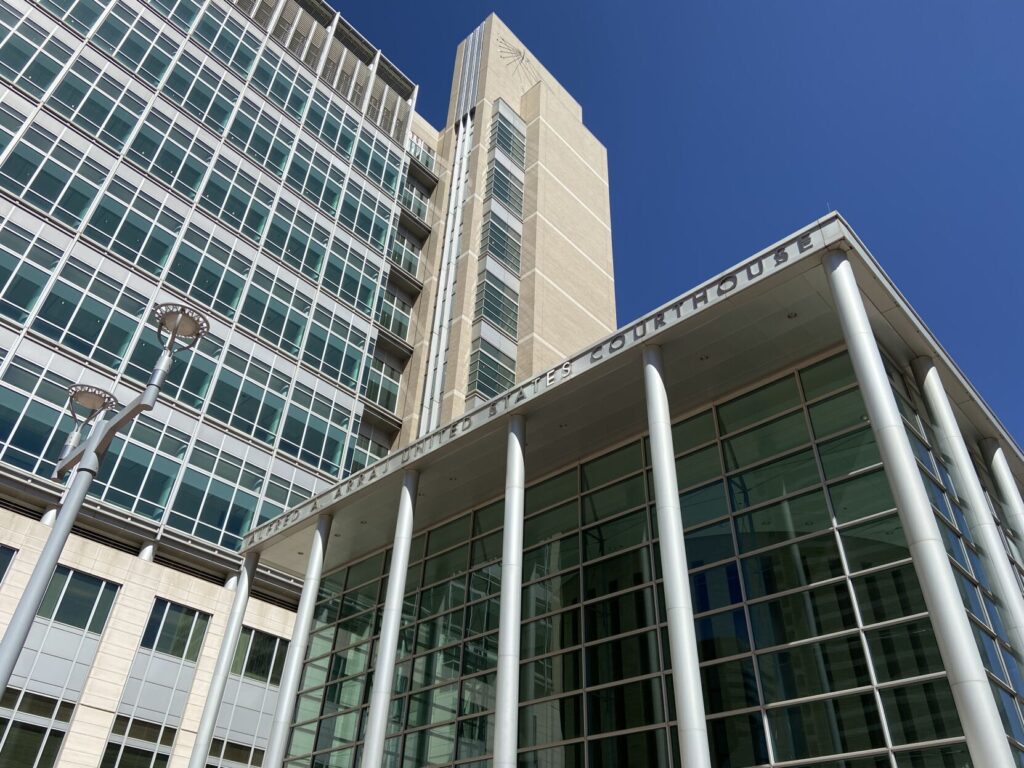
Colorado judge explores sanctions against DOJ, ICE for rearresting man 4 days after release on bond
Michael Karlik
michael.karlik@coloradopolitics.com
Updated 12 hours ago
A federal judge in Colorado is considering sanctions against the government after immigration agents rearrested a man four days after an immigration judge found him suitable for release on bond. On July 28, U.S. Magistrate Judge N. Reid Neureiter ordered...

White House deploys private companies to help crack down on cybersecurity breaches
David Zimmermann
david-zimmermann@coloradopolitics.com
Updated 19 hours ago
The White House intends to use private companies in the United States to help crack down on cybersecurity breaches perpetrated by transnational criminal organizations. President Donald Trump signed a memorandum on Wednesday, directing his administration to employ the private sector...

Voters prefer socialist over MAGA candidate in 2028 matchup: Poll
Mabinty Quarshie
mabinty-quarshie@coloradopolitics.com
Updated 17 hours ago
New polling released this week suggests that a socialist candidate would defeat a Make America Great Again candidate in a hypothetical 2028 presidential matchup, a move that implies the reach of progressive leftists isn’t abating despite recent setbacks in Wisconsin....
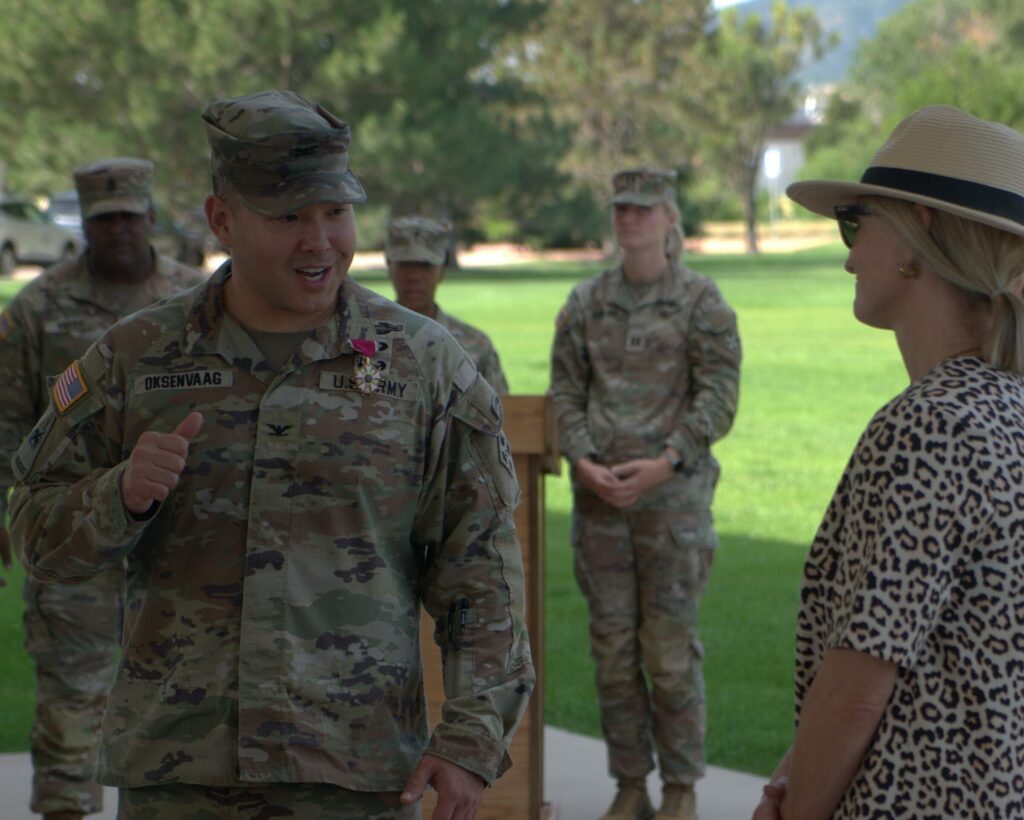
Fort Carson garrison commander says staff cuts created ‘uncertainty and fear’
Mary Shinn
mary-shinn@coloradopolitics.com
Updated 14 hours ago
The Fort Carson garrison commander departed Wednesday after what he described as a difficult 18 months for installation and garrison staff. “I know the last 18 months has been marked by profound uncertainty and fear, but you weathered the storm...
Divided disciplinary panel censures Montezuma County judge after agreement reached
Michael Karlik
michael.karlik@coloradopolitics.com
Updated 19 hours ago
A disciplinary panel formally imposed a public censure, suspension, and further training on Montezuma County Court Judge Ian J. MacLaren on Tuesday by a 2-1 vote. Under constitutional Amendment H, which voters adopted in November 2024, MacLaren was set to...

Aurora police officer resigns after taking narcotics found during traffic stop
Kyla Pearce
kyla.pearce@gazette.com
Updated 14 hours ago
An Aurora Police Department officer resigned after investigators found that he took narcotics that were collected as evidence during a traffic stop. Michael Gallagher violated several agency policies, including substance abuse, tampering with evidence and lying in a criminal investigation,...
Douglas County measure to expand county commission advances to November ballot
Nicholas Fogleman
nicholas.fogleman@denvergazette.com
Updated 14 hours ago
Douglas County voters will decide in November whether to expand the county’s Board of County Commissioners from three members to five after election officials certified a citizen-led petition effort Wednesday. The Douglas County Clerk and Recorder verified 20,434 petition signatures,...
PREV
PREVIOUS

First Lady Jill Biden visiting Denver
First Lady Jill Biden is visiting Denver Monday to highlight President Joe Biden’s economic policies, according to her office, Denver Gazette news partner 9News reported. Biden arrived in Colorado Sunday evening. On Monday morning, she will join Gov. Jared Polis at the Colorado State Capitol “to highlight how state officials are prioritizing investments in community […]

Newest federal judge sworn in, Colorado Supreme Court returns for arguments | COURT CRAWL
Welcome to Court Crawl, Colorado Politics’ roundup of news from the third branch of government. The newest federal judge for Colorado is officially sworn in, bringing the district court bench back to full strength, plus the state Supreme Court will reconvene this week for oral arguments. Gallagher takes the bench ? Days after winning confirmation in […]