

Rent control denies economic reality | Colorado Springs Gazette
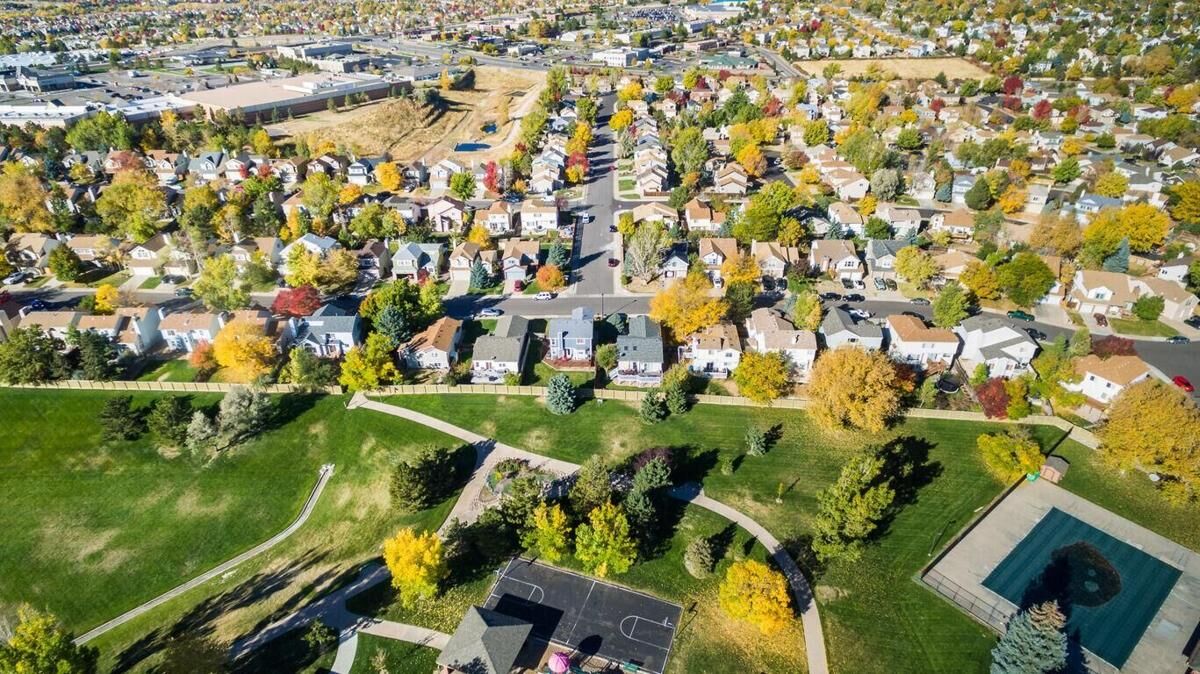
Average rents in Colorado’s largest metro area dropped substantially in the fourth quarter of last year, The Gazette reported Wednesday. It’s welcome news, of course, given the affordable-housing challenges that have frustrated much of the state in recent years.
Ironically, the positive development made headlines the same week that well-intended, economically clueless lawmakers at the state Capitol introduced a bill paving the way for rent control. House Bill 1115, advanced by the more left-leaning members of the Democrat-controlled General Assembly, would repeal a state law barring local rent-control policies.
The bill is the latest iteration of an enduring political fantasy that stubbornly resists market reality.
As noted in The Gazette’s report, Apartment Association of Metro Denver data shows average monthly rent went down $32 since the third quarter of 2022 – one of the biggest quarterly decreases in decades. It’s largely the result of new apartments finally coming onto the market amid the Denver area’s sustained building boom. Previously rising rents are leveling off and even coming down as supply expands to meet demand. It’s basic economics.
It doesn’t necessarily mean the long-superheated rental market has turned the corner yet in metro Denver, the Pikes Peak region or other population centers around the state. But it’s certainly encouraging.
Just try telling that to the backers of HB 1115, though.
Capping rent by government edict is so deceptively simple it continues to lure policy makers. It’s a magic wand for politicians who rarely stick around long enough to answer for the eventual train wreck down the line. They ignore decades of research as well as generations of bitter experience where rent control has been tried, notably New York and San Francisco.
Rent control in fact makes affordable housing less available. It raises rent for everyone who isn’t in rent-controlled housing. And if a community imposes rent control on most or all rentals, construction will grind to a halt. The rental properties that exist, meanwhile, will decay as landlords no longer can afford to keep them up.
A Stanford University study, for example, found rent control “decreases affordability, fuels gentrification and creates negative spillovers on the surrounding neighborhood.”
State law has protected Colorado from the voodoo economics of rent control since 1981. The law prevents local governments from regulating rent on housing – a prudent policy, considering there always are local governments gullible or reckless enough to try rent control.
In a statement released this week, the Colorado Apartment Association made an easy case against HB 1115’s repeal of the state law:
“Colorado’s prohibition against local governments enacting rent-control ordinances for more than 40 years is both a recognition of the damage rent control can do to available housing, and, also, an understanding that one local government’s housing policy can negatively impact neighboring communities. If Denver enacts rent control and builders decrease new housing units in Denver because of it, the cost of housing in all the surrounding municipalities will be driven up because of it. …”
In the final analysis, the only feasible way to lower rent in any market is to increase supply. Build more, in other words. Policymakers should do what they can to help make that happen.
As Cary Bruteig, the analyst who tracked the promising rental numbers for the Denver apartment association, put it: “Rents are, to a large extent, nothing more than the result of whether there’s enough units to go around.”
It’s freshman Economics 101.
Colorado Springs Gazette Editorial Board



Colorado can’t forget the lessons of COVID | Jon Caldara
Jon Caldara
jon-caldara@coloradopolitics.com
Updated 3 days ago
We are finally getting a clearer picture of what happened during COVID. Not because the people who locked us up, masked our faces and forced unproven chemicals into our bodies have suddenly become transparent, but because Anthony Fauci’s COVID-era diary...

Historic preservation supporters organize to oppose Trump changes | Bob Loevy
Tom Cronin
tom-cronin@coloradopolitics.com
Updated 1 day ago
Historic preservation organizations in Colorado Springs, the remainder of Colorado and across the nation are organizing to resist a recent effort to relax and weaken historic preservation laws in the United States. In Washington, D.C., the Advisory Council on Historic...

The primary political reform and precondition for all others | SONDERMANN
Eric Sondermann
eric-sondermann@coloradopolitics.com
Updated 4 days ago
In its current state, the American political system has no end of ailments. Far too many factors accelerate polarization and work against moderation and narrowing the differences. Media, and the way so many citizens limit themselves to agreeable, reinforcing sources,...
Pueblo mayor, council concoct Trumpian Texas Two-Step | Dennis Maes
Dennis Maes
dennis-maes@coloradopolitics.com
Updated 3 days ago
Several weeks ago, an article was published positing Pueblo Mayor Heather Graham is a disciple of the calamitous Donald Trump school of governance — specifically as it related to questionable ethical practices and the misuse of public funds. Recently, Graham...

Colorado can’t afford to turn its back on proven public safety technology | GUEST COLUMN
Colorado Politics
colorado-politics@coloradopolitics.com
Updated 3 days ago
By Samuel G. Michael I recently saw a report that said Colorado is leading the way in artificial intelligence adoption for businesses. Across our state, more business owners and employees than ever before use AI for their everyday functions —...
As education conflicts abound across Colorado, who puts the kids first? | Paula Noonan
Paula Noonan
paula-noonan@coloradopolitics.com
Updated 4 days ago
Elected school boards and the Colorado Department of Education (CDE) have hit the headlines with fired superintendents, superintendent resignations, failures of oversight, and misdirected dollars. Cherry Creek School District’s superintendent was fired. Jefferson County Schools’ superintendent found a less stressful...

Clock is ticking on Colorado’s new AI rules | PODIUM
Colorado Politics
colorado-politics@coloradopolitics.com
Updated 4 days ago
By Aashis Luitel On Jan. 1, organizations using covered automated systems must begin complying with Senate Bill 26-189, Colorado’s new Automated Decision-Making Technology Act. They can identify those systems and start building the processes the statute clearly requires. What they...

Meghan Shay on recovery, responsibility and second chances | The OpEdge Podcast
Tony Olivero
tony.olivero@gazette.com
Updated 5 days ago
Step Denver and Step Springs CEO Meghan Shay joins The OpEdge to explore addiction recovery, homelessness, and the role of accountability in lasting change. Shay tells host and investigative columnist Jimmy Sengenberger why she believes recovery is built on personal...

The outrages mount | Hal Bidlack
Hal Bidlack
hal-bidlack@coloradopolitics.com
Updated 5 days ago
My kindly and forgiving editors understand that, from time to time, I can’t help myself from leaping atop my rickety soapbox to vent. And, like many other political commentators have already done, I could easily fill this entire missive with...

Rural Colorado deserves a tax holiday | GUEST COLUMN
Eric Mulder
jstooksberry@gmail.com
Updated 5 days ago
Spend enough time in Colorado’s Eastern Plains, the San Luis Valley, or the Western Slope, and you’ll see boarded-up storefronts, schools consolidating classrooms, and small rural communities stretching every dollar to keep basic services afloat. Once the backbone of Colorado’s...
PREV
PREVIOUS

No to make-my-shopping-day — but I get it | BRAUCHLER
George Brauchler The news this week that Denver’s homicide rate is the third fastest-growing in the U.S. surprises few. Our state policymakers’ ongoing failure to protect us from expanding crime is encouraging Coloradans to look to themselves for protection. The latest effort to expand when lethal force can be used with legal impunity to include […]

Let’s put Colorado first on its 150th birthday | OPINION
Dave Davia Earlier this month, Gov. Jared Polis delivered his fifth State of the State address to the Colorado General Assembly. This speech, given at the start of each year, is always an important occasion to hear from the governor on what the state has achieved and what issues the administration will prioritize in the […]