

Phil Weiser sworn in for second term as Colorado’s attorney general
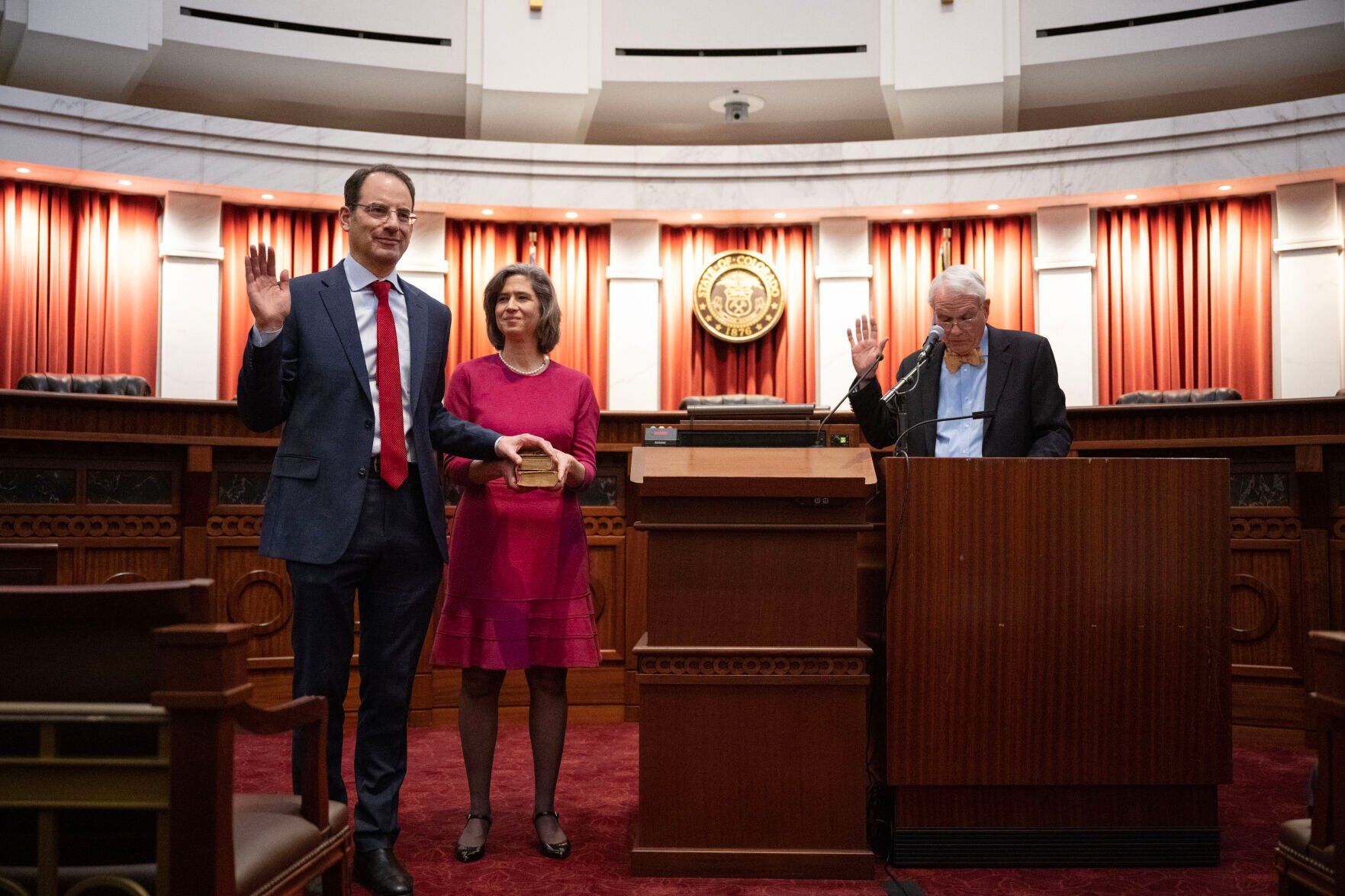
In Phil Weiser’s first term as Colorado’s attorney general, he has been involved with suing major pharmaceutical companies for their roles in the nation’s opioid crisis, brought a lawsuit against e-cigarette maker JUUL with accusations of marketing to children and won a ruling from the U.S. Supreme Court upholding the ability to remove presidential electors who vote against their state’s winner.
In his second term, Weiser plans to continue advocating to funnel more resources toward Colorado’s fentanyl crisis, enforce the state’s multi-state water compacts and defend gun control legislation.
Walmart to pay $3.1 billion in opioid settlement led by Colorado, 15 other states
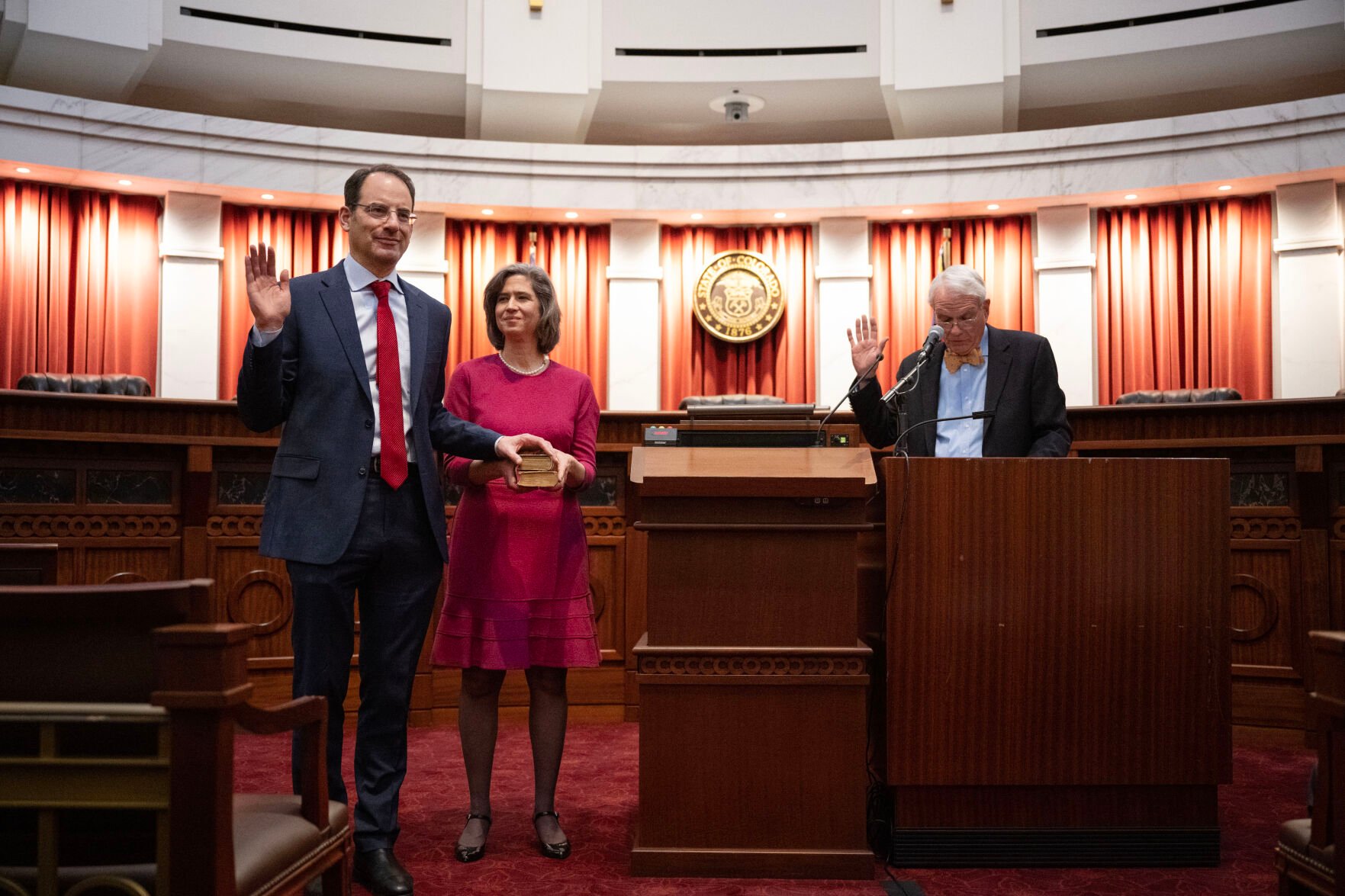
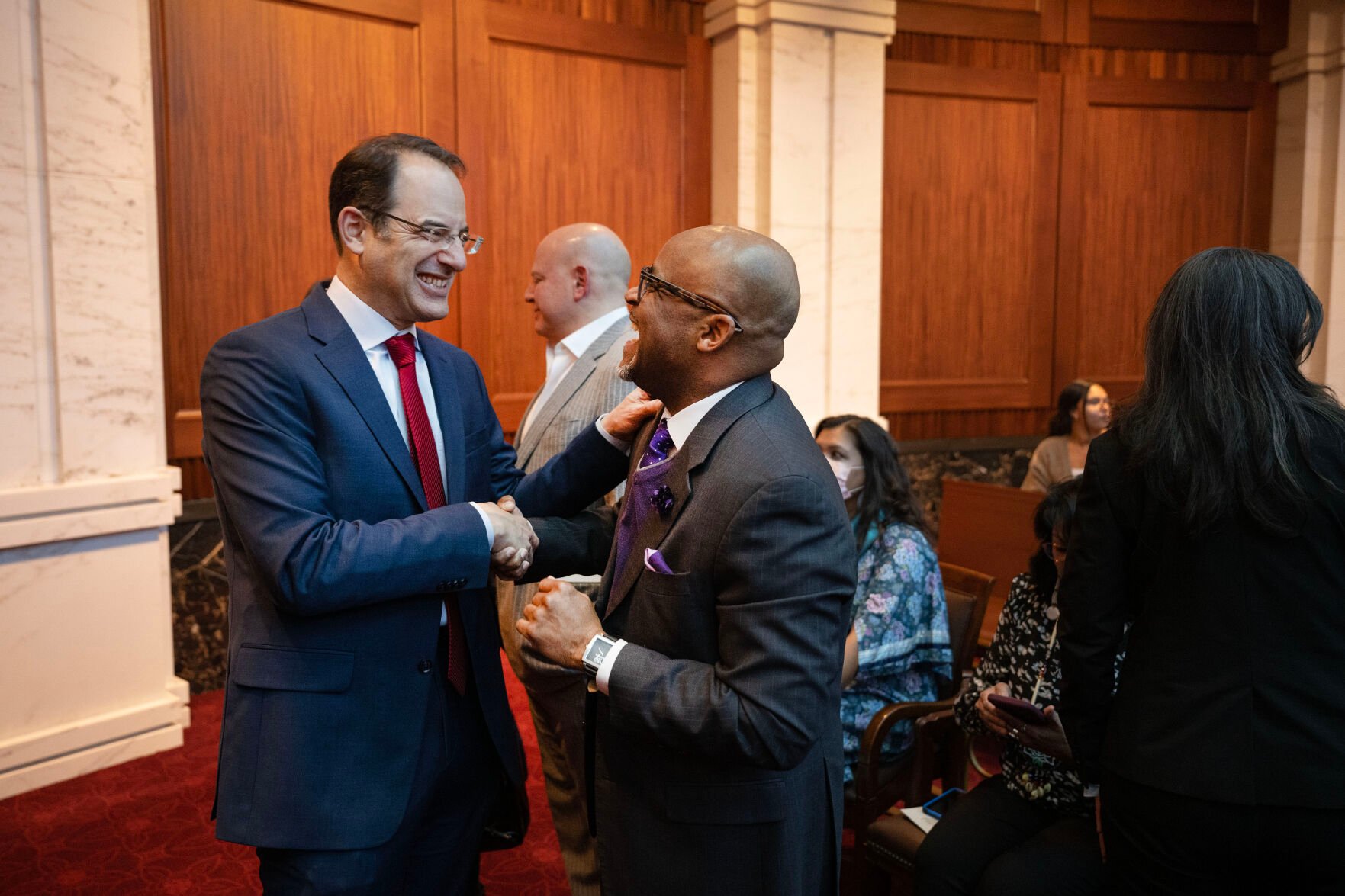
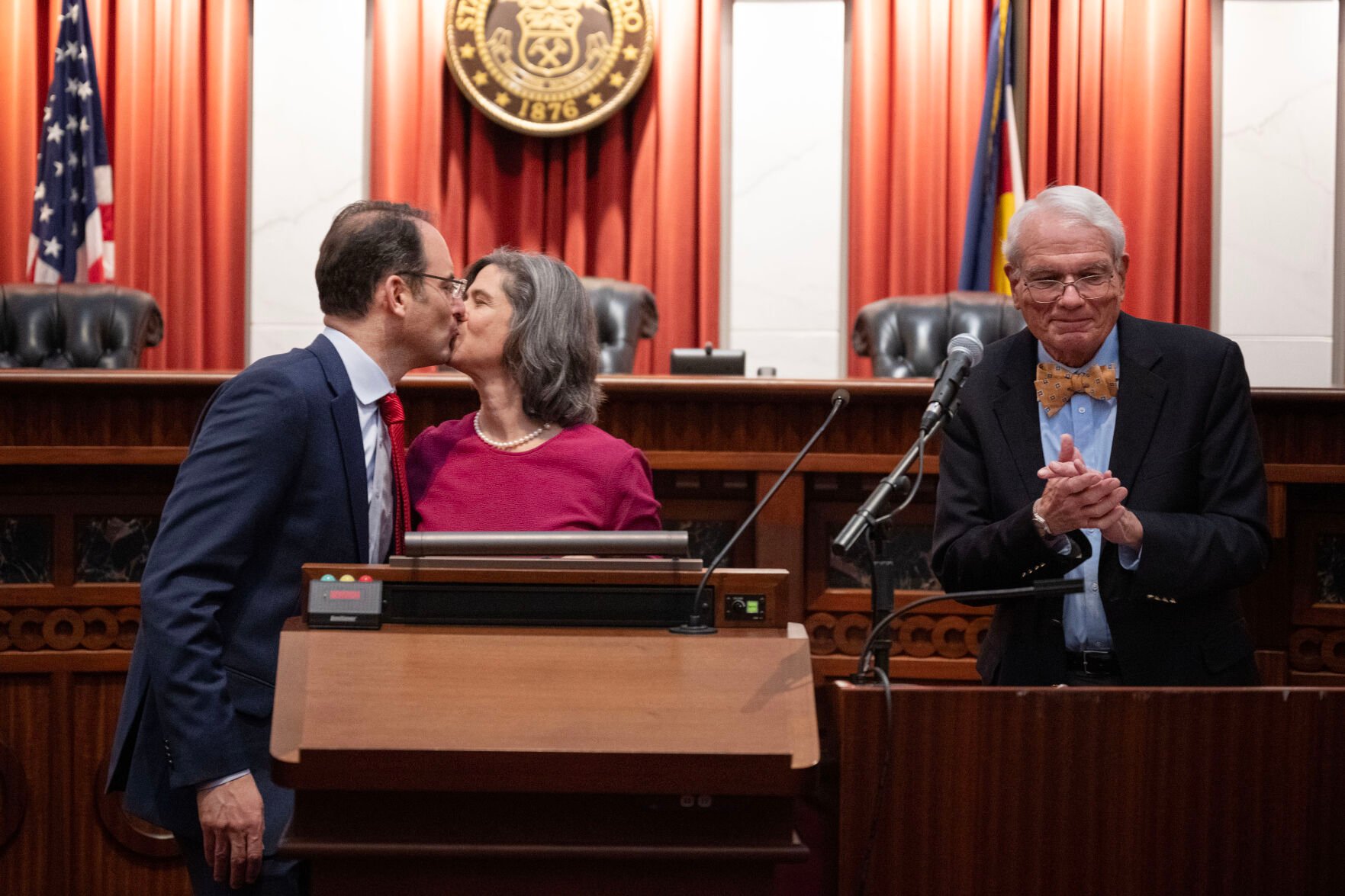
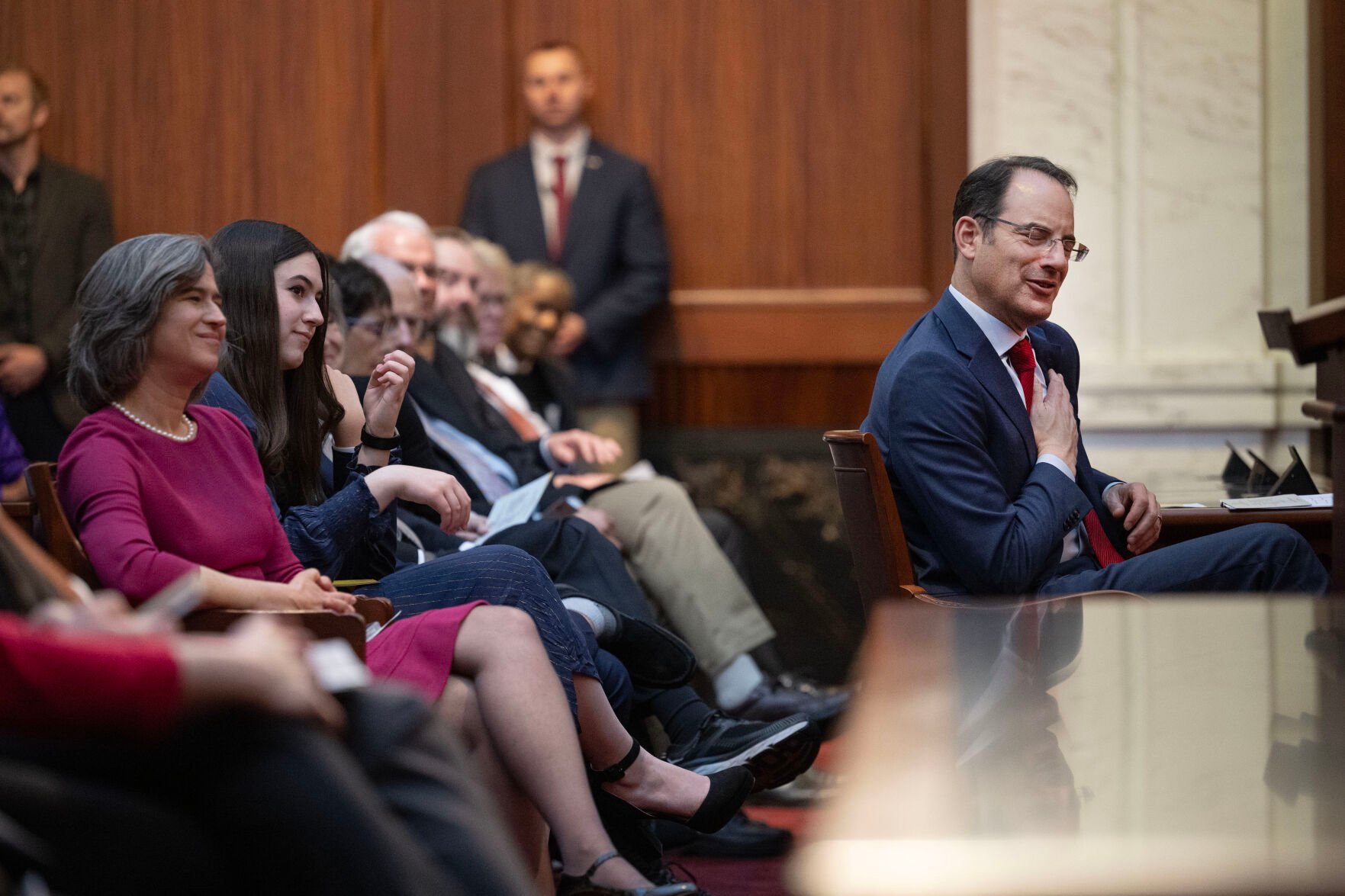
Weiser took the oath of office for his second term from 10th Circuit Senior Judge David Ebel on Thursday in the Colorado Supreme Court. The courtroom was a who’s who of Colorado politics in the past few decades, filled with prominent figures including Gov. Jared Polis, U.S. Attorney Cole Finegan, Denver District Attorney Beth McCann, Mayor Michael Hancock and former Gov. Bill Ritter in attendance.
“Colorado can be a model of countering a culture of contempt for others, and instead cultivating a culture of loving kindness,” Weiser said, referencing Polis’ inauguration speech. “When I was here four years ago, I spoke of rising cynicism in our institutions, and the need for more empathy and less judgment. I talked about the enduring importance of protecting the rule of law and our basic institutions.”
The ceremony also had remarks from people close to Weiser during his career, including Colorado Supreme Court Justice Monica Márquez and 18th Judicial District Court Judge Don Toussaint. Toussaint praised Weiser for taking time to speak to marginalized communities – not as part of the campaign trail – about the attorney general’s role in tackling issues facing Colorado.
“I’m learning a lot from you. I’m learning a lot about being a leader, having the pulse of the community, being seen and letting them know that you see them,” Toussaint said.
Weiser told reporters some of his priorities for his next term include expanding education and treatment to tackle Colorado’s opioid crisis, defending the state’s gun control laws (Colorado currently faces a federal lawsuit challenging the high-capacity magazine ban in effect since 2013) and enforcing Colorado’s water compacts through “negotiation and litigation” as necessary.
Colorado’s AG Phil Weiser urges law enforcement to embrace red flag law following Club Q shooting
“We need to be prepared for either way. We are not going to be afraid to litigate to protect our rights. And as we can find collaborative solutions, we work hard to do that.”
Weiser also supports making all auto thefts felonies – under Colorado law currently, stealing a car worth $2,000 or less is a misdemeanor.
He spoke about making sure the state’s law for extreme risk protection orders works effectively, allowing law enforcement or family members to file a petition to stop someone from possessing guns if they pose an imminent threat to others or themselves. Weiser stopped short of saying he would support the attorney general’s office having the ability to file petitions, noting that it doesn’t have the closeness to individual communities that local law enforcement agencies do.
“Our jobs can be as a trainer to help them get the knowledge and the ability to use this law effectively.”
He added the attorney general’s office has a role in advising the legislature on how to pass laws that will stand up to constitutional challenges.
Weiser also chairs the state’s Domestic Violence Fatality Review Board, which records deaths that occur in the context of domestic violence each year and can include victims killed by abusers, perpetrators who die by suicide and “collateral” victims, such as children killed by abusers to get revenge against a partner. He said he supports creating a mechanism for law enforcement to report domestic violence fatalities directly to the attorney general’s office so the review board doesn’t have to take a piecemeal approach to collect information. The office has a grant to create a lethality assessment tool for law enforcement agencies, Weiser added.
“We want to see more local review boards, asking the same question at the local level that we’re asking at the state level: What could we have done differently that might have led to saving lives?”
State board reviewing domestic violence deaths finds highest number since its inception

Colorado lawmakers grapple with spending cuts amid $1 billion-plus deficit
Marianne Goodland
marianne.goodland@coloradopolitics.com
Updated 3 hours ago
The battle over Colorado’s budget for next year — which stalled in the House over a procedural maneuver — entered a more difficult phase on Thursday, when legislators grappled with hundreds of millions of dollars in proposed reductions to balance...

New rules for private judges in Colorado include discipline oversight, campaign contributions
David Migoya
david.migoya@gazette.com
Updated 6 hours ago
The Colorado Supreme Court recently determined the state’s private judges — retired jurists appointed to oversee civil cases that rarely get public scrutiny — can now make political contributions freely and without reserve, overruling a prohibition that had been in...

Colorado bill reshaping RTD board advances
Marissa Ventrelli
marissa.ventrelli@coloradopolitics.com
Updated 6 hours ago
A proposal to reshape the Regional Transportation District’s leadership easily cleared a committee vote Wednesday, advancing the bill sponsors say is needed to revive a transit system still struggling to regain riders and public trust. Critics have countered that, while...

Colorado Democrat John Hickenlooper pulls in nearly $1.4M in 1st quarter, heads into primary with $4M
Ernest Luning
ernest.luning@coloradopolitics.com
Updated 3 hours ago
U.S. Sen. John Hickenlooper’s campaign raised nearly $1.4 million in the first quarter of 2026 and plans to report more than $4 million on hand heading into Colorado’s June primary, the first-term Democrat’s campaign said Thursday. That brings Hickenlooper’s total...
Republican Ron Hanks plans ‘grassroots’ primary challenge to US Rep. Jeff Hurd in Colorado’s 3rd CD
Ernest Luning
ernest.luning@coloradopolitics.com
Updated 6 hours ago
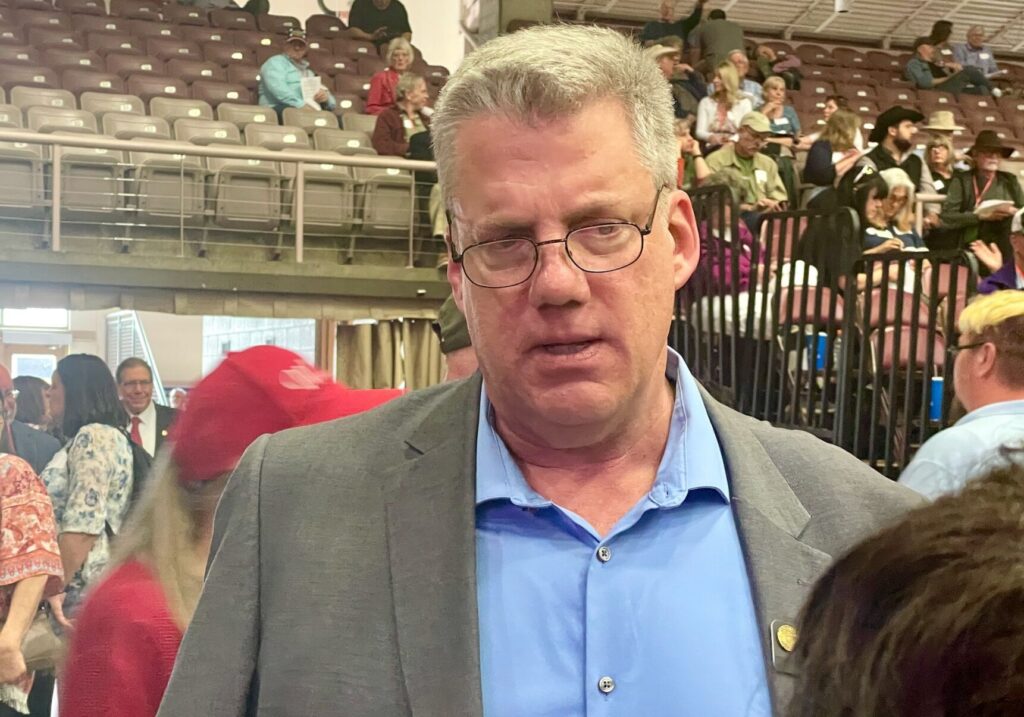
Colorado Republican Ron Hanks, a former state lawmaker, plans to challenge first-term U.S. Rep. Jeff Hurd in the 3rd Congressional District primary by seeking a spot on the June ballot at the GOP’s district assembly in Pueblo on Friday, Colorado...
Five ways Mullin is already pushing DHS in a new direction
Anna Giaritelli Washington Examiner
anna-giaritelli-washington-examiner@coloradopolitics.com
Updated 10 hours ago
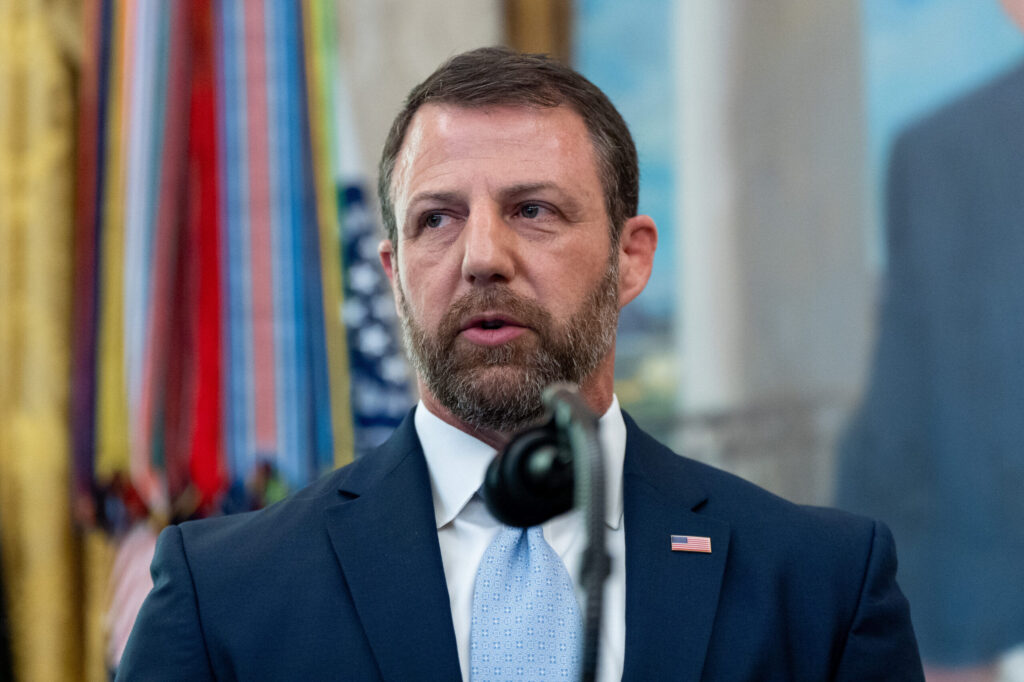
The Trump administration’s newest Cabinet secretary, Markwayne Mullin, has already begun to implement major changes across the Department of Homeland Security Mullin replaced President Donald Trump’s first DHS secretary, Kristi Noem, and was an unexpected pick to lead the department...
Appeals court finds Prowers County judge incorrectly analyzed firetruck collision lawsuit
Michael Karlik
michael.karlik@coloradopolitics.com
Updated 10 hours ago
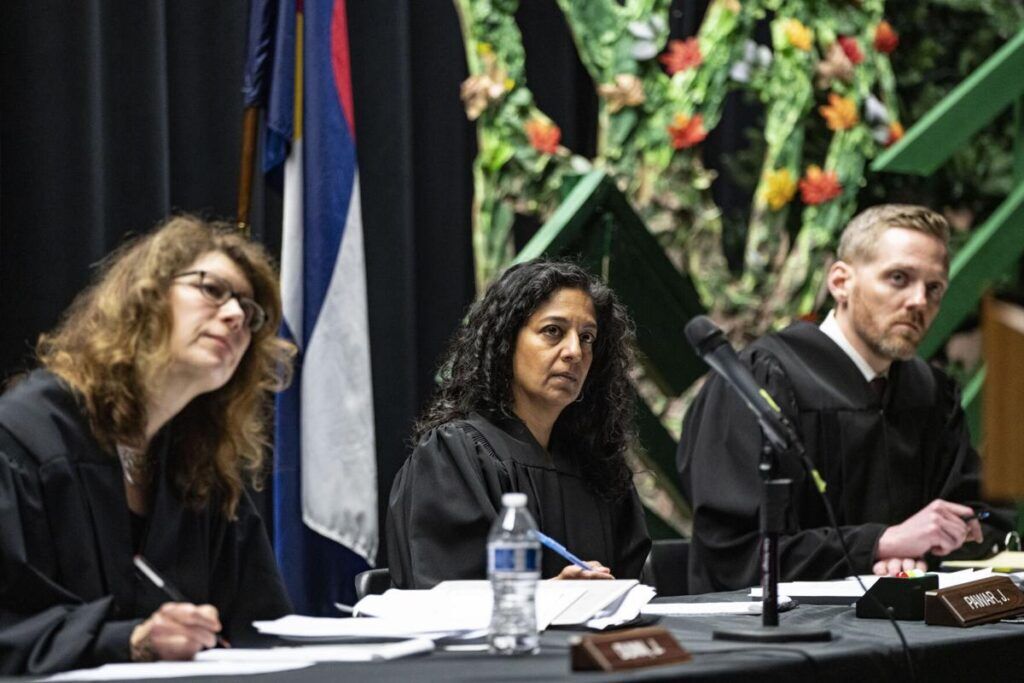
Colorado’s second-highest court directed a Prowers County judge last month to take a second look at whether a firetruck operator and the county itself can be held liable for a collision with a motorist. Donald Williamson was driving through a...
Appeals court reverses assault convictions after jury received no definition of ‘harm’
Michael Karlik
michael.karlik@coloradopolitics.com
Updated 12 hours ago
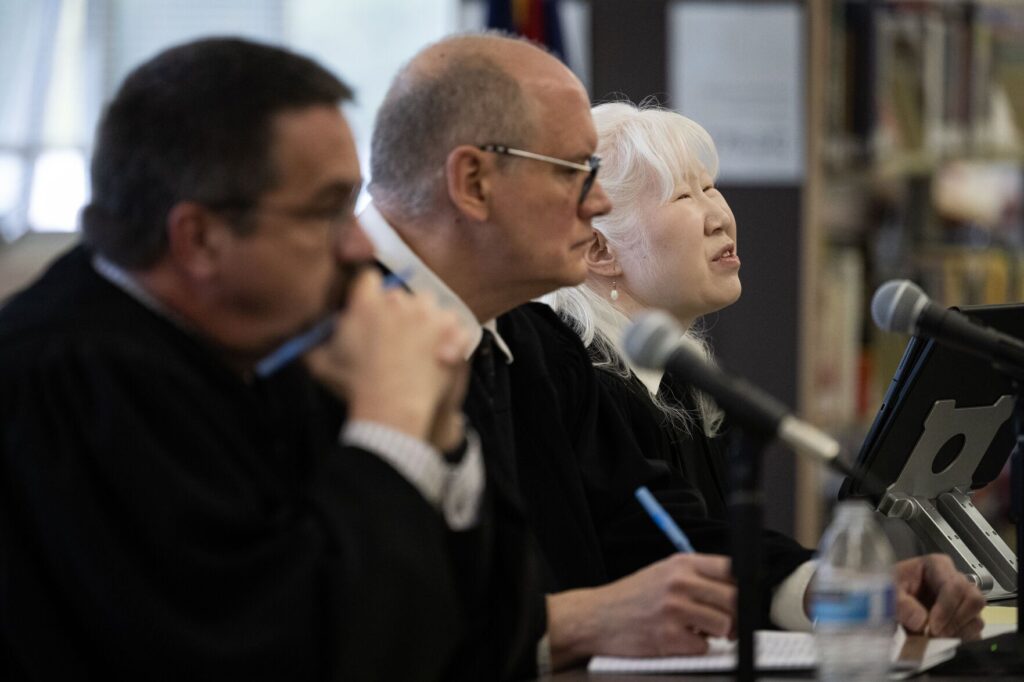
Colorado’s second-highest court reversed an Arapahoe County defendant’s assault convictions last week, concluding the trial judge neglected to define a key, ambiguous term for jurors. Police officers arrested David Cristobal Aragon at a house party for allegedly violating a restraining...
Colorado counties cannot challenge state law restricting immigration contracts, appeals court says
Michael Karlik
michael.karlik@coloradopolitics.com
Updated 7 hours ago
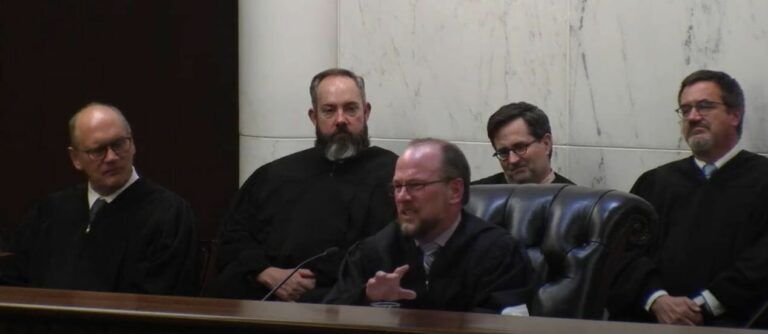
Colorado’s second-highest court ruled on Thursday that counties lack standing to challenge a 2023 state law that restricts their ability to contract with the federal government or private entities for immigration detention. A three-judge Court of Appeals panel agreed with...
Wayne Williams joins city as Colorado Springs Mayor Mobolade’s new chief of staff
Brennen Kauffman
brennen-kauffman@coloradopolitics.com
Updated 9 hours ago
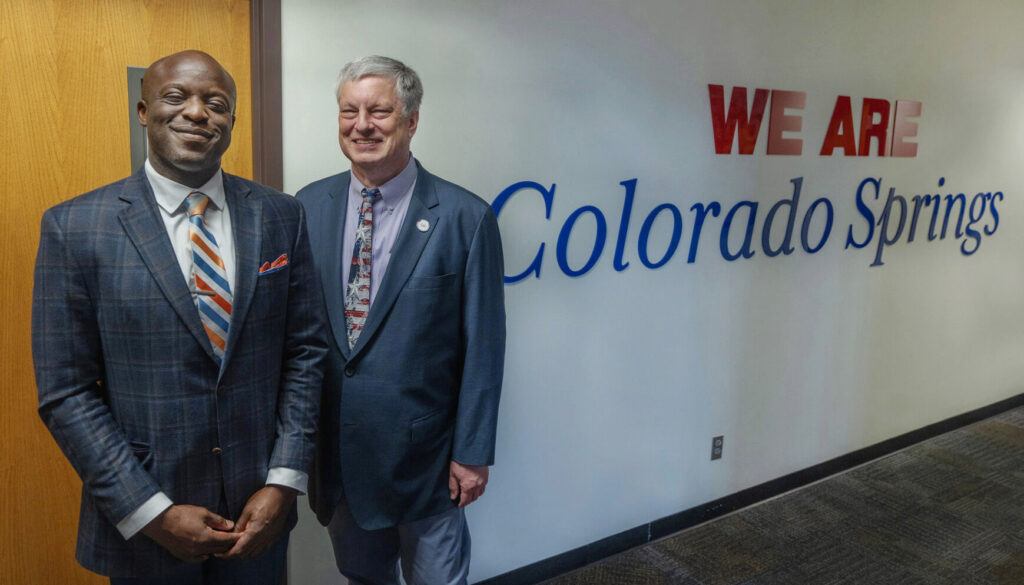
Wayne Williams will be the next chief of staff for Colorado Springs Mayor Yemi Mobolade, turning the two former election opponents into partners in city government. The two officially announced the hire Thursday, citing Williams’ decades of experience with city,...
PREV
PREVIOUS

Dropout rates rise as graduation rates improve for some Colorado Springs-area schools
Some Pikes Peak region school districts mirrored statewide results for graduation and dropout rates – both increased for Class of 2022 graduates, according to statistics the Colorado Department of Education released this week for the 2021-22 academic year. That’s the case for Harrison School District 2, El Paso County’s most diverse district with the highest level […]

Colorado General Assembly holds first-ever MLK resolution joint session
The 2023 version of the annual General Assembly resolution honoring the legacy of Dr. Martin Luther King Jr. featured several firsts. Among them, the resolution for the first time recognized the largest Black caucus in legislative history, while the occasion marked the first time the resolution has been done in a joint session of the […]