

New judges, new precedents bring big changes in Colorado | 2022 IN REVIEW
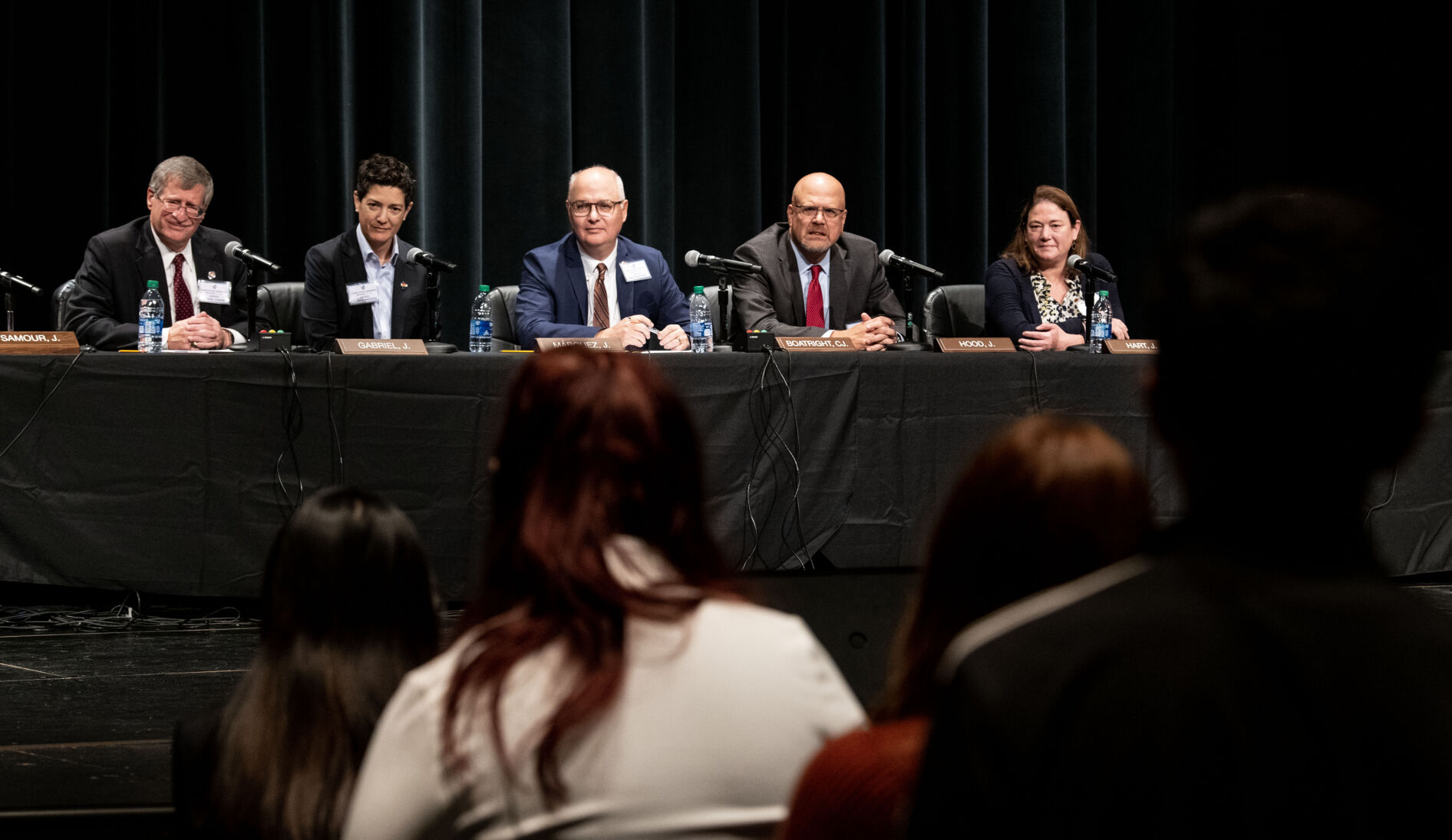
2022 was a seismic year in Colorado politics, boasting a pair of consequential elections that reconfigured coalitions in both parties and extended Democratic dominance, a legislative session that will reshape the state’s efforts to combat the fentanyl epidemic, and major changes to precedent and personnel in the court system.
Here are some of the noteworthy events from the state and federal courts that affected Colorado:
Year of the woman
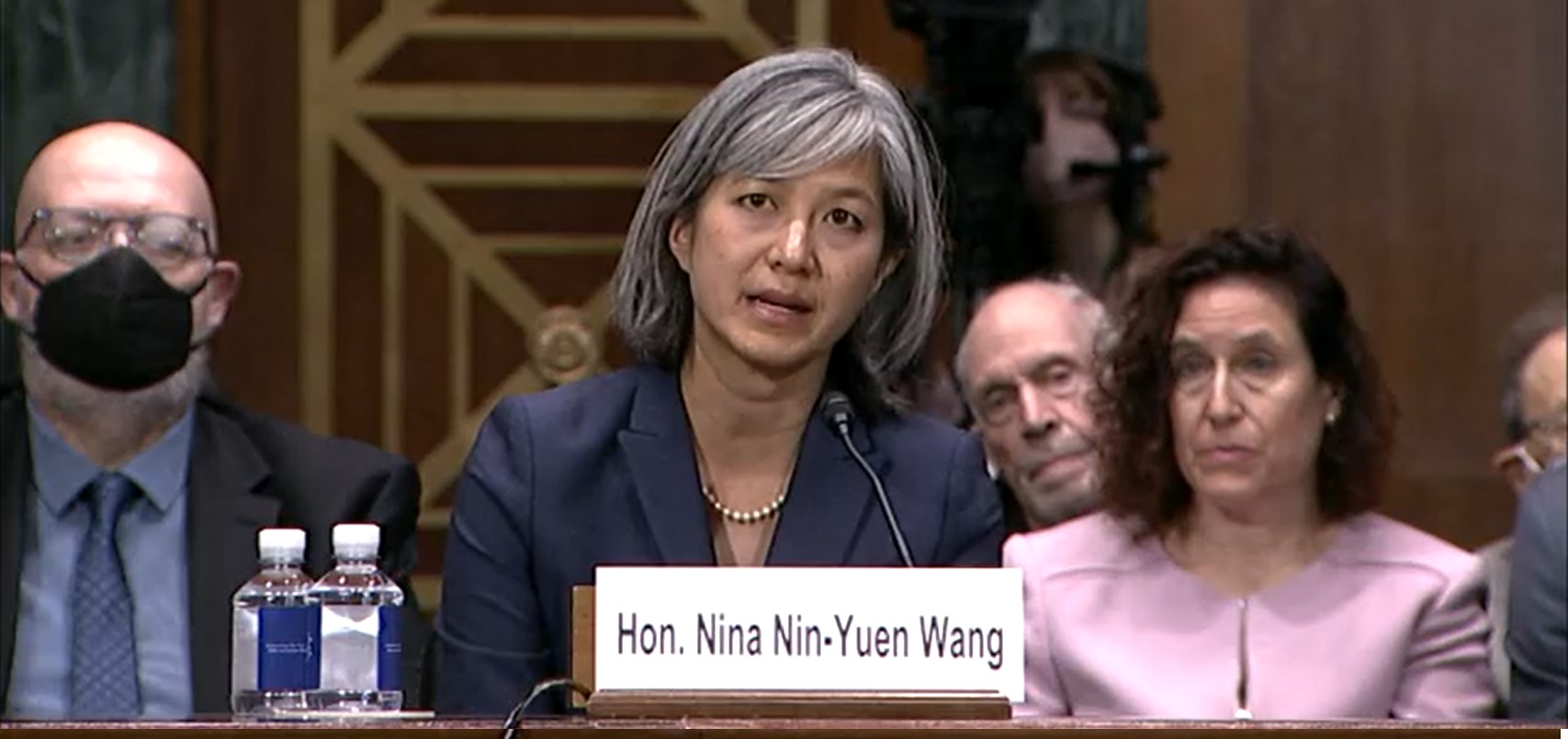
Colorado’s federal trial court has existed since statehood and for nearly all that time, only three women were appointed and confirmed as judges. But after President Joe Biden took office, he doubled that number, installing three more women on the U.S. District Court headquartered in Denver. Two of them took office this year: Charlotte N. Sweeny and Nina Y. Wang.
In addition, the court hired three new magistrate judges, who do not handle the same volume of major decisions as their presidentially-appointed counterparts, but they can and do preside over cases entirely on their own. Again, all three additions are women: Maritza Dominguez Braswell joined this year as the lone federal judge sitting in Colorado Springs, and Susan Prose and Kathryn Starnella will take office in 2023.
10th Circuit comes back, breaks news
The U.S. Court of Appeals for the 10th Circuit is based in Denver and hears appeals in federal cases from Colorado and five neighboring states. Before the COVID-19 pandemic, the court held a biennial conference in Colorado Springs featuring judges and lawyers from across the circuit, and 2022 marked the resumption of the gathering, with some high-profile guests.
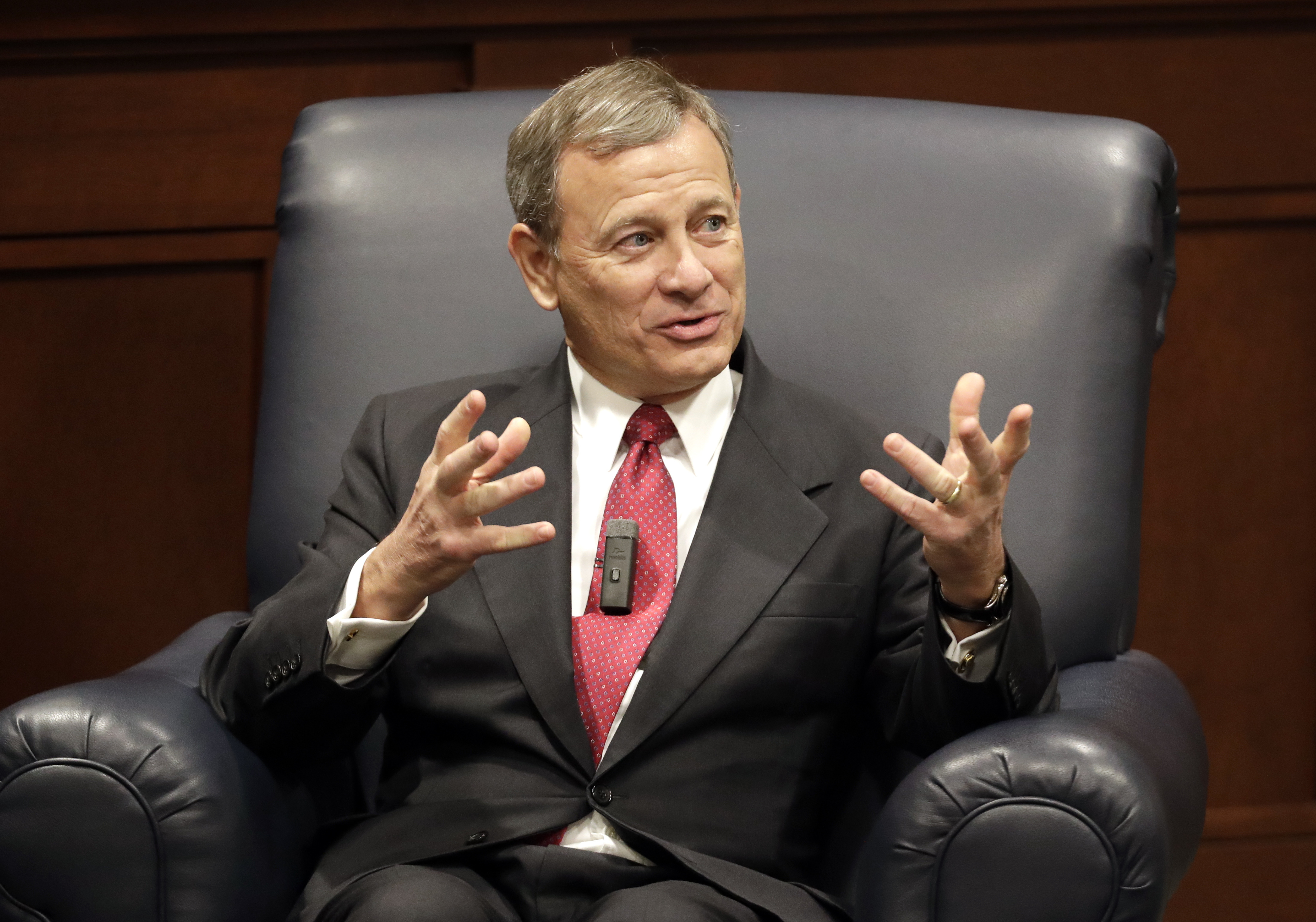
Two members of the U.S. Supreme Court made an appearance: Justice Neil M. Gorsuch and Chief Justice John G. Roberts Jr. Roberts generated national headlines when he opined that the legitimacy of the widely-unpopular Supreme Court should not hinge on “opinions people disagree with.”
Right to record
For years, federal courts elsewhere in the country have recognized the First Amendment protects a person’s right to video record police officers who perform their duties in public. But the 10th Circuit was one of the holdouts that did not clearly establish such a right, meaning officers sued for First Amendment violations were able to escape liability through the doctrine of qualified immunity.
That changed in July, when the 10th Circuit affirmed that not only does the First Amendment guarantee the right to record, but that the right existed at least as early as May 2019.

Reasonable doubt analogies
Colorado’s second-highest court sent a consistent message to trial judges over many years: They should not try to describe the concept of reasonable doubt to jurors using analogies to everyday events, like solving a puzzle or driving a car. But for the most part, the Court of Appeals simply scolded the judges and let the defendants’ convictions stand, finding the analogies were not so erroneous as to diminish the burden of proof required by “beyond a reasonable doubt.”
This year, the Colorado Supreme Court stepped in and actually overturned a conviction based on a trial judge’s plain English explanation of reasonable doubt. As a result, the Court of Appeals reversed several more convictions under the new rubric. All of them happened to be from Adams County, which was, by far, the jurisdiction that generated the most appeals alleging faulty analogies.

Renewed focus on racial bias
During the legislative session, Democratic lawmakers attempted to enact new protocols for rooting out racial bias in jury selection. The state’s 22 elected district attorneys, however, tanked that effort. The legislators then implored the Colorado Supreme Court’s criminal rules committee to take the baton and attempt to curb implicit bias through its own policymaking apparatus.
The committee produced a draft proposal that would revamp the way trial judges decide whether prosecutors are removing people of color from juries based on their race, which the U.S. Supreme Court has deemed unconstitutional. In addition to laying out a new, objective standard for looking at the juror dismissals, there are a list of reasons that are invalid by default for excusing jurors of color because they historically correlate to jurors’ race.
The Supreme Court will hold public comment early next year on the rule change proposal.
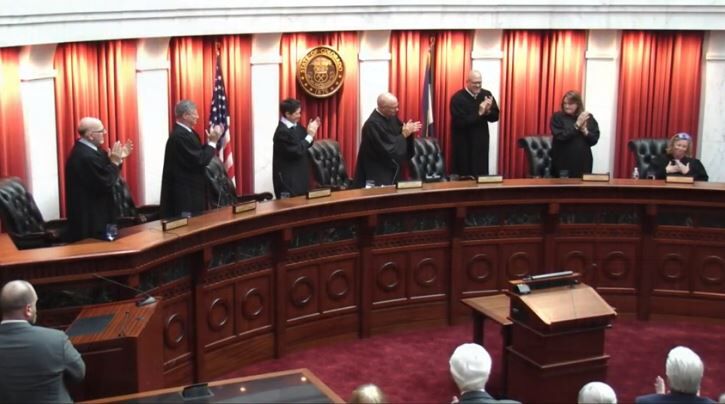
SCOTUS reverberations
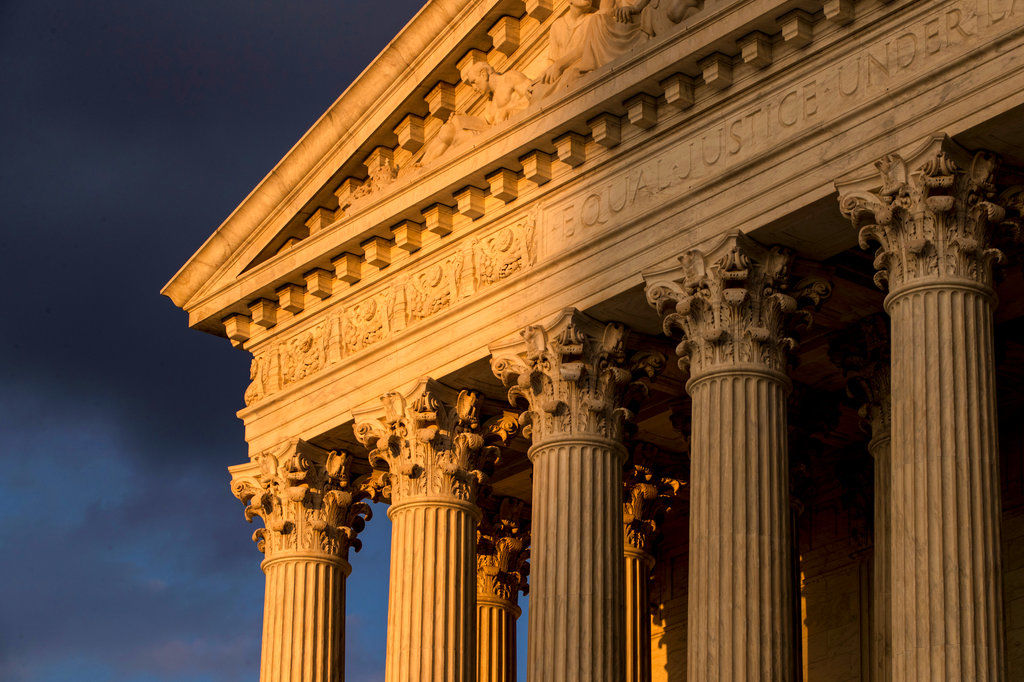
The conservative majority on the U.S. Supreme Court produced several decisions departing from established precedent. The biggest outcry came in the wake of Dobbs v. Jackson Women’s Health Organization, which overturned longstanding federal protections for abortion. Although abortion remains legal in Colorado, the impact from Dobbs manifested in the Democratic sweep across the state in this year’s elections.
But the case with the biggest legal impact locally was New York State Rifle & Pistol Association, Inc. v. Bruen. The ruling makes it easier to strike down gun safety laws as unconstitutional under the Second Amendment, and gun rights proponents quickly filed challenges to state and local regulations in Colorado. Gun ordinances in Boulder County have already been put on hold, and the fate of Colorado’s statewide ban on large-capacity magazines will be litigated next year.
This fall, the Supreme Court also heard a major free speech case out of Colorado, 303 Creative v. Elenis, which could narrow the scope of protections for the LGBTQ population under states’ antidiscrimination laws.


Trump’s judicial nominee orders bond in wave of cases after 10th Circuit rejects government’s position
Michael Karlik
michael.karlik@coloradopolitics.com
Updated 3 days ago
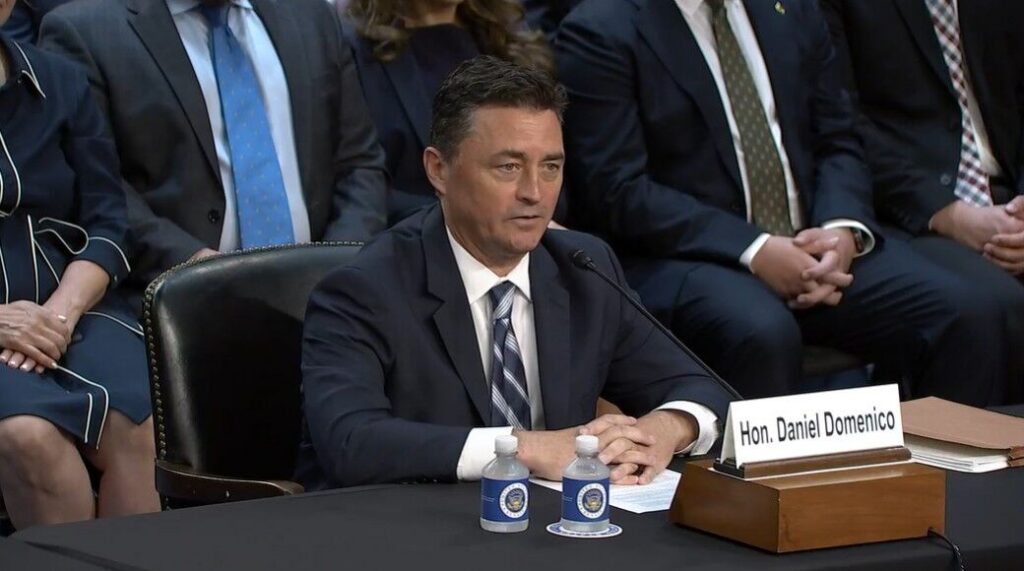
Within 24 hours of the Denver-based federal appeals court rejecting the government’s expansive view of its immigration detention authority, the lone judge in Colorado to embrace that view ordered bond hearings for detainees in at least 20 cases. U.S. District...

10th Circuit agrees Colorado satisfied jury award after intercepting money for restitution
Michael Karlik
michael.karlik@coloradopolitics.com
Updated 3 days ago
The Denver-based federal appeals court agreed last week that Colorado satisfied its obligations by not paying a man directly for violating his rights, but rather crediting the jury’s multimillion-dollar award toward the crime victim restitution he still owed in his...
Colorado justices ponder whether insurer should save company from asbestos suits
Michael Karlik
michael.karlik@coloradopolitics.com
Updated 3 days ago
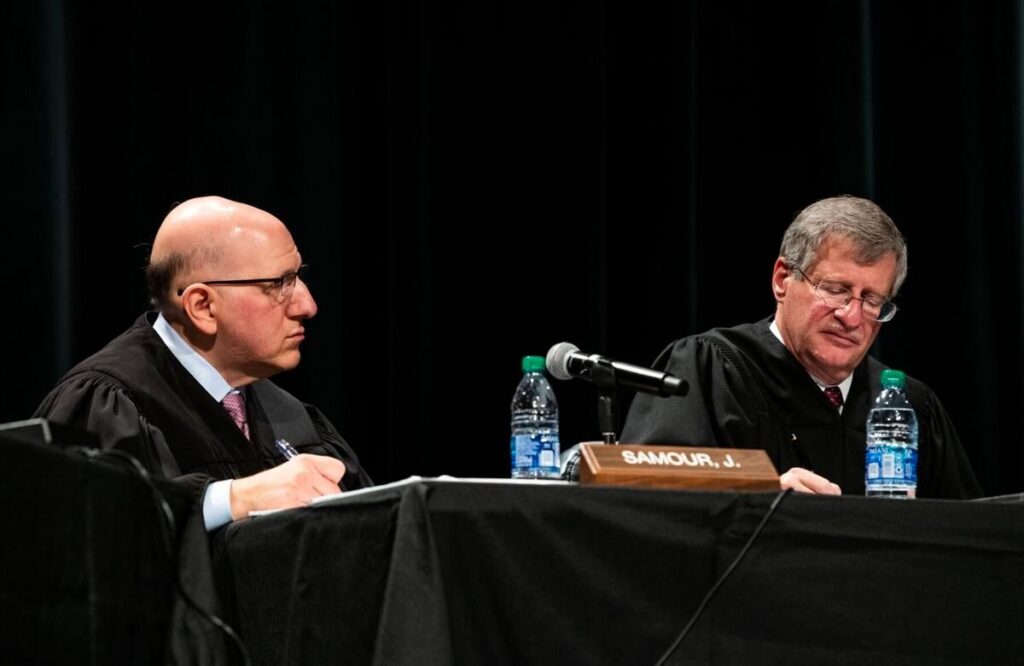
Some members of the Colorado Supreme Court appeared skeptical last week that an insurance policy that reaches beyond the limits and coverage of a company’s other policies must “step down into the shoes” of those policies after they become insolvent....
Colorado justices weigh ‘extreme’ proposals for civil jury trial requests
Michael Karlik
michael.karlik@coloradopolitics.com
Updated 4 days ago
Members of the Colorado Supreme Court grappled last week with two vastly different proposals for evaluating when it is appropriate for a civil litigant to ask for a jury trial, as opposed to a bench trial before a judge. The...
Colorado justices weigh ‘extreme’ proposals for civil jury trial requests
Michael Karlik
michael.karlik@coloradopolitics.com
Updated 4 days ago
Members of the Colorado Supreme Court grappled last week with two vastly different proposals for evaluating when it is appropriate for a civil litigant to ask for a jury trial, as opposed to a bench trial before a judge. The...

10th Circuit reverses perjury conviction, warns prosecutors to watch their questioning
Michael Karlik
michael.karlik@coloradopolitics.com
Updated 4 days ago
The Denver-based federal appeals court reversed a defendant’s perjury conviction last week, warning prosecutors that it is better to follow up on imprecise or unclear answers than to criminally charge a witness for their response. A jury convicted Lori Milliron...
10th Circuit rebuffs government, rules against shift to mandatory immigration detention
Michael Karlik
michael.karlik@coloradopolitics.com
Updated 4 days ago
The Denver-based federal appeals court ruled on Tuesday against the government’s broad assertion of authority to keep people in immigration custody without the opportunity to demonstrate their suitability for release on bond. Although the regional appeals courts have reached different...
Appeals court revives tenants’ lawsuit over landlords’ illegal fee demands
Michael Karlik
michael.karlik@coloradopolitics.com
Updated 5 days ago
Colorado’s second-highest court revived a proposed class-action lawsuit against landlords and other entities last month, concluding that state law did not permit the practice of demanding that tenants pay attorney fees in certain eviction proceedings. In 2021, lawmakers enacted a...
Appeals court reverses Jeffco assault convictions due to omitted jury instruction
Michael Karlik
michael.karlik@coloradopolitics.com
Updated 5 days ago
Colorado’s second-highest court agreed last month that a Jefferson County defendant’s assault convictions could not stand because his jury should have been allowed to consider whether he used force against a bar patron to defend his girlfriend from inappropriate touching....
Colorado Supreme Court tosses man’s lawsuit over daughter’s traffic death
Michael Karlik
michael.karlik@coloradopolitics.com
Updated 4 days ago
The Colorado Supreme Court applied a confusing matrix of conditions and deadlines in state law to conclude on Monday that a man waited too long to sue after his daughter was rendered unconscious and later died from a vehicle accident....
PREV
PREVIOUS

Quotes of the year | 2022 IN REVIEW
2022 was a seismic year in Colorado politics, boasting a pair of consequential elections that reshaped coalitions in both parties and extended Democratic dominance, a legislative session that advocates say will reshape the state’s efforts to combat the fentanyl epidemic, and plenty of weird, wacky or wonderful moments in between. Here are some of the […]

Insurance companies asked to extend coverage for Marshall fire victims
Insurance companies with clients who lost homes in the Marshall fire had until Friday, the one-year anniversary of Colorado’s most destructive fire, to let Colorado’s Division of Insurance know if they’re going to extend coverage of those clients’ additional living expenses to 24 months. Commissioner Michael Conway sent the companies notice in early December. Superior […]