

Lawsuit looms over rare tiny fish threatened by groundwater pumping | OUT WEST ROUNDUP
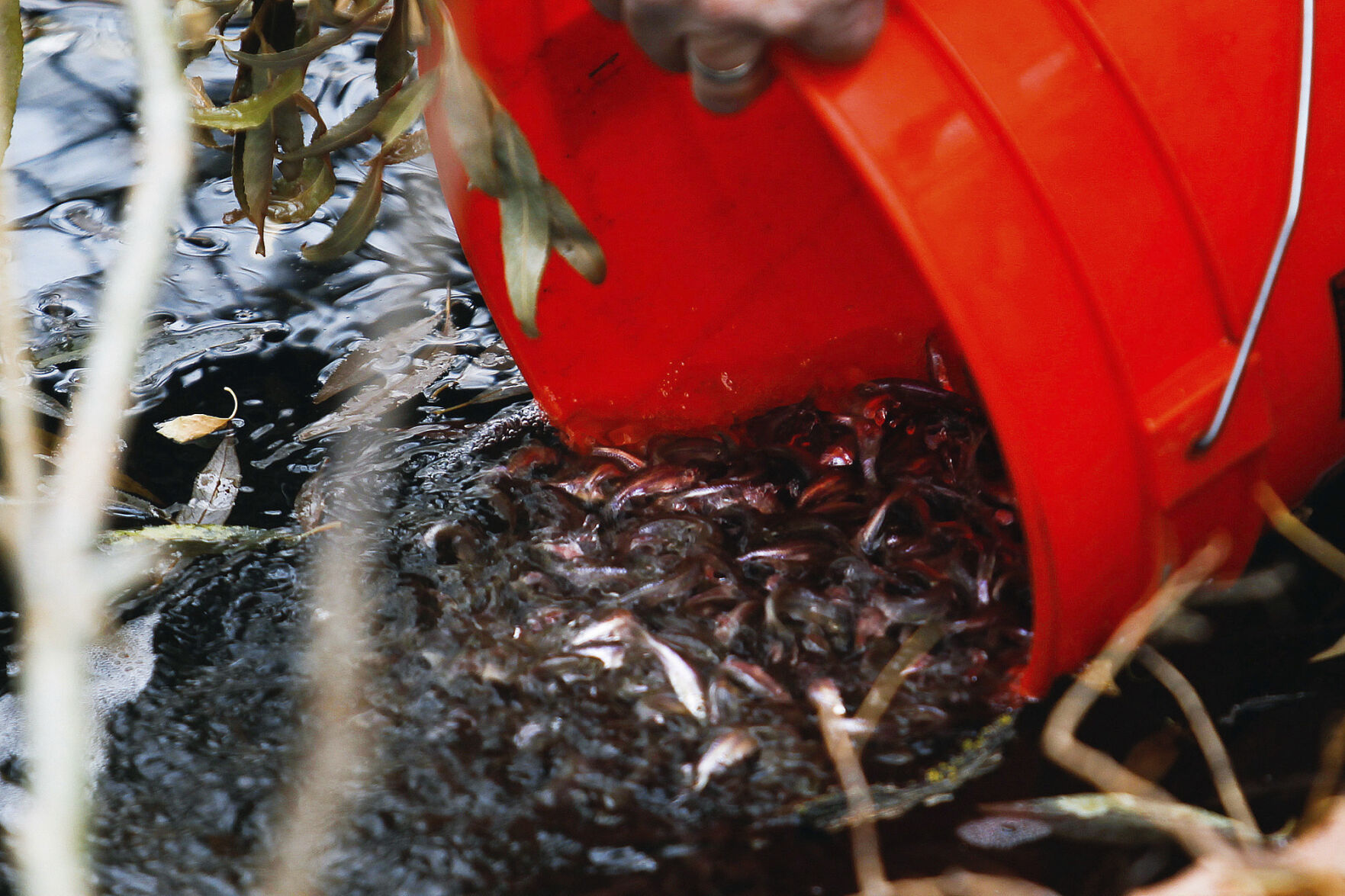
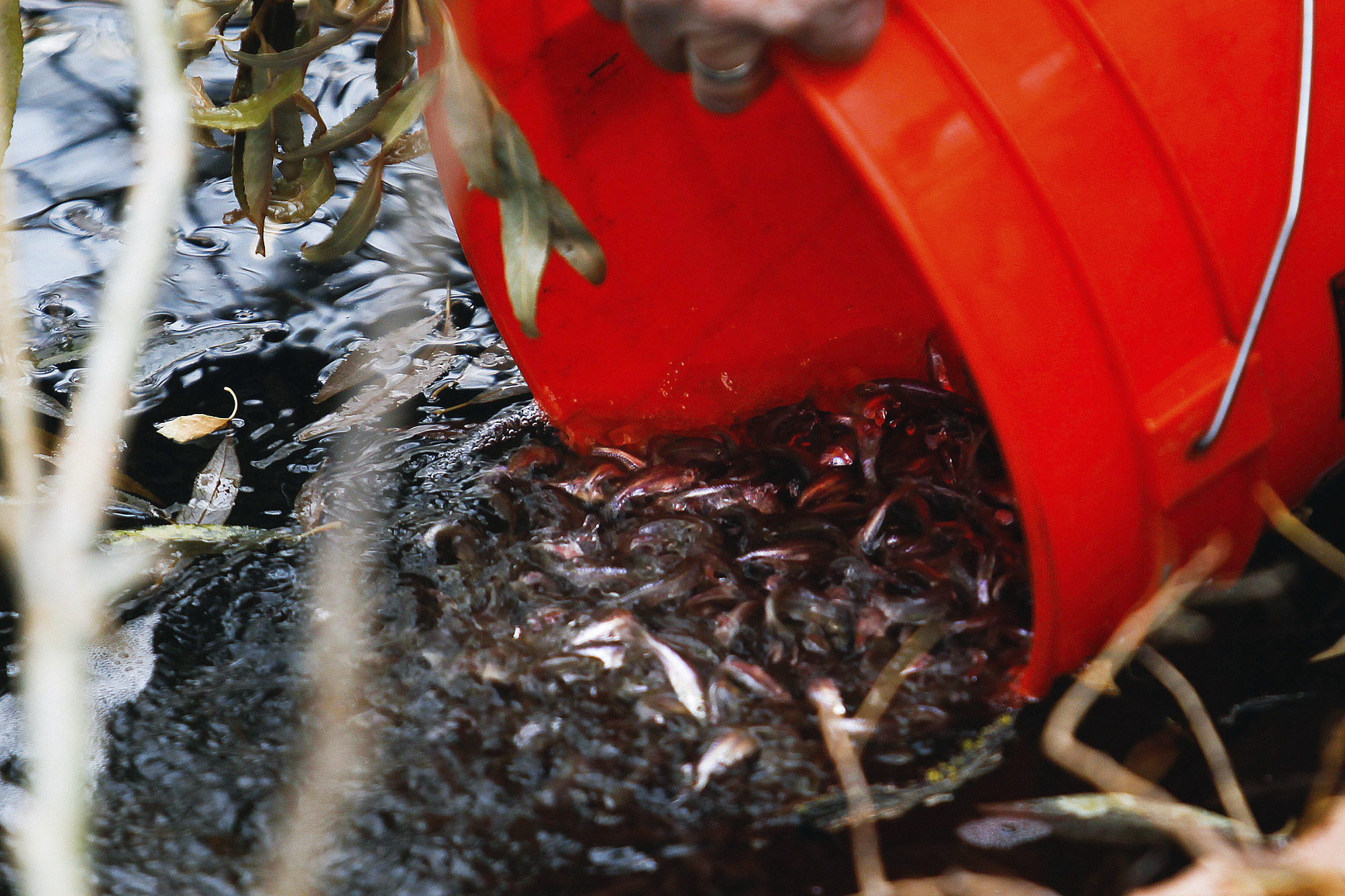
Lawsuit looms over tiny rare fish in drought-stricken West
RENO, Nev. – Conservationists have notified U.S. wildlife officials that they will sue over delinquent decisions related to protections for two rare fish species that are threatened by groundwater pumping in the drought-stricken West.
The Center for Biological Diversity sent a formal notice of intent to sue the Fish and Wildlife Service over the Fish Lake Valley tui chub near the California-Nevada line and the least chub in southwest Utah.
The group seeking federal listings under the Endangered Species Act says the high-desert springs where the minnows live are threatened by water allocations for traditional agricultural use as well as urban development plans.
The Fish and Wildlife Service belatedly concluded in August there was enough evidence the tui chub in Nevada was at risk of extinction – primarily due to over-pumping of water for farms and ranches – to warrant a yearlong review to determine if it should be listed.
The only place in the world that the 5-inch-long, olive-colored tui chub still exists is in a basin in Esmeralda County between Reno and Las Vegas.
Lake Valley’s groundwater levels have declined as much as 2.5 feet per year over the past half-century, causing a cumulative drawdown of more than 75 feet since 1973, the listing petition said.
Officials from Utah’s Central Iron County Water Conservancy District want to spend roughly $260 million to lay about 70 miles of buried pipes to transport water from an aquifer below the Pine Valley, an undeveloped, rural swath north of the district’s population center in Cedar City. They say limits on their local groundwater supply and an influx of new residents require they diversify their water supply to prepare for the future.
NEBRASKA
Bird flu prompts slaughter of 1.8M chickens
OMAHA – Nebraska agriculture officials say another 1.8 million chickens must be killed after bird flu was found on a farm in the latest sign that the outbreak that has already prompted the slaughter of more than 50 million birds nationwide continues to spread.
The Nebraska Department of Agriculture said on Nov. 26 that the state’s 13th case of bird flu was found on an egg-laying farm in northeast Nebraska’s Dixon County, about 120 miles north of Omaha.
Just like on other farms where bird flu has been found this year, all the chickens on the Nebraska farm will be killed to limit the spread of the disease. The U.S. Department of Agriculture says more than 52.3 million birds in 46 states – mostly chickens and turkeys on commercial farms – have been slaughtered as part of this year’s outbreak.
Nebraska is second only to Iowa’s 15.5 million birds killed with 6.8 million birds now affected at 13 farms.
In most past bird flu outbreaks the virus largely died off during the summer, but this year’s version found a way to linger and started to make a resurgence this fall with more than 6 million birds killed in September.
The virus is primarily spread by wild birds as they migrate across the country. Wild birds can often carry the disease without showing symptoms. The virus spreads through droppings or the nasal discharge of an infected bird, which can contaminate dust and soil.
Commercial farms have taken a number of steps to prevent the virus from infecting their flocks, including requiring workers to change clothes before entering barns and sanitizing trucks as they enter the farm, but the disease can be difficult to control. Zoos have also taken precautions and closed some exhibits to protect their birds.
NEW MEXICO
State marks progress with oil well plugging program
ALBUQUERQUE – New Mexico land managers say more than 130 abandoned oil and natural gas wells have been plugged on state trust lands as part of an enforcement program that began two years ago.
Land Commissioner Stephanie Garcia Richard announced the progress on Oct. 27, saying the savings to taxpayers are significant. She said plugging wells can cost anywhere from $50,000 to more than double that depending on the site.
New Mexico is among the top oil producing states in the U.S., second only to Texas.
Enforcement by the State Land Office comes as New Mexico and other western states look to tap a new wave of federal funding to address the widespread problem of abandoned wells. Earlier this year, the federal government made available grants through the infrastructure spending package so states could plug and remediate orphaned wells.
New Mexico was awarded $25 million and has plans to cap 200 wells that are considered as high priorities.
Officials estimate there are about 1,700 orphaned and abandoned wells on state and private land across New Mexico.
Garcia Richard pointed to research done by a New Mexico consulting company that showed reclamation work related to abandoned wells could generate thousands of jobs and result in millions of dollars in state revenue from wages and taxes.
National UFO Historical Records Center coming to Albuquerque
ROSWELL – A group of historians and archivists have announced plans to open a new national archive in the Albuquerque area focusing on unidentified aerial phenomenon. Led by author and researcher David Marler, the National UFO Historical Records Center will establish the largest historical archive dedicated to the preservation and centralization of UFO/UAP information in the United States.
At a presentation announcing the new archive during International UFO Congress in Phoenix on Oct. 14, Marler said it “demonstrates that there’s a rich, diverse history of this UFO phenomenon wherever you look.”
The archive is set to include official and civilian case files, audio and video recordings, correspondence, photographs, books, magazines, news clippings, research notes, microfilm, along with and digital and physical artifacts. Documents from the National Investigations Committee on Aerial Phenomena (NICAP), the Center for UFO Studies (CUFOS) and J. Allen Hynek’s personal Project Blue Book files.
In a press release, the organization stated, “Our mission is to collect, preserve, and provide historical UFO materials to the general public and interested parties. With the accumulated data, we hope to assist with serious research endeavors and aid in an accurate chronicling of UFO/UAP history for present and future generations regardless of belief or non-belief in the subject.”
Marler said the group wants to base the center in Albuquerque because of New Mexico’s affiliation with the subject.
ARIZONA
Grand Canyon park changes campground name that haunted tribe
GRAND CANYON NATIONAL PARK – For years, the Indian Garden name assigned to a popular Grand Canyon campground has been a painful reminder for a Native American tribe that was displaced by the national park.
Now, the name will finally be changed.
The Havasupai Tribe and Grand Canyon National Park announced on Nov. 21 that Indian Garden will be renamed Havasupai Gardens.
The U.S. Board on Geographic Names gave unanimous approval to the request from the National Park Service on behalf of the tribe, known internationally for the towering blue-green waterfalls on its reservation.
The area, about 4½ miles down the popular Bright Angel Trail on the South Rim, originally was called Ha’a Gyoh by the tribe. But by 1928, the park service had forcibly removed the last Havasupai resident from the inner canyon where his family had farmed for generations to make way for trails and a ranger station.
The park service later built a handful of small cabins for tribal members on the South Rim. The Havasupai reservation lies deep in a gorge off the Grand Canyon and is accessible only by mule, foot or helicopter.
Grand Canyon Superintendent Ed Keable called the renaming “a measure of respect for the undue hardship imposed by the park on the Havasupai people.”

Battle lines drawn as Colorado considers decriminalizing prostitution
Marissa Ventrelli
marissa.ventrelli@coloradopolitics.com
Updated 11 hours ago
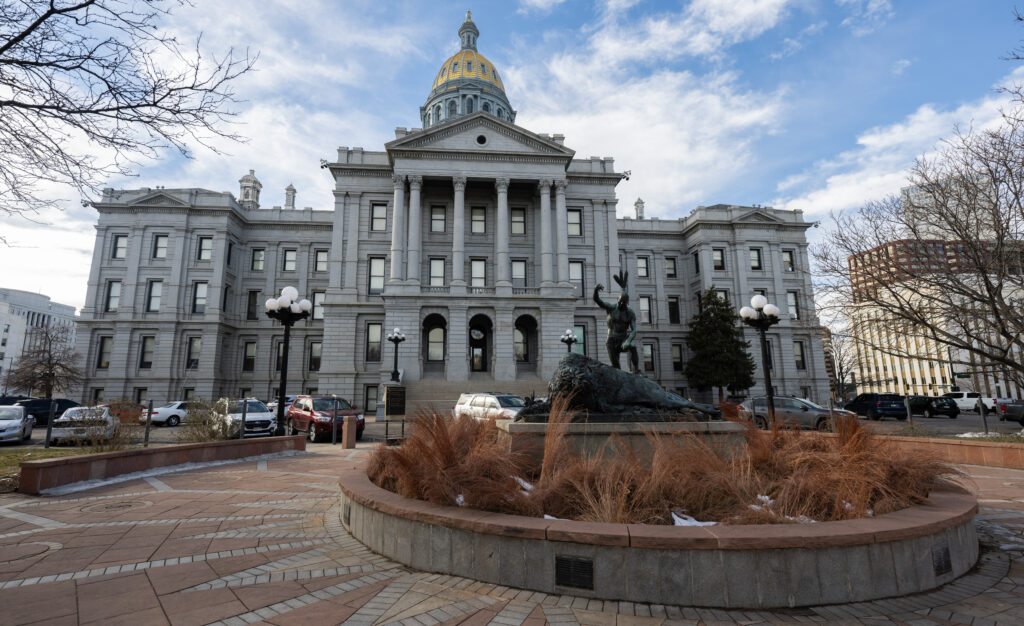
Battle lines have begun to form at the Colorado state Capitol, where legislators are preparing to tackle a proposal to decriminalize prostitution statewide. Proponents said the proposal — which would eliminate the offense of soliciting for prostitution and the prohibition...
Colorado, some Coloradans make appearances in the Epstein Files
RACHAEL WRIGHT Special to The Gazette
rachael-wright-special-to-the-gazette@coloradopolitics.com
Updated 55 minutes ago
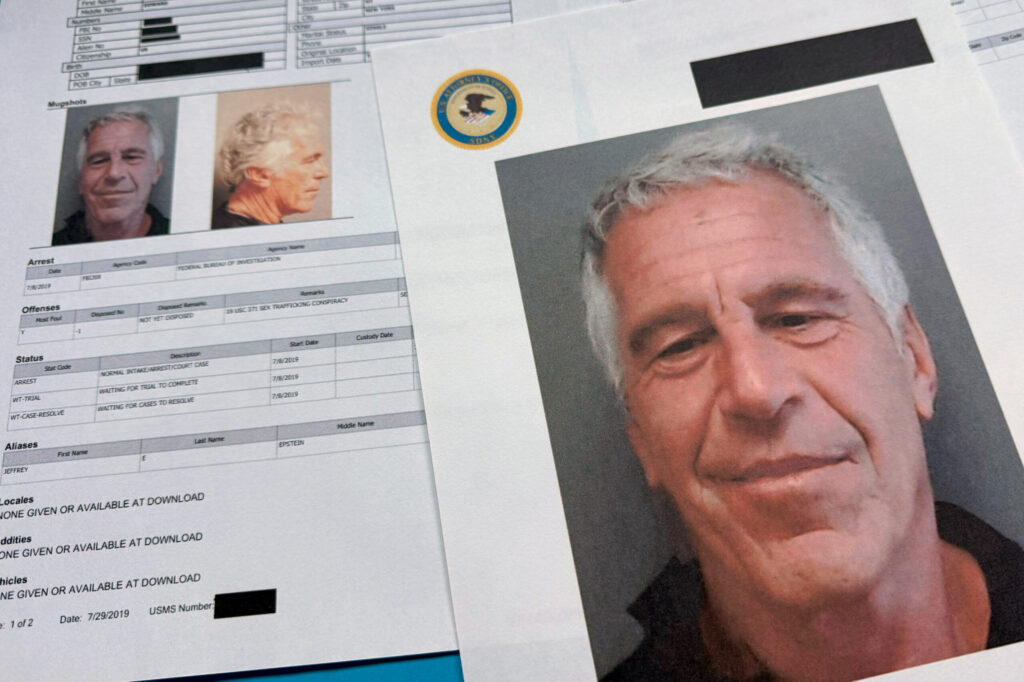
With the U.S. Department of Justice’s release of 3 million more files pertaining to convicted sex felon Jeffrey Epstein, multiple written mentions of alleged connections to Colorado towns and business owners have come to light. A word search of the documents for “Colorado” generates 1,485 hits, with inquiries for cities including Denver and Aspen generating several thousands more. Chad...
New Mexico launches ‘truth commission’ investigation into Jeffrey Epstein’s ranch | OUT WEST ROUNDUP
The Associated Press
the-associated-press@coloradopolitics.com
Updated 5 days ago
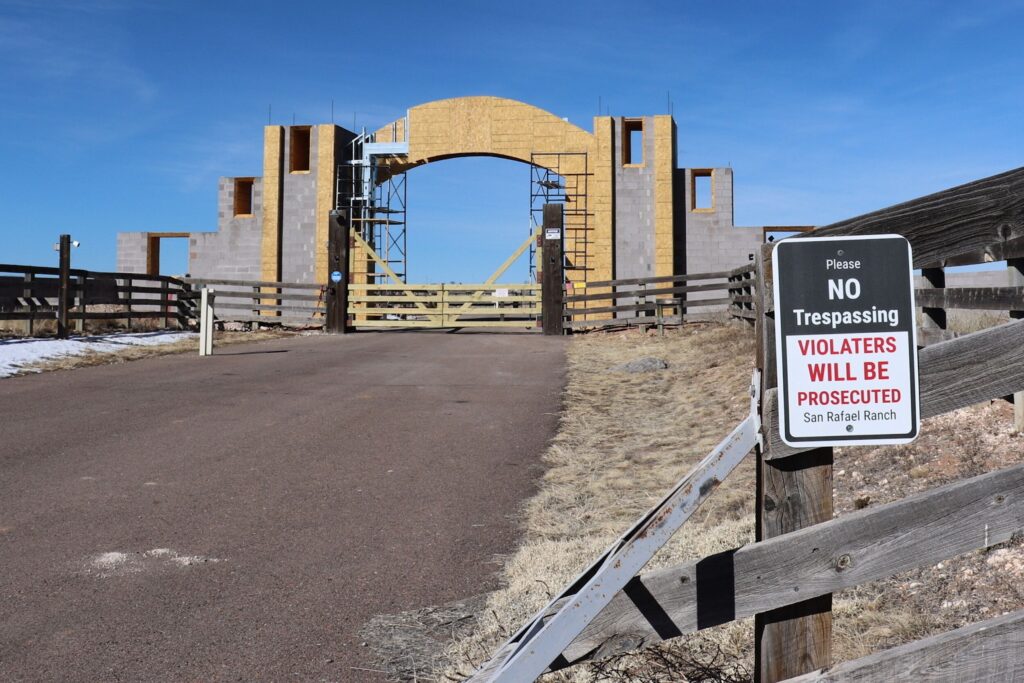
NEW MEXICO State investigates Epstein’s ranch SANTA FE — State legislators in New Mexico launched an investigation on Feb. 17 into past activity at a secluded desert ranch where financier and sex offender Jeffrey Epstein once entertained guests and whether...

Colorado’s federal judges maintain approach to immigration detentions while escalating warnings
Michael Karlik
michael.karlik@coloradopolitics.com
Updated 1 day ago
Colorado’s federal judges are maintaining their view that the government’s assertion of broad immigration detention authority is unlawful, casting aside a recent appellate decision to the contrary as “unpersuasive” and out of step with the predominant interpretation by the judiciary....

In a meeting Colorado GOP chair Brita Horn calls ‘illegal,’ Republicans vote to demand her resignation
Ernest Luning
ernest.luning@coloradopolitics.com
Updated 2 days ago
Roughly half the membership of the Colorado Republican Party’s state central committee on Saturday voted overwhelmingly to approve a resolution expressing “no confidence” in state GOP Chairman Brita Horn’s leadership and calling for her immediate resignation in an online meeting...

Colorado Medicaid probe uncovers millions of dollars in alleged transport fraud ring
Nico Brambila
nico.brambila@denvergazette.com
Updated 2 days ago
Colorado Medicaid officials detected $25 million in abnormal billing over just four months two years ago — a surge that prompted a new state law and the suspension of dozens of providers in what authorities now describe as an organized...

One small step for dialing back the partisanship | SONDERMANN
Eric Sondermann
eric-sondermann@coloradopolitics.com
Updated 4 days ago
Much ink, including a good deal of my own, has been spilled on the excesses of super-charged, toxic partisanship in this current era. Except for true believers along with those who profit from this all-consuming poison, there is broad agreement...
Greeley voters to decide fate of project that includes minor league hockey arena
Hap Fry, Special to The Gazette
hap-fry@gazette.com
Updated 15 hours ago
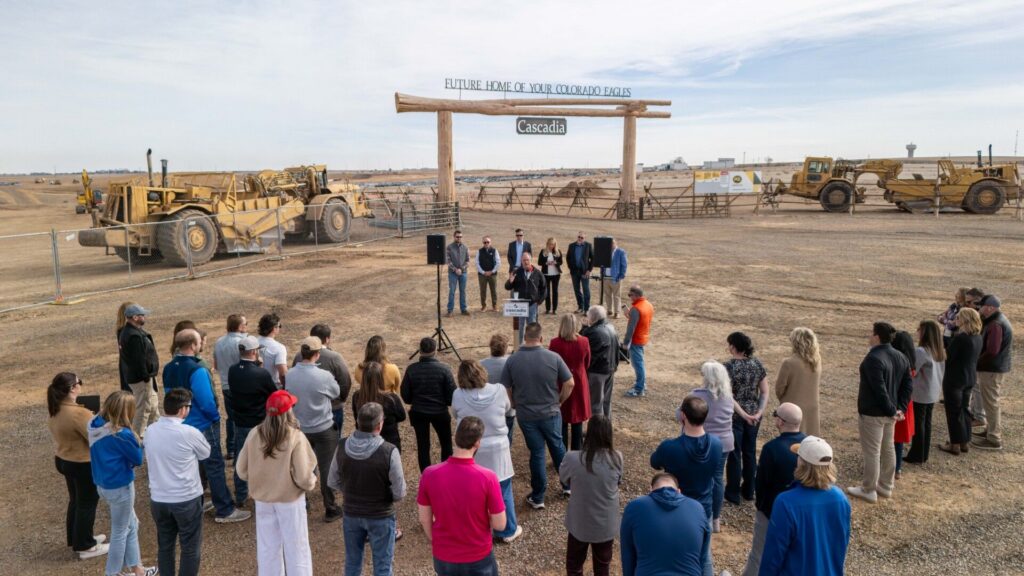
GREELEY • The fate of the Cascadia development — and quite possibly the future direction of the city — is in the hands of Greeley voters this Tuesday during a special city election on whether the landscape-altering project should be...

Colorado Politics Calendar Feb. 23-Mar. 1
Rachael Wright, Special to Colorado Politics
rachael.wright@coloradopolitics.com
Updated 5 days ago
CoPo’s weekly political calendar helps you find political and public policy events throughout Colorado. It includes candidate and issue campaign events, public policy meetings, court hearings, state and local party conventions, assemblies, debates, rallies, parades, speaking engagements, traveling dignitary appearances,...
Meeker rancher leads one of Colorado’s earliest attempts to transfer federal lands | A LOOK BACK
Rachael Wright, Special to Colorado Politics
rachael.wright@coloradopolitics.com
Updated 4 days ago
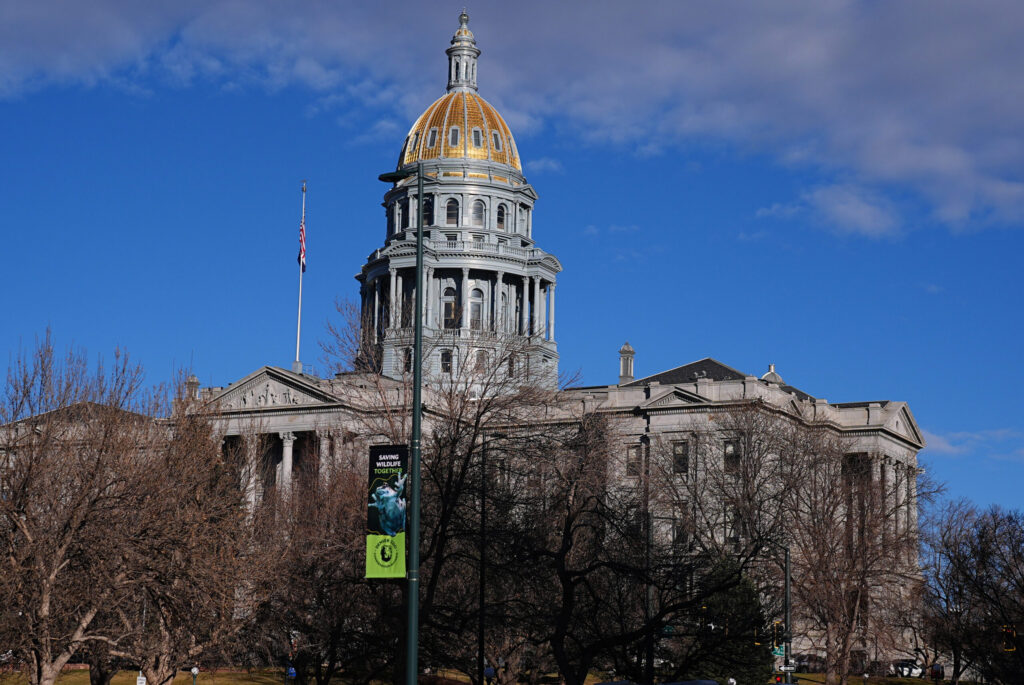
Forty-Five Years Ago This Week: Former state Rep. Nick Theos, R-Meeker, was one of several people testifying before the Senate Agriculture Committee on Senate Bill 81-170, which would transfer ownership of public lands from the federal government to state control....
PREV
PREVIOUS

Space Command relocation decision imminent, commanding general says
The long-awaited decision on the final location of U.S. Space Command is coming soon, according to a report from Military.com. Gen. James Dickinson, commander of U.S. Space Command, told the online publication last week that a final determination on whether command headquarters will remain in Colorado Springs or be uprooted to Huntsville, Ala., is imminent. […]

Organizer of largest Club Q GoFundMe says 100% of donations will go to survivors, victims
A GoFundMe account set up for Club Q victims by Denver business owner Faith Haug had topped $837,000 by mid-weekend, and on Sunday Haug announced a “significant update” about how the funds are being managed and distributed, thanks to a new partnership with a national nonprofit. The largest GoFundMe effort for victims of the Nov. […]