

Anderson, Griswold clash over postcard pitching voter registration to 30,000 noncitizens
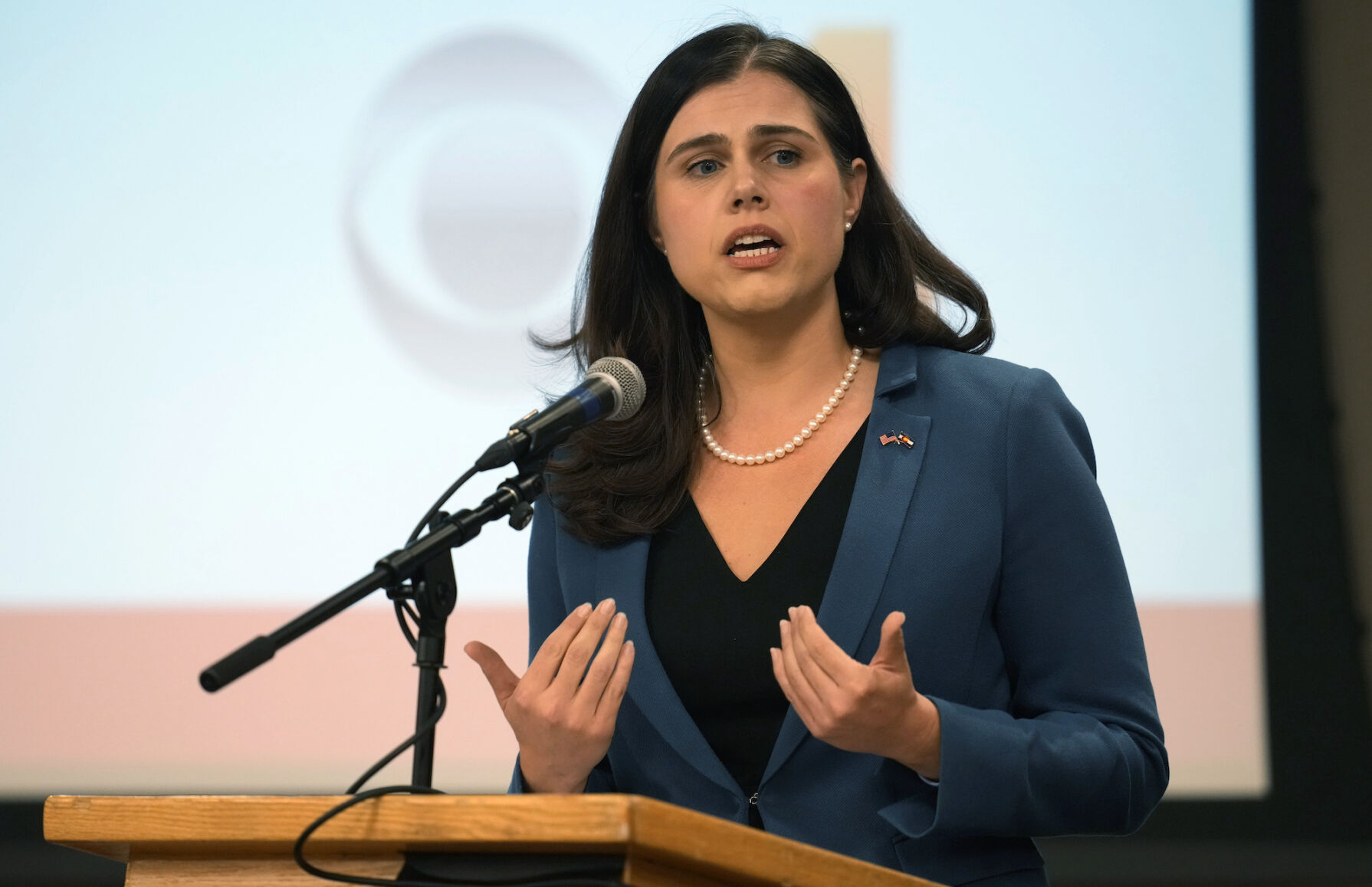
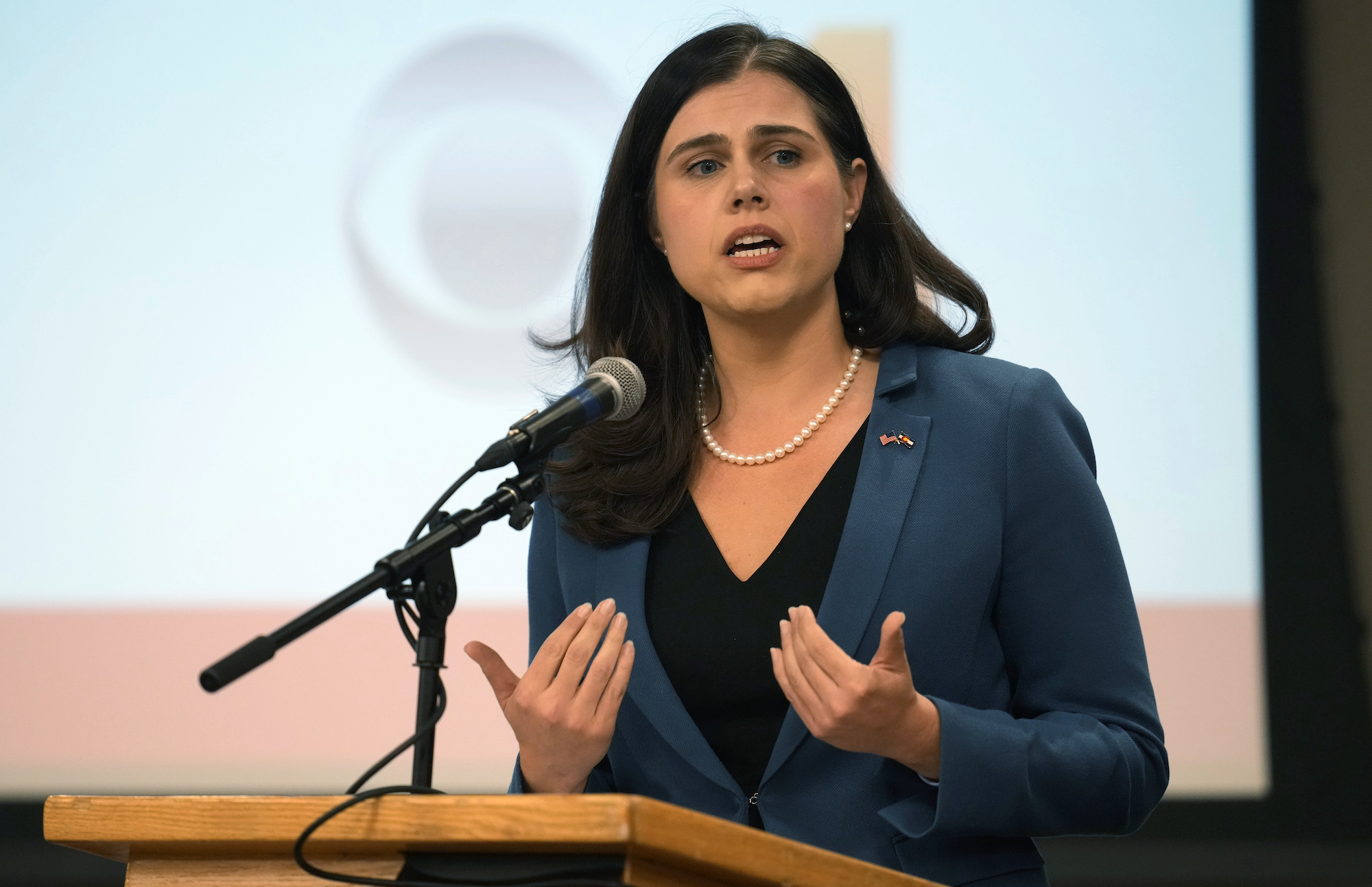
Sparks flew Tuesday night during a debate between Colorado secretary of state candidates Jena Griswold, the Democratic incumbent, and Pam Anderson, her Republican challenger, over a postcard Griswold’s office mistakenly sent two weeks earlier to 30,000 noncitizen residents encouraging them to register to vote.
Citing a similar mailing sent two years ago by Griswold’s office that also went to some ineligible voters, including multiple former Colorado residents who were long dead, Anderson said, “I think making the same error again points to a management problem points to a lack of leadership.”
Saying the mistake resulted from a “data glitch,” Griswold asserted that none of the ineligible recipients of the mailing has registered to vote and stressed that the state’s voter registration system is set up to block completing the process.
“To be very clear – this is a notice of the qualifications to register to vote,” Griswold said. “It’s not a ballot. It’s not a voter registration. We have protocol on top of protocol to make sure that only eligible people are registered.”
Griswold said that, as soon as officials discovered the error, her office sent a second postcard to those who shouldn’t have received the first, reminding them that only U.S. citizens are eligible to register to vote in Colorado.
Federal law – and the laws of all 50 states – prohibit individuals who are not American citizens from voting in elections, although some towns allow them to vote in local elections. The penalties are severe, including fines, imprisonment and potential deportation. By most accounts, cases of noncitizen voting in elections are rare, although some insist America’s election system is vulnerable to them.
The errant mailing was among the topics at a debate held on the University of Denver campus.
During the debate, Griswold tried to downplay the incident by noting that some mailings to potentially unregistered voters were also sent in error to some ineligible recipients under her Republican predecessors. She complained that those mishaps didn’t fuel the same furor and blamed former President Donald Trump for the current charged atmosphere.
“It was a data glitch, and I believe this has happened in prior administrations,” Griswold said. “But now we’re in such a hot political atmosphere that data glitches can fuel major disinformation. I think if we were in a different political atmosphere, this probably wouldn’t get the coverage that it does, but to be very clear, the atmosphere we’re in right now is because the former president of the United States tried to steal the presidency, and has continued to push out major disinformation. So, I’ll always be transparent, we’ll always make sure that if we see a problem, that we’re going to fix it, but I think we should be really clear on why there’s so much focus.”
She added that Anderson encountered a similar problem shortly after taking office as Jefferson County clerk in 2007, when a vendor mistakenly sent notices to 22,000 of the suburban county’s residents, telling them they hadn’t voted in the last election, even though they had.
Anderson, who headed the Colorado County Clerks Association after serving two terms as a county clerk, said she empathized with Griswold “because I think this job is hard,” but insisted that the flub points to her opponent’s job running the office, which oversees state elections.
She maintained that she took full responsibility for the mistake in Jefferson County when she was overseeing elections there.
“When I made a mistake, I stood up in front of the special district board with my staff. I didn’t use them as a shield for my political career,” Anderson said. “I took accountability for it. And that’s what leadership is. You stand up when it’s easy and hard. And that’s what I’ll do as your next secretary of state.”
“Here’s my question,” Anderson added. “When you sent that postcard original postcard – tens of thousands – did it have your name on it? When you sent the mistake postcard, did it have your name on it? Because if it’s ‘yes’ to the first one and ‘no’ to the second one, it means that you don’t have accountability – you’re just a politician.”
“Make sure your voice is heard this November,” blares a colorful graphic on one side of the postcard sent to more than 50,000 Colorado addresses in late September.
“Register to VOTE today at www.GoVoteColorado.gov,” the card continues, along with a link to the Spanish-language version of the state’s voter registration site, followed by “A message from Colorado Secretary of State Jena Griswold.”
In a block of smaller type on the other side, the card said: “Our records indicate you or a member of your household may be eligible to vote, but do not appear to be registered at your current address.”
The mailer goes on to list voter eligibility requirements, including being 18 years old by Election Day, a United States citizen and a Colorado resident for at least 22 days before the next election.
The second mailer just lists the GoVoteColorado.gov website address under the official state seal in a full-color graphic on one side.
On the other side, in English and Spanish, it reads: “Our records indicate that you may have incorrectly received a postcard indicating that you may be eligible to register to vote. However, if you are not a U.S. citizen that postcard should not have been sent to you. Please disregard that mailing. Please also understand that it is illegal to register to vote if you are not eligible,” followed by the list of requirements.
A spokeswoman for Griswold’s office said the initial mailing cost $22,950 and the second mailing – to notify recipients they might have received the first in error – is expected to cost close to $14,000.
Griswold’s office said last week that the error resulted from differences in formatting between two databases – one provided by the Electronic Registration Information Center, a national, nonpartisan group known as ERIC, which helps its 31 member states improve voter rolls, and the Colorado Department of Revenue’s list of residents issued driver’s licenses, which includes people who hold special licenses issued by the state to noncitizens.
Under Colorado’s contract with ERIC, the Secretary of State’s Office is required to send notices to people identified by the organization as potentially eligible voters but first culls the list by removing people who have died, are incarcerated for a felony or are noncitizens.
This year, that comparison failed to kick out the roughly 30,000 ineligible noncitizens who didn’t list a middle name in the list of driver’s license holders, and no one caught the error before the mailing went out, Griswold’s office said.


Legislature overrules state Supreme Court decisions, federal judges contend with violations of orders | COURT CRAWL
Michael Karlik
michael.karlik@coloradopolitics.com
Updated 12 hours ago
Welcome to Court Crawl, Colorado Politics’ roundup of news from the third branch of government. The Colorado legislature overruled two recent state Supreme Court decisions in this year’s session, plus federal judges are addressing the government’s violations of their orders...
Appeals court reinstates murder case despite ex-DA Linda Stanley’s conduct
Michael Karlik
michael.karlik@coloradopolitics.com
Updated 8 hours ago
Colorado’s second-highest court reinstated the murder and child abuse charges on Thursday against a Fremont County defendant, reasoning that the former district attorney’s misconduct did not warrant dismissal of the charges. A judge previously dismissed the criminal case against defendant...
Tapped: Douglas County looks to diversify water supply as population grows
Nicholas Fogleman
nicholas.fogleman@denvergazette.com
Updated 15 hours ago
Editor’s Note: The Denver metro region sits at the center of one of the American West’s most complex and consequential water challenges. This series examines the interconnected systems that determine how the region secures, stores, and conserves its water —...
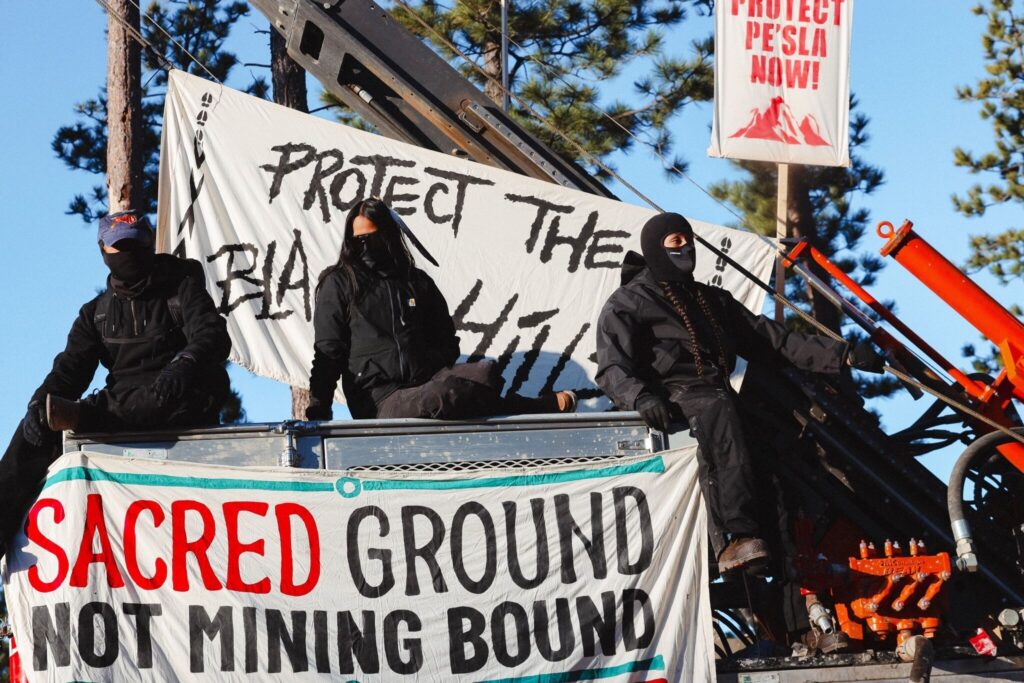
Tribes sue to halt exploratory drilling in Black Hills near sacred ceremonial site | OUT WEST ROUNDUP
Ernest Luning
ernest.luning@coloradopolitics.com
Updated 5 days ago
SOUTH DAKOTA Tribes sue to halt drilling SIOUX FALLS — Nine Native American tribes in South Dakota, North Dakota and Nebraska are suing the federal government in a bid to stop exploratory drilling for graphite near a sacred site in...
Tapped: Is water a problem for data centers in Colorado?
Deborah Grigsby
deborah.smith@denvergazette.com
Updated 15 hours ago
Editor‘s Note: The Denver metro region sits at the center of one of the American West’s most complex and consequential water challenges. This series examines the interconnected systems that determine how the region secures, stores, and conserves its water while...
TAPPED: Front Range residents face higher water rates, restrictions as rapid snowmelt threatens supplies
Kyla Pearce
kyla.pearce@gazette.com
Updated 2 days ago
Tapped: The Denver metro region sits at the center of one of the American West’s most complex and consequential water challenges. This series examines the interconnected systems that determine how the region secures, stores, and conserves its water while navigating...
TAPPED: Front Range residents face higher water rates, restrictions as rapid snowmelt threatens supplies
Kyla Pearce
kyla.pearce@gazette.com
Updated 2 days ago
Tapped: The Denver metro region sits at the center of one of the American West’s most complex and consequential water challenges. This series examines the interconnected systems that determine how the region secures, stores, and conserves its water while navigating...
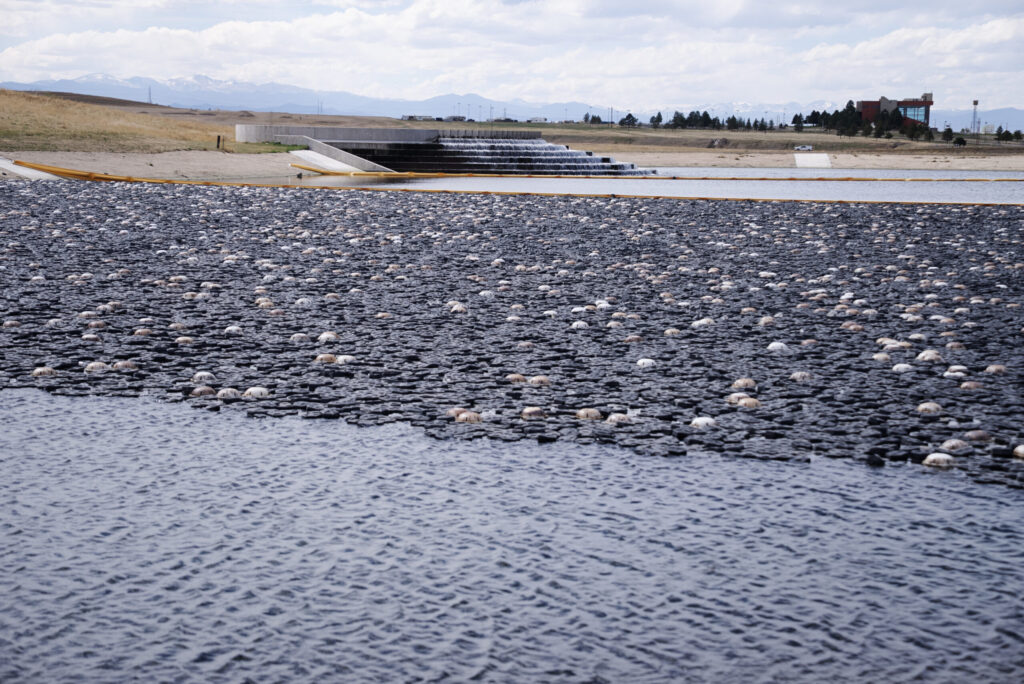
Tapped: Aurora cracks down on water use as reservoirs fall, runoff shrinks
Kyla Pearce
kyla.pearce@gazette.com
Updated 15 hours ago
Editor’s note: The Denver metro region sits at the center of one of the American West’s most complex and consequential water challenges. This series examines the interconnected systems that determine how the region secures, stores, and conserves its water while...
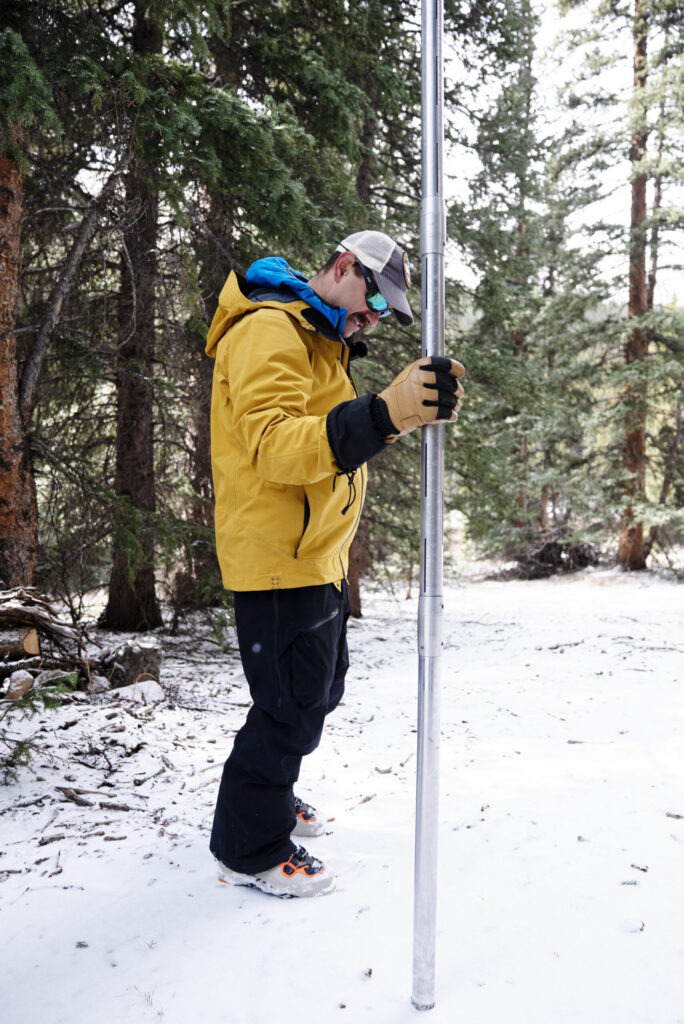
Tapped: Colorado River overallocation collides with record drought conditions
Nico Brambila
nico.brambila@denvergazette.com
Updated 15 hours ago
Editor’s Note: The Denver metro region sits at the center of one of the American West’s most complex and consequential water challenges. This series examines the interconnected systems that determine how the region secures, stores and conserves its water while...
TAPPED: Front Range residents face higher water rates, restrictions as rapid snowmelt threatens supplies
Kyla Pearce
kyla.pearce@gazette.com
Updated 2 days ago
Tapped: The Denver metro region sits at the center of one of the American West’s most complex and consequential water challenges. This series examines the interconnected systems that determine how the region secures, stores, and conserves its water while navigating...
PREV
PREVIOUS

Biden makes Colorado’s Camp Hale first national monument of his presidency
Joined by two surviving members of a division that specialized in fighting in mountainous conditions during World War II, President Joe Biden designated Camp Hale as an official national monument – the first new monument of his presidency. Located near Leadville, Camp Hale is where the 10th Mountain Division trained for mountain and winter warfare during […]

Gazette to cohost governor's debate Oct. 16 in Colorado Springs
The race for governor comes to Colorado Springs this weekend. Democratic Gov. Jared Polis and Republican candidate for governor, Heidi Ganahl, will debate in person at The Garden Pavilion at Penrose House this Sunday, Oct. 16, from 6 p.m. to 7 p.m. The debate is sponsored by The Colorado Springs Gazette, Colorado Politics, KOAA News5 […]