

Pete Lee asks for felony charge to be dismissed, saying it was based on incorrect information
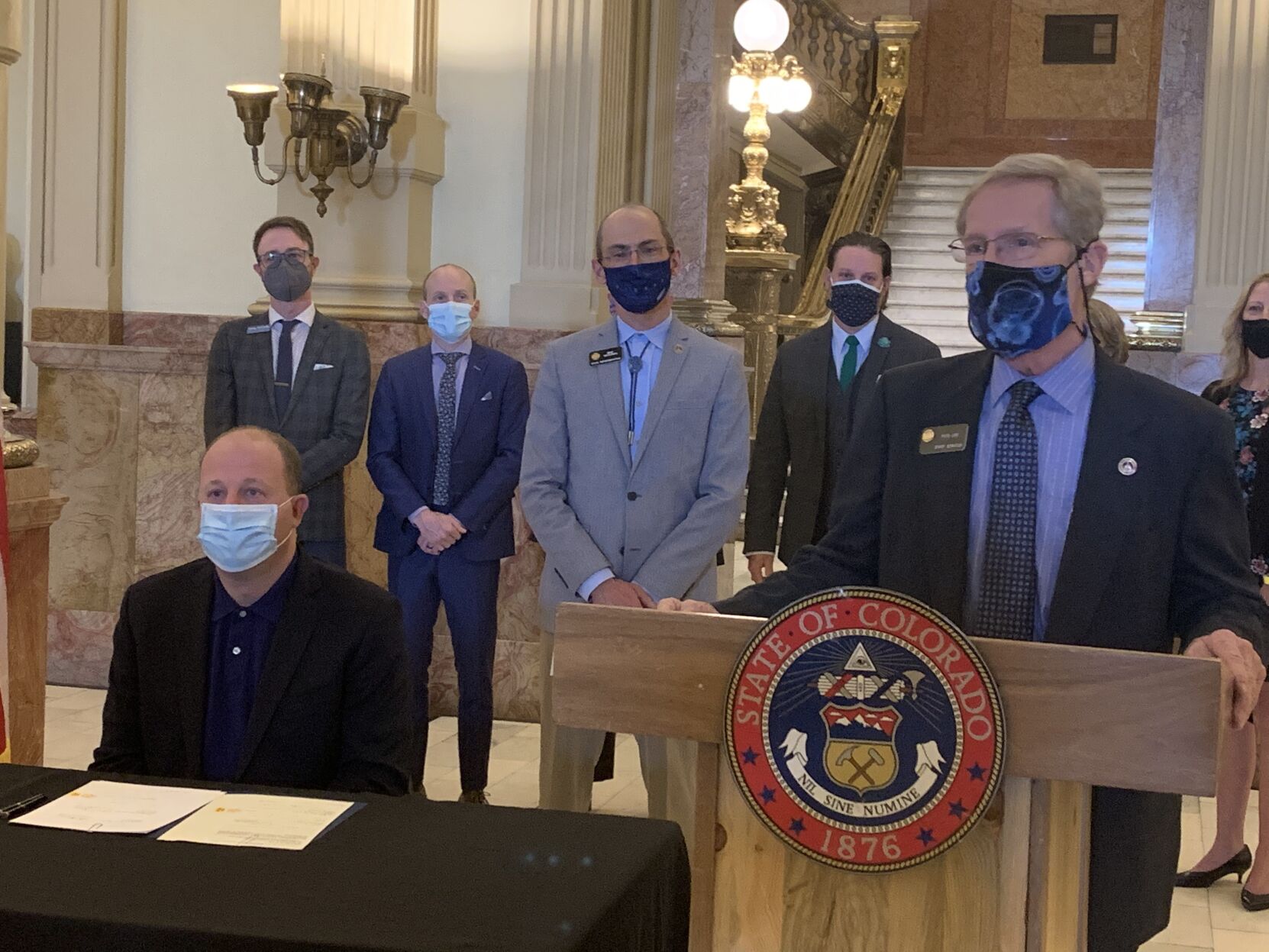
State Sen. Pete Lee is seeking to have a felony indictment against him thrown out, arguing it was based on incorrect information presented to a Fourth Judicial District grand jury.
Lee, a Democrat who is wrapping up his time in the General Assembly representing Colorado Springs, was indicted on two felony charges by the El Paso County grand jury in August. One is a Class 5 felony charge of falsifying his residence address for electoral purposes. The grand jury did not return an indictment on the other count.
Attorney David Kaplan, who is representing Lee, filed a motion Tuesday to have the charges dismissed, claiming incorrect information was presented by a Fourth Judicial District Attorney’s office investigator, who got it from the state’s Office of Attorney Regulation Counsel.
The motion said the grand jury was repeatedly told “and with great emphasis, that Mr. Lee had changed his home residence” with the Office of Attorney Registration on Dec. 15, 2019.
“Mr. Guest’s testimony was unknowingly inaccurate,” the motion said, referring to District Attorney investigator David Guest. The motion said Guest testified before the grand jury in its Aug. 2 hearing and presented information obtained from the Colorado Supreme Court’s Office of Attorney Registration. Lee is a licensed Colorado attorney but on inactive status, the motion said.
“The government went to great pains to establish a critical piece of evidence – Mr. Lee’s registration documents as an attorney in the state of Colorado,” the motion said.
Lee, indeed, submitted a N. Sheridan Ave. address on that date. The grand jury, however, was told the address Lee submitted was on W. Cheyenne Road, and at least five times – three times by Guest as he presented exhibits and two more times in a PowerPoint presentation, the motion said.
“These misstatements and erroneous facts … are not peripheral to the charges sought,” Kaplan said in the motion. “They are a material misrepresentation of the facts used to obtain an indictment.”
“It irreversibly taints their deliberations and creates a fatal flaw in the indictment,” the lawyer added.
A motions hearing is now scheduled for Oct. 18.
Fourth Judicial District Attorney spokesman Howard Black told Colorado Politics that, on Aug. 15, the Colorado Supreme Court attorney registration office submitted a sworn affidavit to the district attorney’s office. The information contained in that sworn affidavit, submitted by the state Supreme Court’s Attorney Registration office, was communicated to the grand jury, which eventually returned the indictment that is currently before the court.
On Sept. 15, the Attorney Registration office “contacted our office to make corrections to their previous submitted sworn affidavit. On Sept. 17, the Attorney Registration office submitted a corrected sworn affidavit to our office. Obviously, we are taking this information under review,” Black said.
The El Paso County indictment against Lee came shortly after the second meeting of an interim legislative committee that is considering reforms to the state’s judicial discipline process. Lee was forced to step down, handing the chairmanship to fellow Democrat, Rep. Mike Weissman of Aurora.
Lee was the main sponsor behind Senate Bill 22-201, which gave independent funding to the Colorado Commission on Judicial Discipline, as well as created the interim committee. Lee was named chairman of the eight-member legislative committee and pressed forward with an aggressive agenda of testimony that included a variety of allegations of a discipline system mired in secrecy and ineffectiveness.
The discipline commission had taken the unusual steps of publicly testifying to problems it was having with the Judicial Department, specifically the Office of Attorney Regulation Counsel. That office, though it handles discipline of licensed attorneys, also controlled the funding to the commission.
When the commission last year launched its own investigations into allegations that some judicial discipline had gone unreported or was lax at best, the commission opted to hire its own investigators.
Normally, it relied on investigators from Office of Attorney Regulation Counsel to handle its inquiries, but that agency already hired its own outside investigators to look into an inquiry it had launched into former Chief Justice Nathan “Ben” Coats, who is at the center of allegations about a quid pro quo contract to a former department official.
The commission said it was stalled in its efforts, much of which was dictated by the Supreme Court, which ultimately controlled the funding.
Lee was drawn out of his Senate district by the Colorado Redistricting Commission last November and, hence, unable to run for a second term. As a result, he would not be a sitting legislator in any forthcoming legislation relative to the interim committee’s work.
That committee earlier this month crafted drafts of an amendment to the Colorado Constitution that would separate the discipline commission into its own independent agency within the Judicial Department and a variety of other key changes.
It also drafted a pair of bills that are expected to be presented to the General Assembly in the upcoming session, including the creation of an ombudsman’s office to deal with complaints of judicial misconduct and help those who make the filings. Additionally it would remove the Supreme Court from its current role in judicial discipline and create a panel of three people – a judge, a lawyer and a citizen – who would preside over any formal charges.
The constitutional amendment would require voter approval in the 2024 general election.
The committee is scheduled to meet Sept. 30 to pass the bills and resolution.

marianne.goodland@coloradopolitics.com

‘Understand people for who they are’: 2 federal judges talk about compassion in courtroom
Michael Karlik
michael.karlik@coloradopolitics.com
Updated 1 hour ago
Before taking the bench in 2022, U.S. District Court Judge Charlotte N. Sweeney was an employment discrimination attorney. While the cases could be emotionally charged, they were different from the criminal proceedings she is now handling. “It wasn’t necessarily affecting...

Denver murder conviction reversed for incomplete self-defense instruction
Michael Karlik
michael.karlik@coloradopolitics.com
Updated 19 hours ago
Colorado’s second-highest court reversed a defendant’s murder conviction last week because a Denver judge gave an incomplete instruction to the jury about the man’s right to self-defense. Donald R. Gonzales and Gary McLaughlin met up in a Capitol Hill parking...
Colorado lawmaker, House leaders named in workplace-retaliation lawsuit
Marianne Goodland
marianne.goodland@coloradopolitics.com
Updated 21 hours ago
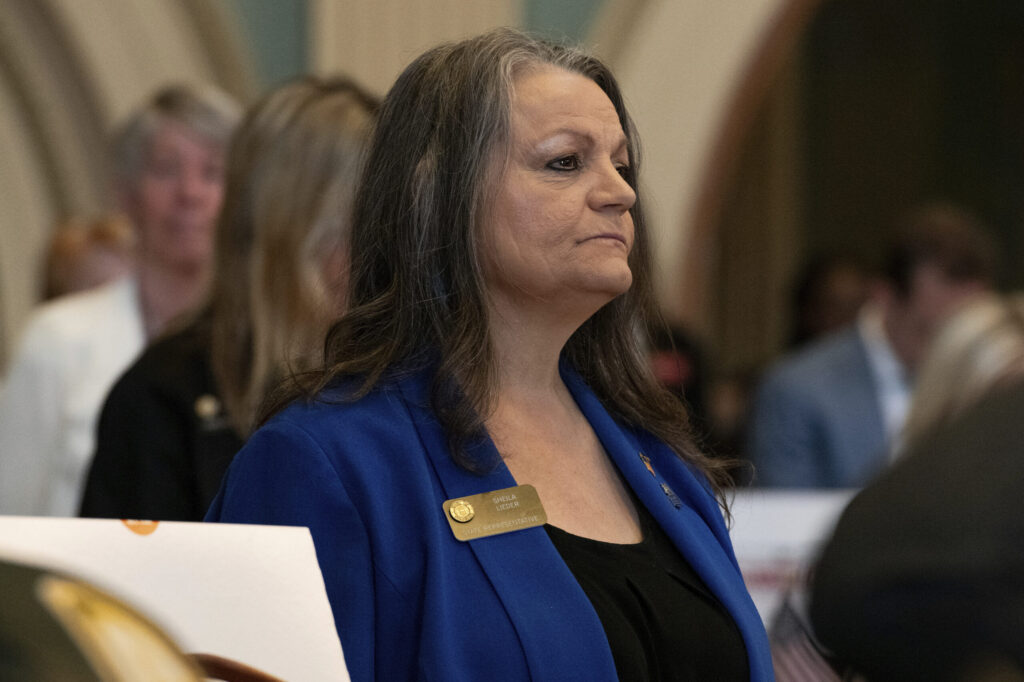
A former legislative aide has filed a lawsuit alleging she was mistreated, illegally directed to perform campaign work and harmed by a House leadership structure she charged was fragmented, politicized and ineffective at protecting employees. The lawsuit, filed by Jennifer...
Federal judge hears arguments about Colorado’s 3-day gun purchase waiting period
Michael Karlik
michael.karlik@coloradopolitics.com
Updated 1 day ago
A federal judge heard arguments on Monday about the constitutionality of a 2023 Colorado law that generally imposes a three-day waiting period on firearm purchases after the initiation of a background check. The test that the U.S. Supreme Court created...
Colorado Supreme Court intervenes in Weld County prosecution dismissed due to Missy Woods misconduct
Michael Karlik
michael.karlik@coloradopolitics.com
Updated 18 hours ago
The Colorado Supreme Court ordered a Weld County trial judge last week to respond to the district attorney’s claim that he improperly dismissed a criminal case because of “outrageous” conduct by the Colorado Bureau of Investigation. Daniel Lee Eatinger stood...
Schoolchildren’s presence at child sex-related trial did not harm Arapahoe County defendant, appeals court says
Michael Karlik
michael.karlik@coloradopolitics.com
Updated 4 days ago
Colorado’s second-highest court decided on Thursday that the presence of a group of schoolchildren on the first day of a child sexual exploitation trial did not violate an Arapahoe County defendant’s constitutional right to a fair trial. Prosecutors charged Jerry...
Appeals court cites week-old Colorado law to reinstate child neglect case at child, father’s request
Michael Karlik
michael.karlik@coloradopolitics.com
Updated 4 days ago
Colorado’s second-highest court invoked a new state law for the first time on Thursday and reinstated a child neglect case that both the child and her father wished to reopen. House Bill 1227 took effect on Aug. 12, reversing a...
Colorado Supreme Court names William Hood as next chief justice
Michael Karlik
michael.karlik@coloradopolitics.com
Updated 5 days ago
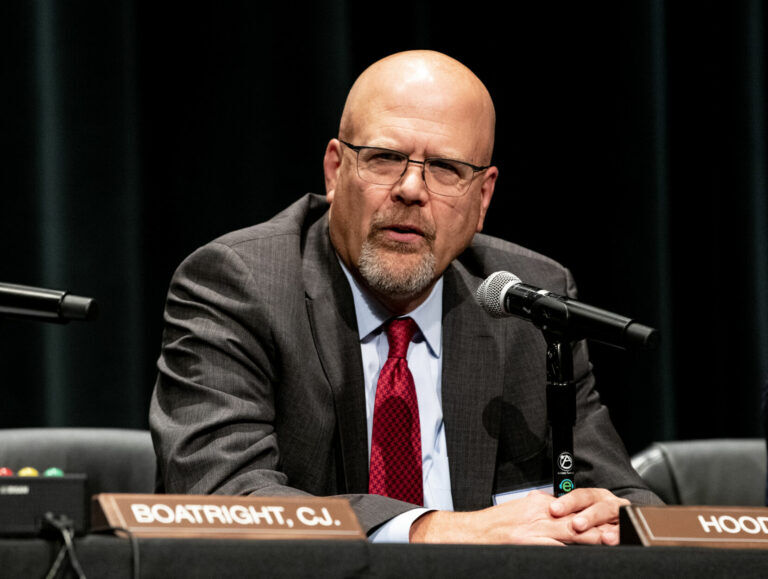
The Colorado Supreme Court has selected Justice William W. Hood III to be the next chief justice, the judicial branch announced on Friday. Hood will succeed Chief Justice Monica M. Márquez, who took over the role in July 2024. “I...
Family of slain Lakewood teacher releases statement as murder suspect makes first court appearance
Matt Kyle
matt.kyle@denvergazette.com
Updated 2 days ago
Patrick Theodore Barnett, the Lakewood man accused of killing his wife, a Jeffco Public Schools art teacher, made his first court appearance Friday morning as his wife’s family looked on. The status conference hearing was held before District Court Judge...
Appeals court upholds Park County trophy hunting conviction
Michael Karlik
michael.karlik@coloradopolitics.com
Updated 5 days ago
Colorado’s second-highest court clarified on Thursday that a defendant may stand convicted under the state’s trophy hunting laws if he abandons a bear carcass but returns later to remove the meat. Under Colorado law, it is a felony to detach...
PREV
PREVIOUS

'Puffery' or illegal? State Supreme Court evaluates statements made by Denver energy corporation
When Jagged Peak Energy Inc. began publicly selling shares of its stock in 2017, it allegedly misrepresented key aspects of its extraction operation to investors and overstated its ability to produce oil and gas. Now, the Colorado Supreme Court will decide whether the 8,000-person Oklahoma Police Pension and Retirement System may sue Denver-based Jagged Peak […]

Colorado Restaurant Association backs Prop 126 for third-party alcohol delivery
The Colorado Restaurant Association on Tuesday threw its support behind a ballot measure seeking to legalize alcohol delivery by third-party companies. Proposition 126, also called “Third-Party Delivery of Alcohol Beverages,” would allow third-party delivery companies such as UberEats and DoorDash to deliver alcoholic beverages from restaurants, bars and liquor stores. The association said third-party alcohol […]