

Q&A with Eugenia Di Girolamo | A conversation with Denver’s chief urban designer

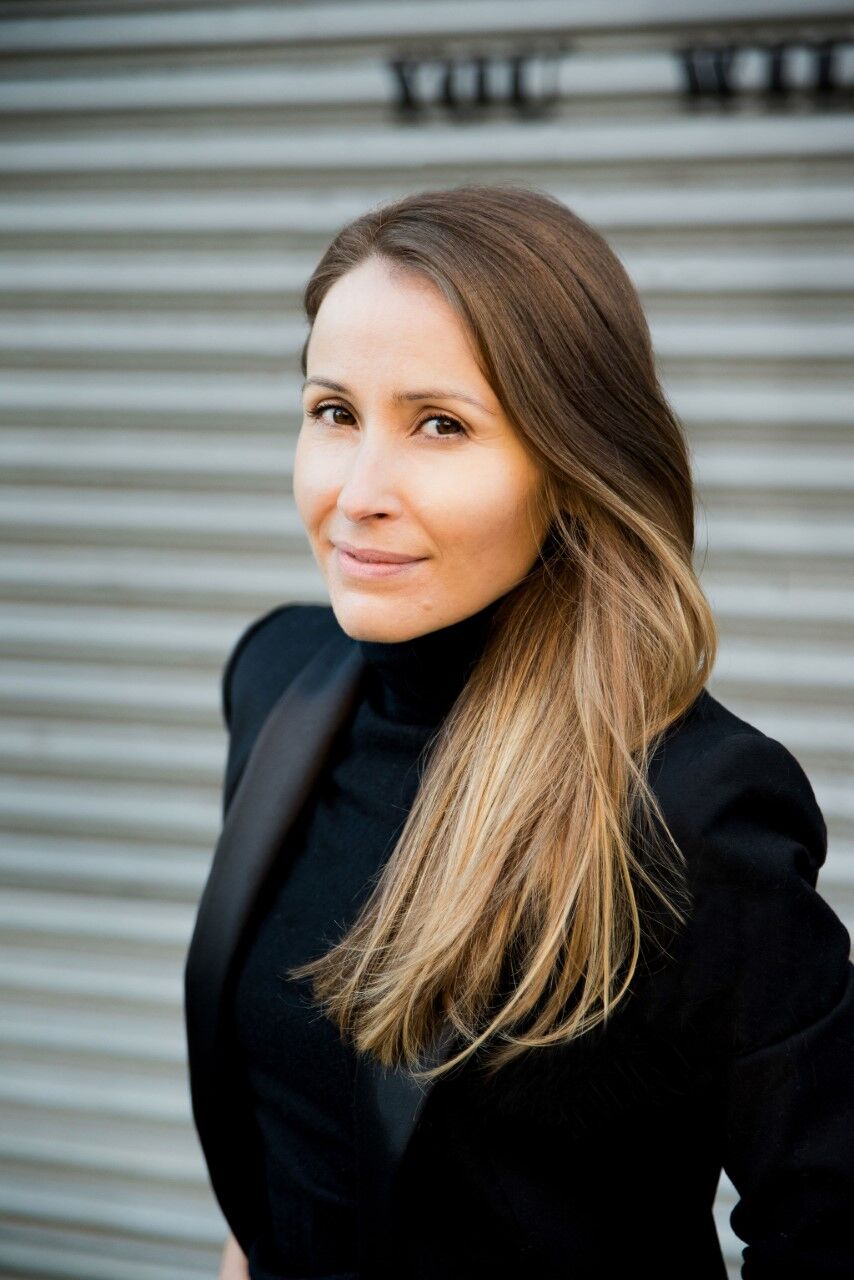
When Eugenia Di Girolamo walks the streets of Denver, it is not a mindless wandering. She is paying keen attention to the street layouts, the parks and how people interact with the built environment.
Di Girolamo recently became Denver’s first chief urban designer. With this new position, Denver is making urban planning a priority.
Born and raised in Italy, Di Girolamo studied architecture and civil engineering. She started her urban design career in New York City, where she pioneered a wide range of projects. In her time working as an urban designer, she has focused on working with local communities to prioritize their values in city development.
Di Girolamo spoke to The Denver Gazette about her background in architecture and urban design, as well as what she hopes to accomplish in her new position. This interview has been edited for length and clarity.
The Denver Gazette: Could you speak about your background? What drew you to architecture and urban design as a career? What steps did you take to get here?
Eugenia Di Girolamo: I was born and raised in Italy, where I studied architecture and civil engineering at University of Bologna. What drew me to architecture and urban design was the interest in cities that I have had since I was a young kid. My parents and family would always travel to new cities every summer, which drove my interest in architecture and cities. When I was in graduate school, I did an internship with the City of New York’s Department of Planning. I wanted to do an internship in New York for my master’s thesis. That is when I fell more in love with the urban scale and decided to pursue urban design as a career.
In Italy, architecture is very broad. You go from the technical details all the way to apartment scales, so that was up my alley. I decided to focus on urban design and specifically the public sector.
DG: What does an urban designer do?
Girolamo: An urban designer works at the intersection of architecture and long-range planning.
Architects work at the site or the lot scale. They are trying to address very specific needs at the spatial and programmatic level. They need to decide what is going to be at that site – apartments or offices or shops. It’s very specific.
Planners look at policy or land use, the type of decisions that really impact a neighborhood or the entire city. They work on long-term plans, looking five, 10 or 50 years down the line. They often address issues like disability and climate change. They look at how policy needs can be addressed on the city scale.
Workers and writers think about what people need when they are walking down the street to work or dropping off their kids at school. They focus on how the long-range policies and decisions are realized in the physical form. They ask, “What will peoples’ experience be of that form?” They then set the parameters for architects and designers to decide what will take up that space.
DG: What is an example of a project you are proud of?
Girolamo: I’ve had several projects I have been involved with in policymaking, neighborhood planning, community engagement and design review.
I led a design study that explored the effects and feasibility of Federal Emergency Management Agency requirements for construction in a flood zone. We found that they would translate in an urban environment like New York City. That was very exciting.
I also helped lead a neighborhood plan where we focused on working with the local community to decide what their neighborhood would look like with investments, housing and services. We wanted to make a complete neighborhood where the community would have all the services that are needed for that community to thrive.
Finally, I led a public online campaign that functioned as an outreach effort. The goal was to explain what urban design is. We asked the whole community what aspects of the built environment of their city was most important to them. Was it services, safety, a sense of belonging or access to nature and public spaces? We then had conversations around that.
DG: What challenges do you expect to face in your new role?
Girolamo: It is a little too early to know, but I am looking forward to working with all the Denver community to come up with creative solutions. I know from my experience that implementing the design process can help solve several challenges that the city faces.
DG: What is your highest priority at your new position?
Girolamo: Having just started, I want to first listen and learn. I want to talk to everyone in the community. I want to talk to developers, architects, council members and people in Denver to understand from them what the pressing issues are.
Just for myself, I want to explore neighborhoods and get a sense of the city.
DG: How do you see community and social equity in urban design?
Girolamo: That is a huge priority for me and the Community Planning and Development Department.
With design, when you think about how a space will look and feel, you need to think about everyone. When you consider how every person will experience that space or that building, you must think thoughtfully about universal accessibility. You must make sure everyone will thrive in that space and enjoy it.
DG: What challenges have you overcome to get where you are today?
Girolamo: One of the big challenges about the profession is trying to be at the cusp of local and city issues that need to be addressed. You must ask: How can you address those issues on a neighborhood and city scale? Also, as urban designers we need to make sure that we take into consideration all the various local communities that exist within a city.
DG: What is your favorite (maybe hidden?) part of Denver you have seen since you got here?
Girolamo: I find Cherry Creek Trail allows for a great commute from neighborhoods to the core of the city because it is specifically for recreation and built for everyone in Denver.
DG: What project are you most looking forward to working on here in Denver?
Girolamo: I am excited to work downtown on the recovery from COVID-19. I want to work widely in the public realm and with everything around that area after COVID.


10th Circuit dismisses challenge to Colorado legislature’s decorum rules
Michael Karlik
michael.karlik@coloradopolitics.com
Updated 2 hours ago
The Denver-based federal appeals court concluded on Tuesday that Colorado lawmakers cannot be sued for creating and enforcing rules of decorum that circumscribe the public commentary allowed at legislative committee hearings. A three-judge panel of the U.S. Court of Appeals...

U.S. energy secretary warns Colorado’s energy policies could drive up prices, deter businesses
Scott Weiser
scott.weiser@gazette.com
Updated 3 hours ago
U.S. Energy Secretary Chris Wright on Monday warned that Colorado’s energy policies could lead to higher electricity prices and deter businesses, such as data centers, from locating in the state. Wright, a former executive of a Colorado-based energy company tapped...

Split vote by Colorado Title Board stops ballot push to privatize Pinnacol Assurance
Marianne Goodland
marianne.goodland@coloradopolitics.com
Updated 4 hours ago
The Colorado Title Board, a three-member panel that sets the language for ballot measures, recently reversed a prior decision and blocked a proposal to privatize Pinnacol Assurance from moving forward. The main issue decided by the title board is whether...
Jackson and Kavanaugh disagree over if the Supreme Court treats Trump like Biden
David Zimmermann Washington Examiner
davidzimmermannwashingtonexaminer@wpstage.coloradopolitics.com
Updated 5 hours ago
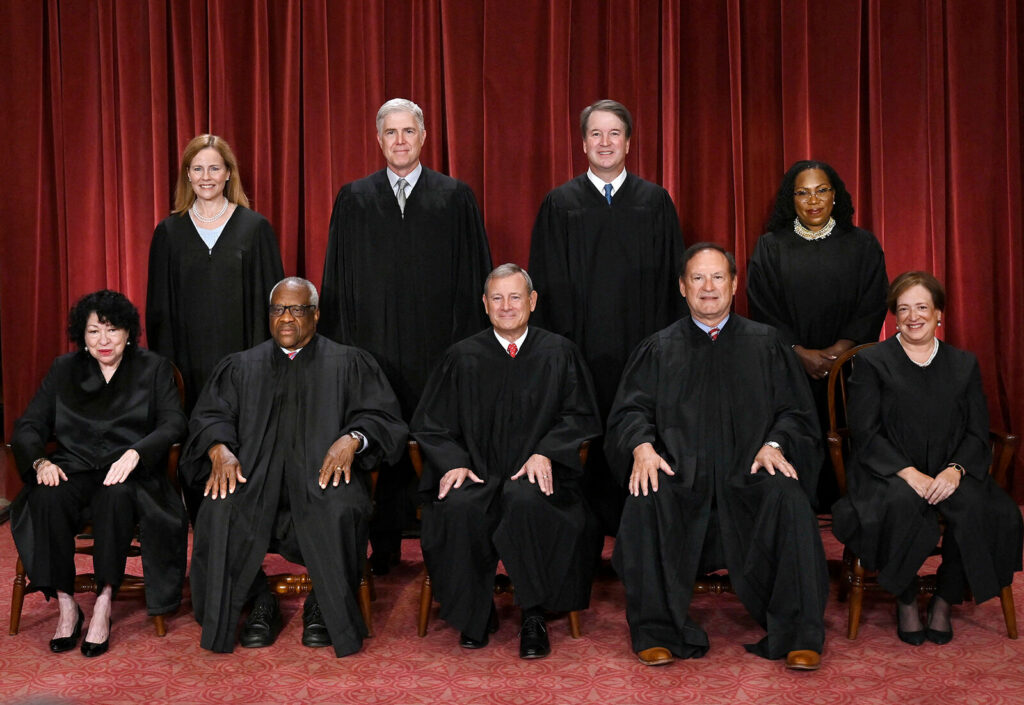
Supreme Court justices Ketanji Brown Jackson and Brett Kavanaugh disagreed on Monday over whether the high court treats President Donald Trump the same as former President Joe Biden in cases brought by their respective administrations. Jackson, who often writes dissents...

Rand Paul announces tentative date for Mullin DHS confirmation hearing
Washington Examiner Staff, Washington Examiner
washington.examiner.staff.washington.examiner@gazetteedit.wpenginepowered.com
Updated 5 hours ago
The nomination of Sen. Markwayne Mullin (R-OK) to be the next Department of Homeland Security Secretart was officially sent to the Senate by the White House on Monday. Mullin was nominated on March 5 by President Donald Trump to replace...
Trump calls SAVE America Act his ‘No. 1’ priority for House GOP
Rachel Schilke, Washington Examiner
rachel.schilke.washington.examiner@gazetteedit.wpenginepowered.com
Updated 6 hours ago
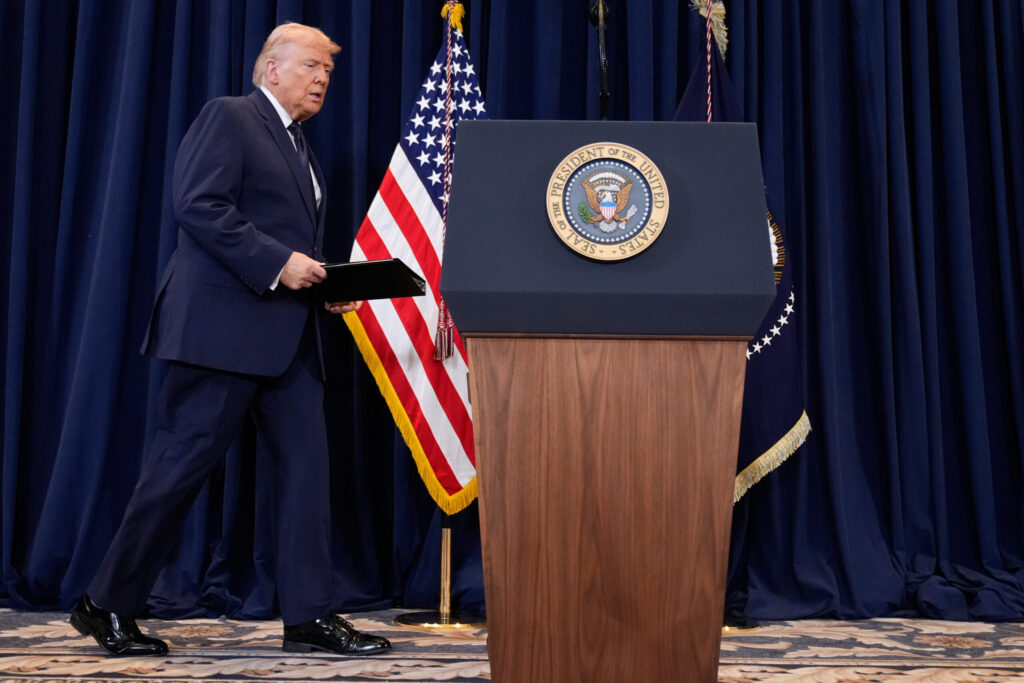
DORAL, Florida — President Donald Trump made his “biggest plea” to House Republicans on Monday: Pass the SAVE America Act, a GOP voter identification bill, even if it takes the rest of this year. A little over 100 of the...

Colorado Senate panel OKs bill named for Boulder teen cyclist killed in 2023 crash
Marissa Ventrelli
marissa.ventrelli@coloradopolitics.com
Updated 44 minutes ago
The Senate Judiciary Committee on Monday gave unanimous approval to a bill that would require law enforcement officers responding to crashes resulting in serious injury or death to offer drivers a voluntary breathalyzer test. Sponsors hope the measure would provide...

Fort Carson-based soldier killed in Iranian attack
Mary Shinn
mary-shinn@coloradopolitics.com
Updated 7 hours ago
A Fort Carson-based soldier is among the U.S. service members killed in an attack by Iran during Operation Epic Fury, according to a Department of Defense news release. Sgt. Benjamin N. Pennington, 26, died Sunday of injuries sustained during an...
Colorado open records bill dies in Senate committee
Marianne Goodland
marianne.goodland@coloradopolitics.com
Updated 6 hours ago
Efforts to overhaul Colorado’s open records law stalled anew. A proposal that would have extended response times for public records requests and added accountability measures for late responses failed to advance out of its first committee and will not move...
Colorado Supreme Court blocks ballot initiative defining ‘fees’
Michael Karlik
michael.karlik@coloradopolitics.com
Updated 1 day ago
The Colorado Supreme Court blocked a proposed ballot initiative on Monday that would have required voter approval for new fees above a certain threshold, while also enshrining a definition of “fee” into the state constitution for the first time. Chief...
PREV
PREVIOUS

Denver Gazette, Colorado Springs Gazette, Colorado Politics win 22 awards from Colorado Press Association
Journalists and photographers from the Colorado Springs Gazette, Denver Gazette and Colorado Politics won 22 awards from the Colorado Press Association on Saturday. The stories ranged from drought coverage and its impact on a fifth-generation rancher in El Paso County to the toll that the Central 70 project has taken on two Denver neighborhoods. Journalists […]

Report: Polis 'failed' to deliver campaign promise to reduce 'special interest' tax benefits
When Jared Polis ran for governor he pledged to reduce “special interest” tax benefits, particularly policies benefitting corporations, and deploy that money instead to lower taxes for all Coloradans, making the cumulative effect of his decisions revenue neutral. A new report from the Independence Institute, a think tank that advocates for free market ideas, claims […]