

Report: Polis ‘failed’ to deliver campaign promise to reduce ‘special interest’ tax benefits
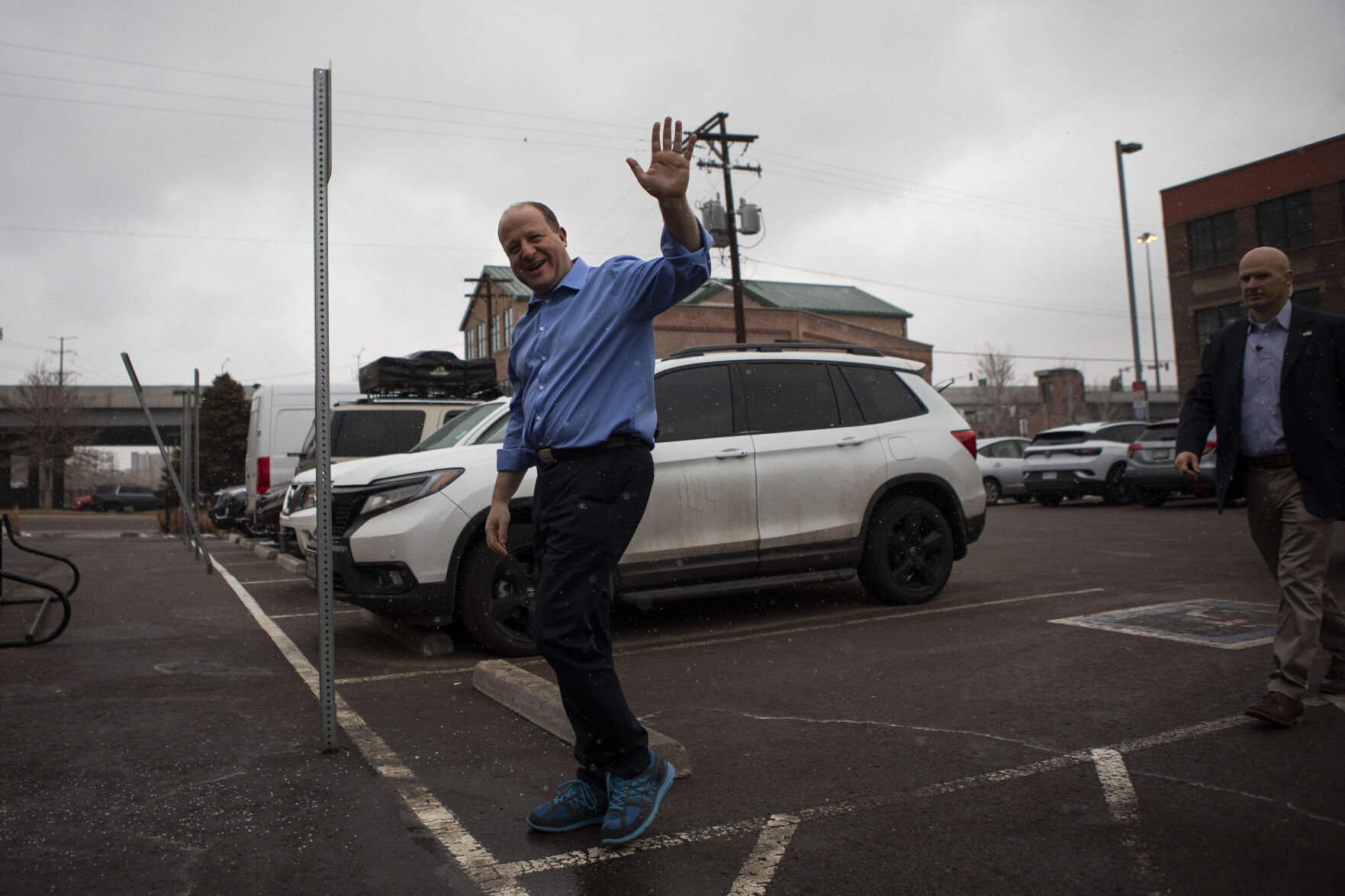
When Jared Polis ran for governor he pledged to reduce “special interest” tax benefits, particularly policies benefitting corporations, and deploy that money instead to lower taxes for all Coloradans, making the cumulative effect of his decisions revenue neutral.
A new report from the Independence Institute, a think tank that advocates for free market ideas, claims he “failed” to deliver, and that his actions, on the contrary, increased the special interest benefits by $640 million over a decade.
“Despite repealing and reducing some tax benefits, because Polis increased far more tax benefits by a much larger amount in total, this report concludes that he has failed to deliver on his tax reform campaign pledge. On the contrary, his actions mostly contradicted the tax reform platform upon which voters elected him in 2018,” the group says in the report.
Polis’ campaign called it a “bogus report.”
“This report is seriously trying to call childcare and cost of living tax credits special interest benefits,” said campaign spokesperson Amber Miller. “We shouldn’t be surprised that this right-wing operation put out a bogus report that criticizes the governor for closing tax loopholes for corporate special interests and providing cost savings to hard working Colorado families, small businesses and so many other Coloradans instead.”
The Governor’s Office echoed the sentiment, attacking the Independence Institute as a “wildly partisan group.”
“Governor Polis ended tax breaks for big insurance companies, oil and gas special interests, and big box retailers and passed the savings to the taxpayers of Colorado,” Conor Cahill, who speaks for the governor, told Colorado Politics. “This ‘report’ conducted by a wildly partisan group is nothing but another politically motivated attack Coloradans are sick and tired of.”
Conservatives and progressives alike often target “special interest” tax policies, which benefit certain entities or industries. Progressives lament such tax benefits deprive governments of revenue to pay for priorities, such as education, while conservatives argue taxation should be broad-based and applied equally. Supporters of special tax interests counter that they are often necessary to attract new businesses or help industries expand, and while they reduce direct tax revenue for governments, they create jobs and invigorate the economy.
Saving Coloradans money is a central message of Polis’ reelection campaign for reelection. His first TV ad for the general election touts his work to “put more money into the pockets of hardworking Coloradans,” notably hundreds of dollars in TABOR refunds that residents began to receive this summer, as well as property tax relief, full-day kindergarten and relief for small businesses.
“We are providing immediate relief to Coloradans as a part of our ongoing commitment to put money back into the pockets of hardworking Coloradans,” Polis said in the ad.
The Independence Institute identified the tax expenditure bills Polis signed during his first term in office and estimated their net revenue changes over 10 years to gauge whether governor’s decisions resulted in a net increase or decrease in tax benefits for “special interests.” More specifically, the group concludes Polis’ actions increased those benefits by about $640 million over ten years.
The report says:
-
The governor signed a total of 50 bills into law that created, repealed, or amended special interest tax benefits. Only seven included reductions in those benefits, four reduced tax benefits on net and 46 on net increased tax benefits.
-
The bills’ 10-year cumulative effect reduced tax benefits by $3.86 billion and increased tax benefits by $4.5 billion, a net change of $640 million.
-
About $3.69 billion in tax expenditure reductions came from three bills: House Bills 19-1245, 21-1311, and 21-1312.
-
From FY 2019-20 through FY 2023-24, the 50 bills will increase tax benefits by about a net amount of $166.8 million.
-
The 50 bills will cost Colorado more than $300 million to administer over a decade.
The report notes that national organization often praise Polis for his libertarian and right-leaning ideas, particularly when it comes to “limited government and tax reform.” The group notes that the American Legislative Exchange Council, which produces “model” legislation that Republican legislatures often embrace, named him the “fourth best” governor in 2021, saying he “exemplifies the importance of placing pro-growth income tax policy over partisanship.”
“While the rhetoric from Colorado’s governor certainly reflects a conformity to this belief, no study has ever evaluated his actions on the matter,” the Independence Institute says. “This report therefore assesses the progress Polis made during his first term in accomplishing the first part of his tax reform platform – reducing special interest tax benefits.”
In a news release, Ben Murrey, who authored the report, noted that, during a 9News gubernatorial debate on Oct. 17, 2018, Polis “specifically promised to go after special interest tax giveaways and use the proceeds to reduce everyone’s income tax rate.”
“His actual record is very different,” Murrey said. “The health of Colorado’s economy depends on our tax code being simple and fair. Muddling up the tax law with handouts to political allies not only makes the code more complicated for taxpayers, but it also damages the state’s economy by warping investment decisions.”
In a statement, Cahill, the gubernatorial spokesperson, said Polis is “delivering real results for Coloradans who are receiving $750 checks as a result of our rapidly growing and strong economy.”
“The governor has a proven record and has focused on cutting property taxes, fixing our roads and bridges, supporting entrepreneurs, making it nearly free to start a business, and cutting taxes for small businesses. He invites more support from both sides of the aisle for his work to close tax loopholes and reduce tax rates,” he said.
The Independence Institute, often identified as a libertarian-leaning organization, advocates for “limited government” principles and personal and economic freedom. Its president, Jon Caldara, who is a columnist of Colorado Politics, is one of Polis’ critics.


Colorado gubernatorial candidates Phil Weiser, Greg Lopez to face off Thursday in televised debate
Ernest Luning
ernest.luning@coloradopolitics.com
Updated 27 minutes ago
Two of the candidates for governor of Colorado are set to square off in a televised debate for the first time Thursday night, when Attorney General Phil Weiser, the Democratic nominee, and former U.S. Rep. Greg Lopez, an unaffiliated candidate,...
Republican US Rep. Jeff Crank, Democratic challenger Jessica Killin set to debate in Colorado’s 5th CD
Ernest Luning
ernest.luning@coloradopolitics.com
Updated 1 hour ago
Republican U.S. Rep. Jeff Crank and Jessica Killin, his Democratic challenger, are scheduled to meet for a televised debate in the race to represent Colorado’s 5th Congressional District on Thursday night. The candidates are set to take the stage at...
Wrongfully deported man to be returned to U.S., Colorado federal judge orders
Michael Karlik
michael.karlik@coloradopolitics.com
Updated 2 hours ago
Colorado’s chief federal judge took the extraordinary step of directing the government on Tuesday to do everything it can to return a man it deported in violation of his order. At the same time, Colorado’s chief magistrate judge has set...

Colorado to get $615M from Meta child safety settlement
Thelma Grimes
thelma.grimes@coloradopolitics.com
Updated 41 minutes ago
The parent company of Facebook and Instagram will pay hundreds of millions of dollars to Colorado, part of an $18 billion multistate deal, in which the company also agreed to adopt extensive child-safety changes to its operations. The settlement ended...
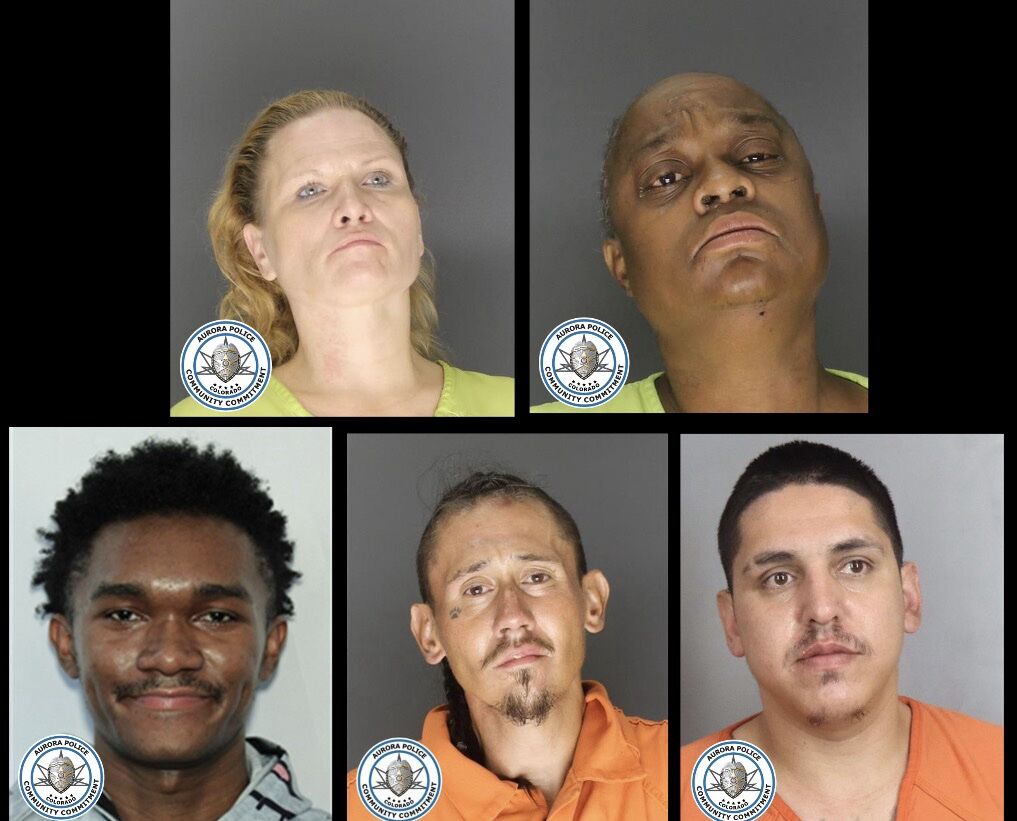
Aurora police warn businesses of 5 shoplifters involved in 139 crimes
Kyla Pearce
kyla.pearce@gazette.com
Updated 2 hours ago
Aurora police are warning business owners to look out for five shoplifters involved in 139 crimes with some $60,000 in stolen merchandise. Four of the five shoplifters are wanted on active Aurora Police Department warrants, according to a news release...

Counties warn CPW that new comment limits sideline local governments
Marianne Goodland
marianne.goodland@coloradopolitics.com
Updated 17 hours ago
The September meeting of the Colorado Parks and Wildlife Commission will feature newly revised public‑comment rules — changes introduced by chair Jay Tutchton of Bent County, who announced them without first discussing the revisions publicly with the rest of the...

Controversial two-bag furbearer limit heads to CPW meeting under legal threat
Marianne Goodland
marianne.goodland@coloradopolitics.com
Updated 17 hours ago
Next week’s Colorado Parks and Wildlife Commission meeting in La Junta is likely to open under the cloud of threatened legal action. Safari Club International and the Sportsmen’s Alliance Foundation warned the commission this month that its July vote imposing...

Federal science agency gives CU Boulder $37.5M to supercharge its quantum studies
Bernadette Berdychowski
bernadette.berdychowski@denvergazette.com
Updated 2 hours ago
The University of Colorado Boulder was awarded $37.5 million from a federal research agency to propel its quantum research, the U.S. National Science Foundation announced Tuesday. The school was one of eight academic institutions to receive a total of $290...

Golden to pay $155,000 to fired city manager
Matt Kyle
matt.kyle@denvergazette.com
Updated 19 hours ago
The Golden City Council on Tuesday approved a roughly $155,000 severance payout to former city manager Scott Vargo, who was fired earlier this month following a “racist incident” at a city fire station. The payout is part of a separation...

Trump says the US doesn’t need Canada. America’s economy says otherwise.
The Associated Press
the-associated-press@coloradopolitics.com
Updated 20 hours ago
TORONTO (AP) — U.S. President Donald Trump says his country does not need Canada. But every day, roughly 4 million barrels of Canadian crude oil flow south, helping fuel American cars, trucks and airplanes and supply U.S. industry. And oil...
PREV
PREVIOUS

Q&A with Eugenia Di Girolamo | A conversation with Denver's chief urban designer
When Eugenia Di Girolamo walks the streets of Denver, it is not a mindless wandering. She is paying keen attention to the street layouts, the parks and how people interact with the built environment. Di Girolamo recently became Denver’s first chief urban designer. With this new position, Denver is making urban planning a priority. Born […]

Zebra mussel - a highly invasive species - found in Highline Lake
An invasive adult zebra mussel was found on Sept. 14 in Highline Lake, just north of Fruita, prompting heightened monitoring and decontamination of boats. The lake is part of Highline Lake State Park. Wildlife officers found a single adult zebra mussel on PVC pipe in the lake during a routine invasive species sampling. It’s the […]