

Colorado Springs Gazette: ‘High-barrier’ shelters offer life instead of death
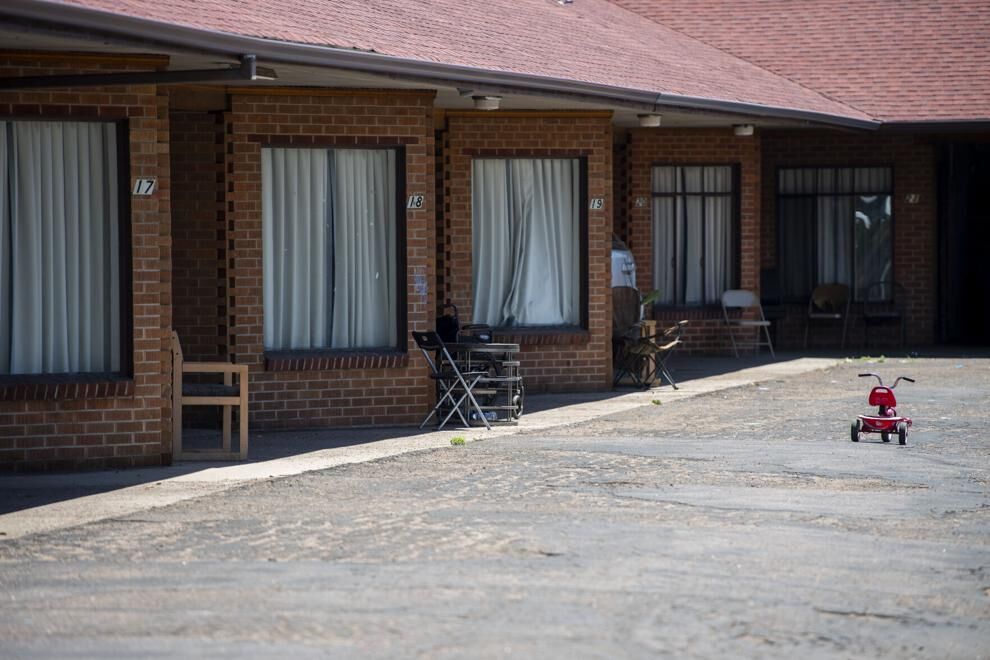
The seemingly intractable dilemma of the growing homelessness in Colorado Springs may be at a crossroads. A Gazette news report last week confirmed the New Promise Family Shelter on South Nevada Avenue will shutter its “low-barrier” doors at the end of July. It will transition to become a “high-barrier” operation requiring sobriety instead of permitting drug intemperance.
Though not nearly as pervasive as softer-on-crime cities like Denver, Colorado Springs’ homeless situation is more prevalent than many expect from a city in favor of stronger law-and-order policies — namely hard street drugs and the deadly poison fentanyl — which are coddled at the state and national level.
The grim homeless reality on the ground people see daily is somber and infuriating. Donations to the shelter declined by a staggering $150,000 last year, ultimately leading to the low-barrier shelter’s closure. Covid economics probably played a role in this. It’s also possible that donors saw the Springs’ homeless problem getting worse and voiced their displeasure by holding back handouts. After all, in Old Colorado City it’s routine to see homeless addicts “nodding out” — losing consciousness due to dangerous bodily reactions to ingesting lethal drugs — seemingly asleep in broad daylight on park tables next to families. Elsewhere, taxpayer-funded oases for urbanites, such as Monument Valley and America the Beautiful parks, are littered with drug-using-and-trading vagrants who treat patches of grass and recreation-path underpasses like personal living rooms, kitchens and drug lairs. That is when they’re not begging for money at highway ramps, putting themselves and vehicles in obvious danger of accidents. Further, this demographic uses our creeks as bathrooms and laundromats.
As explained in The Gazette’s news report, some residents are uncomfortable and don’t feel safe in the South Nevada Avenue neighborhood that is home to the New Promise Family Shelter. An international coffee chain at the heart of the thoroughfare, less than a quarter mile north of the shelter, indefinitely closed its indoor counter service and seating because of the crime-and-drug environment posed by the population of vagrant drug users.
The disastrous opioid epidemic has devastated parts of South Nevada — negatively affecting businesses, the homeless and the housed. To move past this drug epidemic, it is crucial to pivot away from low-barrier shelters — which New Promise has been since opening in February 2020. The low-barrier experiment has not worked, so it’s time to return to the old high-barrier model that provided carrot-and-stick incentives to escape the bonds of substance abuse.
Want to have a place to stay for you and your loved ones? Kick the dependence — which we’ll help you do — and you get a path to and plan for a long-term solution to homelessness and substance addiction. A handout enables dysfunction, while a hand up heals. Though it may sound crass, funding and building that strategy is much more compassionate than letting homeless addicts continue to get high, either slowly or quickly killing themselves, while putting a roof over their family’s head.
Whether out of naïve kindness or misguided empathetic philosophical beliefs and political principles, Family Promise of Colorado Springs operated as a low-barrier facility with “trauma-informed care” rooted in the idea “to serve the most vulnerable families and children in the Colorado Springs area.” The approach failed most clients. Only 36% have moved into permanent stable housing. It is clear the low-barrier approach did little to deter the city’s homeless drug problem due to enablement and a lack of standards and consequences.
The University of Pennsylvania’s Dr. Dennis Culhane, a social science researcher with primary expertise in homelessness and assisted housing policy, is adamant that addicts and people with mental illnesses respond best to housing as a reward, rather than an entitlement. This conclusion flies in the face of the progressive claim that science supports a “housing-first” policy of giving housing to homeless addicts without requiring sobriety.
We concur with Culhane. Homeless addicts benefit from recovery-oriented, sobriety-contingent housing. It saves the lives of those willing to accept it. We should never enable self-destruction. With the homeless, let’s never give assistance that enables a deadly trip. Let’s always offer a generous, non-judgmental, and compassionate hand of help to those willing to accept it.
Colorado Springs Gazette editorial board

‘Right to repair’ makes sense for Colorado consumers, but critical infrastructure is different | OPINION
Colorado Politics
colorado-politics@coloradopolitics.com
Updated 6 hours ago
By Chris Bresee For many consumer products, the case for “right to repair” is easy to understand. If a phone, tractor, or household device breaks, people want fair access to the tools, parts and information needed to fix it. But...

Colorado shouldn’t risk cutting off access to earned wage access | OPINION
Colorado Politics
colorado-politics@coloradopolitics.com
Updated 6 hours ago
By Tenisha James I live and work in Connecticut, not Colorado — but what’s happening in your state matters to people like me. I’ve already seen how policies that restrict earned wage access (EWA) can play out in real life. And...

Rural education is an advantage — start funding it that way | OPINION
Colorado Politics
colorado-politics@coloradopolitics.com
Updated 5 hours ago
By Denille LePlatt When people talk about rural schools, the conversation too often starts with struggle. I’d like to start somewhere different: with the 135,000 students across Colorado’s rural communities who show up every day with talent, drive and potential...
The grift at the core of Colorado ed department’s ‘innovation programs’ | Paula Noonan
Paula Noonan
paula-noonan@coloradopolitics.com
Updated 15 hours ago
Colorado’s K-12 school finance, transparency and accountability systems have urgent, connected problems with a slow-motion state response. Money is spilling out of school finance funds to home-schooled and private-school students. This multi-million-dollar flood of funds to cooked-up micro schools, home-school...

‘Second look’ bill would cause lasting harm to crime’s victims | OPINION
Colorado Politics
colorado-politics@coloradopolitics.com
Updated 1 day ago
By Robert Fallbeck Senate Bill 26-115, being considered by lawmakers in the current legislative session, seeks to allow re-sentencing (aka a “second look”) of inmates who have served 20 calendar years in the Colorado Department of Correction (DOC) for two...
Colorado cannot afford to get the Colorado River wrong | OPINION
Colorado Politics
colorado-politics@coloradopolitics.com
Updated 1 day ago
By Larry Don Suckla Colorado and our neighboring states are standing on the edge of a crisis that is no longer theoretical. The Colorado River, the lifeline of the American west, is facing conditions that demand immediate, responsible action. If...

Colorado state legislators must recognize EMS is essential | OPINION
Colorado Politics
colorado-politics@coloradopolitics.com
Updated 1 day ago
By Dusty A. Johnson Currently, emergency medical services (EMS) clinicians such as EMTs and paramedics are not listed as essential in Colorado, and that is not OK. A few weeks ago, the Colorado House of Representatives unambiguously passed a bill...

Colorado’s childcare contribution tax credit bolsters our economy by keeping programs afloat | PODIUM
Colorado Politics
colorado-politics@coloradopolitics.com
Updated 12 hours ago
By Mike Kehoe, Lisa Steven and Johnna Reeder Kleymeyer Colorado parents are struggling to find childcare, programs that serve our most vulnerable families are stretched thin, and private philanthropy has never been more critical. Since it was first enacted in...

Cherry Creek school district plays defense | Jimmy Sengenberger
Jimmy Sengenberger
jimmy.sengenberger@gazette.com
Updated 3 days ago
Cherry Creek Schools is a shadow of its former self. When I graduated from Grandview High School in 2008, the district still earned its motto: “Dedicated to Excellence.” These days, Colorado’s fourth-largest district clings to that antiquated reputation even as it unravels...
Just kidding about the separation of church and state? | Hal Bidlack
Hal Bidlack
hal-bidlack@coloradopolitics.com
Updated 3 days ago
You may recall the old truism the three things you shouldn’t discuss at a cocktail party are religion, politics, and, well, that last one often depends on the situation. But those first two tend to be commonly warned against as...
PREV
PREVIOUS

WADHAMS | Mainstream Republicans are poised to win
Dick Wadhams Colorado Republican primary election voters spoke loudly and clearly that they want mainstream conservative candidates who can win a general election in a state dominated by unaffiliated voters. They soundly rejected stolen election conspiracy theorists who would drive Republicans into the ground. Republican Senate nominee Joe O’Dea’s blue collar background stands in stark […]
Denver Gazette: Cops can’t afford to blink
Police are trained to prepare for a split-second, life-or-death decision: if, and when, to pull the trigger. It’s the kind of decision no one has to make in any other line of work outside the military. And it’s the kind of decision some Denver cops had to make in lower downtown early Sunday morning when […]