

Denver Gazette: Hit the brakes on ‘electrification’

Colorado’s headlong rush toward zero carbon emissions will drive the soaring cost of housing even higher. That’s the upshot of a Colorado think tank’s study of the pending “electrification” of homes in the state.
A new law enacted this year by the legislature would pave the way for mandating that all newly built homes are wired for electricity for cooking, heating, hot water and electric-vehicle charging. That would add significantly to the cost of a new home — between $6,450 and $22,352 per home, the study concludes.
The sweeping policy shift ushered in by House Bill 1362 — which, through a convoluted chain of events, will result in the adoption of local “green” building codes — would lead to the retrofitting of existing homes for electrification, as well.
All of which could cost Colorado homeowners $59 billion to $68 billion by 2031 and would exacerbate Colorado’s acute housing shortage, according to the study released last week by Colorado’s Common Sense Institute.
As reported Friday by The Gazette, Green-leaning Democrats who wield all the levers of power in state government soft-pedal the transition and discount the cost projections of the study’s findings. A spokeswoman for Gov. Jared Polis claimed the law will protect homeowners’ bottom line and, “will have a huge upside for renters, including those in disproportionately impacted communities, who will see lower utility bills in buildings constructed under the law’s new model low energy and carbon code.”
On a wing and a prayer, perhaps.
The Common Sense report seems far more rooted in reality. Evelyn Lim, the author of the institute’s report and a former regional administrator for the U.S. Department of Housing and Urban Development, points out for example that the state’s projected savings on a typical household’s utility bills under the new law would have to accrue for over 17 years before it would pay for the added, up-front costs of electrification.
“That is longer than the average length of time a homeowner stays in their home,” Lim notes.
The new law incurs the costs in a roundabout, and highly bureaucratized, way. It sets up a 24-member Energy Code Board that would develop model language for electric-ready, solar-ready, low-energy-and-carbon codes complying with the 2021 International Energy Conservation Code. Colorado municipalities will have to amend their building codes to standards that provide equivalent or better performance than the 2021 code.
While the new building code itself does not specify what kind of energy must be used in new construction, Lim say that the code, when combined with the Colorado Clean Heat program that requires providers of natural gas to reduce emissions, creates the pressure to upgrade to all-electric appliances and abandon natural gas.
The Common Sense report views the ultimate goal of the green heat and electrification plan as the electrification of all homes and businesses — old and new — and the report calculates the electrification of commercial buildings could cost another $17.9 billion.
But here’s the clincher: The U.S. Department of Energy determined that the 2021 IECC standard was merely 9% more efficient than the 2018 version. As builder and GOP state Senate candidate Tim Walsh told The Gazette, that return on investment just doesn’t add up.
“The issue is we’re at a point of diminishing returns and we’re adding a lot of cost to get a very incremental increase in overall building performance,” Walsh said. “That’s going to have a huge economic impact, especially on the lowest wage earners in Colorado.”
The new policy is a costly, feel-good exercise in wishful thinking — of dubious benefit in addressing climate change. Will it take a changing of the guard at the legislature to hit the brakes?


Rural hospitals don’t want special treatment, just a chance to care for locals | PODIUM
Colorado Politics
colorado-politics@coloradopolitics.com
Updated 11 hours ago
By Kevin Stansbury As chief executive of Lincoln Health, my responsibility is simple: ensure the people of eastern Colorado have access to high-quality healthcare close to home when they need it most. That mission has never been easy. Rural hospitals...

Trump lowers flags to half-staff for Dolly Parton: ‘The World loves you’
Naomi Lim
naomi-lim@coloradopolitics.com
Updated 13 hours ago
President Donald Trump is honoring the life of country music legend and philanthropist Dolly Parton by ordering federal buildings across the country to lower flags to half-staff for a week. “Very sad to report that Dolly Parton, one of the...
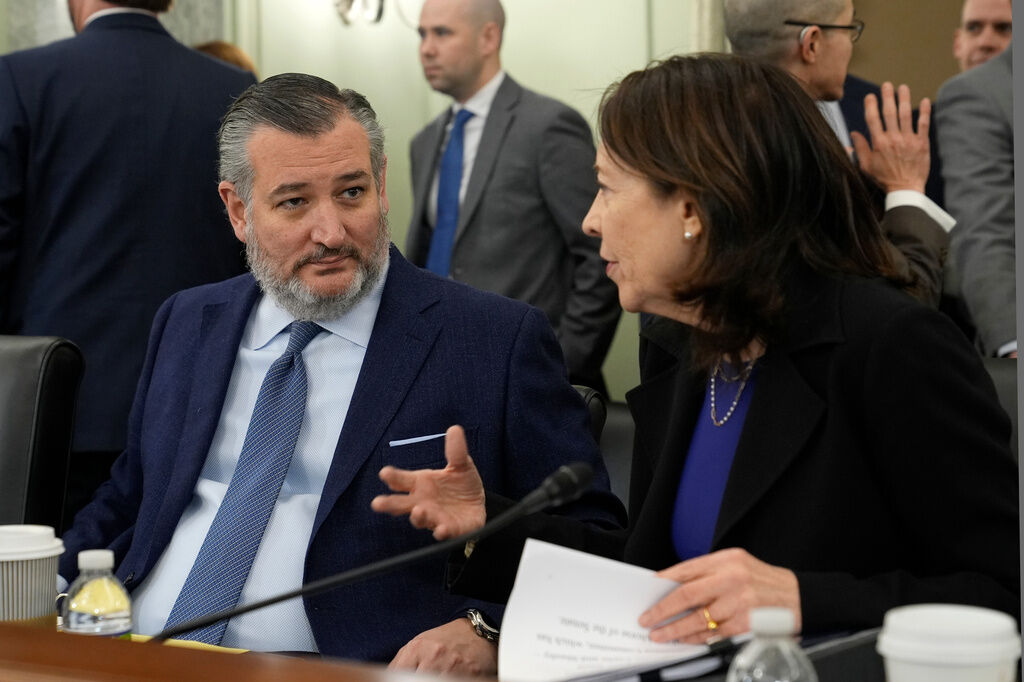
Ted Cruz suggests GOP realignment coming after Trump leaves office
Emily Hallas
emily-hallas@coloradopolitics.com
Updated 13 hours ago
Sen. Ted Cruz (R-TX) on Monday suggested the Republican Party could embrace a directional shift after President Donald Trump leaves office, a transition that promises to leave a gaping hole in the GOP. Cruz is known as a critical ally...
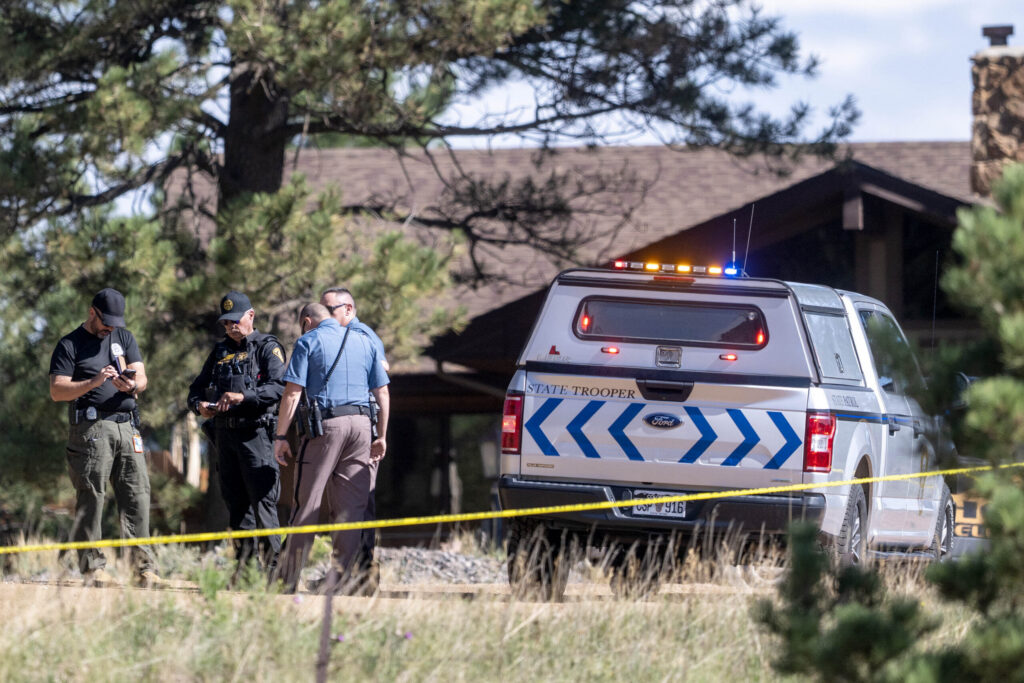
2 Colorado State troopers shot near Woodland Park; suspect killed
DEBBIE KELLEY
debbie-kelley@coloradopolitics.com
Updated 13 hours ago
Two Colorado State Patrol troopers were hospitalized, and a suspect is dead after a shooting during a traffic stop Tuesday. The initial incident happened at about 7:15 a.m., when a resident reported suspicious activity in the area near milepost 286...
Aurora moves forward with data center regulations
Kyla Pearce
kyla.pearce@gazette.com
Updated 13 hours ago
The Aurora City Council approved moving forward with two new regulations on data centers and directed staff to come back at the next study session with others. At a council meeting in early August, council members directed city management to...

Aurora City Council considers stricter food truck regulations
Kyla Pearce
kyla.pearce@gazette.com
Updated 13 hours ago
The Aurora City Council is considering passing laws to limit the number of food trucks on properties in the city and how and when they operate. Councilmember Angela Lawson, who sponsored the ordinance, said she understands the importance of food...

Denver murder conviction reversed for incomplete self-defense instruction
Michael Karlik
michael.karlik@coloradopolitics.com
Updated 11 hours ago
Colorado’s second-highest court reversed a defendant’s murder conviction last week because a Denver judge gave an incomplete instruction to the jury about the man’s right to self-defense. Donald R. Gonzales and Gary McLaughlin met up in a Capitol Hill parking...
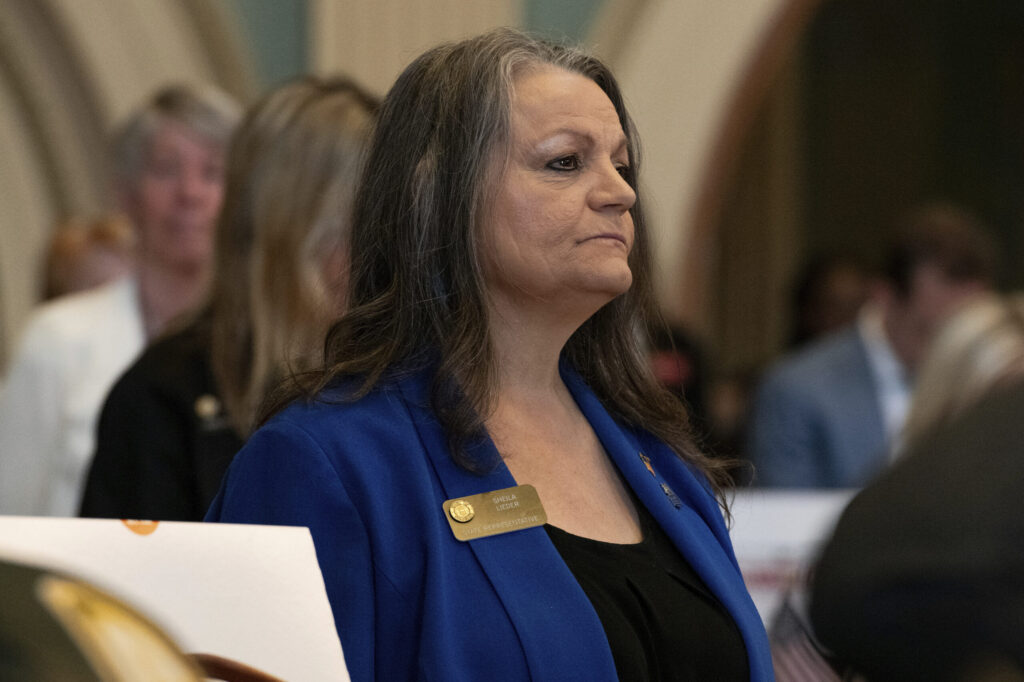
Colorado lawmaker, House leaders named in workplace-retaliation lawsuit
Marianne Goodland
marianne.goodland@coloradopolitics.com
Updated 14 hours ago
A former legislative aide has filed a lawsuit alleging she was mistreated, illegally directed to perform campaign work and harmed by a House leadership structure she charged was fragmented, politicized and ineffective at protecting employees. The lawsuit, filed by Jennifer...

Secret Service confirms awareness of Iranian state media video threatening Barron Trump’s life
The Associated Press
the-associated-press@coloradopolitics.com
Updated 19 hours ago
WASHINGTON (AP) — The U.S. Secret Service has confirmed it is aware that Iranian state media has aired a video that appears to threaten the life of Barron Trump, President Donald Trump’s youngest son. “The U.S. Secret Service is aware...

Blue states should avoid disasters | Hal Bidlack
Hal Bidlack
hal-bidlack@coloradopolitics.com
Updated 18 hours ago
Back when I was teaching political science at the U.S. Air Force Academy (and amazingly to me, a week from this column’s publication will mark 20 years since my retirement from active duty. Where the heck did that time go?)...