

GABEL | Tying our calloused farm hands like it’s 1984
Rachel Gabel

The loud crack startled the banker and interrupted his 1,000-yard stare in the general direction of the wood-paneled walls of his office. It was 1984 and the stack of files before him mirrored the courthouse lawn where — crack, crack, crack — a man was hammering another white cross on the lawn. There were more than 70 crosses, each representing a farm in the county that had been foreclosed upon. Many of the families represented by those crosses had sat across from the banker as he had told them they had 30 days to pay off their note.
The crack of the hammer startled the banker for other reasons, as well. He had heard about a man who called a bank, asking to see a farm they had foreclosed upon in hopes of purchasing it. The banker met the man there and it’s unclear if the banker realized the man was actually the farmer he had foreclosed upon or not before he fell, dead, on the dry ground. The farmer’s body was found a few hours later.
Farmers had been found by their wives, hanging from barn rafters. Their brides left to move their children out of their home all the while making lists of equipment and tractors and cattle and crops that were hauled off the farm by the semi-truck load. Bankers were shot in their offices by desperate men, many of whom they had known most of their lives.
It was a perfect storm, really. The 1970s had been good. Prices were solid, inputs were reasonable, and it was raining. Farmers had a little jingle in the bank and chose to upgrade equipment, purchase ground and even purchase the new Harvestore bin to store that valuable grain in on the farm. High land valuation translated to borrowing power and lenders were knocking on farmhouse doors, telling them they could borrow cash to make the operation really substantial. Strike while the iron’s hot, they said. Increased demand for trade was adding to the optimism in farm country.
The 1980s were ushered in by a dry year but, coming off the year previous, farmers were ready to ride it out. The dry year was followed by a year so wet that there was little to no crop across most of the fly-over states. A drought year followed, no crop again. In an effort to squelch inflation, interest rates were raised from 6% to 12% and then again to 18%. Land values dropped 60% and equity dissolved. The lenders who had once been knocking on farmhouse doors to lend money, now were banging on the same doors, calling notes due and posting eviction notices. The hulking Harvestore bins, once symbols of prosperity, were referred to as tombstones, marking the corpses of family farms.
The children who watched from the stairwell as their parents calculated and re-calculated income and expenses are now in their 40s and 50s. They, now, are the ones calculating and recalculating how to make the operation pencil when cow calf pairs are worth $1,000 and a tank of diesel in a pickup is worth nearly $6 per-gallon, or better. They’re listening to the ag broadcaster report on the fed raising interest rates. They’re hearing about a wheat crop in the high plains that is dominated by poor crop conditions. They’re driving and checking expensive sprinklers on corn fields that will be harvested by million dollar combines.
Of course, coming off a year of $8 corn and $16 beans, they might be ready to upgrade equipment or purchase ground. You know, strike while the iron’s hot. The lot at the local John Deere dealer is nearly bare, save for some used equipment. There’s a waiting list for new combines and tractors and planters. Of course, there’s a wait — sometimes indefinite — for parts that are tied up somewhere in “supply-chain disruptions.”
These farmers and ranchers — the ones who counted white crosses on the courthouse lawn and watched their daddies become old men while their mothers scraped every bit of cornbread mix into the cast iron pan to go with the beans — have heard these reports before. They have seen these headlines before. President Ronald Reagan came into their living rooms to tell them, “I want with all my heart to see your burdens lifted, to see farmers who have given so much to America receive the rewards they deserve. As Dwight Eisenhower once said, “without a prosperous agriculture, there is no prosperity in America.”
Today, President Joe Biden is taking farmland under the guise of conservation, his climate policy is costing millions at the red diesel pump and farm labor has become a divisive topic that has left “now hiring/estamos contratando” signs commonplace. Tying the calloused hands of ag producers at this stage of the game will be disastrous for consumers and producers alike. Feel-good and activist-driven legislation and regulations penned with minimal understanding of the actual business of ag production need to go the way of the dodo. While legislators are prepping for a new Farm Bill discussion is the perfect time to leverage rural prosperity driven by dirty hands and clean money.
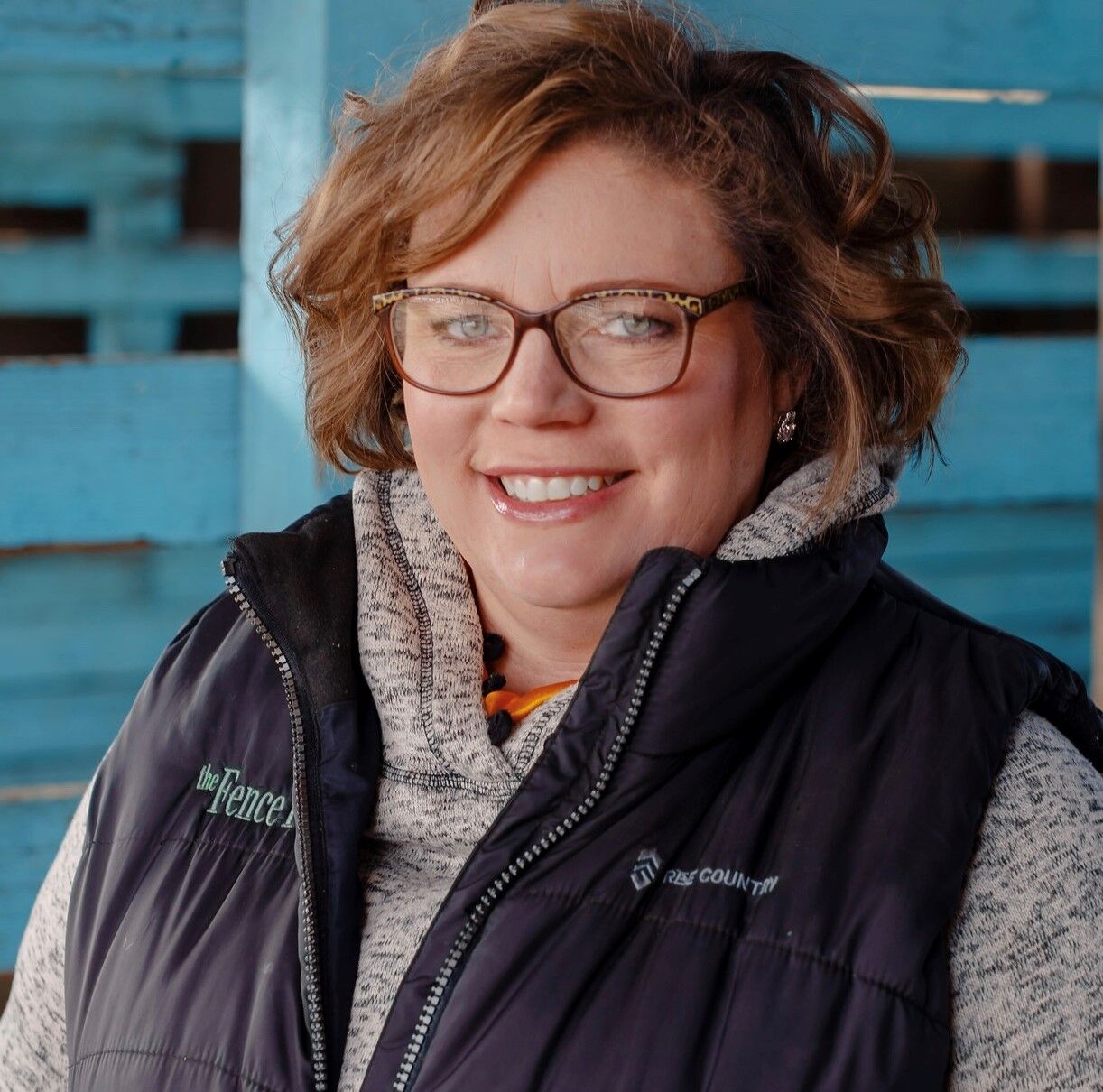
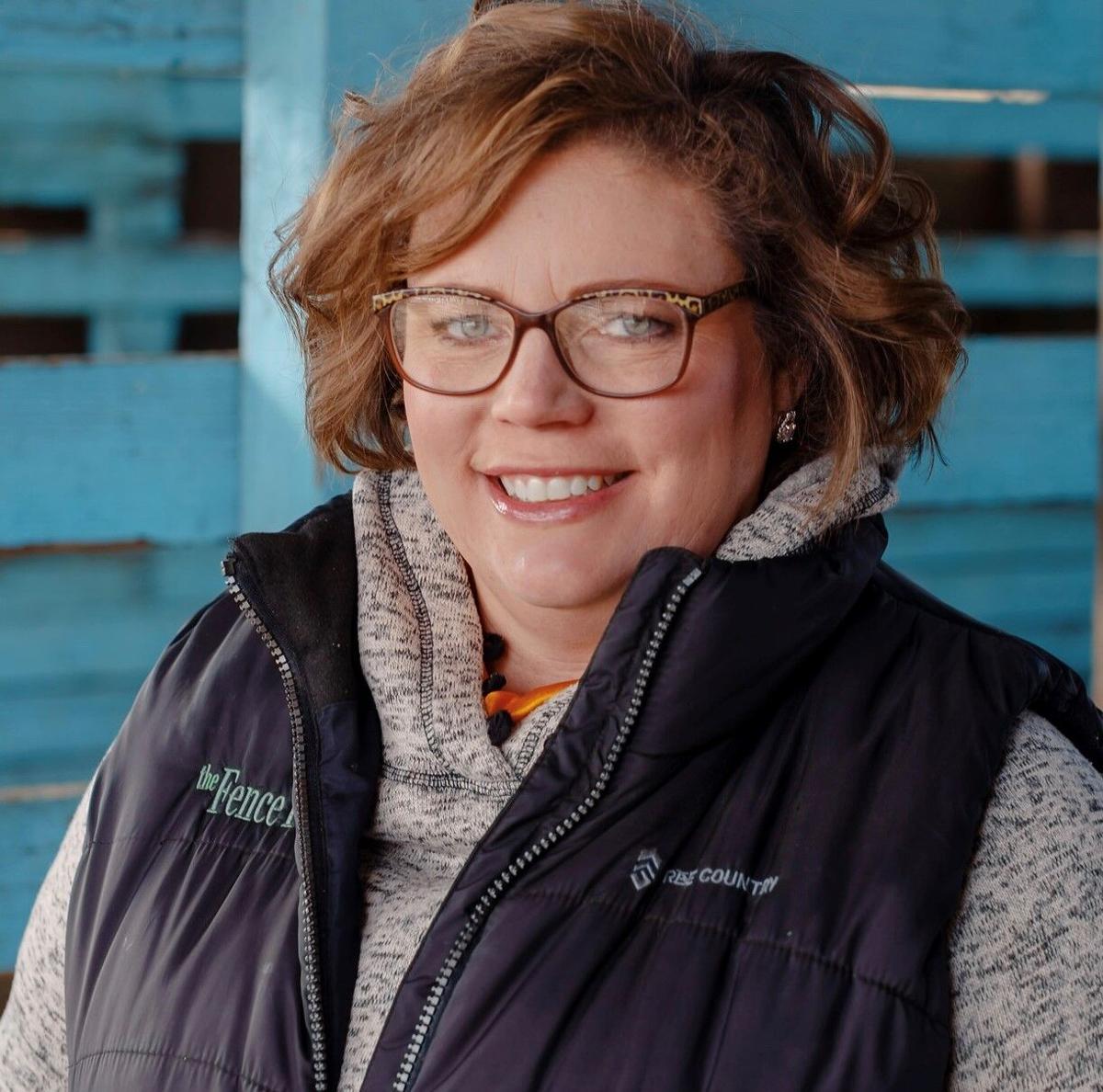
Rachel Gabel writes about agriculture and rural issues. She is assistant editor of The Fence Post Magazine, the region’s preeminent agriculture publication. Gabel is a daughter of the state’s oil and gas industry and a member of one of the state’s 12,000 cattle-raising families, and she has authored children’s books used in hundreds of classrooms to teach students about agriculture.

Some pointed questions for the gubernatorial hopefuls | George Brauchler
George Brauchler
george-brauchler@gazette.com
Updated 7 hours ago
Earlier this month, the Republican and Democratic candidates for governor participated in a televised interview moderated by well-known, left-leaning legacy media folks. Predictably, the questions asked of the GOP candidates were more aggressive, pointed, biographical and almost entirely disconnected from...
Chaotic funding throws monkey wrench into governor’s-race money madness | Paula Noonan
Paula Noonan
paula-noonan@coloradopolitics.com
Updated 7 hours ago
Chaos Monkey, Inc., gave a trifle $20,000 donation to Rocky Mountain Way (RMW), the independent expenditure committee (IEC) supporting U.S. Sen. Michael Bennet for Colorado governor. But why, Coloradans should ask, would a guy who has assigned his contributor name...

Lindsay Datko on school safety, misconduct and transparency in Jeffco schools | The OpEdge Podcast
Tony Olivero
tony.olivero@gazette.com
Updated 2 days ago
Jeffco Kids First founder Lindsay Datko joins The OpEdge to explore concerns about school safety, staff misconduct and transparency in Jefferson County Schools. Datko tells host and investigative columnist Jimmy Sengenberger why she believes Colorado’s second-largest district has too often...

Candidate’s disturbing anti-animal agriculture history | Rachel Gabel
Rachel Gabel
rachel-gabel@coloradopolitics.com
Updated 4 days ago
Rep. Manny Rutinel has busted out a cowboy hat for campaign photos and has thrown it into the ring to represent Colorado’s 8th Congressional District in D.C. He is endorsed by U.S. Sen. Cory Booker, a New Jersey democrat who serves on the Committee...

Marx, Bottoms, a primary death wish for Colorado GOP | Dick Wadhams
Dick Wadhams
dick-wadhams@coloradopolitics.com
Updated 4 days ago
Colorado Republicans stand on the brink of total irrelevance and embarrassment if they nominate one of the two nonsensical, buffoonish candidates running for governor, Victor Marx and Scott Bottoms. Republicans are already in a very defensive, tenuous position as Democrats...

Remember the grassroots reason for DEI | Miller Hudson
Miller Hudson
miller-hudson@coloradopolitics.com
Updated 3 days ago
The Trump administration’s jihad against Diversity, Equity and Inclusion (DEI) programs has metastasized into the most unexpected corners of American life. Yet, before examining this policy “incursion,” it’s worthwhile to examine the roots of DEI which reach back more than...

Why I’m voting Democrat | Jon Caldara
Jon Caldara
jon-caldara@coloradopolitics.com
Updated 6 days ago
It makes no sense to be a Republican in Colorado. Or a Democrat for that matter. On the day I turned 18, even before I bought my first legal 3.2 beer (remember 3.2 beer?), I went to the courthouse and...

A primary brings out primal instincts | SONDERMANN
Eric Sondermann
eric-sondermann@coloradopolitics.com
Updated 7 days ago
There are no Stanley Cup finals or NBA title showdowns involving local teams this June. In their place, we are inundated with primary election campaign ads. Coloradans can be excused for missing the diversion and alternate programming. But life can...
Colorado’s role in Spirit Airlines’ demise should not be ignored | GUEST COLUMN
Colorado Politics
colorado-politics@coloradopolitics.com
Updated 6 days ago
By Robin Rossenfeld At a time when Colorado families are already struggling with rising transportation costs, the collapse of Spirit Airlines could not come at a worse moment. According to the U.S. Bureau of Labor Statistics, prices in the Denver-Aurora-Lakewood...
How would Weiser, Bottoms, Bennet, Kirkmeyer address Colorado’s affordability problem? | Paula Noonan
Paula Noonan
paula-noonan@coloradopolitics.com
Updated 7 days ago
It’s decision time in Colorado as primary election ballots hit mailboxes this week. Democrats will pick their candidates in every statewide race, and Republicans select candidates for governor and Attorney General. GOP operatives wanted to exclude unaffiliated voters from their...
PREV
PREVIOUS

HUDSON | Forecasting the fallout from Tuesday's primary
Miller Hudson It isn’t often we have an opportunity to watch a political experiment play out in real time. Last week Colorado Republicans successfully defended mainstream (traditional and moderate) primary candidates against their Huns. In most races these contests proved a relatively close thing. But a win is a win; and, of course, just a […]

Denver Gazette: Rural Colorado fed up with coddling criminals
The headline-making seizure of a staggering 114 pounds of pure, deadly fentanyl recently on Interstate 70, as reported Saturday by The Gazette, is a stark reminder of Colorado’s fight for survival amid an epic crime wave. And it isn’t just hitting the metro areas of the Front Range. With just 46,796 citizens, the six-county 12th […]