

Judicial reform advisory panel stripped from bill
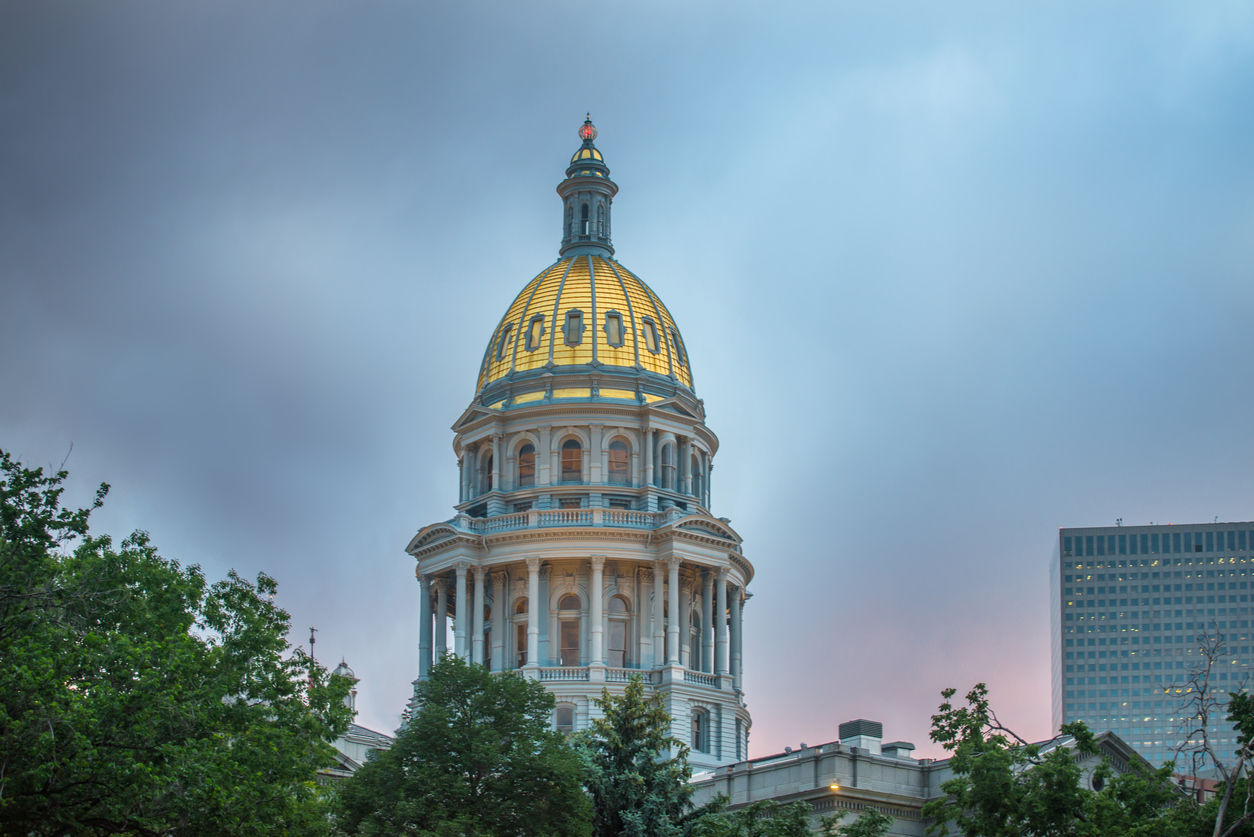
Sponsors of a bill that creates a legislative committee to study potential changes to how Colorado judges are investigated and disciplined on Friday stripped from the measure a 12-member advisory panel in favor of a mandate the committee instead seeks a wide array of opinions.
The advisory panel that was tacked onto Senate Bill 22-201 at a House hearing Tuesday was removed in that body’s appropriations committee because there wasn’t enough time for it to do the work required, co-sponsor Rep. Mike Weissman, D-Aurora, said.
“We reviewed the interim committee deadlines … and realized there would have been considerably less time for the (advisory) panel to operate than first envisioned,” Weissman said. “The panel likely also would have driven additional cost to the state.”
He said a requirement that the 8-member legislative committee reach out during its summertime work to a broad cross-section of people – judges, lawyers, bar associations, and experts on judicial discipline among the list – is “a simpler way” of accomplishing the same end.
The House passed the bill on a voice vote Friday and its final passage could come this weekend. The Senate will need to revisit the bill.
The committee will study potential changes to how the Colorado Commission on Judicial Discipline does its job, including whether voters should decide on a constitutional change that would make it wholly independent.
Currently, the commission is overseen by the Colorado Supreme Court, which makes its rules and approves its funding. The bill changes the source of that funding, instead having taxpayers foot the commission’s expenses.
Proponents pushed the concept of an advisory panel without any input from the commission, according to its president Elizabeth Espinosa Krupa, who told legislators they were surprised by it.
Legislators have privately said they were of the impression the panel idea came with the approval of the Judicial Department and the commission, which had cobbled an agreement to work together on any changes to the proposed legislation. That impression largely came from people working on behalf of the department, several people with knowledge of the discussions said.
“Once I testified (in committee) that wasn’t the case, apparently that caused a lot of concerns,” Krupa told The Denver Gazette in an interview. “We had an explicit agreement with the Judicial Department (to work together). We stopped talking to the bill sponsors because we didn’t think we had a fight anymore.”
The Judicial Department, according to a spokesman, continued to have conversations with legislators thinking “the sponsors were receiving input from the (discipline) commission on the interim committee process.”
“Had the department known that was not happening, it would have notified the commission that the discussions were taking place,” spokesman Rob McCallum wrote in an email to The Denver Gazette. “It would make no sense for the department to breach the trust of the commission and legislators in order to advance a minor amendment that simply helped ensure an inclusive and meaningful interim committee process.”
McCallum said that “at no point” did the Judicial Department make any representations about the commission’s position.
He added: “Moreover, it is incomprehensible that the department would attempt to mislead legislators about the commission’s position immediately before a public hearing where the commission would be providing testimony.”
Once the dust settled, lawmakers scratched the advisory panel – it would have been required to meet a half dozen times and tasked with issuing a report in October of its recommendations – and left the original committee to solicit input instead.
The commission and judiciary branch of government have been at odds since February 2021, when news came to light that a former judicial department official who faced firing was instead awarded a no-bid multi-million-dollar contract, allegedly with the approval of a sitting Supreme Court justice.
As the story unfolded and several investigations were launched, the commission learned it couldn’t pay its own investigator because the court wouldn’t approve the funding. That caused the normally secretive commission to tell legislators it needed to be more independent, prompting the current legislation.
In all the bill would add about three more employees to a one-person office and fund any special counsel the commission would need, including the one hired to look into the judicial scandal.


Colorado GOP request to block unaffiliated voters from receiving Republican primary ballots denied by judge
Ernest Luning
ernest.luning@coloradopolitics.com
Updated 8 hours ago
A federal judge on Tuesday denied the Colorado Republican Party’s request for an emergency injunction barring unaffiliated voters from participating in the state’s upcoming Republican primary election. U.S. District Court Judge Philip A. Brimmer said that preventing unaffiliated voters from...

Aurora not liable for suspended officer’s attack on woman, federal court rules
Michael Karlik
michael.karlik@coloradopolitics.com
Updated 9 hours ago
The Denver-based federal appeals court decided on Monday that the city of Aurora cannot be held liable for an officer’s attack on a woman while he was serving a suspension for shooting a different person. Wyoma Martinez filed suit against...

Colorado’s unprecedented AI law can’t be enforced yet, judge rules
Marianne Goodland
marianne.goodland@coloradopolitics.com
Updated 6 hours ago
A federal judge on Monday issued a delay in enforcing Colorado’s artificial intelligence law, touted by backers as a tool to protect consumers and residents from algorithmic discrimination but which critics called heavy-handed and unworkable. The lawsuit against Senate Bill...

Lawsuit from men wrongly arrested for Denver shooting dismissed by federal appeals court
Michael Karlik
michael.karlik@coloradopolitics.com
Updated 14 hours ago
The Colorado-based federal appeals court dismissed a lawsuit last week from two men who were arrested as suspects in a downtown Denver shooting when they instead appeared to be the targets. Trevor Puller and Deandre Hutchinson alleged that they were...
Colorado Supreme Court narrows consumer protection law for insurance claims
Michael Karlik
michael.karlik@coloradopolitics.com
Updated 1 day ago
The Colorado Supreme Court ruled on Monday that the legislature’s consumer protections requiring insurance companies to take certain steps before they allege a policyholder failed to cooperate do not apply to any obligation specifically laid out in the policy. In...
Car rental companies are not ‘insurers,’ Colorado Supreme Court rules
Michael Karlik
michael.karlik@coloradopolitics.com
Updated 1 day ago
The Colorado Supreme Court decided on Monday that car rental companies offering insurance policies are not also “insurers” under state law, who may be sued for their failure to pay out benefits on claims. By 4-3, the justices further concluded...

Lifetime sex offender registration not ‘punishment,’ Colorado justices say
Michael Karlik
michael.karlik@coloradopolitics.com
Updated 1 day ago
The Colorado Supreme Court concluded on Monday that lifetime sex offender registration is not cruel and unusual punishment because it is not “punishment.” At the same time, two members urged lawmakers to heed the advice of the Sex Offender Management...

Colorado Supreme Court oral arguments, chief appeals judge to retire | COURT CRAWL
Michael Karlik
michael.karlik@coloradopolitics.com
Updated 1 day ago
Welcome to Court Crawl, Colorado Politics’ roundup of news from the third branch of government. The state Supreme Court held oral arguments in multiple cases and traveled to the Eastern Plains to visit with students, plus the chief judge of...
Federal judge tosses class-action lawsuit over poor Vail Resorts experience during strike
Michael Karlik
michael.karlik@coloradopolitics.com
Updated 4 days ago
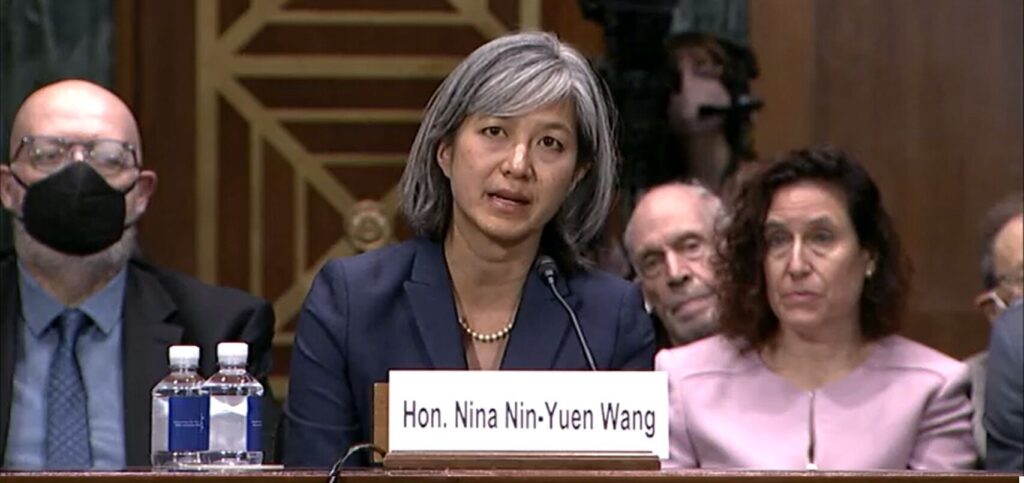
A federal judge dismissed a plaintiff’s proposed class-action lawsuit last month that sought compensation from Vail Resorts after a ski patrol strike turned a family vacation into a “colossal disaster.” U.S. District Court Judge Nina Y. Wang concluded plaintiff Christopher...
Federal judge allows disabled woman’s lawsuit to proceed against Elbert County sheriff
Michael Karlik
michael.karlik@coloradopolitics.com
Updated 5 days ago
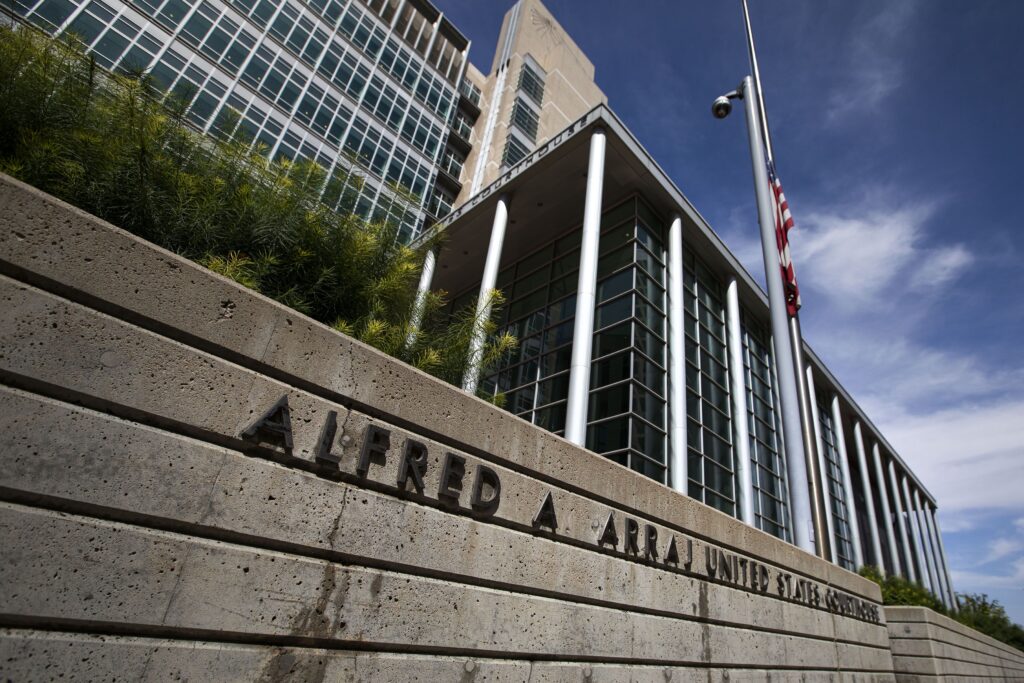
A federal judge rejected the Elbert County Sheriff’s Office’s attempt to dismiss a disability rights lawsuit against it on Tuesday, in which the plaintiff alleges she sustained further injuries after being forced to walk home 8.8 miles from the jail...
PREV
PREVIOUS

Metro district reform bill dies in late-night committee hearing
A bill that at first prevented, then allowed, then again prevented metro district developers from owning their own public financing died in a Senate committee, not long after the clock passed midnight Friday and bleary-eyed lawmakers trying to make sense of it all decided to put it to sleep. House Bill 1363 roller-coastered its way […]
OUT WEST ROUNDUP | Wildlife officials agree on Canada lynx protections in western states
MONTANA Canada lynx protections deal sealed by US, environmentalists BILLINGS – U.S. wildlife officials have agreed to craft a new habitat plan for the snow-loving Canada lynx that could include more land in western states where the rare animals would be protected, according to a legal agreement made public on April 26. The U.S. Fish […]