

Mayors of Colorado’s largest cities press for harsher penalties for fentanyl possession
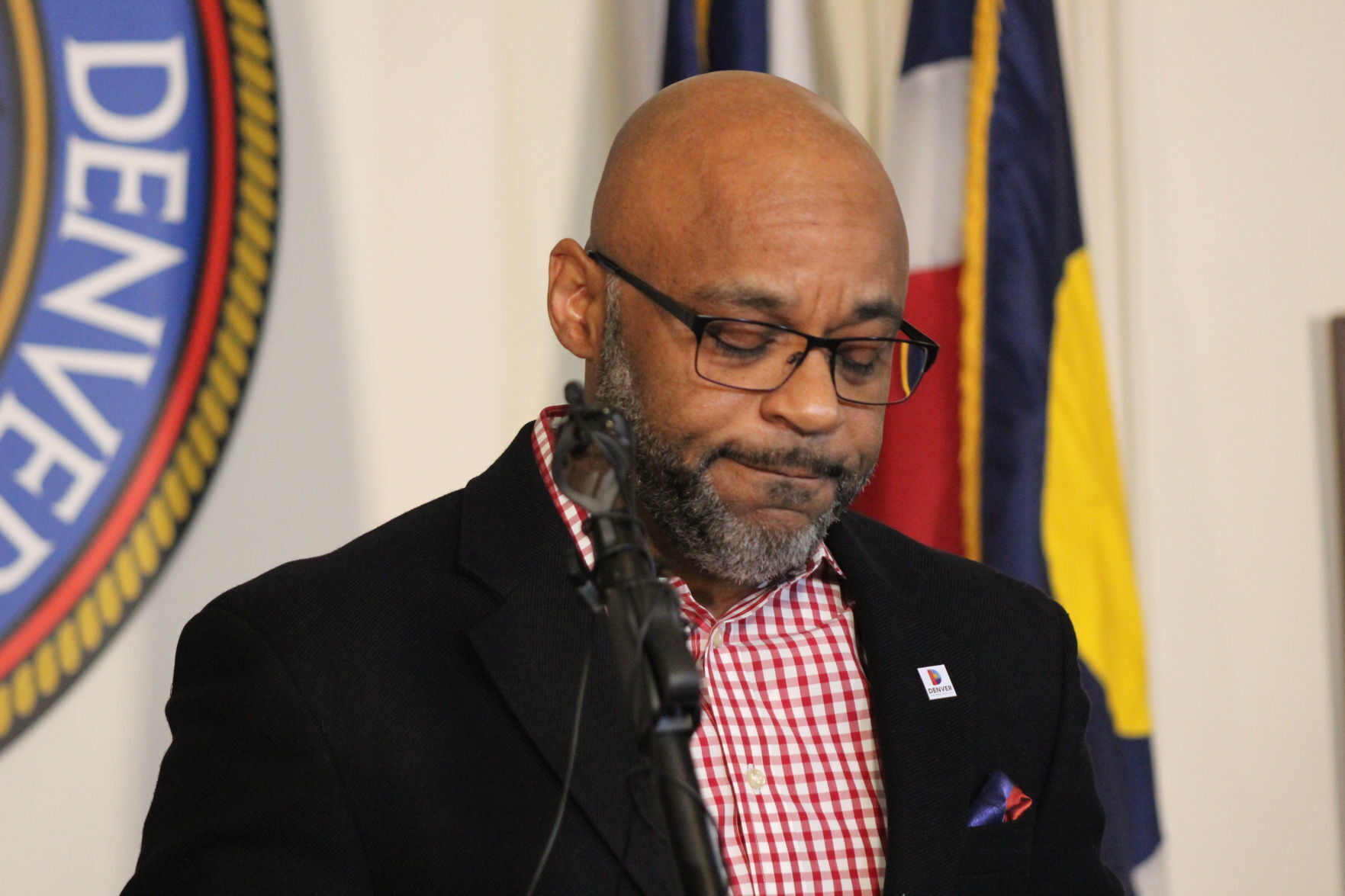
In a departure from the Democratic position at the state Capitol, Denver Mayor Michael Hancock pressed for harsher penalties for fentanyl possession, mirroring the position of the city’s police chief and other law enforcement officials.
Colorado Springs Mayor John Suthers also echoed Hancock’s plea, joining other state leaders and law enforcement officials in saying that a fentanyl bill introduced last week by the Colorado Legislature “does not go far enough.”
In a statement, Suthers said the bill – which targets drug dealers by proposing increased criminal penalties – “does not adequately address the nature and extent of the fentanyl problem in the state.”
The proposed legislation targets drug dealers by proposing increased criminal penalties. It also includes a variety of public health and harm-reduction efforts.
The legislation comes amid heightened attention to the drug’s increasingly deadly impact in Colorado. Fatal overdoses involving the drug have skyrocketed since 2015, the product of shifting economics and priorities within the illicit drug trade and accelerated by the pandemic. More than 800 Coloradans died after ingesting fentanyl in 2021, according to state data. That represents a roughly 50% increase from 2020 and more than triple the number of deaths from 2019.
Hancock released a statement late Thursday, a day after a draft of the bipartisan bill aimed at combating the fentanyl crisis was unveiled. The draft received praise from state officials on Wednesday, but Hancock believes it doesn’t address every issue, specifically possession of fentanyl.
“The evidence is clear: Half of all Denver overdose deaths are related to fentanyl,” Hancock said in the statement. “There is no safe amount of fentanyl unless directed by a physician, and unless we work to deter people from possessing amounts that are enough to kill up to 2,000 people, we cannot say we have fully addressed the problem.”
Under the legislation, any possession of fentanyl with an intent to distribute, no matter how much, is a minimum class 2 drug felony, a charge that can result in imprisonment of two to four years, plus fines of $2,000 to $500,000. Simple possession of up to 4 grams remains a misdemeanor offense.
While he commended lawmakers for “attempting to fix the problem,” Denver Police Chief Paul Pazen told The Gazette on Wednesday that he doesn’t know what could justify allowing possession of up to 4 grams of fentanyl to remain a misdemeanor.
“There is no safe amount of fentanyl on our streets,” he said, nothing that, on average, more than one person dies from a drug overdose in Denver every day. “And we are hopeful that this possession side can be addressed, just based on the level of harm that fentanyl has created.”
Law enforcement groups echo that sentiment.
A coalition that represents county sheriffs, police chiefs and the state Fraternal Order of Police said the bill draft “falls short of protecting our communities” because it doesn’t “reestablish firm criminal consequences for dealing and possessing deadly amounts of this dangerous drug.”
The coalition, like Pazen, also criticized a 2019 law that made it a misdemeanor to possess up to 4 grams of many substances, including fentanyl. Law enforcement officials blame that law for exacerbating Colorado’s opioid crisis, but advocates say overdoses began rising before that change and that the problem is not isolated to Colorado.
The bill’s supporters praised its approach to addressing fentanyl and described the measure as an important tool in going after dealers and an answer to calls for more investment in harm reduction measures.
“Fentanyl is unlike any drug we’ve seen before, and we need to treat it differently,” said House Speaker Alec Garnett, D-Denver, on Thursday. “This bill gives law enforcement and prosecutors the tools needed to put dangerous fentanyl dealers behind balls.”
Gov. Jared Polis said the legislation will help law enforcement and district attorneys get distributors off the streets, as well as create a path forward for those addicted to those compound drugs.
In a statement on Wednesday, Attorney General Phil Weiser called the proposal a “much-needed stride forward to remove this deadly potions from our streets.” Weiser earlier pressed for increased criminal penalties for fentanyl possession.
“By strengthening penalties for those who knowingly or intentionally deal fentanyl and fentanyl-laced substances that kill people, and offering needed funds for addiction treatment and appropriate harm reduction, this bill gives law enforcement valuable tools it needs to remove dangerous fentanyl and high-level drug dealers from our communities,” he wrote. “And rather than criminalizing those struggling with addiction, it provides support and resources for those who need help.”
The law enforcement coalition said Colorado cannot afford to “take small, incremental steps to address the fentanyl crisis,” adding that “not taking these bold steps will only lead to more tragedy for Coloradans.”
“This drug is so deadly that possession of any amount should have a felony consequence,” the coalition wrote. “Since no amount of fentanyl is safe, this coalition will seek amendments to elevate ‘simple possession’ to a felony.”
The bill will rely on about $29 million in American Rescue Plan Act funds, according to Colorado Politics. It is unknown how much the state will contribute and is still a work in progress.
Denver Gazette reporter Seth Klamann and Colorado Politics Reporter Marianne Goodland contributed to this report.


Denver sues Trump to block armed ICE agents from polling sites
Deborah Grigsby
deborah.smith@denvergazette.com
Updated 32 minutes ago
The city of Denver, along with several groups, sued the Trump administration Thursday, seeking to block U.S. Immigration and Customs Enforcement officers who are armed from polling sites during the upcoming midterm elections. In fact, there are no official orders...
Federal judge takes no action against ICE in Colorado after hearing about mistakes, not ‘blatant violations’
Michael Karlik
michael.karlik@coloradopolitics.com
Updated 3 hours ago
A federal judge declined to take action against U.S. Immigration and Customs Enforcement on Thursday after hearing that a pattern of alleged lawbreaking amounted to mistakes and a misunderstanding of the government’s position in court. For nearly a year, Colorado’s...
Colorado doctors, dentists challenge state law on gender‑transition services in new federal lawsuit
Marissa Ventrelli
marissa.ventrelli@coloradopolitics.com
Updated 2 hours ago
A group of Christian doctors and dentists has filed a federal lawsuit challenging a Colorado law they say requires them to provide gender‑transition services that conflict with their religious and ethical beliefs. The lawsuit, filed by the Christian Medical and...

Colorado Parks & Wildlife staff kill third wolf in 3 days
Marianne Goodland
marianne.goodland@coloradopolitics.com
Updated 2 hours ago
Colorado’s wildlife division on Thursday said that staff and contracted agents killed an uncollared female yearling wolf a pack after confirming she had been killing livestock in Grand County. Three wolves from three separate packs have been killed in the...
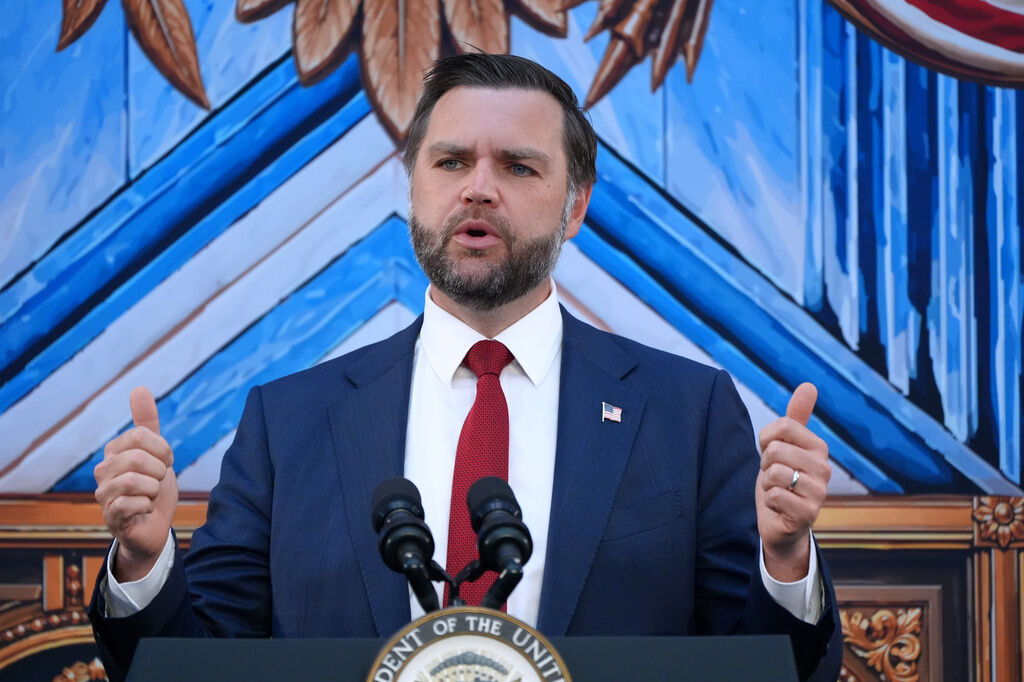
Vance strikes back at concern $5,000 Trump dividend will stoke debt: ‘Wealth will go back to the people’
Emily Hallas
emily-hallas@coloradopolitics.com
Updated 8 hours ago
Vice President JD Vance on Wednesday sought to deflect criticism that President Donald Trump’s newly proposed $5,000 dividend would further bankrupt the United States, arguing the handout would be offset by tariff revenue. Trump promised “every adult citizen” would receive...
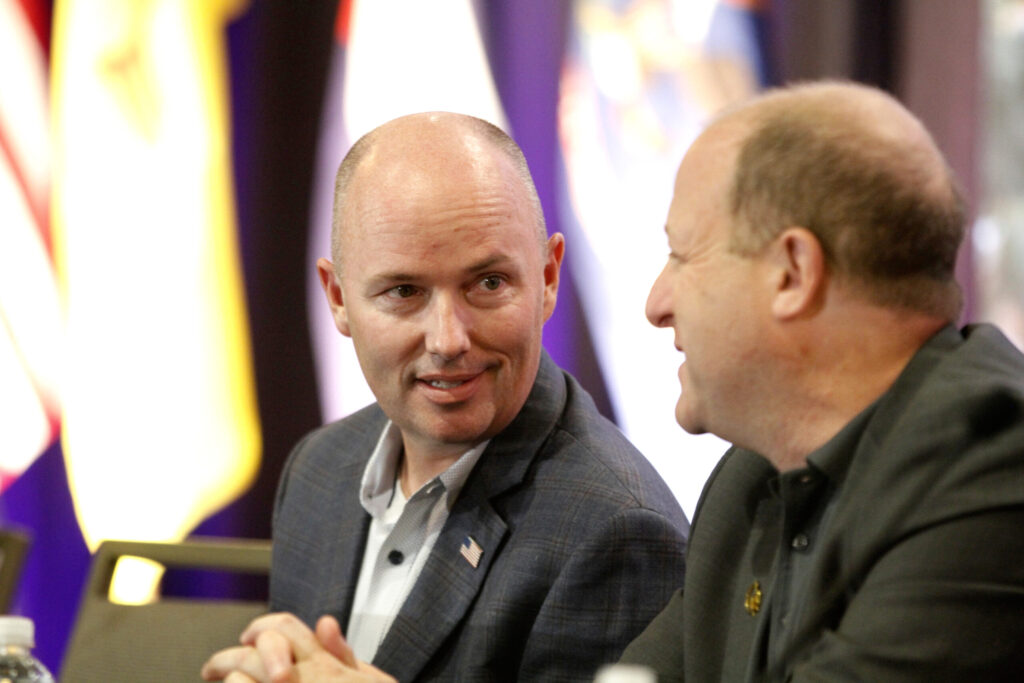
Utah governor renews call for ‘civility’ one year after Charlie Kirk assassination
David Sivak
david-sivak@coloradopolitics.com
Updated 8 hours ago
PHILADELPHIA — Spencer Cox, R-UT, the Utah governor who rose to national prominence with his calls for civility in the wake of Charlie Kirk’s assassination, used a stage in Philadelphia to argue that his message is just as salient one...
JD Vance faces big primetime moment at GOP midterm convention as Ted Cruz waits in the wings
Christian Datoc
christian-datoc@coloradopolitics.com
Updated 8 hours ago
Vice President JD Vance will take center stage on the final night of the Republican midterm convention on Thursday, giving him another opportunity to cement his standing as the early favorite to inherit President Donald Trump’s political movement in 2028....

How Charlie Kirk’s murder drove Trump’s crackdown on ‘radical-left lunatics’
Hudson Crozier
hudson.crozier@washingtonexaminer.com
Updated 8 hours ago
When Turning Point USA founder Charlie Kirk was gunned down in Utah a year ago, some leftists warned the killing could backfire for them. Far-left blogs and forums discussed how President Donald Trump would escalate law enforcement “repression” in the...
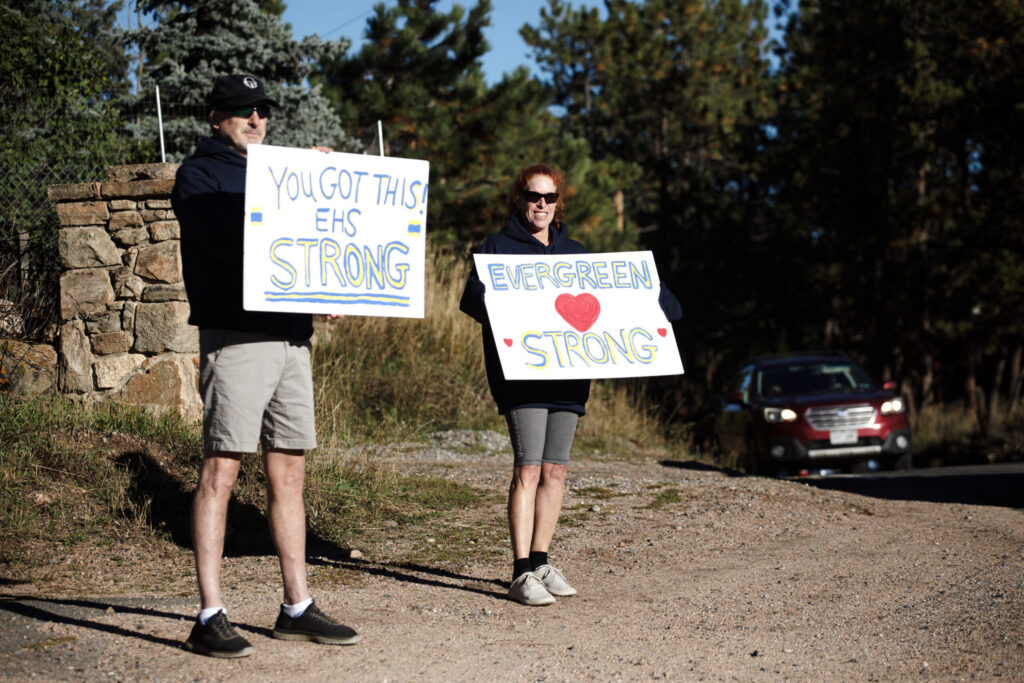
Evergreen High School marks one year since shooting on campus
Kyla Pearce
kyla.pearce@gazette.com
Updated 35 minutes ago
Thursday marks one year since the Evergreen High School shooting that injured two students and left the shooter dead. On Sept. 10, 2025, Desmond Holly, 16, entered the school armed with a Smith & Wesson .38 revolver and opened fire...
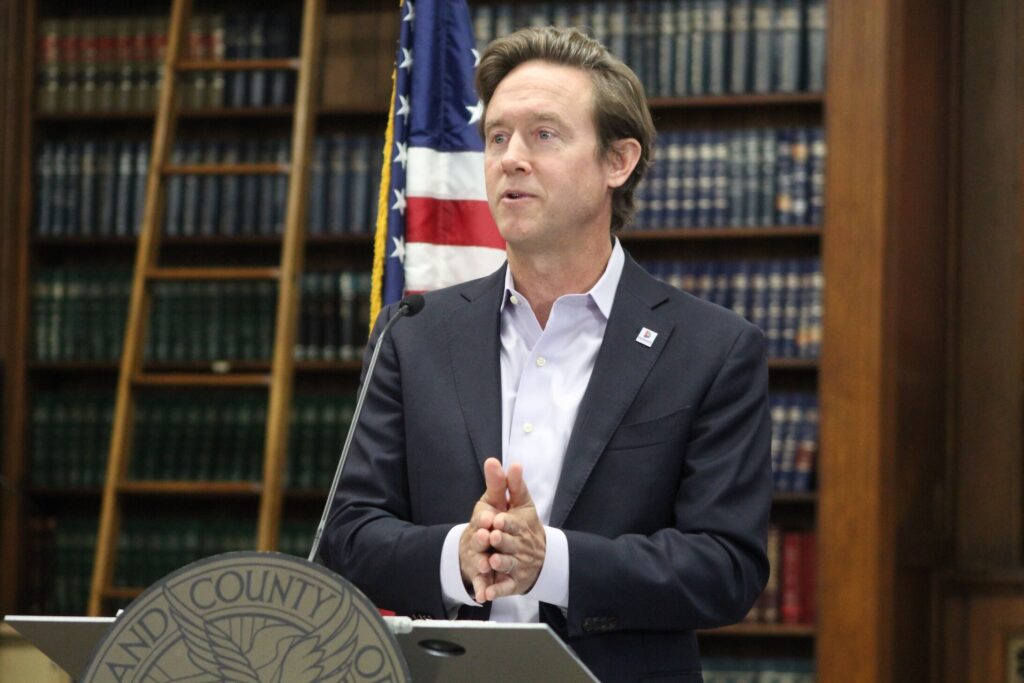
Denver mayor unveils 2027 budget after weeks of warning of tough choices
Nico Brambila
nico.brambila@denvergazette.com
Updated 9 minutes ago
Denver Mayor Mike Johnston unveiled his proposed 2027 budget Thursday after weeks of warning that the city is entering a tighter financial era despite stronger-than-expected revenue collections this year. The projected general fund revenue for 2027 is $1.684 billion, the...
PREV
PREVIOUS

Granada school teacher, students help enshrine Camp Amache's legacy
When John Hopper, dean of students for the Granada School District, began teaching his history students about Camp Amache in the early 1990s, the site was a sage-brush strewn prairie dotted with concrete foundations. Now, after Hopper and his students spent decades preserving the former Japanese American internment camp from World War II, advocating for it, […]

What's next for Colorado hospitals, health care with staffing as COVID-19 pandemic ebbs?
When the pandemic began two years ago, many policymakers and health officials worried over hospital capacity. Did hospitals – here and across the country – have enough beds to meet the expected flood of COVID-19 patients? As the pandemic wore on, the concern shifted away from beds themselves and toward the doctors, nurses, respiratory therapists and […]