

COURT CRAWL | Denver policing trial continues, Supreme Court weighs business issues
Welcome to Court Crawl, Colorado Politics’ roundup of news from the third branch of government. Last week, the civil trial over Denver’s police response to the 2020 racial justice protests continued in federal court, and the Colorado Supreme Court turned its focus to business-related issues.
Ex-city employees take the stand
? The jury trial over Denver’s handling of racial justice protests following the 2020 murder of George Floyd in Minneapolis wrapped up its second week. One former police officer testified that video clips showing officers deploying less-lethal weapons were “one piece of a puzzle of everything that was going on.”
? Denver’s former independent police monitor, Nick Mitchell, also testified that commanders within the police department criticized officers in the field for not having a clear tactical objective when engaging with protesters.
? On the other hand, jurors heard that an assertive police response was warranted: “In 40 years, I’ve never seen such violence against police. I never saw such angry people – justified, possibly – but they were attacking officers.” –Patrick Phelan, incident commander of the protests, now retired
? Follow The Denver Gazette’s continuing coverage of the trial.
Interstate drivers and insurance companies
? In response to an inquiry from Colorado’s federal court, the state Supreme Court interpreted for the first time whether Colorado law allows individual insurance claims handlers to be held financially liable for denying or delaying payment on a claim. According to the justices, it does not. The court said insurance companies are the only parties that can be sued, to the relief of industry groups.
? The justices also heard oral arguments on an issue that doesn’t exist any more due to changes in regulations, but did exist circa 2015, when four men were hired to be commercial drivers for a Gypsum-based trucking company. Did Colorado wage law entitle them to overtime pay because they were intrastate – as opposed to interstate – drivers? And, on a related note, did they actually qualify as intrastate drivers?

When is there a reason to know?
? The Court of Appeals recently decided that an Adams County judge did not have reason to know that the child at the center of a custody proceeding was an “Indian child” under the federal law that protects tribal rights in cases involving American Indian children. This was despite the fact that the judge heard repeatedly from the child’s mother that she may have tribal lineage.
? The decision puts it at odds with another ruling from the Court of Appeals just a few months ago in favor of a lower threshold for judges having “reason to know” that a child is an Indian child. Fortunately, that divide will get worked out at the Supreme Court, as the justices have agreed to review the “reason to know” standard.
? The justices have shown an interest lately in cases interpreting the requirements of the Indian Child Welfare Act. In addition to the “reason to know” appeal, the Supreme Court has already decided one ICWA case and heard oral arguments in another within the past year.
Decisions on appeal
? The U.S. Court of Appeals for the 10th Circuit found a parole officer and Lakewood police officers could not be held liable for arresting a man on parole, even though they had no probable cause of a crime or parole violation.
? The City of Boulder is hoping the 10th Circuit will overturn a jury’s verdict – upheld by a lower court judge – that it was liable for its officers’ violation of a man’s constitutional rights.
? The state’s Court of Appeals determined that the Colorado Department of Revenue is a “victim” who is entitled to restitution by defendants who avoided paying taxes.
? A prosecutor in Arapahoe County promptly excused three Black people in a row from serving on the jury for a Black defendant’s trial. The Court of Appeals said everything seemed above-board, with no racial discrimination at play.
Vacancies and appointments
? The governor has appointed El Paso County Attorney Diana K. May to be a district court judge in the Fourth Judicial District, succeeding retiring Judge G. David Miller.
? Applications are due by March 29 for a vacancy on the Jefferson County Court to succeed retiring Judge Harold Sargent.
? There are three finalists to succeed William R. Lucero as Colorado’s presiding disciplinary judge for attorney discipline. The Supreme Court will choose between Bryon Large, Carey Markel and Joseph Michaels.
Miscellaneous decisions
? The Court of Appeals found sufficient evidence for a jury to convict a man of burglary when he entered a woman’s motel room after she called him the N-word.
? In a rare vote, the Alamosa City Council approved a $10,000 expenditure to help recall District Attorney Alonzo Payne.
? A Douglas County charter school group waited too long to sue the school district for revoking its contract, a federal judge said.
SCOTUS check-in
? This week, the U.S. Senate’s Committee on the Judiciary is conducting nomination hearings for Judge Ketanji Brown Jackson to be the next justice of the U.S. Supreme Court.
? In other SCOTUS news, Justice Clarence Thomas is hospitalized with an infection, according to reports from Sunday.


Federal judge green-lights civil trial against ex-Fort Collins DUI officer
Michael Karlik
michael.karlik@coloradopolitics.com
Updated 2 days ago
A federal judge ruled on Thursday that Fort Collins’ former “DUI officer” will face a civil trial for allegedly investigating a motorist for impaired driving without any reasonable suspicion to do so. In recent years, several people arrested by Officer...

Colorado Supreme Court suspends Mesa County judge pending misconduct investigation
Michael Karlik
michael.karlik@coloradopolitics.com
Updated 22 hours ago
The Colorado Supreme Court suspended Mesa County Court Judge Michael J. Grattan on Thursday amid a misconduct investigation. The court’s Sept. 10 order gave Grattan 21 days to explain why his paid suspension should not continue through the end of...
Colorado Supreme Court changes course, dismisses case about special district bonds
Michael Karlik
michael.karlik@coloradopolitics.com
Updated 22 hours ago
The Colorado Supreme Court declined on Friday to decide a dispute between a large-scale Commerce City development and the various districts financing it, after initially showing interest in the ongoing case. Colorado has roughly 2,800 special districts, which are local...
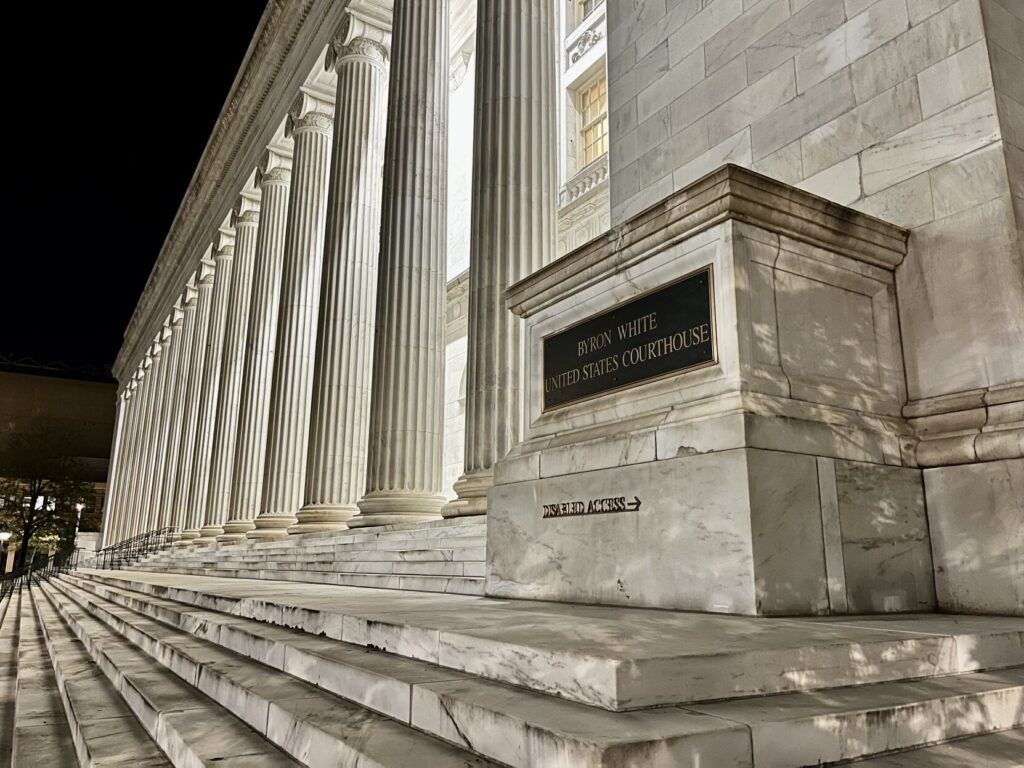
10th Circuit tosses GEO Group’s pretrial appeal in human trafficking lawsuit
Michael Karlik
michael.karlik@coloradopolitics.com
Updated 3 days ago
The Denver-based federal appeals court dismissed an attempt by The GEO Group on Wednesday to appeal a trial judge’s non-existent decision two months before the company is scheduled to face a civil trial over alleged trafficking violations at the Aurora...
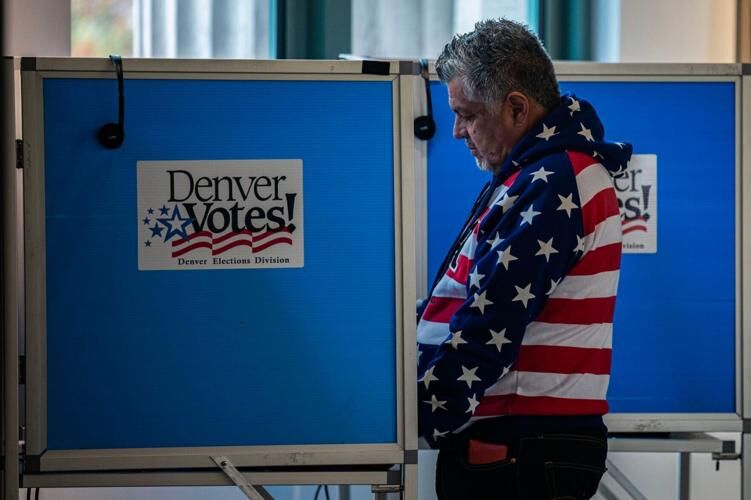
Denver sues Trump to block armed ICE agents from polling sites
Deborah Grigsby
deborah.smith@denvergazette.com
Updated 3 days ago
The city of Denver, along with several groups, sued the Trump administration Thursday, seeking to block U.S. Immigration and Customs Enforcement officers who are armed from polling sites during the upcoming midterm elections. In fact, there are no official orders...
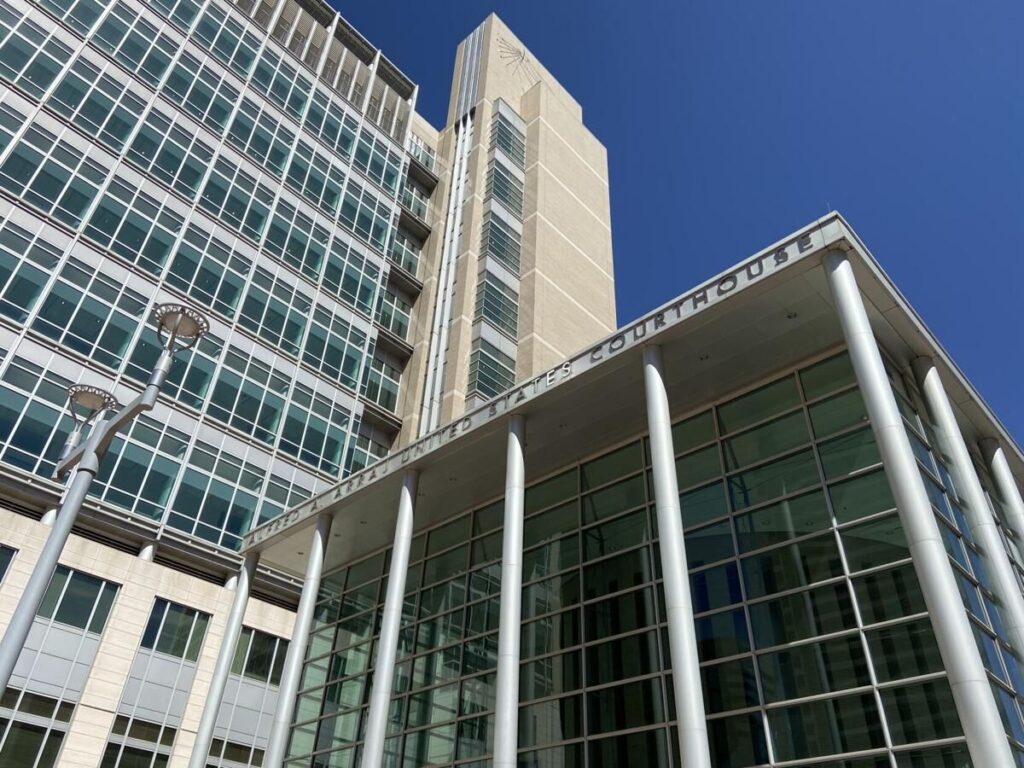
Federal judge takes no action against ICE in Colorado after hearing about mistakes, not ‘blatant violations’
Michael Karlik
michael.karlik@coloradopolitics.com
Updated 20 hours ago
A federal judge declined to take action against U.S. Immigration and Customs Enforcement on Thursday after hearing that a pattern of alleged lawbreaking amounted to mistakes and a misunderstanding of the government’s position in court. For nearly a year, Colorado’s...
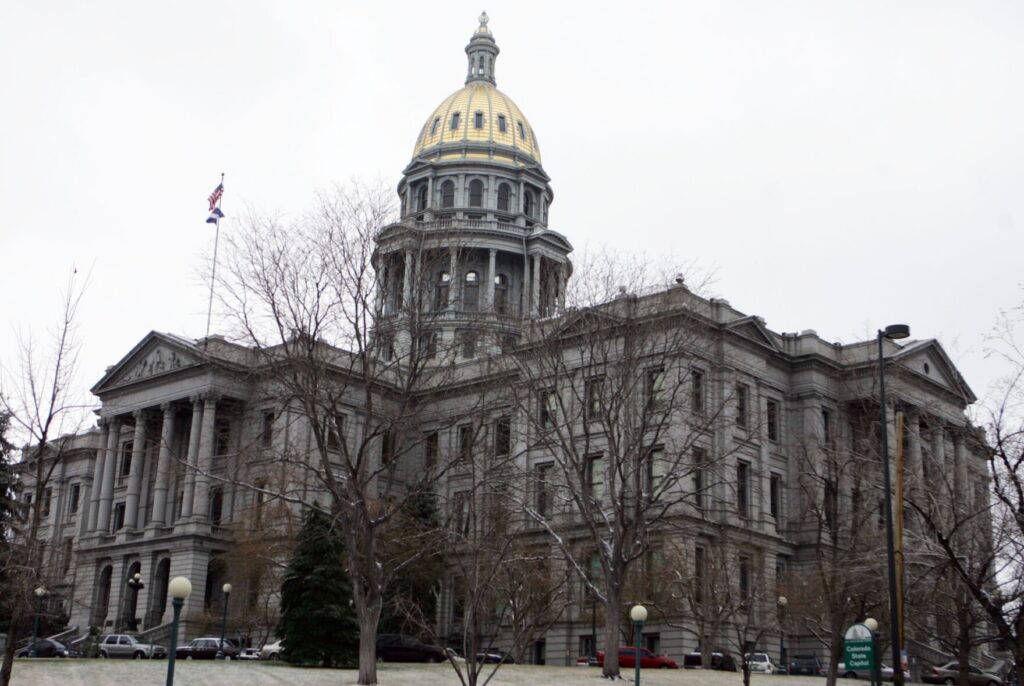
Colorado doctors, dentists challenge state law on gender‑transition services in new federal lawsuit
Marissa Ventrelli
marissa.ventrelli@coloradopolitics.com
Updated 17 hours ago
A group of Christian doctors and dentists has filed a federal lawsuit challenging a Colorado law they say requires them to provide gender‑transition services that conflict with their religious and ethical beliefs. The lawsuit, filed by the Christian Medical and...
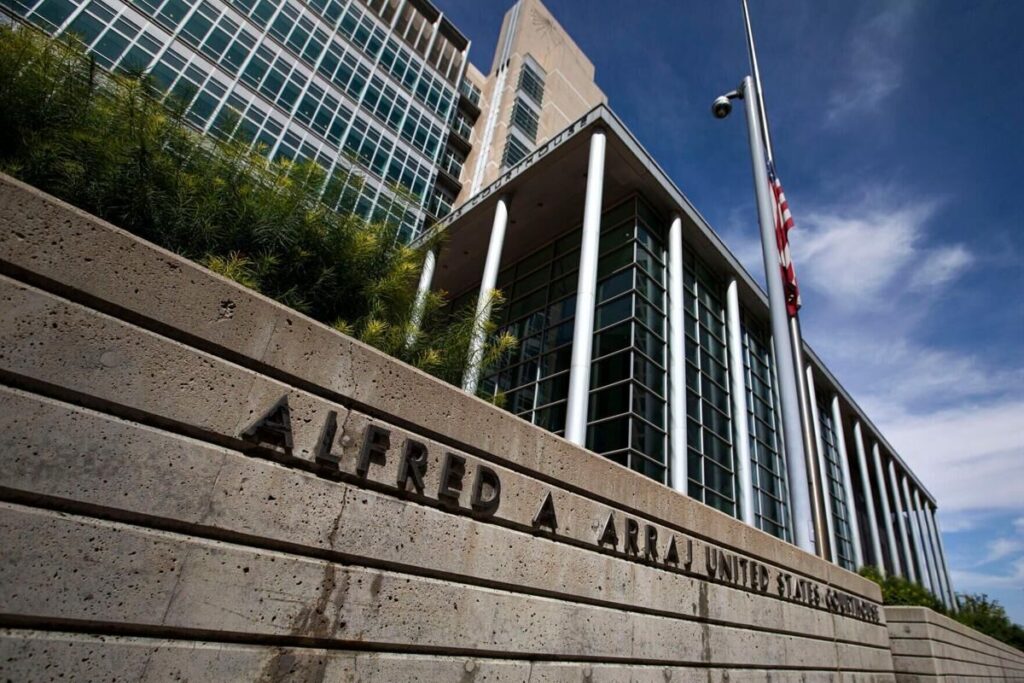
Federal judge directs plaintiff to revise complaint alleging Denver officers’ constitutional violations
Michael Karlik
michael.karlik@coloradopolitics.com
Updated 20 hours ago
A federal judge directed a plaintiff to revise his allegations on Wednesday to more precisely state what two Denver officers and the city itself allegedly did to violate his constitutional rights by facilitating his prosecution for murder until prosecutors dropped...
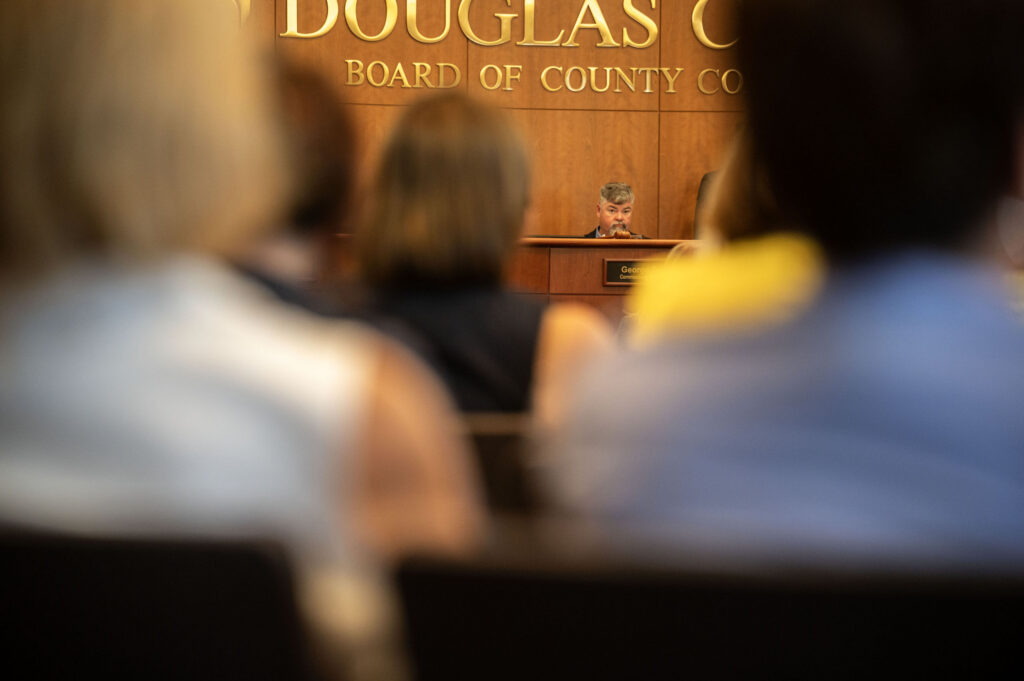
Lawsuit challenges Douglas County commissioners’ ballot actions
Nicholas Fogleman
nicholas.fogleman@denvergazette.com
Updated 3 days ago
A new lawsuit against Douglas County commissioners seeks to invalidate the board’s intervention in efforts to expand the commission from three members to five and restore the original ballot language approved by more than 20,000 petition signers. The suit marks...
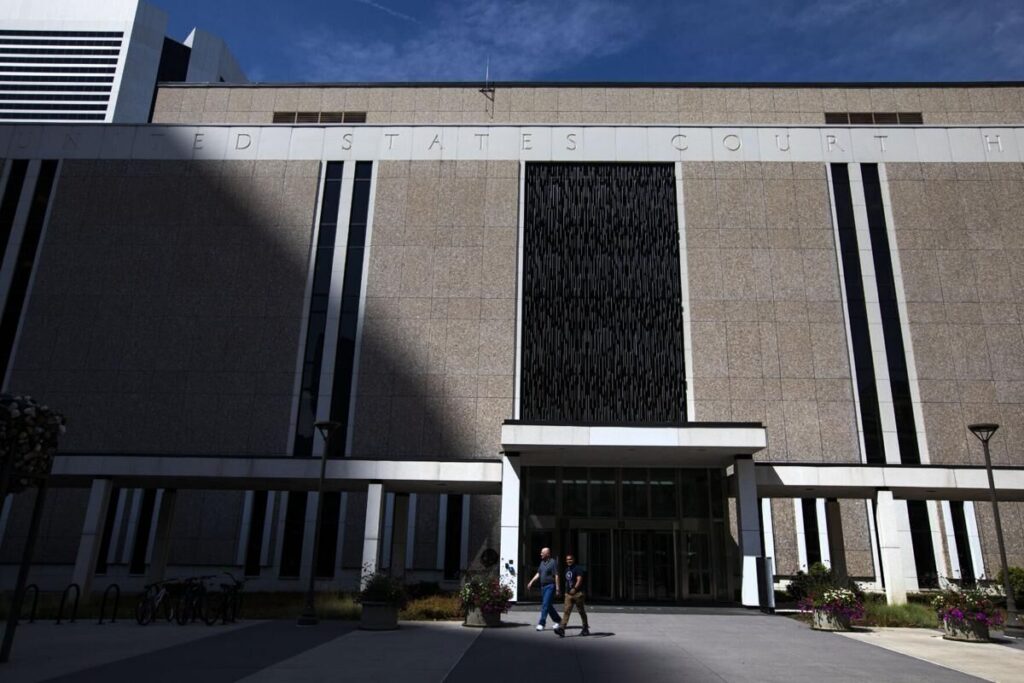
Federal judge explores new sanctions against ex-Colorado judicial discipline director
Michael Karlik
michael.karlik@coloradopolitics.com
Updated 22 hours ago
A federal judge on Wednesday directed Colorado’s former judicial discipline director, for the third time this year, to explain why she should not sanction him for his latest conduct in his litigation against the state’s judiciary. Christopher S.P. Gregory, who served...
PREV
PREVIOUS

Colorado snowpack strong, but not yet enough to recover from drought conditions
As wintry weather moves in Monday, forecasters are rooting for many more wet and snowy spring days to help the state recover from drought conditions. The U.S. Drought Monitor shows, as of Thursday, much of the state is in moderate or severe drought, despite strong snowpack across Colorado. The snowpack is tracking close to average […]

National teacher union leaders visit Colorado to advocate for collective bargaining bill
Just how significant would it be for Colorado to allow part-time college faculty to unionize and engage in collective bargaining? Look no further than the state Capitol Monday, when national presidents of the American Federation of Teachers and the American Association of University Professors met with Gov. Jared Polis, hoping to keep public higher education […]