

GABEL | Polis is no friend of Colorado agriculture
Gov. Jared Polis’ actions point to an administration more friendly to anti-agriculture activists and extremists than the industry that carried the state’s economy through crazy times. Unlike any prior administration, he has cultivated an environment that is inviting, if not supportive, of misguided attempts to dismantle the state’s agriculture industry. All of this is done at the expense of the consumer.
At an annual meeting of the Colorado Cattlemen’s Association, and after months of demonstrating his disdain for the industry, Polis told the group of cattle producers before him that he is the best governor for agriculture that the state has ever seen or ever will see.
When Polis purchased Impossible Whoppers for the staff of the Department of Agriculture in 2019 and encouraged staffers to look beyond beef for ways to capitalize on the plant-based protein trend, it surprised the state’s agriculture community. With young and green Commissioner Kate Greenberg at the helm of the Department, it appeared that pushing back on the governor wasn’t in the cards.
The comments came days after a Kansas Tyson beef processing plant was shuttered by a fire, causing major market disruptions and a backlog of cattle from the ranch gate to the plate. Polis lunched with Colorado Politics’ Joey Bunch and, over an Impossible Whopper, told Bunch that adapting to the market is critical, saying between bites, “Today’s Walmart is tomorrow’s Sears.”
That was followed by an appearance at the Colorado State Fair where he told me that specialty agriculture can offer producers greater margins, offering an example of a water buffalo dairy known for their artisan mozzarella cheese. His agriculture department continued to encourage hemp production while aspiring hemp growers drove farmland rental prices through the roof, only to later abandon the farms, covered in weeds with black plastic sheets flapping in the wind.
As 2019 drew to a close, voters were asked to decide whether to forcibly introduce wolves into Colorado and, because land and cattle don’t get a vote, it was passed by a narrow margin by voters who have no skin in the game. After the passage, Gov. Polis urged the Colorado Wildlife Commission to ignore the process prescribed in Prop 114 and get wolves on the ground by the middle of 2022.
Shawn Martini, vice president of advocacy for Colorado Farm Bureau, said Polis’ anxiousness was “a sleight of hand and moving the goal post, saying there’s nothing that says we can’t do it faster… other than good sense and prudence and responsible public policy making.”
Just prior to the arrival of the pandemic, First Gentleman Marlon Reis offered his support to a pair of activist-driven bills. This was about the same time that the First Gentleman’s pal Ellen Kessler was appointed to the Colorado Board of Veterinary Medicine.
Kessler arrived on the scene in time to support a bill backed by the Humane Society of the United States (HSUS) that passed and will require all eggs sold in the state to be produced in a cage-free environment. While this may sound like happy hens, it’s a bio-security nightmare that will cost the state’s egg producers millions and leave fewer, more expensive choices for consumers.
Weeks after Polis called agriculture the “cornerstone to the foundation of our state” in an open letter aimed at preserving the National Western Stock Show’s future in Colorado, he signed a proclamation promoting a Meat Out Day to promote the removal of animal products from the diet. Although former Gov. John Hickenlooper signed something similar during his administration, it was a shot heard ’round rural Colorado.
Some criticized the industry’s response to the Meat Out proclamation as overreaction. Sen. Jerry Sonnenberg, a rancher from Sterling, said it simply roused a sleeping giant, adding insult to injury. In response, Meat In Day events around the state raised more than $300,000 for local charities, food banks, youth agriculture programs. More than 25,000 meals, including to Denver’s food insecure groups, were served.
Mere days after the Meat Out proclamation, Initiative 16 launched. If passed, it would outlaw timely slaughter of livestock and make ranchers who utilize common practices – like artificial insemination or assisting a cow in delivering a live calf – into sex offenders. The language in the title was approved and made its way to the State Supreme Court, which ultimately reversed the decision, keeping it off the ballot.
Most recently, Gov. Polis passed over the four candidates selected by his agriculture commissioner and deputy commissioner and hand-selected Dr. Rebecca Niemiec, a professor at Colorado State University, to lead the Bureau of Animal Protection. With no experience in the field, Niemiec is also working in cooperation with the City of Boulder and Mercy for Animals to promote a vegan diet in addition to her work to bring wolves to the state. Allowing a surrogate for Mercy for Animals, an organization described by some as extremist, to lead a portion of the Department of Agriculture is ludicrous. For their part, coincidentally, CSU is obstructing open records requests with regard to Niemiec, while the state’s land grant university squanders an opportunity to stand up for the industry that built it.
I can’t help but think voters further removed from agriculture will see this list of slights and recognize that the sum is more than incidental friction. That said, I’m confident that the consumers who depend upon families like mine at mealtime will take back their food choices and allow common sense to return to the table.
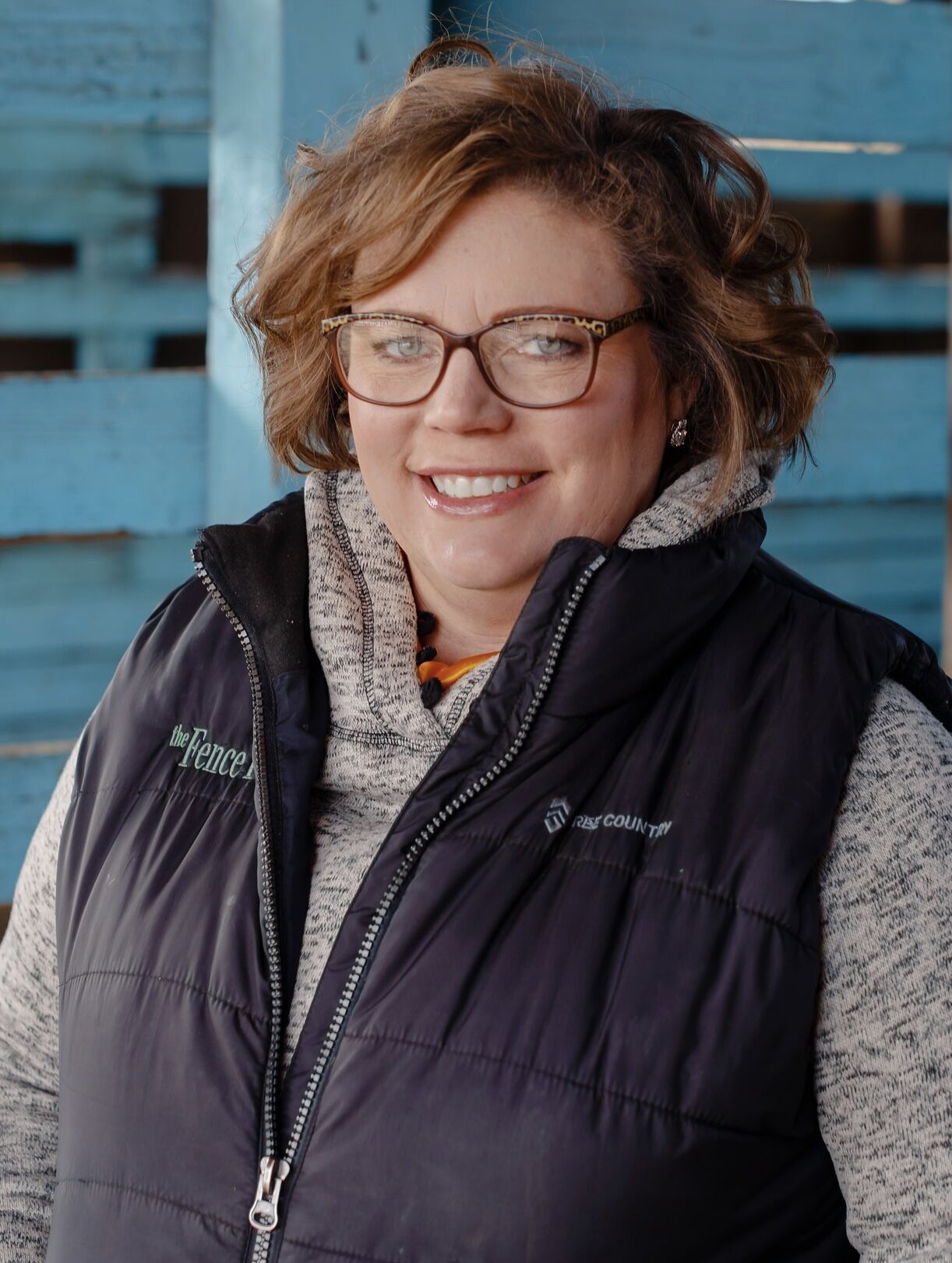
Rachel Gabel writes about agriculture and rural issues. She is assistant editor of The Fence Post Magazine, the region’s preeminent agriculture publication. Gabel is a daughter of the state’s oil and gas industry and a member of one of the state’s 12,000 cattle-raising families, and she has authored children’s books used in hundreds of classrooms to teach students about agriculture.
EDITOR’S NOTE: An earlier version of this column mistakenly stated that Mercy for Animals had been dubbed a “domestic terrorist organization.” It has not. We apologize for the error.

A right to buy a product? | Hal Bidlack
Hal Bidlack
hal-bidlack@coloradopolitics.com
Updated 11 hours ago
A recent story in Colorado Politics caught my eye, as I learned of a “citizen initiative” that has qualified for the November ballot. It seems supporters of Initiative 177 have collected enough signatures, 146,165 legitimate ones out of a total...

Fourteen years after Aurora — we can’t afford to go backward | GUEST COLUMN
Colorado Politics
colorado-politics@coloradopolitics.com
Updated 10 hours ago
By John Hickenlooper and Gabby Giffords Two Saturdays ago, a gunman shot and killed three people and wounded several others in Twin Falls, Idaho. This latest deadly shooting comes only days after we remembered the lives we lost 14 years...

A daring and fearless rescuer — is afraid of a debate | Dick Wadhams
Dick Wadhams
dick-wadhams@coloradopolitics.com
Updated 3 days ago
Victor Marx, the Republican nominee for governor who says he can exorcize demons and who claimed he has fearlessly rescued 45,000 women and children during 150 “high-risk” missions around the world, appears to be intimidated by the notion of debating...

Colorado’s ballot-initiative process again a battleground for deep pockets, special interests — not the people | Miller Hudson
Miller Hudson
miller-hudson@coloradopolitics.com
Updated 22 hours ago
The Oxford English Dictionary defines a constitution as, “The set of fundamental principles according to which a state is constituted and governed, a body of rules prescribing the major elements of the structure and activities of any organization.” Somewhere in...

Proposed EPA changes could save truckers billions | Rachel Gabel
Rachel Gabel
rachel-gabel@coloradopolitics.com
Updated 3 days ago
Agriculture is in distress across nearly every segment across much of the nation, and certainly to a more dire degree in the western United States. If it were not a historic drought, some pressures could be eased. Others can be...

Colorado Democrats, your time is coming | Jon Caldara
Jon Caldara
jon-caldara@coloradopolitics.com
Updated 3 days ago
Hey, Colorado Democrats! All the fun you’ve had watching Republican dysfunction in Colorado for the last 20 years was just a preview of what is about to happen to you. The Colorado Republican Party no longer exists as a competitive...

Perspective: Hunters and anglers are pushing back
Chris Dorsey
chrisd@gmail.com
Updated 20 hours ago
For generations, Coloradans hunted elk, caught trout and managed wildlife without consulting a constitutional attorney. That was before wildlife management became a recurring statewide election issue, replete with consultants, national pressure groups and enough political mail to denude an aspen...

The relevance of Watergate more than a half-century later | SONDERMANN
By Eric Sondermann
by-eric-sondermann@coloradopolitics.com
Updated 6 days ago
It was the scandal for which all other scandals are now named. In June 1972, a small group of Cuban burglars with high-level connections broke into the headquarters of the Democratic National Committee. Those headquarters were located in the Watergate...
Colorado must continue finding common ground on wildfire policy | GUEST COLUMN
Colorado Politics
colorado-politics@coloradopolitics.com
Updated 5 days ago
By John Herrick Colorado has never lacked for opinions about wildfire policy. We debate forest management, climate change, prescribed burns, land use, air quality and budgets. Those debates are familiar territory, but a new discussion is beginning to happen around...

Proposition NN is the best investment for Colorado’s students and schools | GUEST COLUMN
Colorado Politics
colorado-politics@coloradopolitics.com
Updated 5 days ago
By Justin Ogden Colorado families know what it means to make difficult budget decisions. Inflation has driven up the cost of groceries, housing, utilities and just about everything else. Families like mine work hard to stretch every dollar while still...
PREV
PREVIOUS

‘Tax it, and you’ll get less of it’
Debbie Brown The January Consumer Price Index saw the U.S. inflation rate jump to 7.5% in urban areas in the past 12 months, and the Denver metro rate was 7.9%. Fueled by supply and labor shortages, irresponsible government spending, and rising demand, inflation is eroding Americans’ ability to purchase what they need. The uncertainty of […]

HUDSON | Wilson's moral fiber far exceeds fellow QB Rodgers
Miller Hudson The residents of Broncos Country will probably never know whom to thank for the bullet we just dodged. It appeared we were about to wind up with the aging Aaron Rodgers playing quarterback. Far better that he will finish out his career taking the Packers to the playoffs a few more times and […]