

Colorado Springs Gazette: Feds shouldn’t mandate masks on local public transit
As Colorado ushers in a post-Omicron period during which many local and state COVID-19 mandates have been expediently dropped, the federal government continues an edict out of touch with the people of our state – particularly those in the working class or living on assistance.
It is the Center for Disease Control’s lingering mandate for masking on all public transportation. The nationwide policy, which is enforced by the Transportation Security Administration, runs through March 18. That’s more than a half year since, all the way back in August 2021, the federal government last extended the mandate.
The blanket policy trickles down from on-high to most acutely affect the day-to-day lives of working-class Coloradans – those among us who rely on, say, the Mountain Metro city bus in Colorado Springs, the Regional Transportation District light rail in the Denver Metro or the Bustang between Grand Junction and Denver and up and down I-25.
Yes, for the aloof among us who don’t have to ride public transit, average Joes and Jills are forced to cover their faces when going here and there despite the fact, as the Gazette’s Seth Klamann reported in two articles late last week, the current and near-term COVID threat to Colorado has evaporated in short order. The Omicron variant spread through us like it has the rest of the world, fast and furious, resulting in state officials estimating 90% of people have been infected. Daily cases have now dipped almost into the hundreds after a ten-fold statistical decrease in just a month. Rachel Herlihy, Colorado’s state epidemiologist, said it’s projected COVID-related hospitalizations will drop below 250 by the end of February. Herlihy and Scott Bookman, Colorado’s COVID-19 incident commander, explicitly said the high levels of immunity mean cases and hospitalizations should continue to fall further until the early summer, at least.
These ever-cautious state health officials view our COVID situation so positively that, as Klamann also reported Thursday, the state deactivated its crisis standards for both hospital staffing and emergency services. And that’s all on top of the fact anyone who wants to get a COVID-19 vaccines and/or booster shots can receive them at no cost while – yes – other effective treatments are available, too.
So why then, when we’re all living in that statistical and medical reality, is it OK for the federal government to make public-transportation users the only forcibly masked widespread demographic among us? That’s a question our Colorado elected representatives should consider after, last week, the state of Texas sued to overturn the federal mandate.
“The CDC has no authority to make rules that limit the freedom of millions of travelers without any evidence in the hopes it may have some preventative effect,” the suit reads.
Back here in Colorado, even in some of our state’s most pro-mask places – such as the city of Denver, where there have been recent rollbacks in local mask mandates – a citizen who is fortunate enough to privately transport possesses the right to live a mask-free life. The fortunate among us get to go from home, to the grocery store, to work, to socializing and everywhere in between while breathing free and smiling for all to see. Meanwhile, the federal mandate continues to discriminate against the poor and working class.
Colorado Springs Gazette editorial board

As education conflicts abound across Colorado, who puts the kids first? | Paula Noonan
Paula Noonan
paula-noonan@coloradopolitics.com
Updated 7 hours ago
Elected school boards and the Colorado Department of Education (CDE) have hit the headlines with fired superintendents, superintendent resignations, failures of oversight, and misdirected dollars. Cherry Creek School District’s superintendent was fired. Jefferson County Schools’ superintendent found a less stressful...

Clock is ticking on Colorado’s new AI rules | PODIUM
Colorado Politics
colorado-politics@coloradopolitics.com
Updated 7 hours ago
By Aashis Luitel On Jan. 1, organizations using covered automated systems must begin complying with Senate Bill 26-189, Colorado’s new Automated Decision-Making Technology Act. They can identify those systems and start building the processes the statute clearly requires. What they...
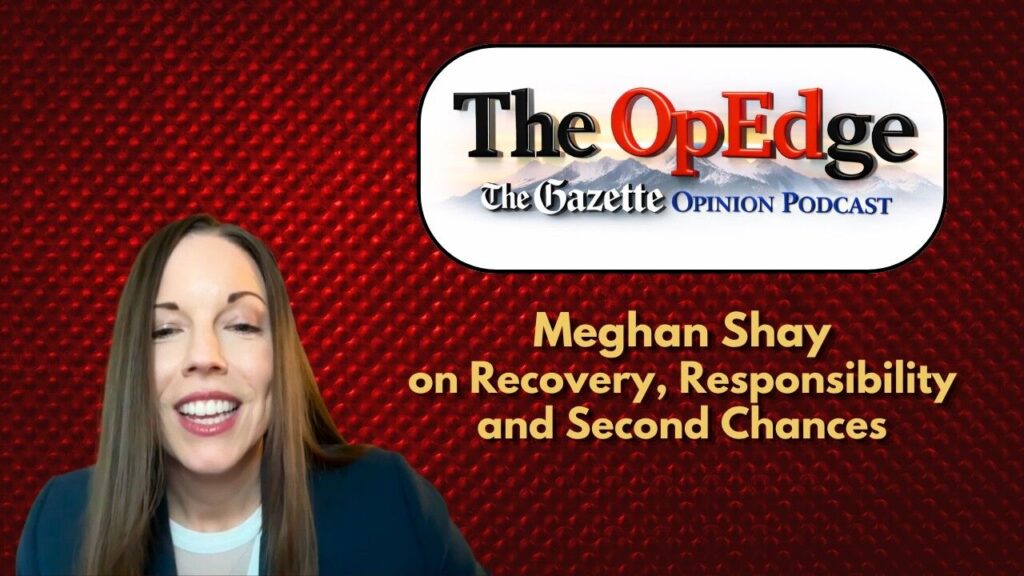
Meghan Shay on recovery, responsibility and second chances | The OpEdge Podcast
Tony Olivero
tony.olivero@gazette.com
Updated 2 days ago
Step Denver and Step Springs CEO Meghan Shay joins The OpEdge to explore addiction recovery, homelessness, and the role of accountability in lasting change. Shay tells host and investigative columnist Jimmy Sengenberger why she believes recovery is built on personal...
The outrages mount | Hal Bidlack
Hal Bidlack
hal-bidlack@coloradopolitics.com
Updated 2 days ago
My kindly and forgiving editors understand that, from time to time, I can’t help myself from leaping atop my rickety soapbox to vent. And, like many other political commentators have already done, I could easily fill this entire missive with...
Rural Colorado deserves a tax holiday | GUEST COLUMN
Eric Mulder
jstooksberry@gmail.com
Updated 2 days ago
Spend enough time in Colorado’s Eastern Plains, the San Luis Valley, or the Western Slope, and you’ll see boarded-up storefronts, schools consolidating classrooms, and small rural communities stretching every dollar to keep basic services afloat. Once the backbone of Colorado’s...
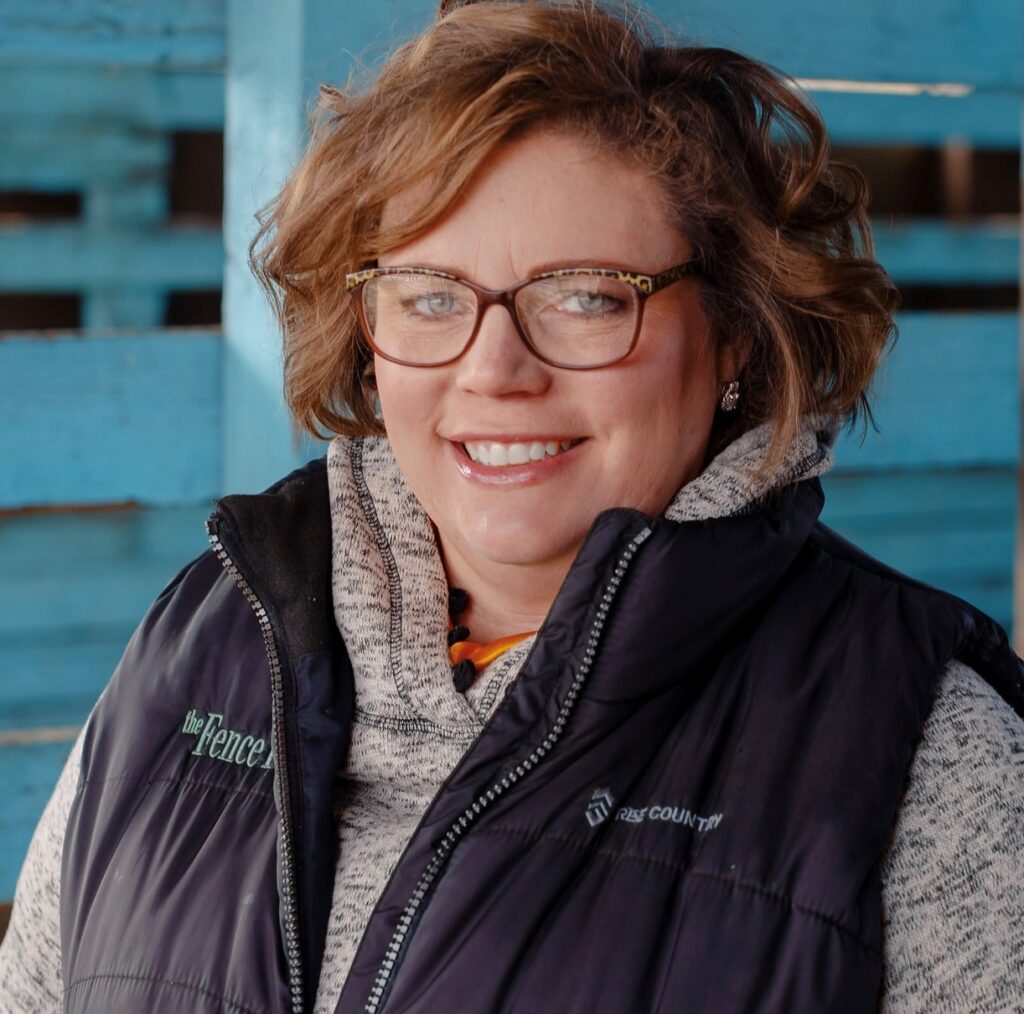
Weiser’s leadership crucial for rural win-win | Rachel Gabel
Rachel Gabel
rachel-gabel@coloradopolitics.com
Updated 6 days ago
Attorney General Phil Weiser is going to win the gubernatorial election. That said, Colorado agriculture and rural communities have a 30-year track record of finding the win-win be it for species or industries or habitat. Former Governor Roy Romer possessed...

A Colorado history lesson for Victor Marx | Dick Wadhams
Dick Wadhams
dick-wadhams@coloradopolitics.com
Updated 5 days ago
Victor Marx, who narrowly won the Republican nomination for governor by one half 1% after boasting of a massive 44-point lead, is just as misguided on Colorado political history. During the primary, Marx made a clumsy attempt to denigrate his...
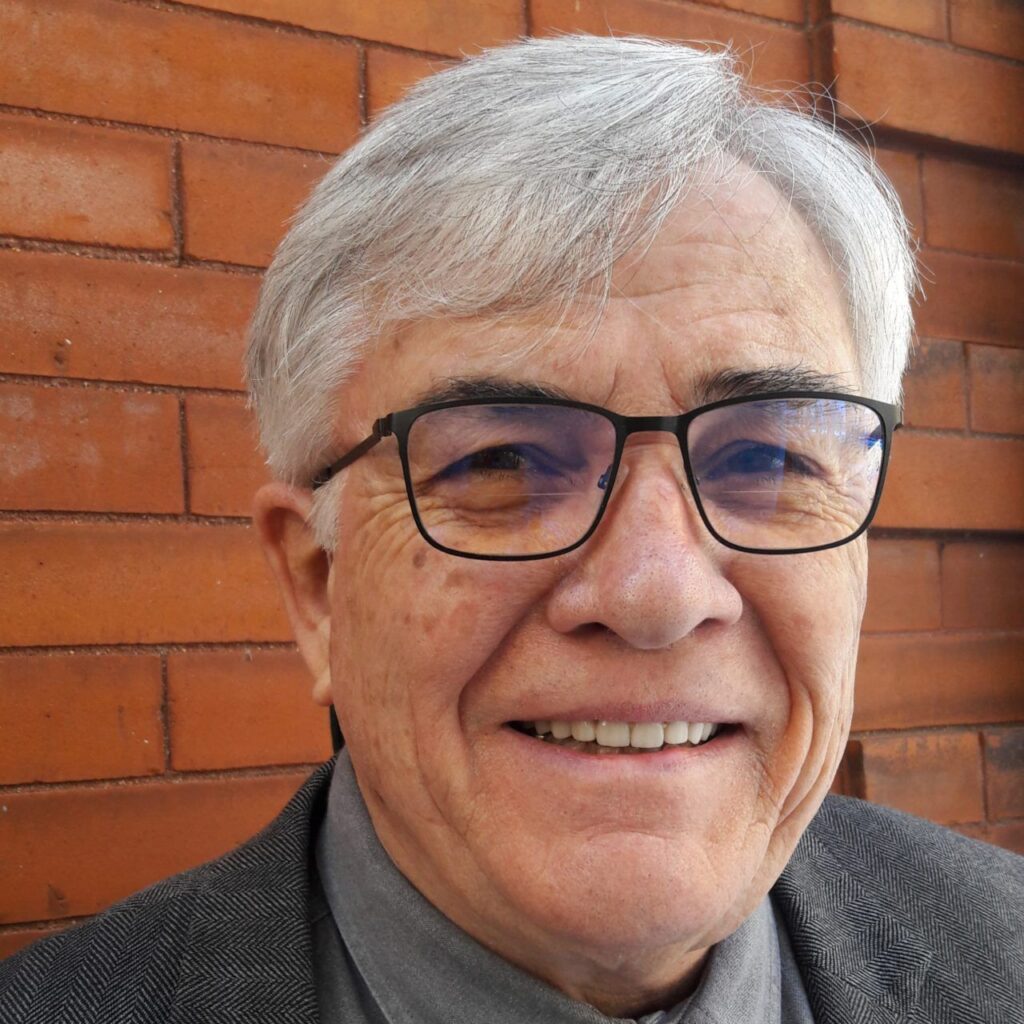
‘Be prepared to march in the streets’ | Miller Hudson
Miller Hudson
miller-hudson@coloradopolitics.com
Updated 6 hours ago
It was early in 1974 when I first met Tim Wirth as he announced his candidacy for Congress, challenging Republican incumbent Don Brotzman. Although I had only resided in Colorado two years, I was drafted to serve as a Democratic...

‘CoCo’ would take taxpayers for a ride | Jon Caldara
Jon Caldara
jon-caldara@coloradopolitics.com
Updated 3 days ago
Colorado wants taxpayers to spend another $4.73 billion on passenger rail. Don’t worry. They have a plan. Which is a little like your brother-in-law announcing he’s launching another exciting restaurant venture after his last three restaurants ended in bankruptcy. Please....

The through line from Donald Trump to Victor Marx | SONDERMANN
By Eric Sondermann
by-eric-sondermann@coloradopolitics.com
Updated 1 week ago
Over 10 years ago, before Donald Trump could ever defeat Hillary Rodham Clinton, he had to first engineer a hostile takeover of the Republican Party. Prior to his descent of that golden escalator, the previous seven Republican presidential nominees had...
PREV
PREVIOUS
HUDSON | The San Luis Valley's water wars
Miller Hudson Since I arrived in Colorado fifty years ago, the San Luis Valley has been my favorite vacation destination. There’s something magical about this “land of cool sunshine.” I’ve spent enough time in the valley to comprise many months of residence. I recall watching Japanese farm families at Fort Garland shoveling ice late into […]
Denver Gazette: Recriminalize deadly fentanyl in Colorado
Look up fentanyl, and you’ll learn it’s a narcotic drug – a synthetic opioid. It’s in the same broad category as historically abused and frequently deadly drugs like heroin. You might also learn the number of fentanyl-related overdose deaths in Colorado skyrocketed more than 50% from 2019 to 2020 and continues to surge. As The […]