

Q&A: Omicron, the holidays and Colorado

In the span of a few weeks, the omicron variant moved into Colorado and now accounts for as many as half of the state’s recent COVID-19 cases.
The variant arrives as the state pulls itself from a months-long fall surge, which pushed hospitals to the brink of being overwhelmed. It also comes on the eve of two major holidays, the sort of travel-heavy large gatherings that have worried public health officials since the start of the pandemic nearly two years ago.
So what’s Colorado’s status heading into the end of the holiday season, and how should you approach them?
Omicron escalating in Colorado, accounting for nearly half of new COVID-19 cases
What’s up with omicron in Colorado?
Omicron was first identified here in early December, the result of international travel from Africa. It’s now surging in resort communities – Eagle, Pitkin and Summit counties in particular. It’s been detected in all 21 wastewater systems statewide that the Colorado Department of Public Health and Environment monitors, and nearly half of samples taken in recent days have a telltale omicron genetic marker.
The good news is that Colorado hospitalizations are still going down. Much remains unknown about omicron in terms of its severity, but it does appear extremely transmissible. That means more cases, which inevitably means more hospitalizations. Each day of declining COVID-19 hospitalizations now buys the state time and resources while we await omicron’s full impact.
What can I do to prepare for omicron?
If you’re not vaccinated, get vaccinated. If you’re fully inoculated but haven’t received your additional shot, get your additional shot. Early research indicates that those doses give good protection against infection against omicron, more so than the initial vaccines. Any vaccine is better than no vaccine, and maximizing your protection with boosters is the best way to prevent both infections and serious disease.
Socially distance, wear masks and get tested if you feel symptomatic. The same strategies we’ve used for the past 21 months, plus vaccinations, continue to be the bedrock of how we can blunt omicron and any other variants that emerge.
If you’re out holiday shopping, be aware that the variant is out there and spreading. Keep your distance from others, mask up, and know what you want before you walk in.
I’m sick. Now what?
If you’re feeling symptomatic or know you were exposed, get tested. If your test results are positive, then isolate for at least 10 days. That may be tough around the holidays, but it’s better than getting any of your relatives sick.
Monitor your symptoms; if you have risk factors, be particularly aware of how you’re feeling. Go to the hospital if your symptoms worsen, especially if you have trouble breathing.
Should my family gather for the holidays at all?
The U.S. government’s top infectious diseases expert, Dr. Anthony Fauci, has consistently said in television interviews that holiday gatherings can continue, but advised common-sense measures – it’s safer if everyone is vaccinated and has received a booster shot.
Colorado county institutes mask order after it’s faced with omicron surge and wave of visitors
“If you and your family are vaccinated and boosted, hopefully you should feel comfortable about having a holiday situation where you have dinners and gatherings in your own home with family and friends. But that will only be safe if people get vaccinated,” Fauci told ABC.
Vaccines, vaccines, vaccines. Be sure to tell your guests that if they’re sick, they should stay home. Keep a list of guests, in case there is an exposure and you have to let people know they need to get tested. As much as you can, keep gatherings small and short.
Speaking of testing – getting checked before any travel or gatherings is a great idea.
“Even if you’re fully vaccinated, getting tested before (and) after gatherings or parties … can make a difference in whether you expose someone you love to the virus,” Dr. Dawn Terashita, associate director of Los Angeles County’s acute communicable disease control program, said at a town hall.
Bear in mind, too, that large gatherings are inherently riskier than smaller ones, particularly if they’re held indoors. It’ll be nice in Denver and parts of Colorado around Christmas, so consider hanging out outdoors, if possible.
Sure, but what if I’m going to attend a large, indoor gathering anyway?
Stop me if you’ve heard this one before – get vaccinated, get boosted.
People who are particularly risk-averse, or who are older or have a weakened immune system, may want to think twice about attending large, crowded indoor gatherings where people aren’t wearing masks. If you are indoors, try to keep windows open (weather allowing) or otherwise improve ventilation.
A big problem that has become more noticeable, especially with the newest variants, is how there seems to be an increased chance that vaccinated, boosted asymptomatic people can still be unknowingly infected and be contagious.
7 more performances of ‘The Lion King’ in Colorado canceled
That’s why wearing masks in indoor public settings still remains an essential strategy at this particular moment in the pandemic, even if you’re already vaccinated, local health officials say.
It stinks to imagine spending your holidays wearing masks around your extended family. But omicron is really transmissible, and if you’re going to hang around a lot of people indoors, it’s better to be safe.
The Associated Press and Los Angeles Times contributed to this report.


Homeless recruits of ‘The Program’ say they were told to sign NDAs amid investigations in Colorado
David Migoya
david.migoya@gazette.com
Updated 4 hours ago
Several formerly homeless people — each drawn into an Aurora-based enterprise known as “The Program” that promised free housing and cash in return for letting a home-health business administer prescriptions they were given — said they were pressed into signing...
Homeless recruits of ‘The Program’ say they were told to sign NDAs amid investigations in Colorado
David Migoya
david.migoya@gazette.com
Updated 4 hours ago
Several formerly homeless people — each drawn into an Aurora-based enterprise known as “The Program” that promised free housing and cash in return for letting a home-health business administer prescriptions they were given — said they were pressed into signing...
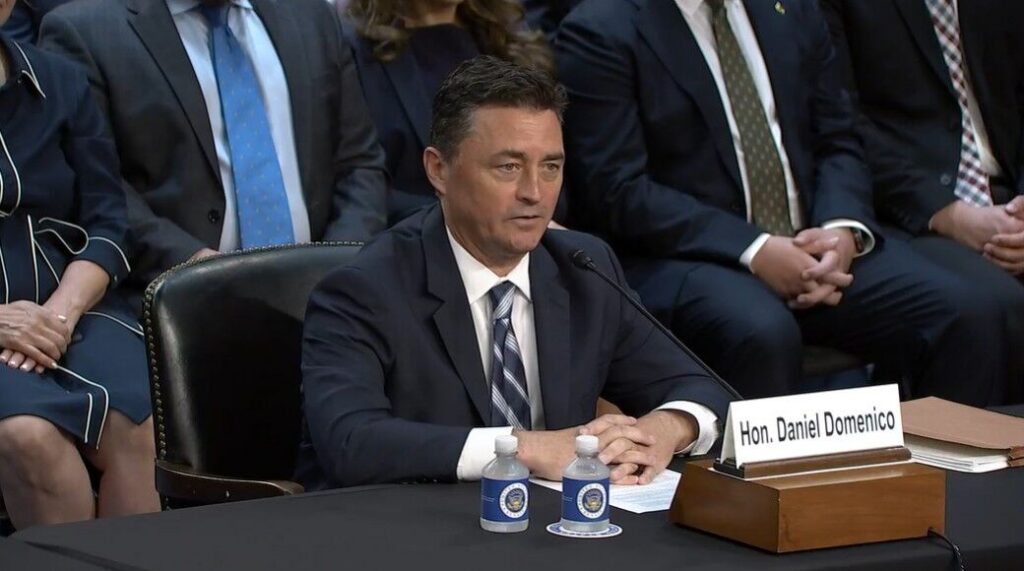
Trump’s 10th Circuit nominee declines to name 2020 election winner, defends immigration decisions
Michael Karlik
michael.karlik@coloradopolitics.com
Updated 4 hours ago
President Donald Trump’s nominee to the Denver-based federal appeals court declined to say who won the 2020 presidential election during his appearance before the U.S. Senate Judiciary Committee on Wednesday, and defended his recent rulings in immigration detention cases. U.S....
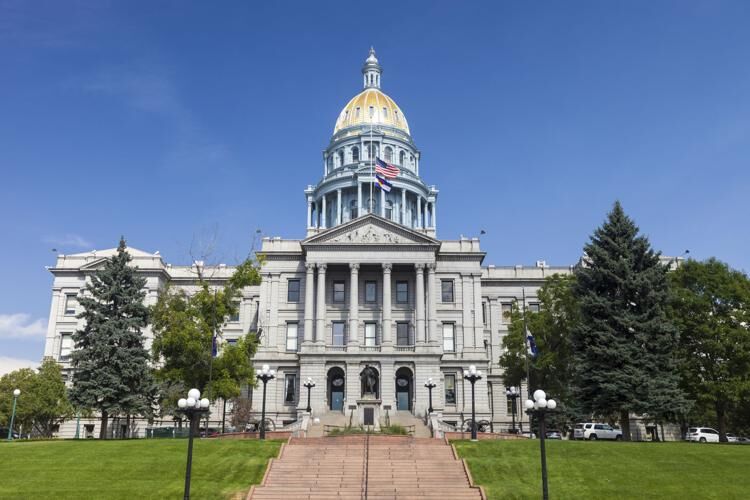
Colorado repeals attorney immigration attestation law after one year
Nico Brambila
nico.brambila@denvergazette.com
Updated 3 hours ago
One year and 12 days. That’s how long a Colorado law requiring attorneys to certify they would not use court data for federal immigration enforcement remained on the books before lawmakers repealed it. Gov. Jared Polis signed the initial legislation,...
Colorado’s ‘right to natural gas’ measure submits signatures to qualify for November ballot
Marissa Ventrelli
marissa.ventrelli@coloradopolitics.com
Updated 6 hours ago
A natural-gas rights initiative backed by Advance Colorado is likely headed to the November ballot, triggering a parallel campaign by environmental groups seeking to impose new liabilities on oil and gas operators. Petitions for Initiative No. 177 were turned in...

Economists: Colorado budget improves slightly, but deficits still loom
Marianne Goodland
marianne.goodland@coloradopolitics.com
Updated 6 hours ago
State economists reported a stronger-than-expected bump in general fund revenue driven largely by higher individual income tax collections, yet warned that Colorado remains on track to begin the next fiscal year with a sizable shortfall. State economists upgraded “significantly” the...
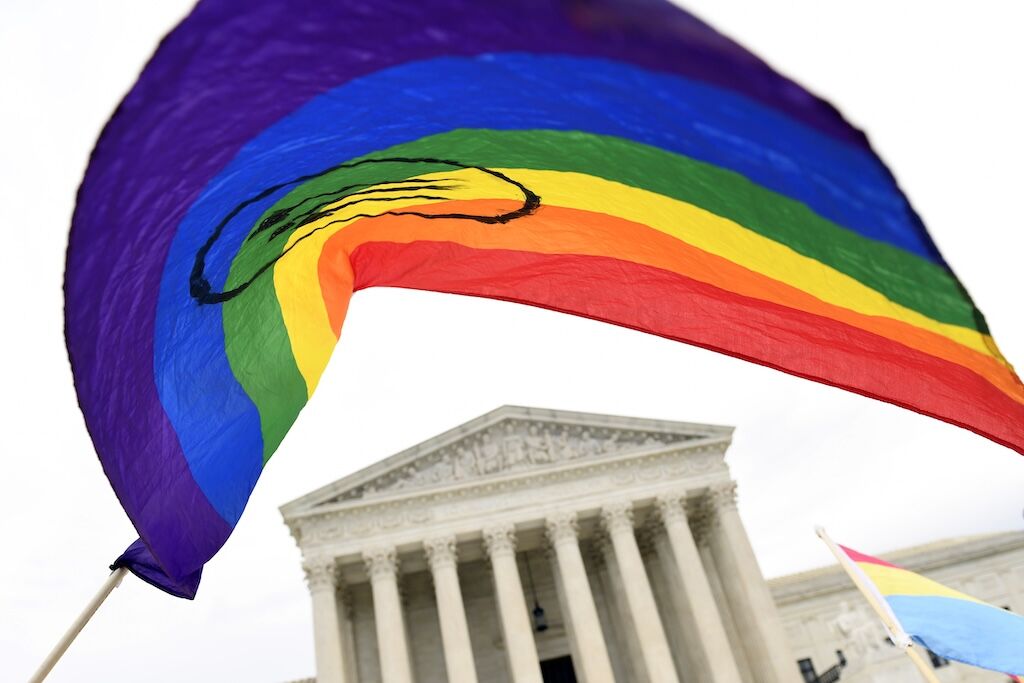
Colorado law allowing lawsuits against ‘conversion therapy’ providers takes effect July 1
Marissa Ventrelli
marissa.ventrelli@coloradopolitics.com
Updated 6 hours ago
With a new law taking effect July 1, Colorado is creating a legal pathway for people to sue licensed providers of “conversion therapy,” even as debate over the practice’s constitutionality continues in the wake of a recent U.S. Supreme Court...

Colorado justices expand ability for civil defendants to avoid participating, win after trial
Michael Karlik
michael.karlik@coloradopolitics.com
Updated 9 hours ago
The Colorado Supreme Court decided on Tuesday that a civil defendant, whose non-participation in the case meant that he legally admitted to the sexual assault allegations against him, could nonetheless prevail after he showed up to testify at trial. A...
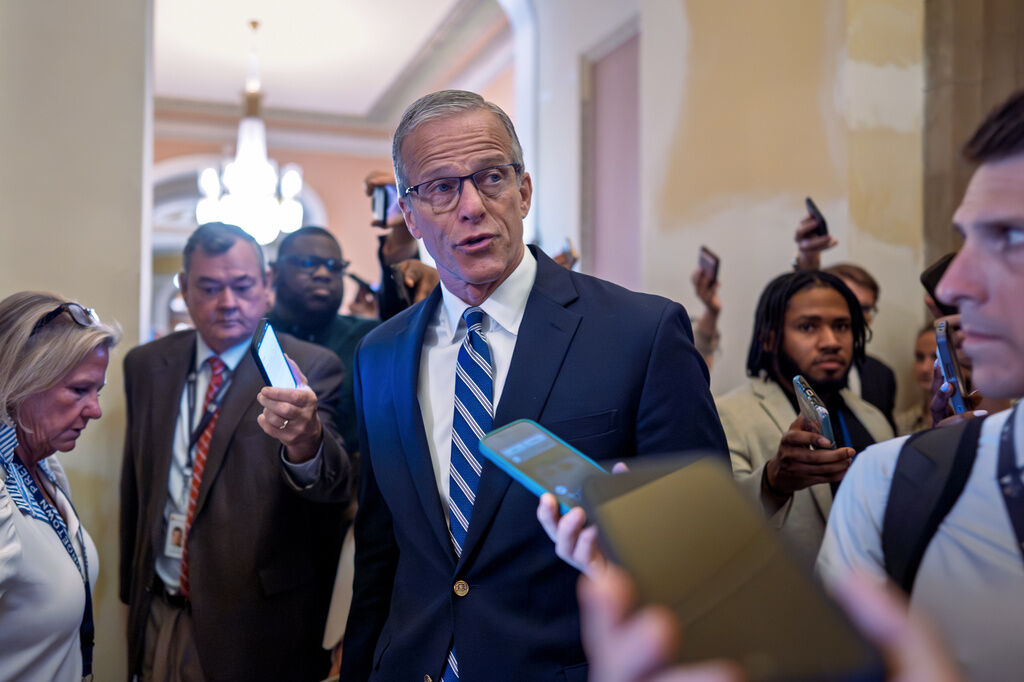
Trump heads to Senate as GOP grows more willing to challenge White House
Naomi Lim
naomi-lim@coloradopolitics.com
Updated 9 hours ago
President Donald Trump normally summons congressional Republicans to the White House, but on Wednesday, he is making a rare trip to Capitol Hill to have lunch with GOP senators. And at least publicly, there is one agenda item. “We’re just...

Trump blasts oil companies for not lowering prices to consumers, accuses them of price gouging
Washington Examiner Staff
washington-examiner-staff@coloradopolitics.com
Updated 10 hours ago
President Donald Trump criticized “big oil companies” for not lowering prices for consumers, even though oil purchase costs have dropped. He accused oil companies of price gouging consumers, ordered the Department of Justice to investigate current practices, and demanded that...
PREV
PREVIOUS

'Dark money' group Sixteen Thirty Fund latest target in campaign finance complaints
A “dark money” group that put tens of millions of dollars behind Democratic candidates and progressive causes became the latest target of a campaign finance complaint, the most recent in a volley of partisan carping over which side’s secretly funded groups must show the public who is financially supporting them. The newest complaint goes after […]
BEST OF INSIGHTS | My big break in the Big Apple was a political life lesson
Editor’s note: Welcome to the Best of Insights feature, highlighting senior writer Joey Bunch’s best work. This article originally ran in August 2021. The whole thing came down to one problem: How do I cover the 15 feet over to that Dunkin’ Donuts store? This story about me is also about politics, so hang with […]