

Citywide ban on flavored tobacco again postponed by Denver committee

The proposed ban against the sale of flavored tobacco products in Denver was again postponed by the City Council on Wednesday, with the safety committee voting to push consideration to next month.
The unanimous vote came after more than an hour of discussion among council members, including the suggestion of several amendments to the ban. The committee will now vote on the amendments on Nov. 17.
As is, the ban would apply to all flavored tobacco products sold in all establishments in Denver, with exemptions for harm-reduction tools approved by the U.S. Food and Drug Administration.
That means flavored hookah, menthol cigarettes, chewing tobacco, cigars and vaping products could not be sold – the last of which is the main target of the ban to try to reduce youth tobacco use.
“The youth smoking and vaping epidemic is what we are trying to solve for here,” said Councilwoman Amanda Sawyer, who co-sponsored the proposal. “Two million youth across the country use e-cigarettes and a majority of those site flavors as the reason that they do that.”
In 2020, approximately 1 in 5 high school students and 1 in 20 middle school students used e-cigarettes, according to the Centers for Disease Control and Prevention.
Council to consider expanding construction career program for Denver high schoolers
Of tobacco users between 12 and 17 years old, 81% said they started by using flavored products and 79% said they use a product because it comes in flavors they like, according to a study by the FDA and National Institute of Health.
Three of the amendments proposed Wednesday would establish exemptions in the ban for certain tobacco products, including hookah, flavored cigars, pipe tobacco and menthol cigarettes. The council members who proposed the amendments argued that children and teens don’t use these tobacco products.
“We want to keep these products out of the hands of kids, but this approach tries to do that by keeping them out of the hands of everybody,” said Councilman Kevin Flynn.
Councilwoman Kendra Black proposed two amendments that would cancel the ban, replacing it with ordinances to increase ID verification requirements at tobacco-selling establishments or to increase the penalty for selling tobacco to minors.
In 2019, around 22% of tobacco retail stores in Denver were found to be violating age mandates – meaning retailers were not checking IDs or were knowingly selling to people under the age of 21, said Tristan Sanders, Denver’s director of community and behavioral health.
These checks were suspended during the COVID-19 pandemic, but since they restarted more than a month ago, the rate of retailers violating age mandates is up to 40% for the 20% of stores checked so far, Sanders said.
Denver aims to redraw council districts with 65,000 residents each
Black argued the ban would hurt local tobacco-selling businesses and result in young tobacco users buying products online or in neighboring cities, in addition to inconveniencing tobacco-using adults.
“This is not being done with a scalpel, it’s being done with a sledgehammer,” Black said. “We are going to impact adults and prevent them from being adults and buying products that they want, but it’s not going to prevent kids from getting their hands on tobacco products. … Prohibition does not work.”
Councilwoman Robin Kniech argued that Black’s proposals may not curb youth tobacco use since many minors get tobacco products from older friends or relatives, but a flavor ban could reduce the availability of where youth can get the flavored products they desire.
Dozens of community members packed into the council chambers Wednesday to speak on the ban, including many wearing “flavors hook kids” shirts. No public comment was offered this week, though several people signed up to speak on unrelated proposals to try to comment on the ban. Those speakers were turned down by the committee.
“I want to thank the folks who showed up. I’m looking into the faces and hearts and minds of everyone here, and I don’t think anyone here wants kids to get their hands on tobacco,” said Councilman Paul Kashmann. “All we’re talking about is some different viewpoint on how we get there.”
Denver council OKs $1.2 million settlement for teen who was beaten by police
The safety committee approved a different tobacco-related proposal Wednesday that would prohibit Hookah lounges from operating between midnight and 7 a.m.
Currently, there are no regulations for hookah lounge operating hours in Denver, which allows them to stay open past the mandatory 2 a.m. last call for bars, with many not closing until 4 a.m. or 5 a.m. This has resulted in drunk bar patrons continuing to party in hookah lounges after the bars close, said Councilman Jolon Clark.
“This allows responsible owners to have a pathway to continue operation without the city looking at what other cities have done … which is to close the establishments because of late-night issues,” said Clark, who sponsored the proposal. “I think we can do better to eliminate the issues without getting rid of everybody.”
A representative with the National Hookah Association and multiple hookah business owners spoke during the meeting, saying they support the regulation but request the close time be pushed back to 2 a.m. to align with bars.
The proposal was unanimously approved to move to the full council without the time change. It will need to pass two final votes before implementation.



Colorado Reps. Hurd and Neguse join forces to modernize federal snow-forecasting program
Marianne Goodland
marianne.goodland@coloradopolitics.com
Updated 8 hours ago
A federal snow-forecasting program, to be updated under a bill from Republican U.S. Rep. Jeff Hurd, won approval in the House on Wednesday. HR 3857, which amends the Snowpack Water Supply Forecasting Reauthorization Act, is Hurd’s second bill to pass...
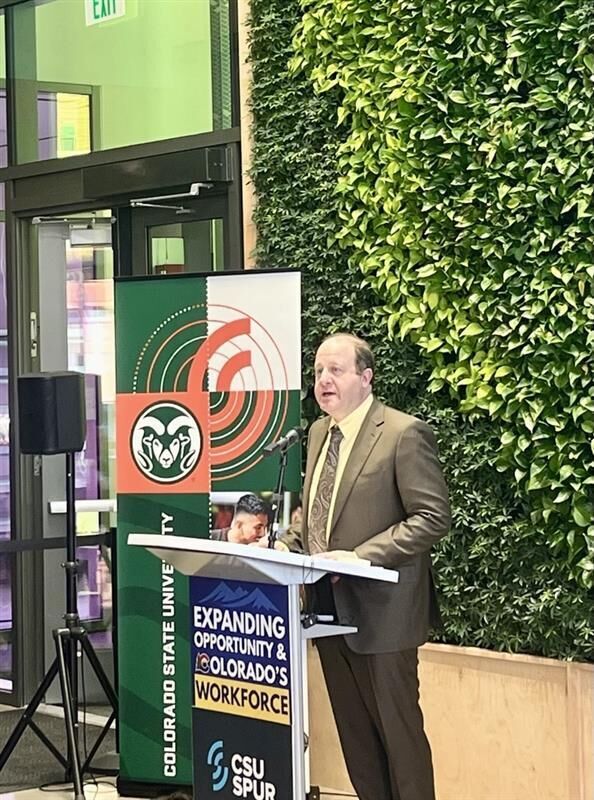
Colorado aims to close talent gap with new workforce development agency, initiatives
Marissa Ventrelli
marissa.ventrelli@coloradopolitics.com
Updated 8 hours ago
Colorado’s education leaders and legislators are planning changes to the state’s workforce development programs – including the creation of a new state agency – to help more students earn college degrees, certifications and apprenticeships. Gov. Jared Polis, House Speaker Julie...

Colorado legislators review wolf program as funding challenges persist
Marianne Goodland
marianne.goodland@coloradopolitics.com
Updated 7 hours ago
Wolves took center stage during a Tuesday review by Colorado legislators of the budget proposal from the Department of Natural Resources, which includes the division that manages the reintroduction program. The Joint Budget Committee reviewed the budget proposal for 2026-27...
Palmer Lake to discuss Buc-ee’s, recall elections Thursday
Savannah Eller
savannah-eller@coloradopolitics.com
Updated 8 hours ago
The newly-whole Palmer Lake Board of Trustees will have an opportunity Thursday to discuss the setting for two issues going to town voters in the new year. The first is when and how to field a ballot question on the...
Colorado Parks and Wildlife Commissioner Murphy Robinson resigns
Marianne Goodland
marianne.goodland@coloradopolitics.com
Updated 1 day ago
Murphy Robinson, who has served on the Colorado Parks and Wildlife Commission for just over a year, announced his resignation on Wednesday. In a statement, Gov. Jared Polis thanked Robinson, saying he is “incredibly grateful for Murphy’s service to the...

DOJ launches investigation into Colorado prison, youth facility conditions
Cleo Westin
cleo-westin@coloradopolitics.com
Updated 15 hours ago
The U.S. Department of Justice has opened an investigation into possible constitutional violations of Colorado prisoners through inadequate treatment and transgender housing policy, according to federal authorities. The department’s letter of notice to Gov. Jared Polis on Monday identified housing...

Colorado Supreme Court’s opinion output drops by two-thirds amid justice’s absence
Michael Karlik
michael.karlik@coloradopolitics.com
Updated 1 day ago
The Colorado Supreme Court has released significantly fewer new opinions in recent months compared to the previous two years, even as the judicial branch insisted that a member’s open-ended absence is not causing delays. Justice Melissa Hart has been on...
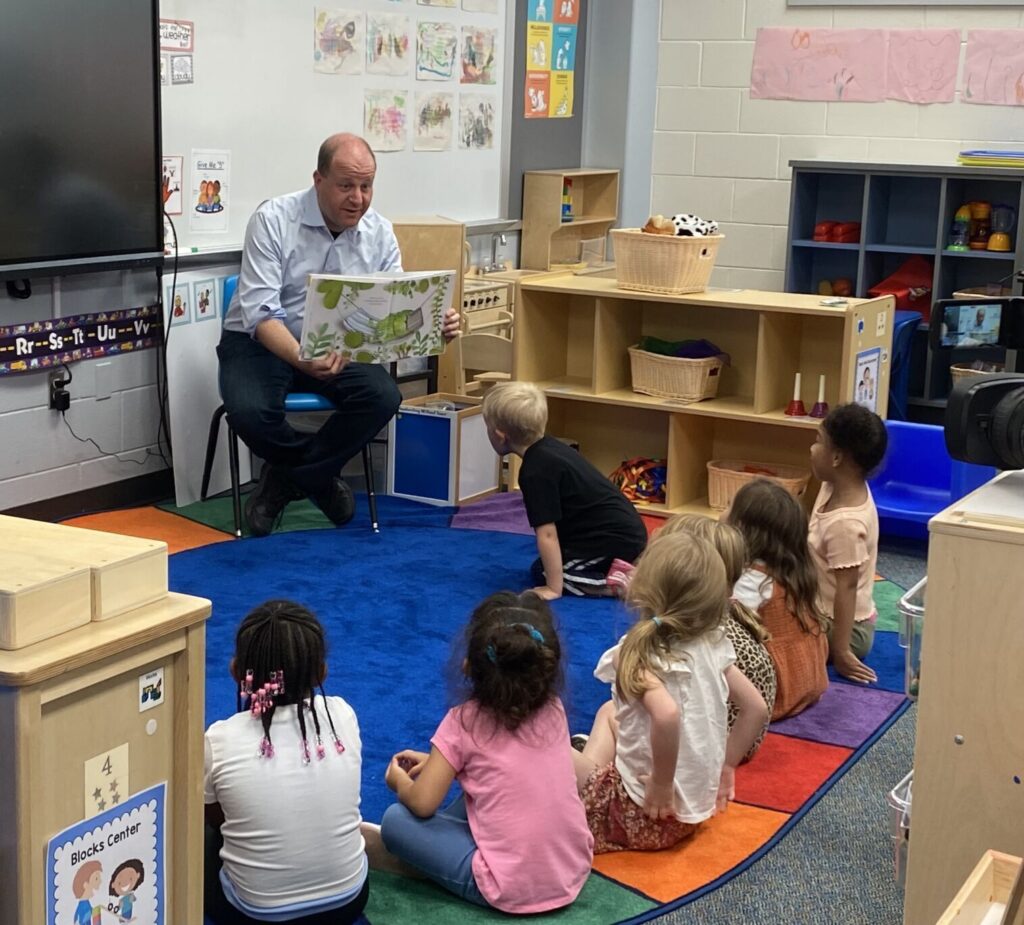
Colorado’s universal preschool enrollment begins for upcoming school year
Marissa Ventrelli
marissa.ventrelli@coloradopolitics.com
Updated 1 day ago
Enrollment is now open for Colorado’s universal preschool program, which provides up to 15 hours of free education for four-year-old children across the state. The $344 million program has served nearly 90,000 children since its creation in 2023, the Governor’s...

Divided 10th Circuit rules bank customer must arbitrate discrimination-related claims
Michael Karlik
michael.karlik@coloradopolitics.com
Updated 1 day ago
The Denver-based federal appeals court ruled on Monday that a mandatory arbitration clause in the fine print of a customer’s bank account agreement prohibited her from pursuing claims of racial discrimination in court. Jeanetta Vaughn filed suit against JPMorgan Chase...

Colorado’s federal trial court denies admission to lawyer owing tens of thousands in dues, penalties
Michael Karlik
michael.karlik@coloradopolitics.com
Updated 7 hours ago
Colorado’s U.S. District Court declined last month to allow an attorney to practice before the court due to his failure to pay enrollment fees and penalties to another state’s bar association for years. The federal trial court requires attorneys to...
PREV
PREVIOUS

Tax panel scraps proposal on short-term rentals, advances five other measures
An interim panel charged with reviewing the state’s tax policy voted to advance a package of five bills, opting in the process to axe a proposal from a Denver Democrat that sought a statewide increase on taxes on short-term rentals. Heading into the Wednesday meeting, the Legislative Oversight Committee Concerning Tax Policy appeared poised to […]

Judge declines to block CU Anschutz's policy for religious exemptions to vaccines
A federal judge has declined to block the University of Colorado from enforcing its vaccination policy against a Roman Catholic physician and a Buddhist medical student who unsuccessfully sought religious exemptions, while cautioning that a recent revision to the mandate may bring about new arguments in the case. The plaintiffs, identified as Jane Doe, M.D. […]