

INSIGHTS | ‘Equity’ across Colorado is a slippery equation

If you’re like me, you only have a walking-around understanding of equity, even though it’s the political buzzword of 2021.
It also means you’re like me: lucky enough not to know what inequity looks and feels like.
It means fairness, but fairness, like most things, is relevant.
Lt. Gov. Dianne Primavera is trying to understand it. She was on a Zoom call with community leaders on Sept. 8 to kick off her annual statewide listening tour on how to save Coloradans money on their health care. After all, she leads the agency Gov. Jared Polis created called, aptly enough, the Office of Saving People Money on their Health Care.
“I think a lot of health equity is recognizing that things aren’t equitable,” said Kaakpema “KP” Yelpaala, the co-founder and CEO of InOn Health and the host of the “InOn Health Equity podcast.”
Primavera said on the call, “We’ve made important progress in many areas to reduce the cost of healthcare, but healthcare disparities continue to be a major issue (against) progress in many areas.”
Agreeing everyone should be treated fairly is the easy part. That’s where the clarity ends, however, because an even break means different things to so many different people. Making sure they’re all served to their liking is a Sisyphean task .
“Working to build and sustain a Colorado for all,” Primavera began, citing a Polis campaign slogan from 2018, “means that regardless of your location, your income, race, gender, ethnicity, age, disability, status, veteran status or sexual orientation that you have reliable access to affordable and high quality health care.”
Those doing without know exactly how and where inequality is applied to them.
“For those of us who live these lives and have a real stake in it have known that these things have been around for decades and decades and decades,” said Yelpaala, who is Black.
Talaya Banks, Let My People Vote coordinator for Denver’s Soul 2 Soul Sisters, didn’t mince words about the short end of the stick that’s most often extended to Black women.
“For me, health equity right now is addressing the ways in which colonial white supremacy … is impacting the experiences of primarily Black women, families, girls and gender expansive people,” she said. “And so health equity right now is addressing the inequities in all of the different layers in all of the different systems and then asking how we can have healthy bodies.”
How people are left out depends on their culture, their income and availability of affordable services in their respective communities, experts explain. Again, that’s a broad moving target.
Nadine Bridges, executive director of One Colorado, the state’s largest advocacy organization for LGBTQ Coloradans and the families, gummed up the definition as it relates to her constituents.
“From the LGBTQ standpoint, we’re not a monolith. The incredible thing about LGBTQ community members is that we are representative of every identity, race, ability, religion, everything that’s out there, which means that when we’re talking about healthcare, we really have to break it down and understand the intersections of impact.”
That what, however, lacks a how, and sometimes even a why.
In January, the Durango 9-R Board of Education passed a resolution apologizing for what it claimed was a failure to identify and address “diversity, equity and inclusion” in a systemic way.
“Any one person not feeling valued, safe, and welcome in our schools is simply too many,” the resolution states.
Yet, the district was unable to turn up even one example of where one of its schools failed to be fair.
The district said 21% of its students are Latino, 6% are American Indian, 1% are African American and 1% are Asian. The average household income in Durango is $100,398 compared to the state average of $72,331.
Coincidentally, Joe Biden won 59% of the votes in La Plata last November. (Kanye West got 11 votes.)
In May, the school board provided an update on its equity efforts.
“In order to increase knowledge of cultural identity and awareness, liaisons worked with students through culturally relevant learning projects/activities, whole-class lessons on diversity, Native American Club and mentoring,” the board explained. “Liaisons also worked with staff to find culturally relevant books and videos. They provided staff professional development regarding implicit bias, importance of Title VI program, Native American Culture of Durango School District 9-R, and Culturally Responsive Classrooms and Schools.”
Democrats own this moment, but Republicans’ past declarations about ensuring a fair shake have gone nowhere.
The Reagan administration initiated policies and laws to prioritize issues affecting the health of underserved populations and the disparities experienced by these groups. It didn’t work, or we wouldn’t be talking about it now.
In 2001, then-U.S. Senate Majority Leader Bill Frist, a Republican from Tennessee and a physician, championed health equity to “focus on the uninsured and those who suffer from health care disparities that we so inadequately addressed in the past.”
Until policymakers can define the issue more precisely than “be fair,” then solutions will remain elusive.
One person’s fairness is another person’s stacked deck, but keeping it vague and broad is attractive to more voters, because it’s hard to vote against being fair when you don’t have the specifics of what it means and how much it will cost.
Colorado Politics Must-Reads:

Denver Public Schools superintendent confirms interest in Miami-Dade job
Nico Brambila
nico.brambila@denvergazette.com
Updated 1 week ago
After repeatedly denying rumors he was pursuing jobs in other districts, Denver Public Schools (DPS) Superintendent Alex Marrero confirmed that he has been “recruited” in the Miami-Dade County Public Schools search. In a June 9 email to the Board of...
Jeffco Public Schools: Boys on girls’ sports rosters were mascots, not athletes
Matt Kyle
matt.kyle@denvergazette.com
Updated 2 weeks ago
Jeffco Public Schools this week said the boys the Trump administration claimed to have found on girls’ sports rosters were trainers, mascots and managers, not student-athletes. The U.S. Department of Education’s Office of Civil Rights announced in March that a...
Cherry Creek hires search firm for new superintendent
Nico Brambila
nico.brambila@denvergazette.com
Updated 2 weeks ago
The Cherry Creek School District board earlier this week approved a nearly $30,000 contract with McPherson & Jacobson to conduct a national superintendent search. The measure was unanimously passed on Monday without discussion. Founded in 1991, McPherson & Jacobson is an...

Denver students face ‘bell-to-bell’ ban on cellphones
Nico Brambila
nico.brambila@denvergazette.com
Updated 2 weeks ago
Starting next school year, Denver students will not be able to use their cellphones during school hours. The Denver Public Schools (DPS) Board of Education unanimously passed a “bell-to-bell” ban Monday after a third reading. “Policies like this succeed not...
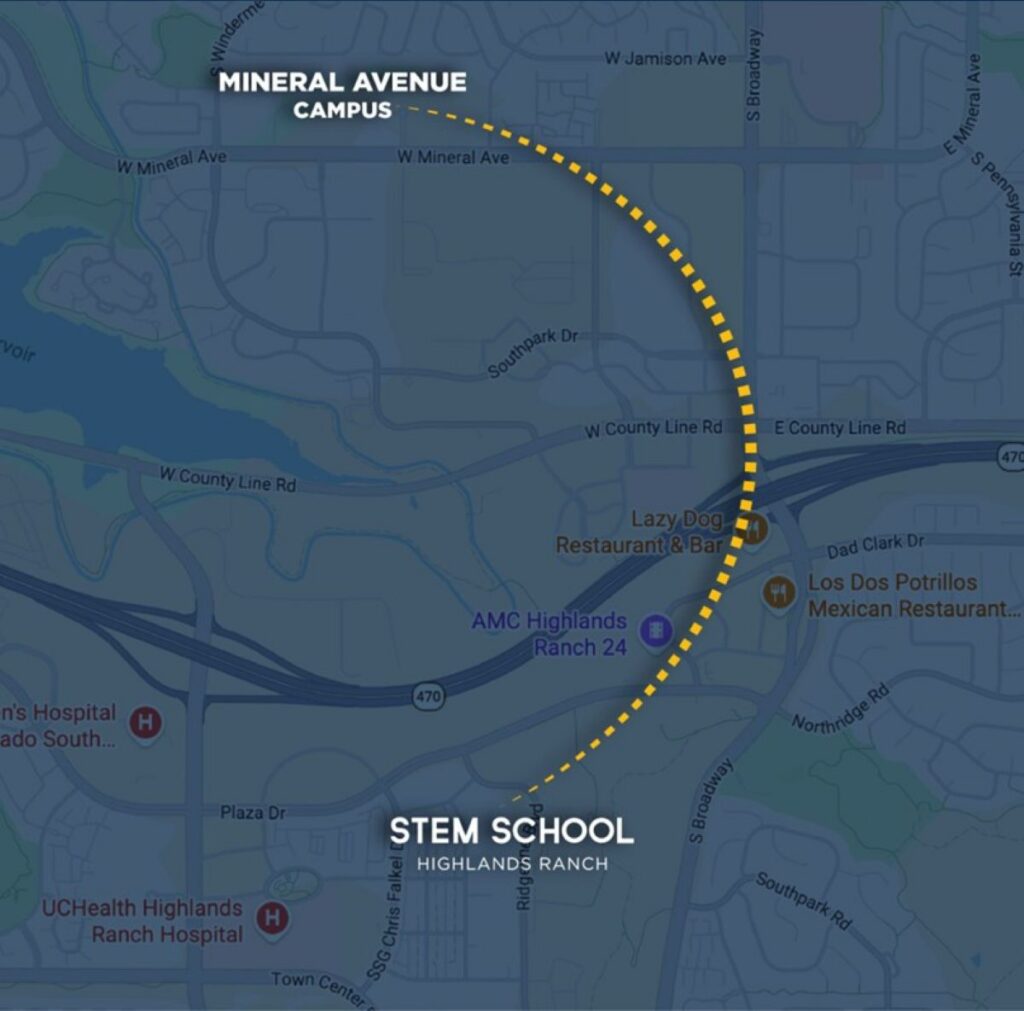
Littleton school board denies STEM Highlands Ranch relocation proposal
Nicholas Fogleman
nicholas.fogleman@denvergazette.com
Updated 4 weeks ago
The Littleton Public Schools Board unanimously denied an application from STEM School Highlands Ranch to relocate its high school to a site on Mineral Avenue within Littleton. The board voted 5–0 on May 28 against the proposal from STEM, a...
Mediation canceled for trans woman alleging civil rights violation by Mesa University
RACHAEL WRIGHT Special to The Gazette
rachael-wright-special-to-the-gazette@coloradopolitics.com
Updated 4 weeks ago
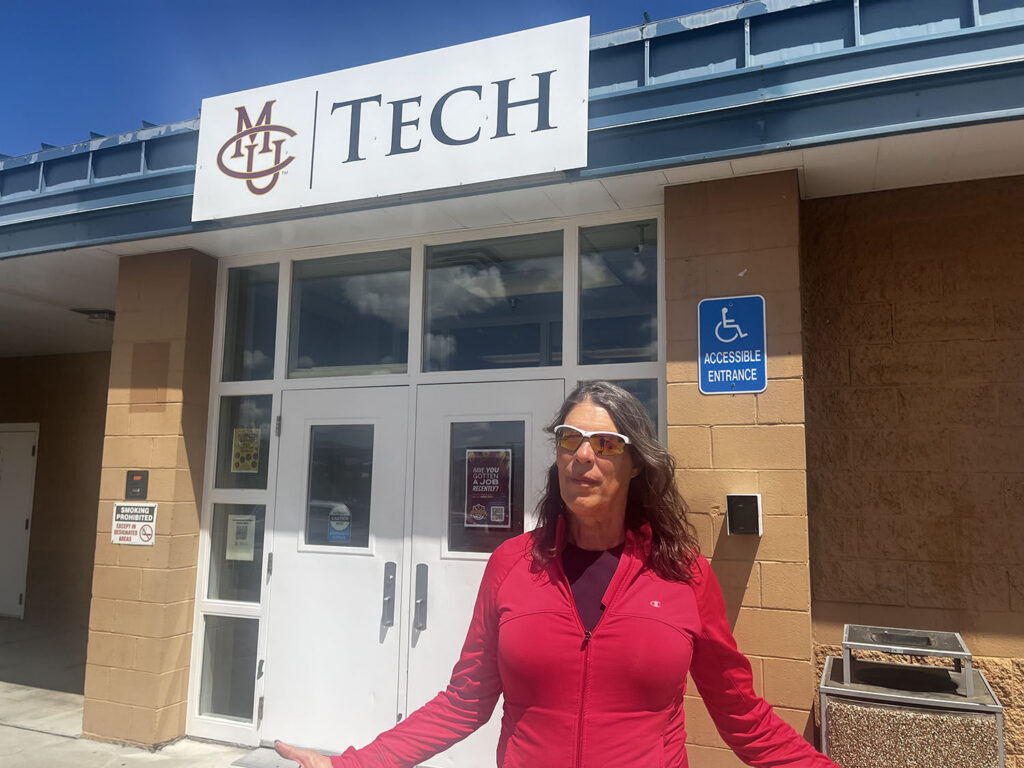
Two days before a mediation was scheduled, Tammy Powers, a transgender woman who filed a Title IX complaint after allegedly being denied entry into a Colorado Mesa University Tech class, was told the mediation had been canceled. Powers found out about the...

Denver teacher fired after ‘same-gender’ kissing skits in French class
Nico Brambila
nico.brambila@denvergazette.com
Updated 1 month ago
An administrative law judge has recommended the dismissal of a teacher at Northeast Early College — a high school in the Denver Public Schools district — after finding classroom activities and personal disclosures to students amounted to “incompetence and neglect...
Air Force Academy graduation will feature Vice President JD Vance
The Gazette
the-gazette@coloradopolitics.com
Updated 1 month ago
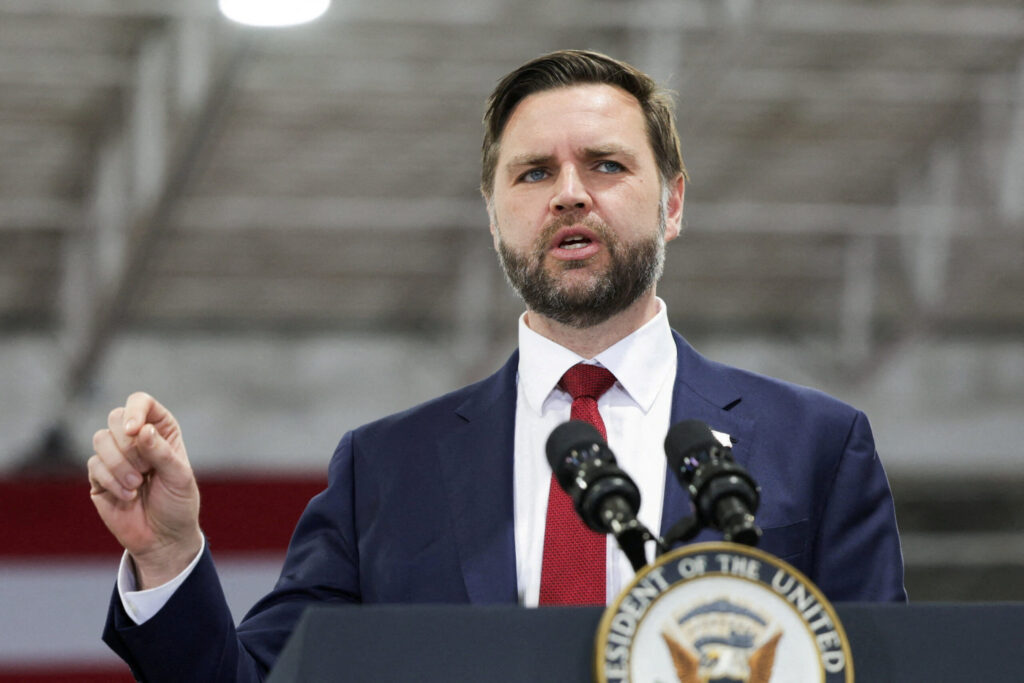
The Air Force Academy announced Tuesday that Vice President JD Vance will serve as the speaker for the academy’s commencement ceremony May 28 at Falcon Stadium. Vance was sworn into office on Jan. 20, 2025. He previously served as a...
Cherry Creek School Board fires former superintendent’s wife from top HR role
Nico Brambila
nico.brambila@denvergazette.com
Updated 1 month ago
The Cherry Creek School Board today announced the termination of Brenda Smith, the district’s chief human resource officer. She’s the wife of former Superintendent Chris Smith, who abruptly resigned in January during his annual review. Brenda Smith’s termination marks the...
Federal judges hear arguments over Colorado school district’s gender identity rooming policy
Nicholas Fogleman
nicholas.fogleman@denvergazette.com
Updated 2 months ago
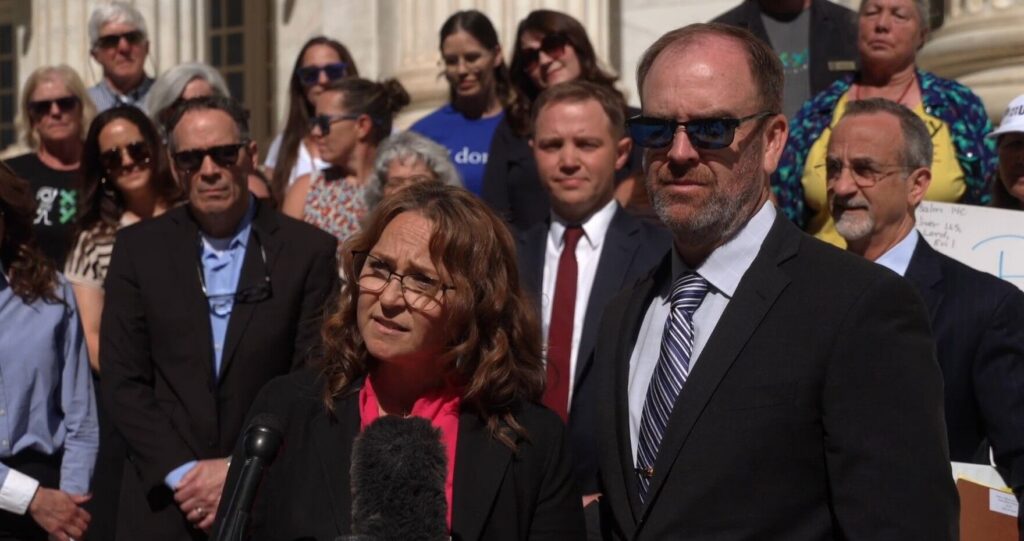
A panel of judges at the 10th U.S. Circuit Court of Appeals heard arguments Tuesday in a lawsuit challenging JeffCo Public School’s policy of assigning students to overnight accommodations on school trips based on gender identity. The lawsuit, filed in...
PREV
PREVIOUS

Calls to school tip line Safe2Tell skyrocket in August
Calls to Safe2Tell, Colorado’s anonymous school safety tip line for students jumped 36% in August compared to the same month in 2020, the agency said Tuesday. The organization attributed the spike students returning to in-person learning as COVID-19 restrictions have eased. Attorney General Phil Weiser said the increase highlights the importance of the program. “As […]
Afghan refugees will need housing, jobs, food, English classes and more, Colorado Springs agency leaders say
Southern Colorado’s sole resettlement agency is preparing to assist at least 75 Afghan refugees who had worked with United States troops in their homeland before last month’s military withdrawal, according to Floyd Preston, program director of the Colorado Springs office of Lutheran Family Services Rocky Mountains. But it could be more, he said. “That number […]